
Do Groom’s Parents Speak at a Wedding? Understanding Their Role in the Celebration
When it comes to weddings, many people wonder about the roles of the parents of the groom. Groom’s parents often speak at the wedding, typically after the parents of the bride. Traditionally, the father of the groom gives a speech that can include welcoming guests and sharing a few heartfelt words about his son and new daughter-in-law. The mother of the groom can also join in, either by sharing her own thoughts or by supporting her husband during his speech.
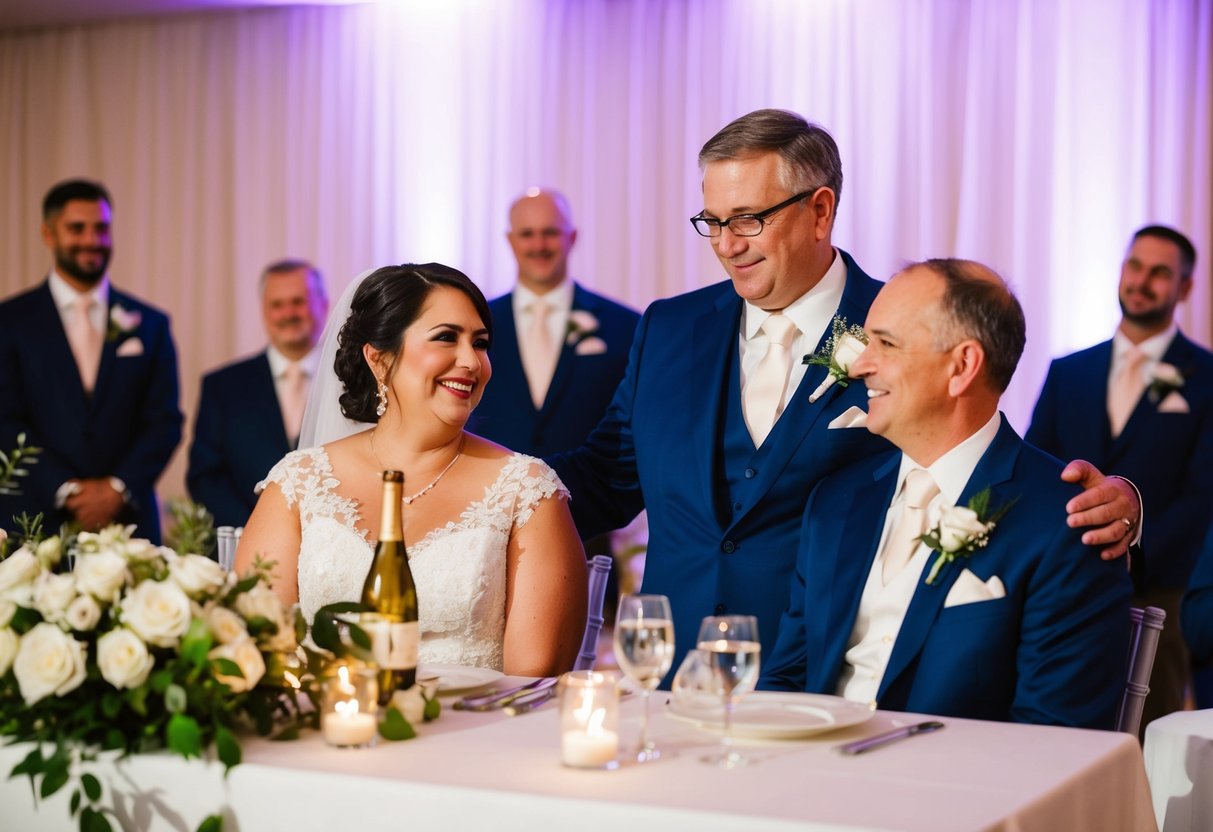
Expectations can vary based on personal preferences and family traditions, so it’s best to discuss this with the couple. Knowing when and how the groom’s parents can participate in speeches can enhance the overall celebration. Whether you’re the father or mother of the groom, this is a special opportunity to express love and support for your son and his partner on their big day.
Traditional Role of Groom’s Parents
The groom’s parents play vital roles in the wedding process. Their responsibilities span financial contributions, support during planning, and hosting important events like the rehearsal dinner. Understanding these roles can help ensure everything goes smoothly.
Financial Responsibilities
As the father of the groom, you traditionally help cover several wedding costs. This may include the engagement ring, wedding rings for your son and daughter-in-law, and his attire. You might also contribute to the marriage license and the officiant’s fee.
In addition to these expenses, you may help with floral arrangements, particularly the bride’s bouquet and boutonnieres for the groomsmen. This financial assistance can ease some of the stress on the couple and their families, making things easier for everyone.
Wedding Planning Support
Your support during the wedding planning is crucial. The groom’s parents often help coordinate details with the bride’s family, ensuring that both sides are on the same page.
You can also assist by offering advice or ideas, especially if you have experience with weddings. Attending planning meetings can show your son and his fiancé that you care and want to be involved in their special day. Your guidance can make a difference in their planning process.
Rehearsal Dinner Hosts
Hosting the rehearsal dinner is another traditional role of the groom’s parents. This event takes place the night before the wedding and is a chance for both families to meet and bond. It’s an informal setting where everyone can relax before the big day.
As hosts, you will want to plan the menu, choose a venue, and send out invitations. This dinner can be a meaningful way to express your support for your son and his future spouse. It’s an opportunity to celebrate and kick off the wedding festivities in a warm and friendly environment.
The Wedding Speech: Should the Groom’s Parents Speak?
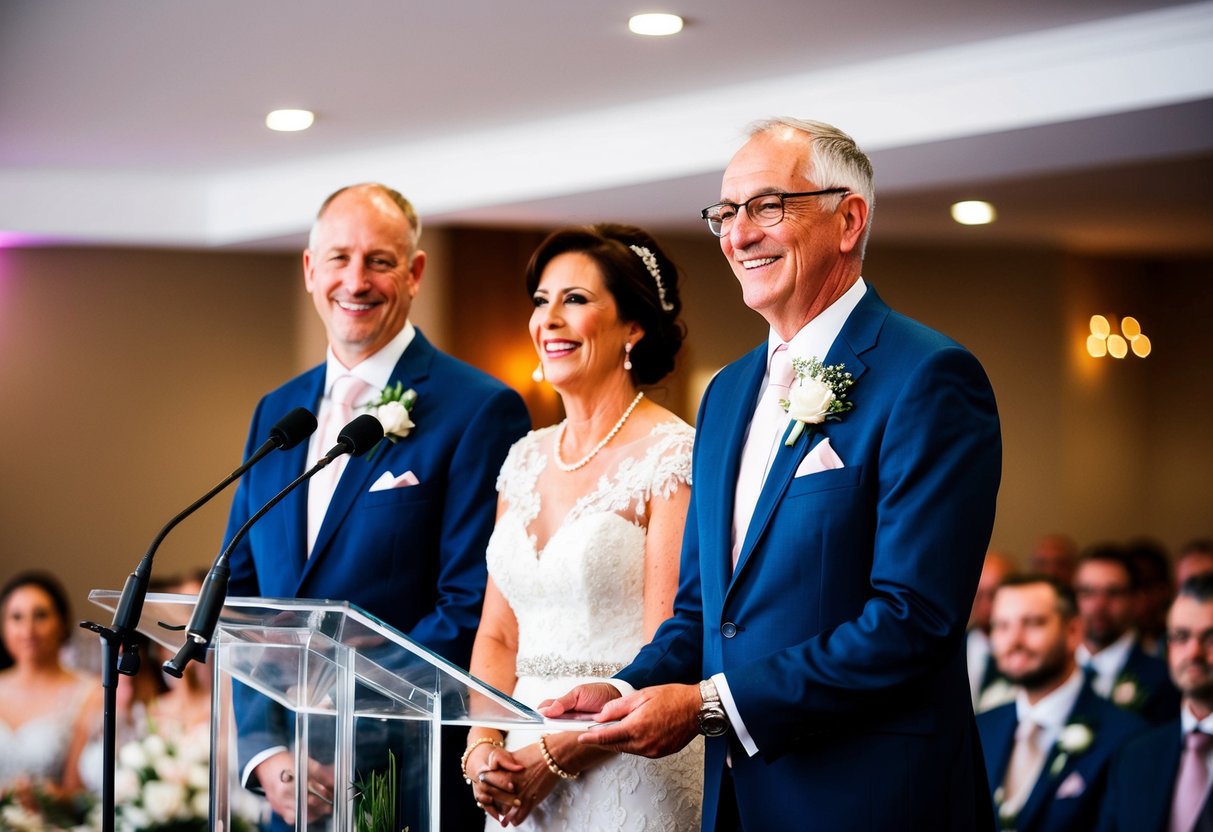
When thinking about speeches at a wedding, you may wonder if the groom’s parents should take part. Traditions and modern practices both play a role in this decision. Here’s what to consider regarding the groom’s dad, the mother, and honoring the couple.
Father of the Groom’s Perspective
Traditionally, the father of the groom does not always give a speech at a wedding. However, many modern weddings allow him to have a moment on the mic. If he does speak, it often occurs after the bride’s parents.
His speech might include personal stories about the groom and compliments to the bride. He can also express pride in his son and share a heartfelt wish for their future. Keeping the tone light, while also meaningful, is key.
The speech should ideally last about three to six minutes. This offers enough time to engage guests without losing their attention. You can find examples of various approaches to make this speech memorable and enjoyable.
Mother of the Groom’s Perspective
The mother of the groom may also choose to give a speech or a toast. This can be a touching moment, as she can share her feelings and experiences raising her son. It’s an opportunity for her to welcome the bride into the family.
Often, she will speak after the father of the bride and before the best man. Like the father, she should keep her message heartfelt yet concise. She might add humor about her son’s quirks or anecdotes that showcase their bond.
Make sure her speech is around two to four minutes long to keep everyone engaged. This ensures that her warm wishes resonate well with the crowd.
Honoring the Newlyweds
Both parents should focus on honoring the newlyweds during their speeches. Sharing how proud they are of their children and expressing joy for their union is essential.
Including personal stories about the couple can enhance the emotional impact of the speeches. You might even involve some special memories that highlight their journey together.
Encouraging a warm and loving atmosphere can make a big difference. It helps set the tone for the celebration and reminds everyone why they are gathered. Ultimately, these speeches can create lasting memories for both the couple and the guests.
Creating a Memorable Wedding Toast

Making a memorable wedding toast is all about connecting with the couple and the guests. A heartfelt speech can bring joy and laughter to the wedding reception. Here’s how to craft and deliver a meaningful toast.
Crafting the Speech
Start by reflecting on your relationship with the groom and the couple. Include personal stories that highlight their love and character. This personal touch makes your speech unique.
Consider using a light-hearted tone with humor. Share a funny yet appropriate anecdote about the groom. Remember to keep it respectful and positive.
Structure your toast clearly. Begin with a warm greeting, followed by your stories. End with a heartfelt message or best wishes for their future. Aim for about 2-3 minutes; this is long enough to convey your feelings but not too lengthy to lose attention.
Delivering with Emotion
When it’s time to deliver your toast, approach the moment with confidence. Smile and make eye contact with the audience. This connection helps engage everyone listening.
Practice your speech several times before the wedding. Knowing your content well will help ease your nerves. If you feel anxious, take a deep breath and speak slowly.
Infuse your delivery with emotion. Let your genuine feelings show as you speak about the couple. Good delivery can turn a simple toast into a memorable moment that resonates with everyone present.
After the Speech: Contributing Beyond the Wedding
Speaking at the wedding is just one way the groom’s parents can show their support. The contributions can extend beyond the celebration and into the couple’s new life together. Supporting them in their journey can make a significant difference.
Continued Support for the Couple
Your role doesn’t end with the wedding day. After the speech, continuing your support is essential for your new daughter and son-in-law. Connecting regularly helps strengthen family bonds.
Offer to help with any post-wedding tasks, such as planning a brunch or gathering to celebrate. Check in on their honeymoon plans, and show interest in their experiences.
Make sure they know you’re there for them after they obtain their marriage license. Whether it’s advice or just being a listening ear, your ongoing support shows you care.
Participation in Future Events
Engaging in future events can make a big impact. Planning family gatherings, holidays, or special occasions helps build connections.
You might want to invite the couple to dinner or host a celebration for anniversaries. This creates an opportunity for bonding while making cherished memories.
Encourage them to include you in their life events, such as housewarmings or milestone birthdays.
Being involved in these moments shows your commitment to their happiness. Your participation reinforces the family unit and supports your new relationship, which is crucial in their marriage journey.