
Do Groom’s Parents Speak at the Wedding? Understanding Their Role in the Ceremony
When planning a wedding, you might wonder about the roles of both families. The groom’s parents typically do speak at the wedding, often following the parents of the bride during the speeches. This tradition helps to honor both families as you celebrate your special day, creating a warm and inclusive atmosphere.
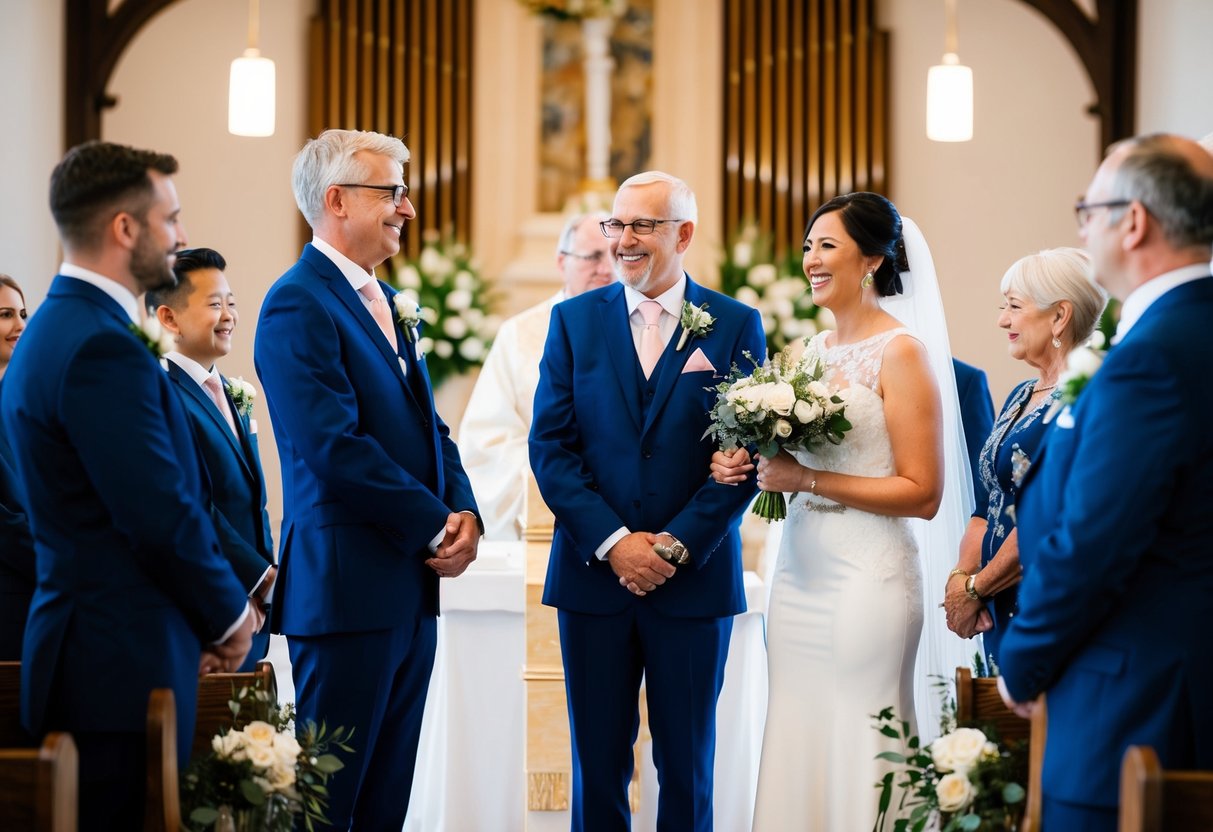
As the big day approaches, it’s essential to consider who will give speeches during the ceremony. Traditionally, the groom’s parents have the chance to share their thoughts and wishes during this significant moment. This not only highlights their support for you and your partner but also helps to make the event even more memorable for everyone involved.
Including the groom’s parents in the speeches adds depth to the wedding ceremony. Their unique perspectives and heartfelt sentiments can help strengthen the bond between both families and create lasting memories. Remember, every wedding is unique, and you can always tailor the speech lineup to fit your own vision!
Roles and Responsibilities of the Groom’s Parents
As the parents of the groom, you have several important roles leading up to and on the wedding day. Understanding these responsibilities can help you support your son and future daughter-in-law in their special time.
Pre-Wedding Events
Before the big day, you are often involved in events like the engagement party and rehearsal dinner. Planning these occasions allows you to celebrate the couple while getting to know the bride’s family.
The engagement party is typically informal and may include friends and close family. You can help coordinate the guest list and offer your home or another venue for the gathering.
The rehearsal dinner is another event where your involvement matters. The groom’s parents generally organize this dinner, which usually takes place after the rehearsal of the ceremony. This is a great opportunity to welcome everyone involved in the wedding and share your thoughts with the couple.
Wedding Planning Support
Your support during wedding planning can ease some of the couple’s stress. You might help create the wedding registry. Discuss gift ideas with the couple and guide them to items they would truly enjoy.
Additionally, being involved in coordinating with vendors can be very helpful. You could assist in researching photographers, florists, or caterers. This way, you can share insights based on your experience while also considering the couple’s tastes.
Moreover, it is essential to discuss dress etiquette with the mother of the groom. Choosing appropriate attire ensures that everyone feels comfortable and proud during the ceremony.
Financial Contributions
The financial contributions of the groom’s parents can vary widely. Traditionally, you may be responsible for certain wedding expenses. This could include costs related to the rehearsal dinner, a portion of the wedding budget, or even the rings.
It’s important to have clear communication about the financial responsibilities you are willing to take on. Creating a budget with the couple helps everyone stay on the same page while managing the overall expenses.
Being involved ensures that the couple starts their new life together without overwhelming financial burdens. Your support plays a key role in making their wedding experience special and memorable.
Speaking at the Wedding: Traditional and Modern Expectations
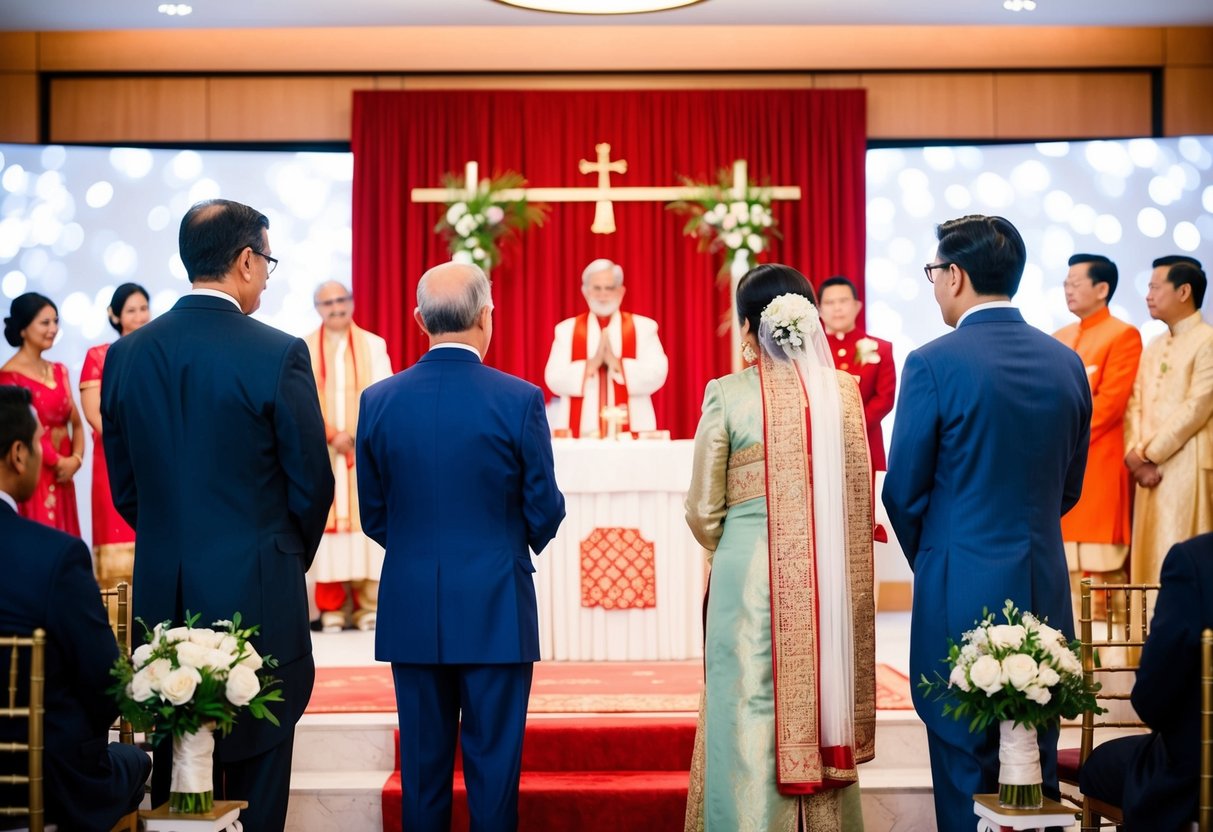
When it comes to weddings, the question of who speaks can vary greatly. Traditional practices often set clear expectations, while modern weddings introduce some flexibility. Understanding these aspects can help you navigate your own or a loved one’s wedding day.
Who Traditionally Speaks?
In traditional weddings, the order of speeches typically begins with the father of the bride. Next, the groom usually gives a speech. After him, the best man often shares some words. While these roles are common, the groom’s parents sometimes have a chance to speak as well, especially at events like the rehearsal dinner. This is where the parents of the groom can express their joy and offer thanks to guests for attending.
Variations in Modern Weddings
With many couples choosing to personalize their weddings, the speaking order can change. In some modern ceremonies, both sets of parents might participate in the speeches. This means the groom’s parents could share their thoughts at the reception too. You may also find that the groom’s mother gives a speech, particularly at the rehearsal dinner, as it gives her a special opportunity to welcome guests and celebrate the couple.
Mother of the Groom’s Role
The mother of the groom often plays a vital role during the wedding events. Traditionally, she might not speak at the wedding itself but is expected to host the rehearsal dinner. If she does choose to give a speech, it’s typically heartfelt. It may include personal anecdotes about her son, his relationship with the bride, and her wishes for their future. This speech can add a personal touch and set a warm tone for the celebration.
In any case, it’s important to communicate with all parents involved to determine their comfort level and willingness to speak.
Crafting the Perfect Speech
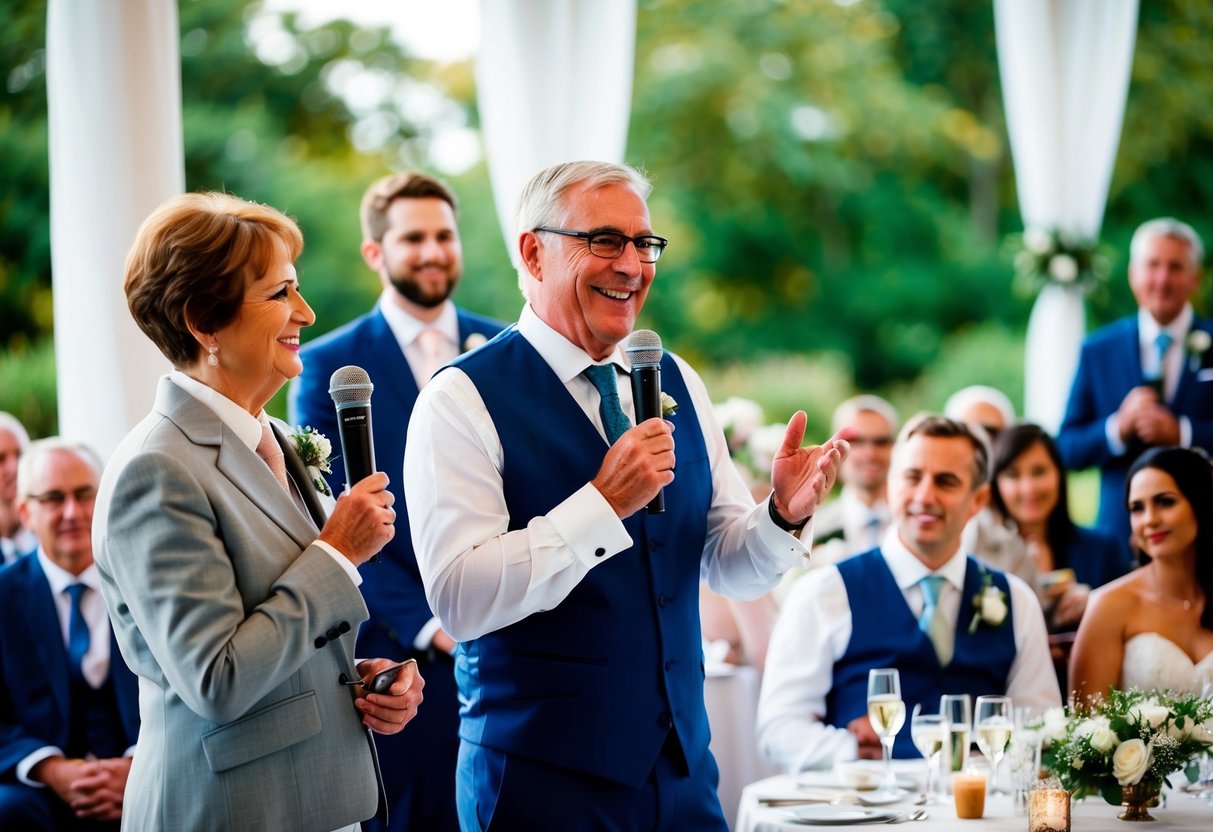
Creating a speech for your child’s wedding is both exciting and important. Your words can leave a lasting impression. Focusing on a clear message, adding a touch of humor, and practicing your delivery will ensure your speech is well-received.
Creating a Memorable Message
Start by outlining your main points before writing your speech. Share your pride in your son and highlight his special qualities. You can mention cherished memories, like his childhood or achievements, which bring a personal touch.
Include heartfelt wishes for the couple’s future together. End with a warm sentiment about welcoming the bride into your family. This message should resonate with everyone and set a positive tone. Keeping it concise helps maintain the audience’s attention.
Incorporating Humor and Sentiment
A great wedding toast often blends humor with sentiment. Consider light-hearted jokes or funny moments that illustrate your son’s personality. This could be a sweet story about a childhood mishap or a quirky habit he had.
Balance laughter with warmth, showing your love and affection for both the groom and the bride. Personal anecdotes can add depth and connect with the audience. Just remember to keep it appropriate for all guests, as you want everyone to enjoy the moment.
Practicing Delivery
Once your speech is written, practice is essential. Read your toast out loud to get comfortable with the flow. Practicing in front of a mirror can help you observe your body language and facial expressions.
You could also rehearse in front of a trusted friend or family member for feedback. Be sure to speak clearly and at a steady pace. On the wedding day, take a deep breath, relax, and enjoy this time to raise a toast to your child’s new beginning.
Navigating the Wedding Celebration as the Groom’s Parents
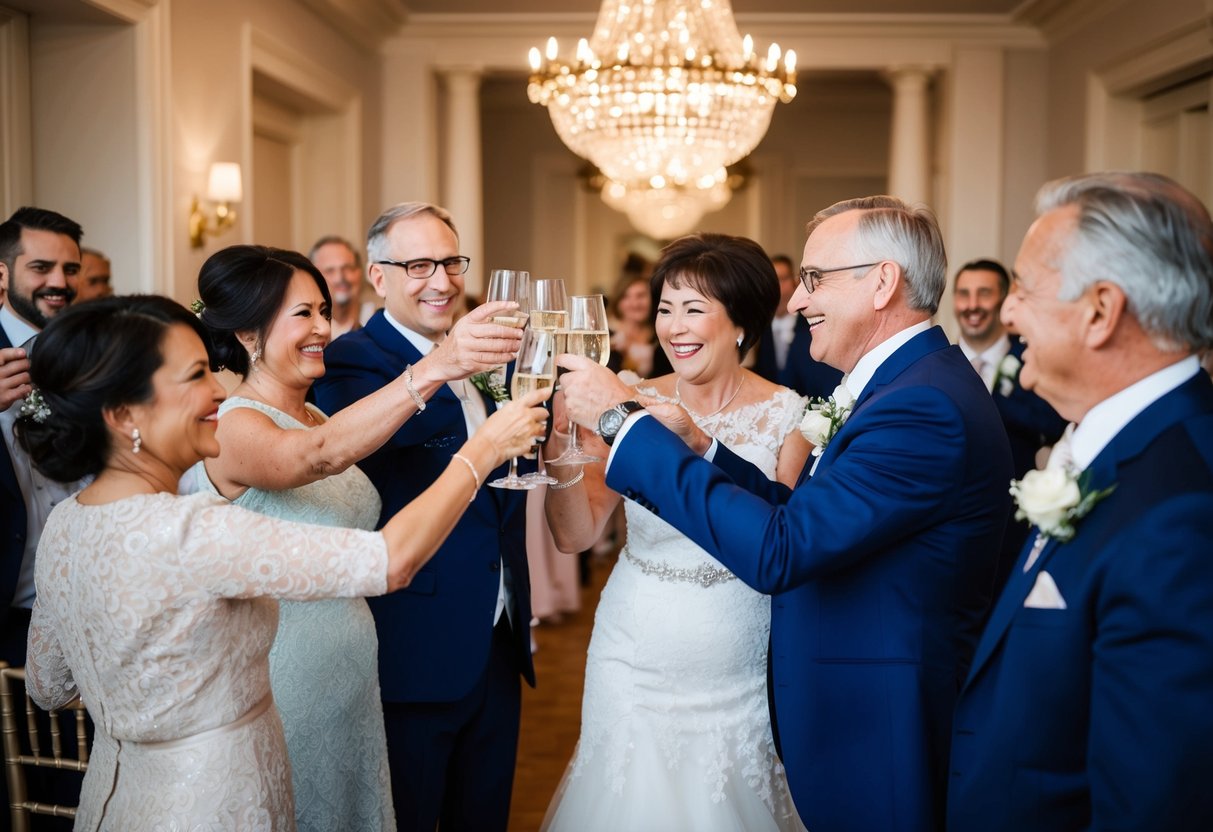
As the groom’s parents, you play an important role in the wedding celebration. From greeting guests to participating in special moments, your involvement can help create a joyful atmosphere throughout the event.
Reception Duties
At the wedding reception, you are often involved in several key activities. One of your main tasks is to welcome guests as they arrive. A simple greeting and a smile go a long way.
You may also have roles in specific events, like making a toast during the rehearsal dinner. This is a great chance to share your thoughts and well wishes for the couple. Make sure your toast is heartfelt but keeps the mood light and joyful!
Interacting with Guests
Interacting with guests is a significant part of your responsibilities. You should aim to mingle and ensure everyone feels included. Move around the reception to chat with friends and family.
If you see guests who may not know others, introduce them to each other. This helps to create a friendly atmosphere. Don’t forget to connect with the couple’s side of the family too. Building these relationships can make the event even more special for everyone involved.
Post-Ceremony Etiquette
After the ceremony, parents of the groom often participate in certain traditions. For example, you can take part in the receiving line if there is one. This is where you greet guests and thank them for coming.
Also, be ready to capture some memorable moments as the couple walks down the aisle. Your emotions can be contagious and help set a loving tone for the day. Remember that your presence and support offer a strong foundation for the couple as they begin their new life together.