
Do Groom’s Parents Walk Down the Aisle Together? Understanding Their Role in the Ceremony
When planning a wedding, you might wonder about the order of who walks down the aisle.
Yes, the groom’s parents can walk down the aisle together. This choice adds a meaningful touch to the ceremony and allows both parents to share the moment as they support their child.
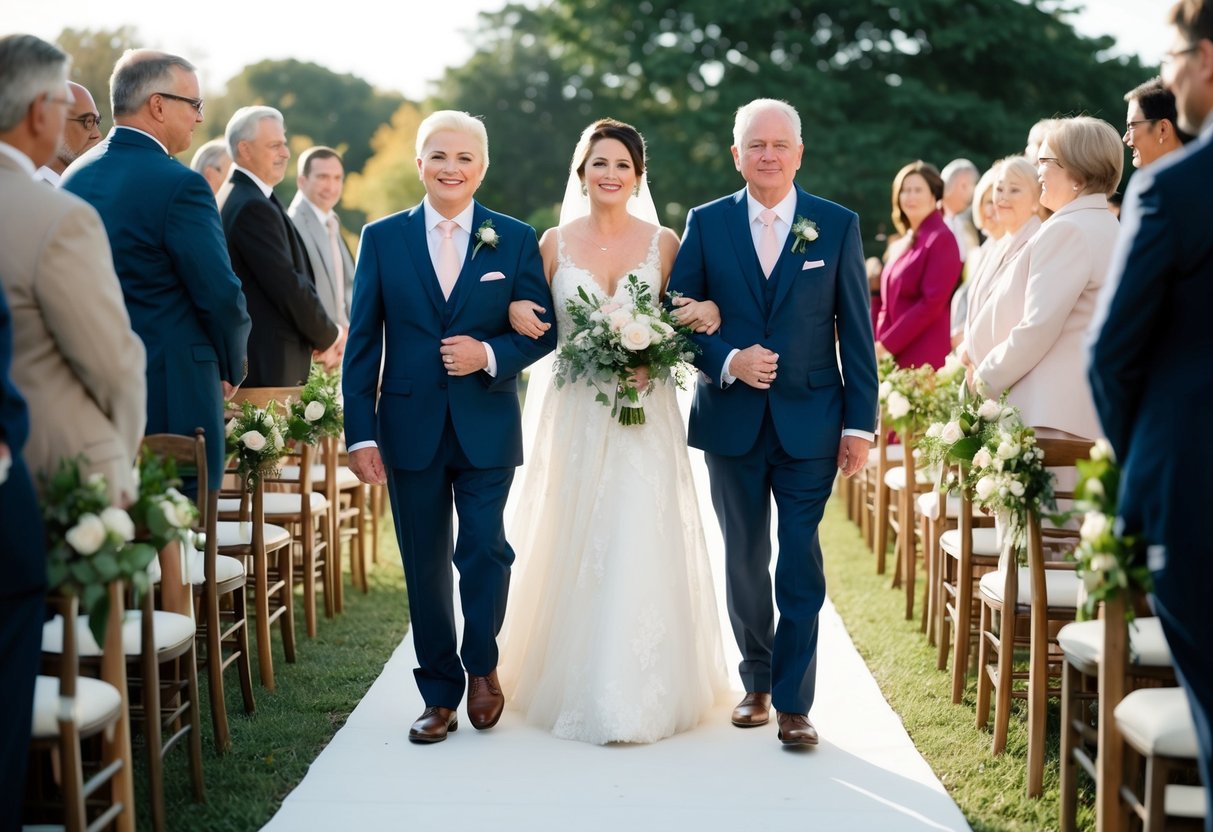
Many couples choose to have the groom’s parents walk together or even alongside the groom himself. This can create a warm atmosphere and highlight the family bond as they enter the ceremony.
Understanding these options can help you decide what feels right for your big day.
As you explore the different variations on this tradition, you’ll find ways to make this moment special for everyone involved. Discover how this simple act can set a positive tone for your wedding ceremony.
Traditions of the Wedding Processional
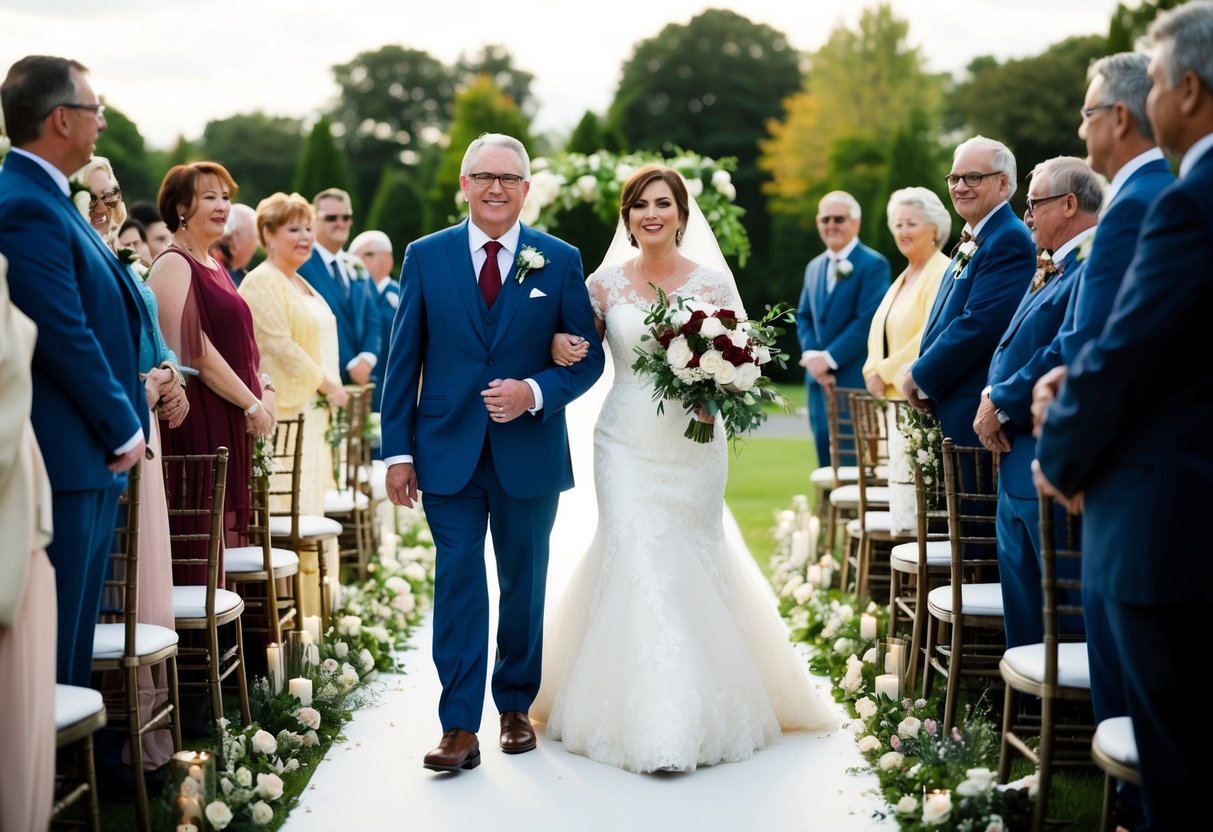
The wedding processional is an important part of the ceremony. It marks the start of the celebration and includes key family members.
In many Western weddings, the groom’s parents often walk down the aisle together. This symbolizes their support for the couple. You will typically see the groom’s parents walking before the mother of the bride.
Different cultures have their own traditions. For example, in a Jewish wedding processional, both sets of parents may walk together, emphasizing family unity. In a Hindu wedding, the groom arrives with a lively procession called the baraat, often featuring music and dancing.
In a Christian wedding, the traditional order starts with the grandparents, followed by the groom’s parents, then the mother of the bride. This order can vary based on personal preferences and family cultural norms.
In a Catholic wedding, the processional might include both parents escorting their children to signify the joining of families. These moments highlight the importance of family support in your marriage.
You may choose to follow these customs or create your own special processional that reflects your relationship. Each tradition adds a meaningful touch to your wedding ceremony.
Roles and Order in the Wedding Processional
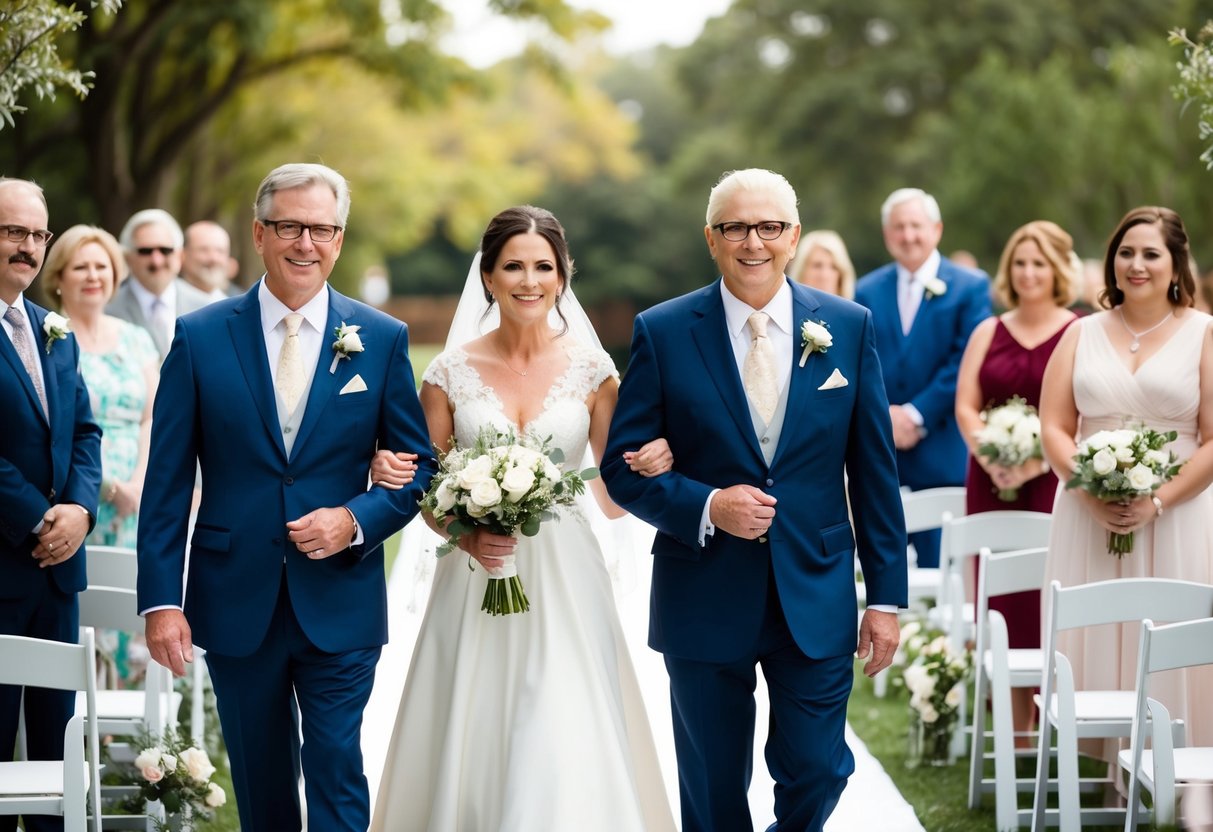
In the wedding processional, each participant has a special role that adds to the ceremony’s significance. Understanding the order can help ensure everything flows smoothly on your big day.
Key Participants
Several key participants walk down the aisle during the wedding processional. First, the ushers help seat guests, which can create a warm atmosphere. Next, grandparents usually enter, marking a respectful nod to family heritage.
After them, the groom’s parents walk down together. This act symbolizes their support for their son. Then, the mother of the bride follows, often escorted by a family member.
The wedding party includes bridesmaids and groomsmen. Traditionally, the bridesmaids enter first, with the maid of honor following last. Additionally, the flower girl and ring bearer can walk together or follow one another, adding a charming touch to the procession.
Order of Entry
The order of entry can vary in different wedding traditions. Here’s a common sequence to consider:
- Ushers: Seat guests and lead them to their spots.
- Grandparents: Honor them by having them walk first.
- Groom’s Parents: They walk together, often arm in arm.
- Mother of the Bride: She may walk alone or with someone.
- Wedding Party: Bridesmaids, then the maid of honor.
- Flower Girl and Ring Bearer: Add a delightful element.
- Bride: Usually the last to walk down the aisle, she is the focal point.
Choosing your order can personalize the ceremony and honor family traditions. Each step in this processional helps set a meaningful tone for your wedding.
Inclusion and Variations in Modern Weddings
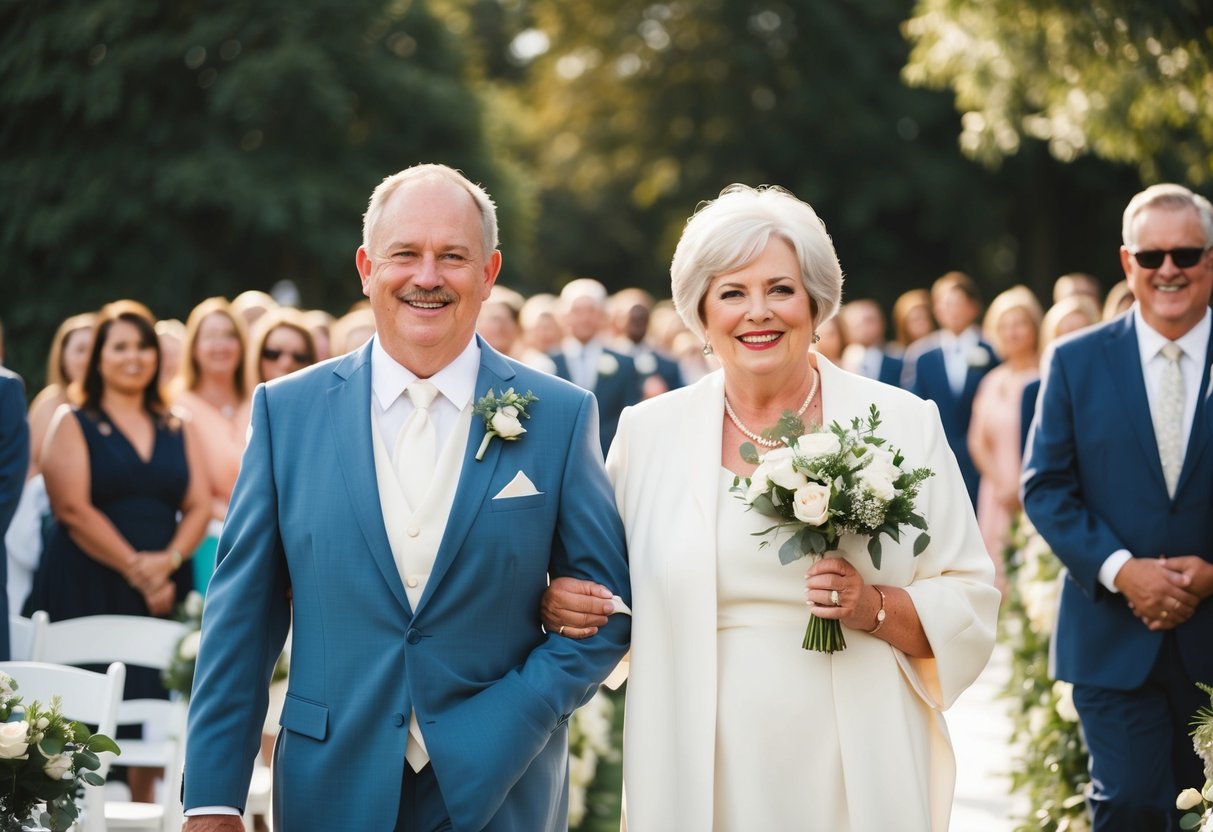
Modern weddings are rich with opportunities for inclusion and personal touches. Many couples now embrace various traditions and preferences that reflect their unique relationships and family backgrounds.
Cultural Diversification
In today’s weddings, cultural traditions play a big role. Couples often blend customs from different backgrounds, making the ceremony meaningful for everyone involved.
For instance, a bride might incorporate elements from her cultural heritage, like an Indian baraat, while the groom might honor his family’s processional traditions.
These adaptations symbolize the joining of two families. They show respect for heritage and create a sense of unity.
Including family candles in the ceremony is another meaningful way to represent family bonds. Each candle might represent parents or important family members, highlighting the importance of support and blessing in the new chapter of life you are embarking on.
Blended Family Dynamics
Blended families are common today, and weddings often reflect this reality.
If you or your partner have divorced parents, it’s important to think about how to include everyone. You might choose to have your mother walk down the aisle with her new partner or stepfather, honoring past relationships while making room for new ones.
Having both the groom’s parents walk together or separately can also be meaningful. It’s a way to show that despite different situations, you value each person’s role in your life. In these cases, a thoughtful guest list can help ensure everyone feels welcomed and important during the ceremony.
Creating a Personal and Meaningful Ceremony
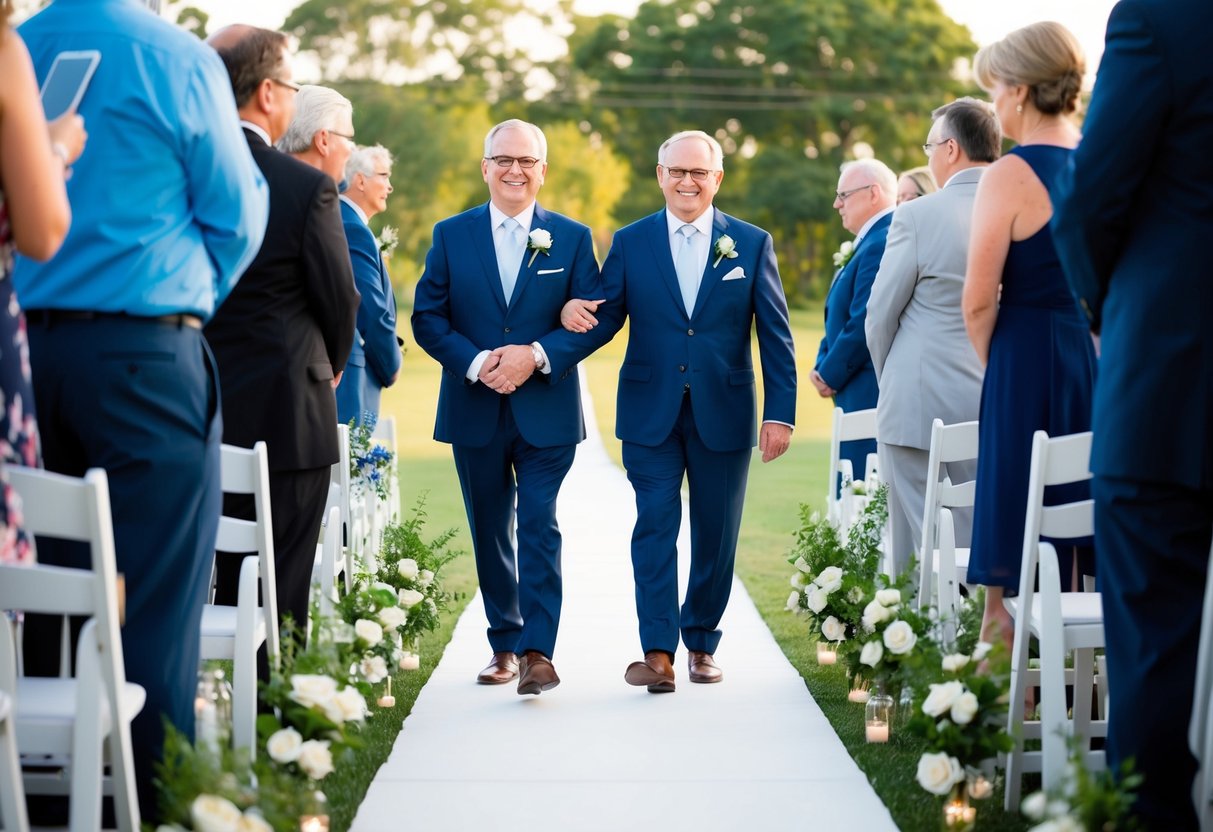
When planning your ceremony, consider your unique preferences. Think about how the groom’s parents fit into your special day. Will they walk down the aisle together? This choice can symbolize the joining of families.
You might want to include both sets of parents in the processional. This can be a significant gesture that honors everyone involved. It adds depth to the celebration.
The roles of your wedding party also matter. You can choose to have the mother of the bride and mother of the groom escort family members or walk alone.
Consider elements like the chuppah or mandap if you’re incorporating cultural traditions. They can enhance the beauty of the ceremony.
Your wedding officiant will guide everyone through the processional order. For example, in a Christian wedding, the order can include a best man, maid of honor, and flower girls.
Think about the prelude music as well. It sets the tone for the day and gets everyone in the mood.
Don’t forget the recessional. This is when you celebrate your new union as a married couple. It can be just as personal as the processional.
Make choices that feel right to you. This is your day, so let it reflect your love story.