
Do Groomsmen Get a Plus 1? Understanding Wedding Guest Etiquette
As you plan your wedding, one question often comes up: do groomsmen get a plus one? In most cases, the groomsmen can bring a plus-one to the wedding. This is usually seen as a way to show appreciation for their support and to ensure they have a companion to enjoy the big day.
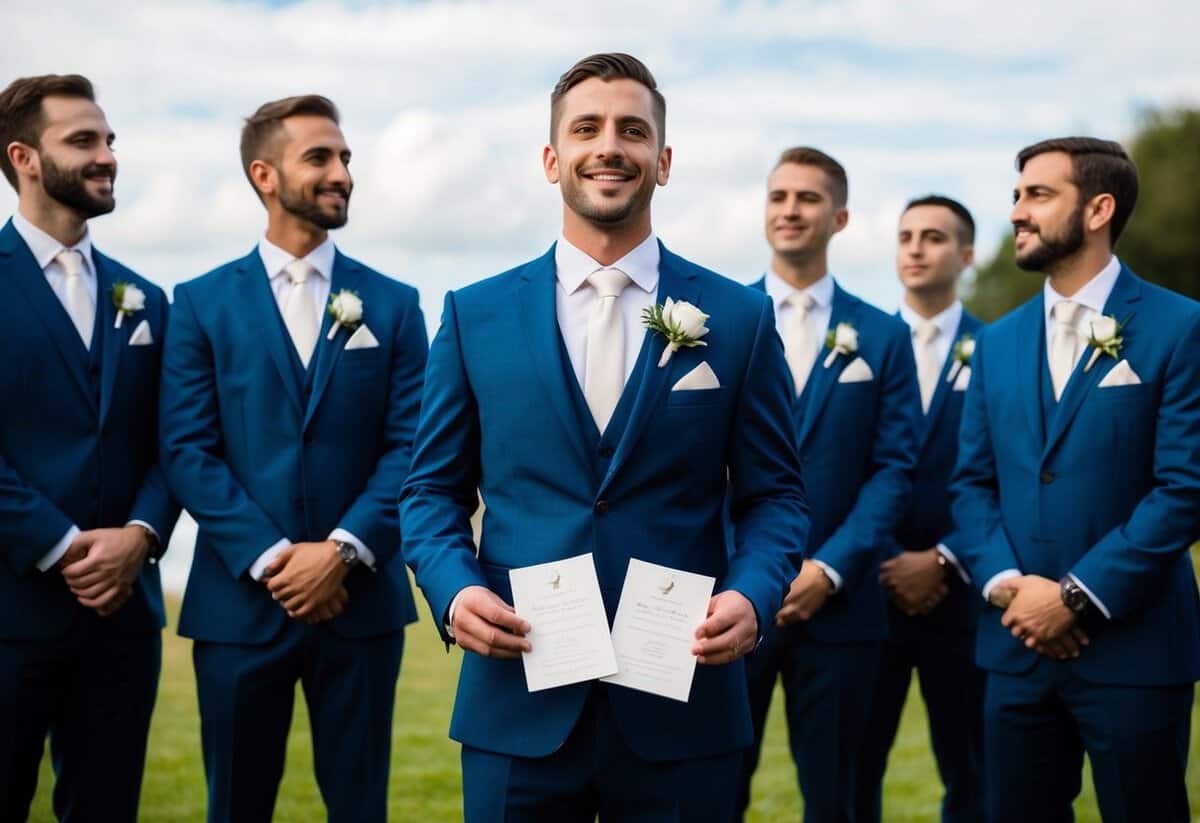
Consider that your groomsmen play an important role in your wedding party. They are there to support you and stand by your side, so inviting them to bring a guest can help them feel more comfortable and included. Remember, weddings can be a mix of different groups of people, and having someone familiar can ease any awkwardness.
Understanding Plus-One Etiquette
When it comes to weddings, knowing who gets a plus-one can be tricky. It’s important to consider various factors, such as relationship status and the guest list. Here’s a breakdown of the basics and how to determine who gets a plus-one.
Basics of Plus-One Invitation
A plus-one is generally offered to guests you want to include but don’t want to limit to just one person. Traditional rules state that married couples and those engaged should always receive a plus-one.
For example:
- Married couples: Must bring their spouse.
- Engaged couples: Get to invite their fiancé(e).
For single guests, it can depend on their relationship status. If you’ve been dating someone seriously, you might expect to bring them along, but it’s not a guarantee.
Always make sure to clarify this in your wedding invitations. Clear language can help prevent any misunderstandings.
Determining Who Gets a Plus-One
The decision for adding plus-ones can depend on your guest list capacity and budget. Weddings can get expensive, and venues often have strict limits on the number of attendees.
Here’s a quick guide to help:
- Long-term relationships: Consider giving a plus-one to someone you’ve been dating for a while.
- New relationships: If someone is dating a new partner, it’s usually fine not to provide a plus-one.
Plus-One Invites for the Wedding Party
When planning your wedding, deciding whether to allow your wedding party members a plus-one is important. This choice can show appreciation for their support and ensure they enjoy the celebration with someone special.
Groomsmen and Plus-Ones
Groomsmen play a big role in your wedding, supporting you along the way. Giving each groomsman a plus-one can show gratitude for their efforts. It makes the experience enjoyable for them, as they can share the day with a friend or partner.
When considering who gets a plus-one, think about the size of your venue and your budget. If space allows, go ahead and extend that invitation. Your groomsmen will appreciate your thoughtfulness, and it can help them feel more relaxed and included.
Bridesmaids and Guest Invitations
Just like your groomsmen, bridesmaids deserve to have a plus-one. These friends often dedicate time and energy to help with planning and organizing the wedding. Allowing them to bring a date or friend can show how much you value their support.
When sending out invitations, clearly indicate that they can bring a guest. You can use phrases like, “We have reserved a seat for you and a plus-one.” This approach ensures clarity and avoids awkwardness. A well-rounded wedding party helps create a joyful atmosphere.
Serious Relationships Consideration
If a bridesmaid or groomsman is in a serious or committed relationship, it’s best to allow their partner to attend. Logically, they will likely want their significant other by their side.
Including partners in your wedding can make your friends feel more comfortable. If someone is engaged, it’s even more expected that they can bring their fiancé(e). Discussing this during planning can help set clear expectations for your wedding party.
Logistical Considerations for Plus-Ones
When inviting guests and deciding on plus-ones, there are several important logistical matters to think about. You need to consider how many people can fit in your venue, your budget, and how guests will get to and from the event.
Venue Capacity and Guest List Size
Before extending plus-ones, check your venue’s maximum capacity. Each venue has a limit on how many guests can attend safely. If your guest list is already large, adding plus-ones might push you over that limit.
Things to think about:
- Calculate the current guest list: List all invitees and their relationship to you.
- Determine how many plus-ones you can allow: Consider how many people are single or in relationships.
It’s important to balance your desire for a lively atmosphere with the need to follow venue rules.
Budget and Wedding Planning
Your budget plays a key role in whether you can provide plus-ones. Every extra guest adds to costs, including food, drinks, and even seating.
Consider these financial factors:
- Food Costs: Each additional guest increases catering bills.
- Open Bar Costs: More guests mean a higher alcohol expenditure.
- Seating Arrangements: More tables may be necessary, creating additional costs.
Plan carefully to see if your budget can handle extra invitees while still allowing you to enjoy the wedding day without financial stress.
Accommodations and Transportation for Guests
If you allow plus-ones, you should think about lodging and transportation. This is especially important if your wedding is in a different city or area.
Key points to address:
- Lodging Options: Look for hotels near the venue that can accommodate extra guests.
- Transportation Arrangements: Consider if you will provide shuttles for guests from their accommodations to the venue.
Communicating Plus-One Policies
Clear communication about plus-one policies helps set expectations for your guests. You want everyone to feel included and informed about how many people they can bring to your celebration. Proper wording on invitations and your wedding website is essential for this.
Invitation Wording and Clarity
The wording on your invitations can significantly influence how guests understand your plus-one policy. If you want to allow your groomsmen a plus-one, make it clear on the invitation.
For example, use phrases like “You are invited with one guest” or “Bring a plus-one.” This clarity helps eliminate confusion.
If you’re not offering a plus-one, be precise too. You might say, “You are invited” without adding “plus guest.” Ensuring your invitation reflects your wishes avoids uncomfortable conversations later.
Managing Expectations on Wedding Website
Your wedding website is a key resource where guests can find all the details about your big day. Make sure to include your plus-one policy here, especially if it’s different from the invitation.
A section dedicated to RSVP information can be very useful. You can create a list format, such as:
- Groomsmen: Yes, please bring a plus-one.
- Other Guests: Check your invitation for details.
This method keeps everything organized and easy to understand. It also gives everyone the opportunity to ask questions, helping to manage expectations.
Responding to RSVPs and Inquiries
When guests respond to your RSVP, make it a priority to clarify any questions about plus-ones. If someone asks if they can bring a friend, be direct and friendly in your reply.
If you’re allowing some guests a plus-one and not others, you must explain the reasoning. You might say, “We’re excited to celebrate with you! Groomsmen can bring a plus-one, but we’re keeping the guest list tight for others.”
Clear responses foster good communication. They also ensure all your guests feel valued and included throughout the planning process.