
Do Groomsmen Walk Down the Aisle Alone? Exploring Traditional Wedding Roles
When planning a wedding, many details come to mind, and the processional order is one of them. You may wonder whether groomsmen walk down the aisle alone or paired with bridesmaids. Typically, groomsmen walk down the aisle individually or in pairs, depending on the couple’s preference and the size of the wedding party.
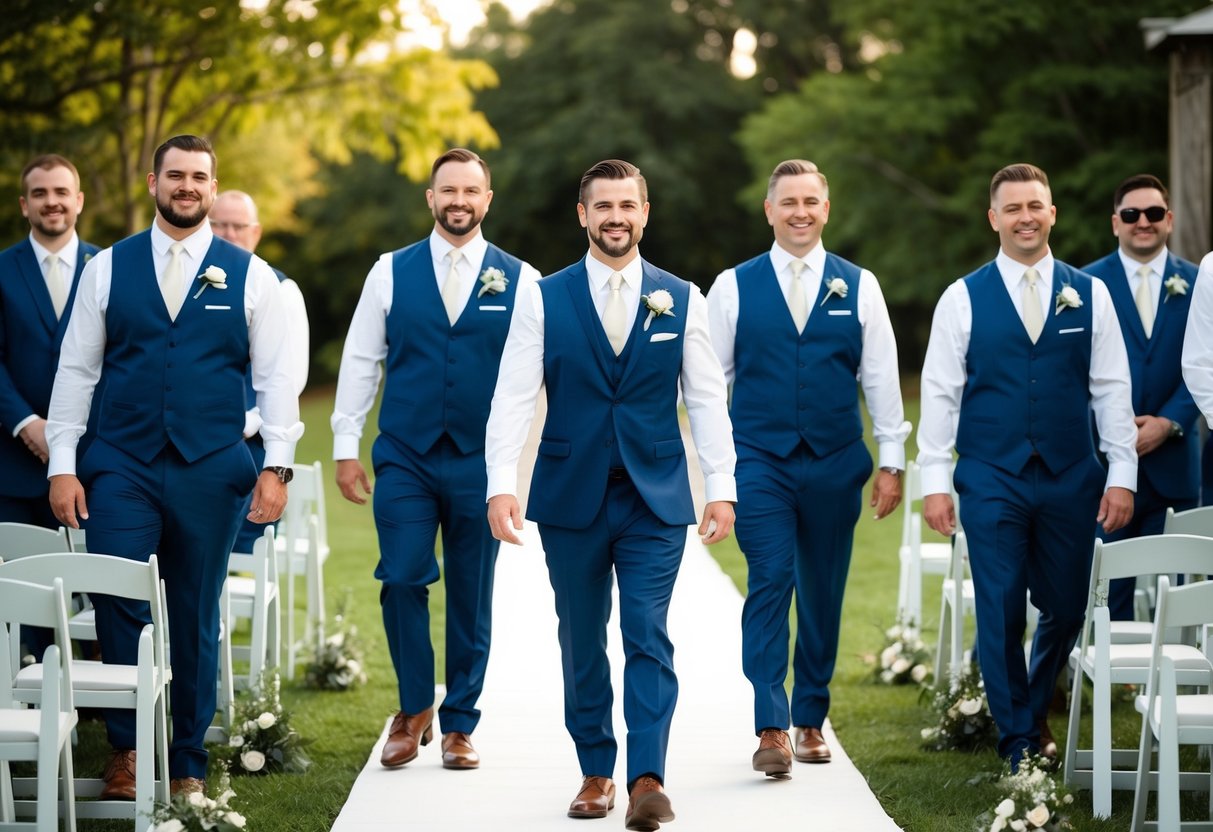
This aspect of the wedding can vary based on tradition or personal style. Some couples choose to have groomsmen enter solo after the groom, while others prefer them to walk down with bridesmaids in pairs. Understanding these options can help make your ceremony feel more personal and organized.
Deciding how your groomsmen will walk can set the tone for your ceremony. If you’re keen to learn more about how to make this part of your special day memorable, keep reading for more insights and tips!
The Role of Groomsmen in Weddings
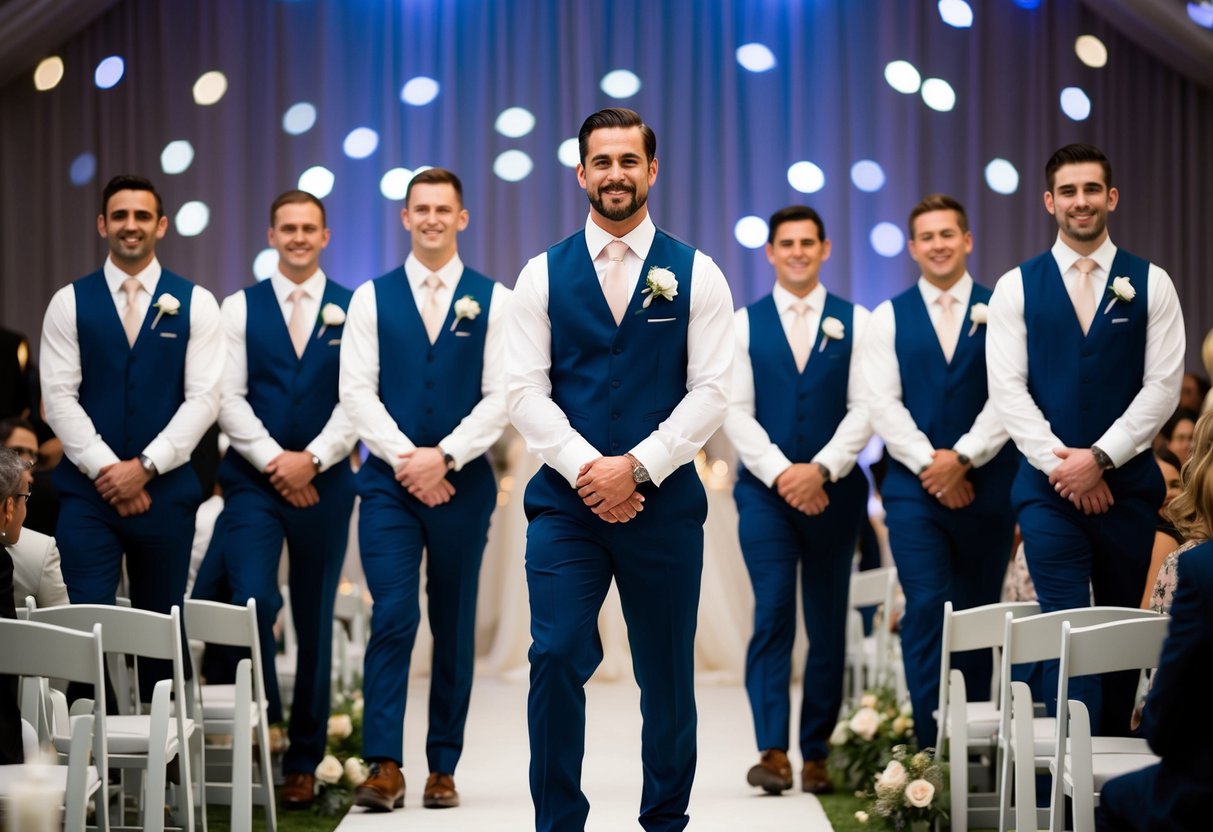
The groomsmen hold a special place in the wedding party. They provide support to the groom in many ways, helping make the day smoother and more enjoyable.
Significance of Groomsmen
Groomsmen are more than just friends of the groom. They play a key role in the wedding day. Their presence signifies camaraderie and support. Each groomsman adds joy to the day, standing by the groom during the ceremony.
During the grand entrance, groomsmen often walk down the aisle, setting the stage for the bride’s entrance. This moment is usually part of the procession, where everyone acknowledges the importance of the occasion. Groomsmen can also help keep spirits high and ensure the groom is calm and relaxed.
Duties Before the Ceremony
Before the ceremony, groomsmen have several important responsibilities. They help with planning, including coordinating attire and attending pre-wedding events like the bachelor party. As a groomsman, you should be available to lend a hand whenever the groom needs it.
On the day of the wedding, groomsmen assist with logistics. This may include helping the groom get dressed or organizing the wedding party. If a problem arises, they are there to manage the situation. Their role is vital in ensuring the groom and wedding run smoothly, allowing everyone to enjoy the celebration.
Traditional Wedding Processional Orders
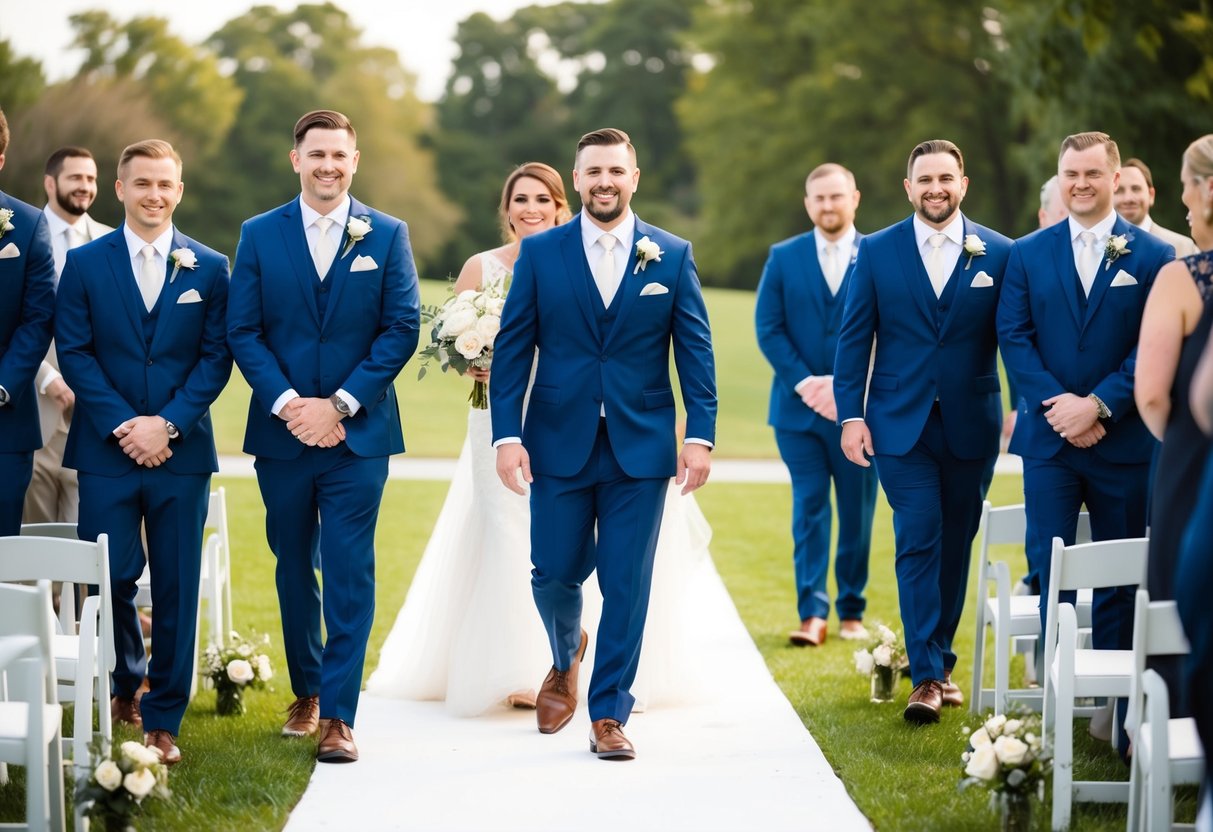
When planning a wedding, understanding traditional processional orders helps set the tone for the ceremony. Each culture has its own unique customs for how the wedding party walks down the aisle. Here are key details about the processional orders in Christian, Jewish, and Hindu weddings.
Christian Wedding Traditions
In a Christian wedding, the processional often follows a specific order. Typically, the ceremony begins with the groom and his groomsmen walking down the aisle. They may walk in pairs or individually, often escorting the bridesmaids as they enter after the groomsmen.
Next, the mother of the bride is seated, followed by the bride’s entrance, where she walks with her father or another significant figure. The chuppah or altar is the final destination, symbolizing the start of the marriage. This traditional order creates an emotional atmosphere as family and friends witness the union.
Jewish Wedding Traditions
Jewish weddings also have distinct processional orders, often starting with family members walking down the aisle. This could include the groom’s parents, followed by the bride’s parents. The groom typically walks in alone or is escorted by both parents.
Following the family, the groom stands under the chuppah, representing a sacred space for the couple. Once he is in place, the bride walks down the aisle, usually accompanied by her parents. This processional highlights the importance of family in the ceremony and sets a loving tone for the vows.
Hindu Wedding Traditions
In Hindu weddings, the processional order is unique and vibrant. The event often begins with the baraat, where the groom arrives with his family and friends, dancing to lively music. This festive atmosphere is an important part of the celebration.
Once the baraat concludes, the groom proceeds to the mandap, a decorated structure for the ceremony. The bride is then escorted by her family to meet the groom at the mandap. This traditional order celebrates the couple’s journey, reflecting the rich culture and unity that the marriage represents.
Navigating the Aisle: Groomsmen and Bridesmaids
Understanding how groomsmen and bridesmaids walk down the aisle can help you make the best choices for your wedding. There are common practices and many personal preferences that can influence the flow of your wedding ceremony.
Walking Down the Aisle: Common Practices
Traditionally, groomsmen usually walk down the aisle before the bridesmaids. The best man is often the last to enter, following the groom. Groomsmen can walk solo or in pairs with bridesmaids. This setup creates a balanced look.
Typically, the bridesmaids follow, entering one by one, with the maid or matron of honor coming last. This allows for a graceful entrance, highlighting each attendant. Often, the flower girl and ring bearer walk ahead of the bridal party, adding a charming touch to the ceremony.
Variations by Personal Preference and Cultural Norms
Your wedding is personal, and you can choose how your attendants walk down the aisle. Some couples prefer a paired entrance, where groomsmen and bridesmaids walk together. This creates a unified look and can enhance the atmosphere.
Cultural traditions also play a role. In some cultures, family members, like parents and grandparents, may walk down the aisle first. Discussing your preferences with a wedding planner can help you design a processional that reflects your style and traditions, making the day even more meaningful.
The Wedding Ceremony and Its Music
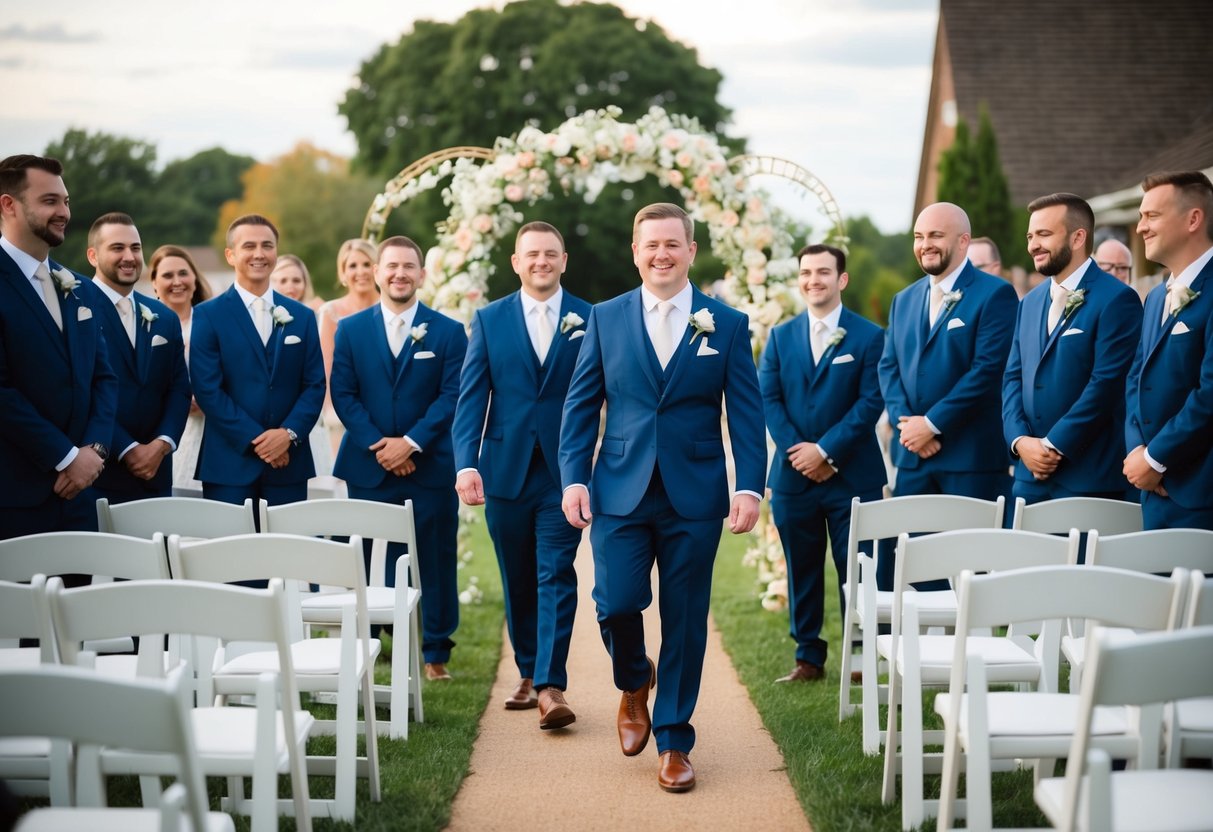
Music plays an important role in any wedding ceremony. It sets the mood for special moments, like when the bridal party walks down the aisle or when you say your vows. Choosing the right processional music is key to making those moments memorable.
Selecting Processional Music
When you choose your processional music, consider how each song complements the emotion of the moment. A popular choice is “Canon in D,” known for its beautiful melody. Alternatively, you might opt for the classic “Wedding March,” which brings a sense of tradition.
Think about the different parts of the ceremony. For the entrance, you want something uplifting for the bride and her father. Meanwhile, soft, romantic tunes may suit the bride and groom. Remember that featuring a special song from your relationship can add a personal touch.
If you have a unity ceremony, select music that reflects its significance. Also, don’t forget the recessional; an upbeat song can create a joyful atmosphere as you and your bridal party exit together.