
Do Guests Give Money at Weddings? Gift Etiquette Explained
You can give money at a wedding, and cash is a welcome wedding gift for many couples. Wedding guests may give cash, a check, a gift card, or a registry item, with the amount guided by generosity, your relationship with the couple, and your budget.
Cash helps newlyweds pay for a honeymoon, home expenses, savings, or a purchase they have not added to their registry. A thoughtful card makes the gift feel personal, while a registry item offers the comfort of choosing something the couple requested.
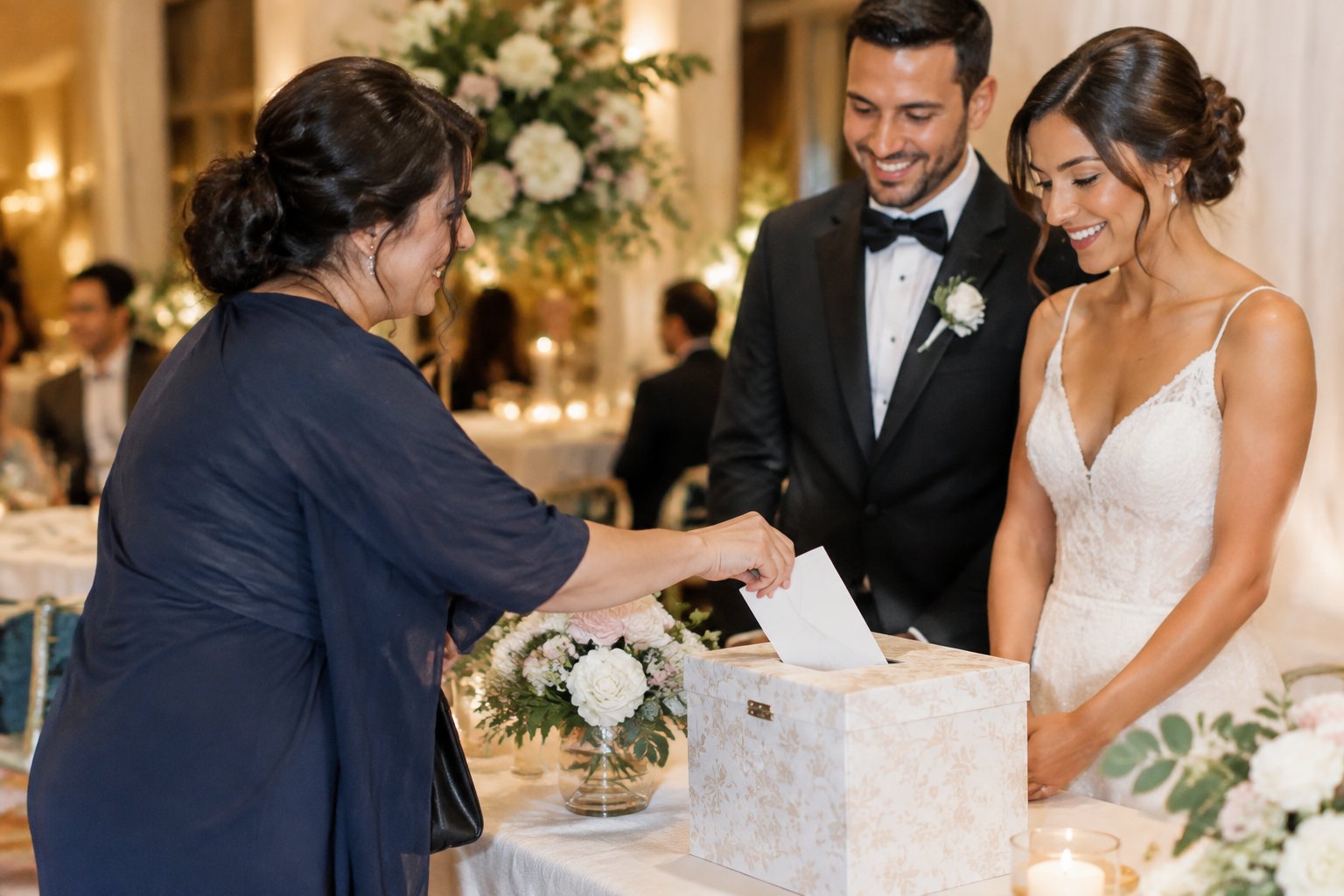
You do not need to match the reception cost or stretch your finances to meet an imagined standard. Choose an amount you can afford and give it with warm wishes. If you want more guidance for your specific situation, browse this advice on how much money to give as a wedding gift.
When Money Is an Appropriate Wedding Gift
Money is an appropriate wedding gift when the couple welcomes cash, lists a cash fund, or gives you no registry preference. Your gift should reflect wedding etiquette, your connection to the couple, and what you can comfortably afford.

Is Cash Expected at a Wedding?
Cash is not required at a wedding, and the couple should not treat gifts as an admission fee. Many couples appreciate money because it gives them freedom to support a honeymoon, a home project, or another shared goal.
Check the invitation, wedding website, and registry for clues. A cash fund or honeymoon fund makes the couple’s preference clear. If the couple says, “Your presence is our present,” a card with kind wishes is enough unless you want to add a gift.
Cash, Checks, and Gift Cards
You have several practical choices:
- Cash: Place bills inside a sealed card and use the reception card box if one is available.
- Check: Write the check to one partner using the name they use for banking. A check creates a record and is easy to mail.
- Gift card: Pick a retailer, restaurant, travel company, or home store that suits the couple’s interests.
- Digital payment: Use a cash fund or payment method the couple has shared on its wedding website.
A gift card works well when you know where the couple shops. A cash fund feels personal when it connects to a named goal, such as a honeymoon dinner or new furniture.
Why You Do Not Need to Cover Your Plate
Your wedding gift does not need to cover the cost of your meal, drinks, or seat. The couple invited you to celebrate with them, and you cannot know their private catering costs.
Use your relationship with the couple and your financial situation to set the amount. A close friend may receive a larger gift than a coworker, while a guest facing high travel costs may choose a smaller one.
How Much Should You Spend on a Wedding Gift?
A common wedding gift amount in the United States falls near $100 to $150, while your relationship with the couple and your financial situation can move the number higher or lower.
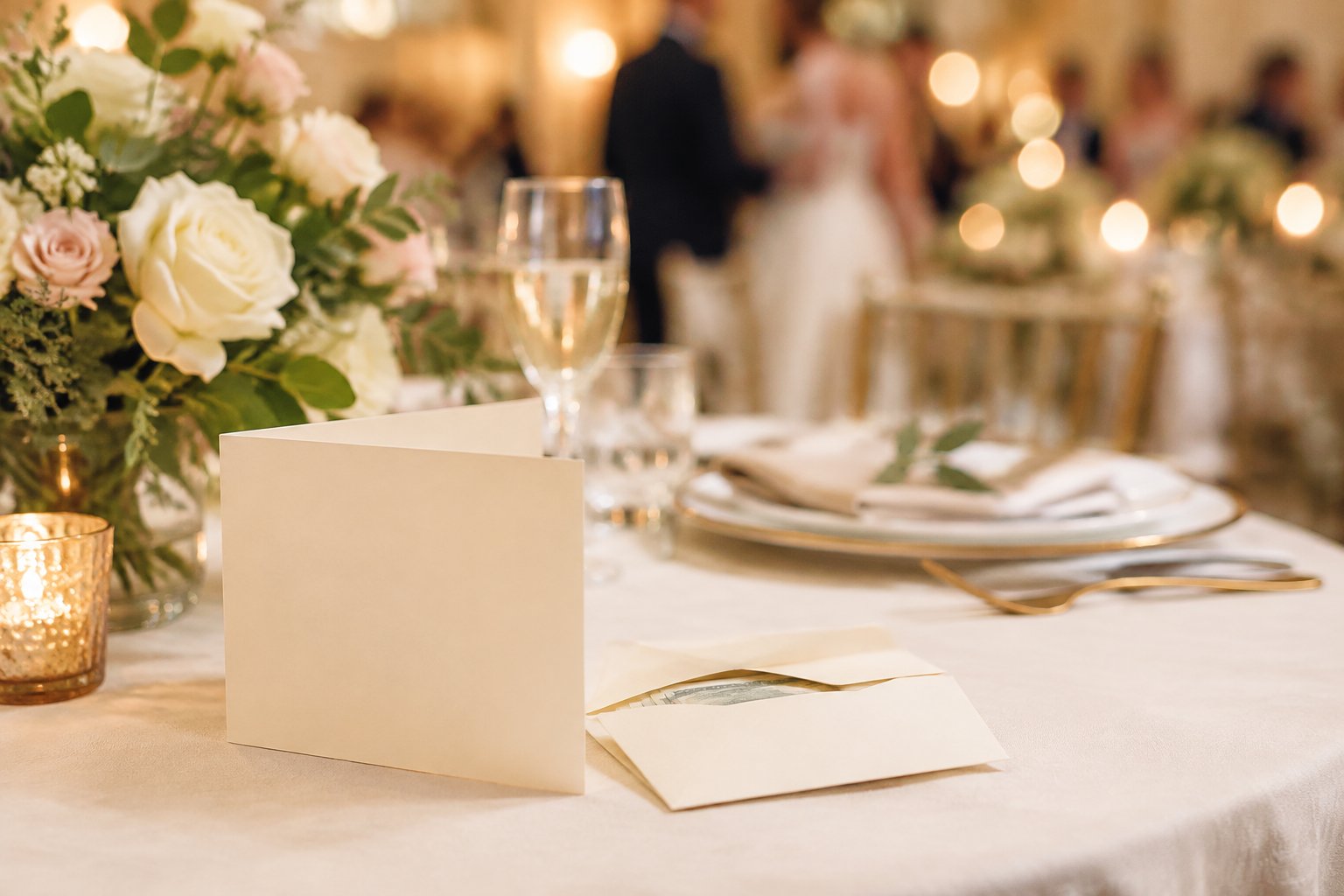
The Knot has reported an average near $150, while Zola’s 2026 data places the average around $130. Treat these figures as reference points, not required minimums. A suitable gift fits your budget without creating debt.
Average Wedding Gift Amounts in 2026
Use these ranges as flexible U.S. examples:
| Relationship | Suggested amount |
|---|---|
| Coworker or acquaintance | $50 to $100 |
| Friend or distant relative | $100 to $150 |
| Close friend or extended family | $150 to $250 |
| Immediate family or wedding-party member | $200 to $500 or more |
An average wedding gift gives you a starting point, though no survey can determine the right amount for every guest. A $75 gift from a coworker can be generous, while a sibling may choose more because of a closer family bond.
Choose an Amount Based on Your Relationship to the Couple
Your relationship gives you the clearest guide. A close friend, sibling, or member of the wedding party may choose the upper end of a comfortable range. A new coworker, neighbor, or distant acquaintance can select a modest gift.
Consider how often you see the couple, how close you feel, and whether you share a long history. Give one household gift when you attend with a partner, then adjust the amount to fit two guests.
Let Your Financial Situation Set the Limit
Your financial situation sets the firm limit for an appropriate wedding gift amount. Pay for essentials, debt payments, travel, clothing, and lodging before choosing a gift.
A smaller cash gift with a warm card has more grace than an expensive gift that leaves you short on rent. If your budget is tight, choose a registry item at an accessible price or join a group gift.
How Plus-Ones, Travel, and Wedding-Party Costs Affect Your Budget
Travel, hotel rooms, formal clothing, showers, bachelor or bachelorette events, and wedding-party expenses all count in your celebration budget. You can reduce the gift amount when those costs take up a large share of your spending.
A plus-one can give one joint gift with you. Destination travel may justify a modest gift, especially when flights and lodging are costly. If you are in the wedding party, add your attire and event costs before deciding what remains comfortable.
Should You Give Cash or Buy From the Registry?
Choose cash when the couple requests it or lists a cash fund, and choose a registry gift when you want a tangible present selected by the couple. Both options follow modern wedding gift etiquette.
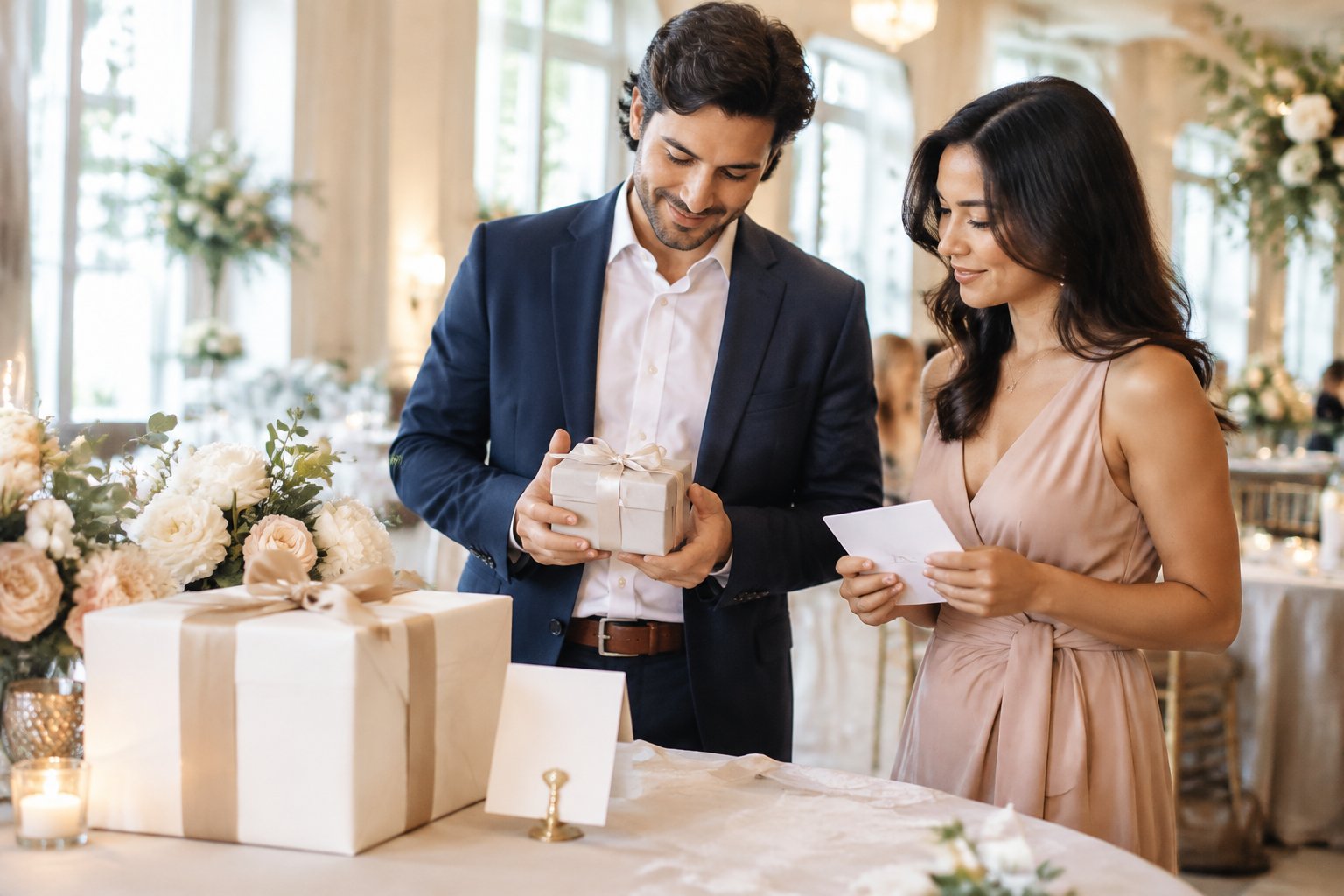
A registry can remove guesswork, while money gives the couple freedom. Their wedding website often shows which choice will feel most useful.
When Registry Gifts Make the Best Choice
Registry gifts work well when the couple has listed items across several price points. You can select something they chose for their home, kitchen, travel plans, or future needs.
Shop early if you want more choices. Ship a physical gift to the couple’s home when the registry provides that option, which keeps the wedding venue free of bulky packages.
Cash Funds and Honeymoon Funds
A cash fund turns money into a clear purpose. You might contribute to a honeymoon fund, a home fund, a date-night experience, or a savings goal.
Read the fund description before contributing. If the couple names a specific experience, add a note that connects your gift to it, such as a dinner, excursion, or hotel stay.
When Off-Registry Gifts Work
An off-registry gift works when you know the couple’s taste, space, and needs well. A family recipe book, handmade item, or meaningful keepsake may suit a couple who values personal gifts.
Include a gift receipt for an item that might need an exchange. Avoid gifts with names, dates, or home colors unless you know the couple has chosen those details.
How Group Gifts Can Stretch a Smaller Budget
A group gift lets several guests contribute toward an expensive registry item or cash fund. Agree on the contribution before collecting money, and choose one person to order the gift and sign the card.
This approach helps you participate in a meaningful present while keeping your own share manageable. It also gives the couple one useful item instead of several smaller gifts they may not need.
How to Give Money Thoughtfully and Securely
Give money inside a card, through the couple’s listed cash fund, or by a properly addressed check. A secure method and a personal message protect the gift while showing care.
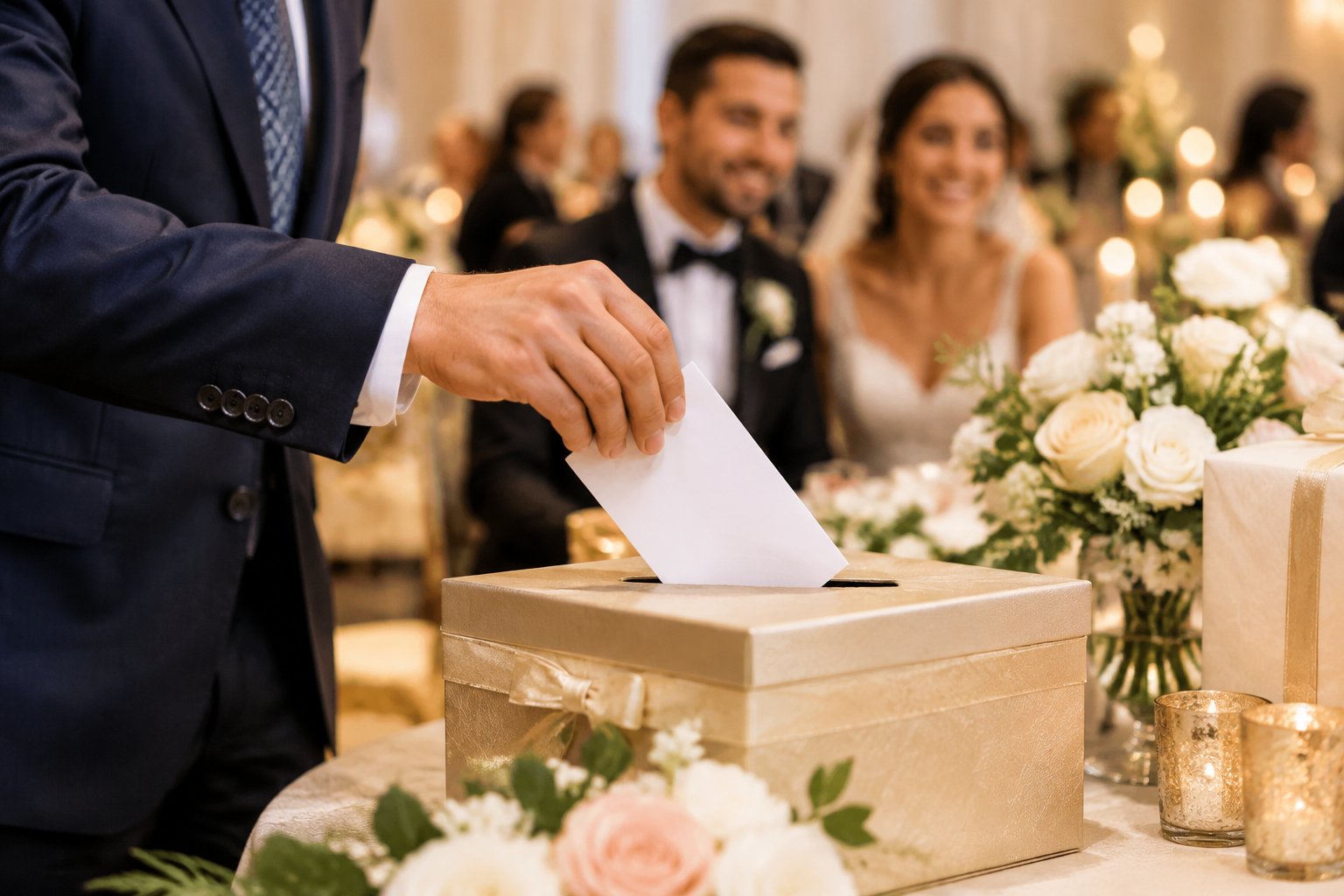
Follow the couple’s instructions for digital gifts, and keep a record when you send money online or by mail.
Add a Heartfelt Card to a Cash Gift
Write the couple’s names, a warm wish, and one personal sentence about their marriage or future. You can mention what you hope the money supports:
Wishing you a lifetime of joy together. We hope this helps create a wonderful memory on your honeymoon.
Seal cash or a check inside the card. Write your name clearly so the couple can connect the gift to you when they open it.
Using Venmo, Zelle, or PayPal
Use Venmo, Zelle, or PayPal only when the couple shares that payment method or provides it through a trusted wedding website. Confirm the username, phone number, or email before sending funds.
Add a note with your names and a wedding message. Save the confirmation screen or receipt, and avoid posting payment details publicly.
How to Write a Wedding Check
Write the check to one partner using the name that person uses for their bank account. If you are unsure, ask a close family member or use the couple’s wedding website for guidance.
Place the check in a card and record the check number before giving it to the couple. Mailing it to their home before the wedding reduces the chance of an envelope being misplaced during the reception.
When to Send or Bring Your Gift
Send a registry item, cash fund contribution, or check before the wedding when possible. A card with cash or a check can go into the reception card box if the venue provides one.
Mailing a gift after the wedding remains acceptable, especially when travel disrupted your plans. Aim to send it within a few months, and include a brief note if the gift arrives later than planned.
Wedding Gift Decisions for Special Situations
Special situations call for a flexible approach to wedding gift etiquette. Let travel costs, your financial situation, cultural traditions, and your relationship to the couple guide the choice.
Respect the couple’s stated wishes first. A clear “no gifts” request, cash fund, or cultural custom gives you useful direction.
What to Give for a Destination Wedding
Travel expenses count when you set your wedding gift budget. Flights, lodging, meals, ground transportation, and extra days away can make a smaller gift appropriate.
A modest cash gift, registry contribution, or heartfelt card can honor the couple without straining your finances. If the invitation says your presence is the gift, accept that request graciously.
What If You Cannot Attend?
Send a gift when you have a close relationship with the couple, even if you decline the invitation. You can scale the amount to reflect the fact that you are not paying for travel, lodging, or wedding clothing.
A registry item, cash fund contribution, or card with a smaller gift works well. For a distant coworker or acquaintance, a warm card may be enough.
Navigating Cultural and Regional Traditions
Wedding gift traditions differ across families, regions, and cultures. Some celebrations center on cash envelopes, while others favor registry gifts, symbolic amounts, or specific colors and numbers.
Ask a trusted family member if you are unfamiliar with the custom. Follow the couple’s instructions, use an appropriate envelope when requested, and choose a gift that honors their tradition without ignoring your budget.