
Do Guests Pay for Hotel Wedding? Understanding Costs and Expectations
When planning a wedding, one common question arises: do guests typically pay for their own hotel rooms when attending your wedding? This aspect can often be overlooked amidst the excitement of choosing the perfect wedding venue and finalizing guest lists.
Understanding the financial expectations can help set the right tone for your celebration.
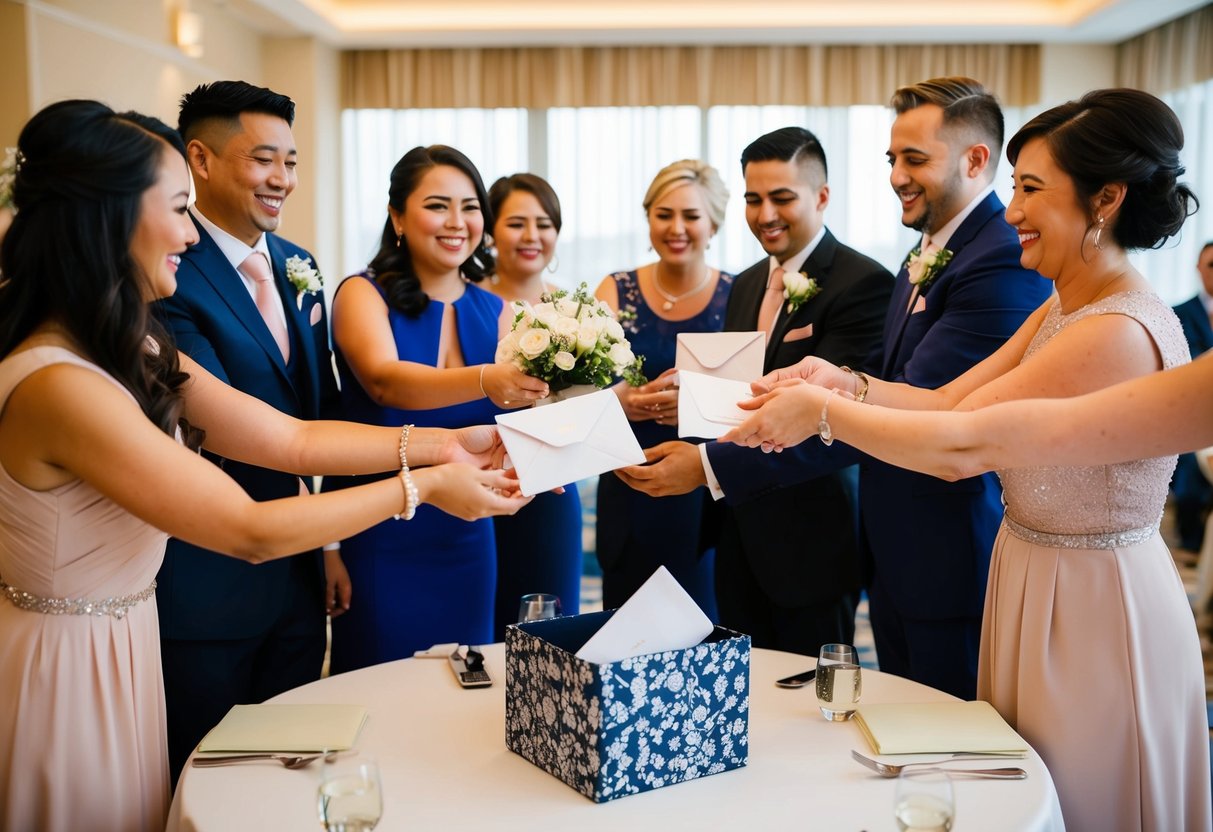
While guests typically cover their accommodations, it’s always nice to consider your guests’ comfort. Many couples choose to arrange hotel blocks at nearby properties to make booking easier for their guests. This thoughtful gesture can enhance the overall wedding experience while keeping costs manageable.
If you’re thinking about how to handle hotel arrangements, don’t hesitate to communicate with your guests. Providing clear information about local options can make a big difference. After all, ensuring your loved ones feel welcomed and informed is part of the joy of your wedding celebration!
Understanding Hotel Wedding Costs for Guests

When attending a wedding, knowing the costs associated with accommodations is essential. This can help you better plan your travel budget and ensure a smooth experience.
Cost Breakdown for Wedding Guests
As a guest, you should expect to pay for your own hotel room. This cost is typically not included in the couple’s wedding budget.
Here’s a simple breakdown:
- Driving Guests: If you live nearby and plan to drive, the average hotel cost is about $190 per night.
- Flying Guests: For those traveling from farther away, hotel costs can reach around $340 per night.
If it’s a destination wedding, costs may vary based on the location. Be sure to check for group rates if the couple has reserved a block of rooms, as this could save you money.
Wedding Party Accommodation Responsibilities
If you are part of the wedding party, your responsibility for accommodations may differ. Typically, members of the wedding party also cover their own hotel stays. However, you might want to consider a few factors:
- Couple’s Offer: Sometimes, couples may offer to cover accommodation for their wedding party as a gesture of appreciation.
- Location Considerations: If the wedding is a destination wedding, the couple may take notes on possible hotel discounts to share with the wedding party.
- Advance Planning: Booking early can help you secure better rates and availability.
Being prepared for these costs can assure you have a memorable time without financial stress.
Navigating Room Blocks and Group Rates

When planning a wedding, securing accommodations for your guests is crucial. Understanding how to navigate room blocks and group rates can help you save money and ensure a smooth stay for everyone.
Securing a Block of Rooms
To begin, contact hotels near your wedding venue to discuss a block of rooms. You typically need to secure at least 10 rooms to qualify for a group rate. Each hotel will have different policies, so ask about their discounted rate for your attendees.
Once you settle on a hotel, you’ll usually sign a contract. This contract will detail the number of rooms, prices, and any special perks. Make sure to confirm the attrition clause, which outlines how many rooms you need to fill. Adjusting your block size later may incur fees, so it’s best to estimate attendance carefully.
Benefits of Group Rates for Weddings
Group rates offer significant savings, often between 15% to 25% lower than standard prices. This can translate to $30 to $50 off per room each night, which is a nice perk for your guests.
Additionally, booking a block of rooms can ensure that your friends and family are close together. You may also receive perks such as complimentary breakfast or parking.
When you secure a room block, it shows your guests that you care about their comfort and experience at your wedding.
Cancellation Policy and Attrition Clause
Understanding the cancellation policy is essential. Many hotels allow cancellations up until a certain date, but you should be aware of any fees involved. Some hotels have a shrinkage clause, which permits you to reduce the number of blocked rooms, though it may come with penalties.
The attrition clause is particularly important. It specifies the minimum number of rooms that must be booked from your block. If you don’t meet this number, you might need to pay a fee. Always read this clause carefully and negotiate terms if needed.
Taking time to navigate these details can help make your wedding planning less stressful and more enjoyable for you and your guests.
Pre-Wedding Planning and Communication
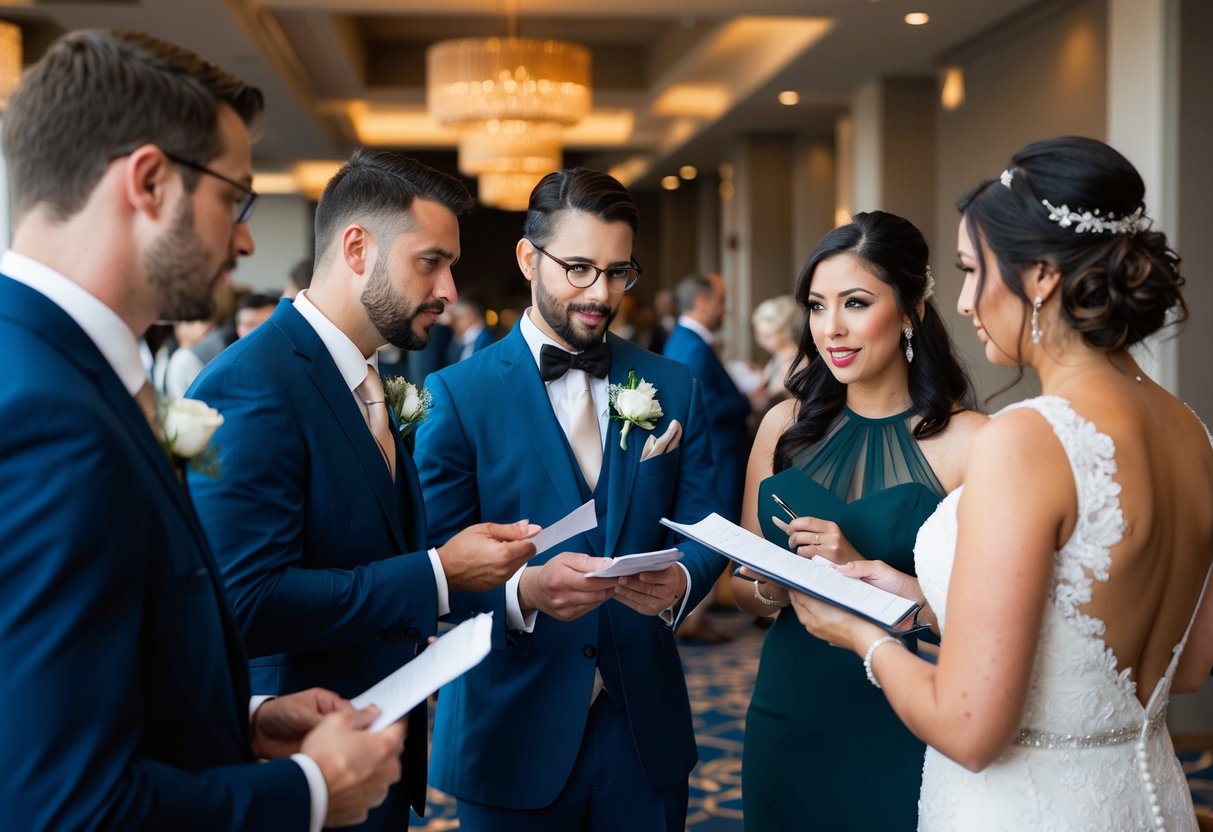
Effective communication and planning are essential for your guests, especially when it comes to travel and accommodations. This will help them understand their responsibilities and feel comfortable attending your wedding.
Creating a Wedding Website
A wedding website is a great way to share important information with your guests. You can include details about the venue, dress code, and day-of schedule. Make sure to add a section for room block information.
Consider adding a FAQs page to address common questions about costs and logistics. This can help ease any concerns your guests might have regarding travel expenses and hotel bookings.
Providing a link for nearby attractions can also be helpful. Guests who are traveling may want to enjoy the area while they are there. A well-organized website keeps everyone informed and excited about the big day.
Sending Out Save-the-Dates and Invitations
Start with save-the-dates to give your guests ample notice. This is especially important for destination weddings, where travel arrangements may take more time. Be clear about the event date and location.
When it’s time for invitations, include all relevant details, such as your wedding website link. This ensures guests know where to find more information about accommodations and logistics. Clearly state that guests should cover their hotel costs.
Also, don’t forget to mention any group rates you’ve arranged at local hotels. This way, your guests can save money while ensuring they are close to your wedding festivities.
Coordinating Travel and Accommodations
Help guests feel at ease by coordinating travel arrangements. Provide information about the nearest airports and transportation options to the venue.
Setting up a room block at a local hotel offers convenience. Guests can easily book accommodations at a discounted rate, making their planning simpler. Mention this in your wedding website and invitations.
Additionally, consider sharing travel tips or local attractions. This can enrich their visit and help them enjoy the time away from home. A thoughtful approach to travel and accommodation details shows how much you care about your guests’ experiences.
Additional Considerations for Wedding Guests

As a wedding guest, there are a few extra factors to keep in mind that can enhance your experience. From small amenities to understanding travel logistics, knowing what to expect can make your time at the wedding enjoyable.
Welcome Bags and Special Touches
Welcome bags are a thoughtful gesture many couples prepare for their guests. These bags often include snacks, drinks, and useful items like maps or itineraries.
They can also provide items specific to the wedding or the local area. For example, including a note with information about local attractions can help guests plan their stay.
Having a welcome bag waiting for you at your hotel makes you feel appreciated and excited for the celebrations ahead. It’s a small touch that turns your arrival into a warm welcome.
Handling Travel Expenses for Guests
Travel expenses can add up, especially for a destination wedding. While guests typically pay for their own accommodations, couples can ease this burden.
Offering a group rate at a local hotel can save guests some money. You might also consider arranging shuttle services for guests between the hotel and the wedding venue.
This can be especially helpful during events like the rehearsal dinner or the night before the wedding. Clear communication about costs and arrangements is key to making travel smoother for everyone involved.
Role of the Wedding Planner in Guest Accommodations
A wedding planner plays an essential role in managing guest accommodations. They often help couples negotiate contracts with hotels and arrange special rates for guests.
Planners can also coordinate transportation options, ensuring guests aren’t left in the dark. They may offer a list of recommended hotels that fit different budgets.
The planner can even assist with welcome bags, making sure they arrive at the hotel before guests check in. With a planner’s help, you can focus on enjoying the wedding while they take care of the details.