
Do Husband and Wife Need Matching Wedding Bands? Exploring the Tradition and Choices
When it comes to wedding bands, many couples wonder if matching rings are a must. The truth is that there are no strict rules about whether husbands and wives need matching wedding bands. It’s all about your personal preference and what feels right for your relationship.
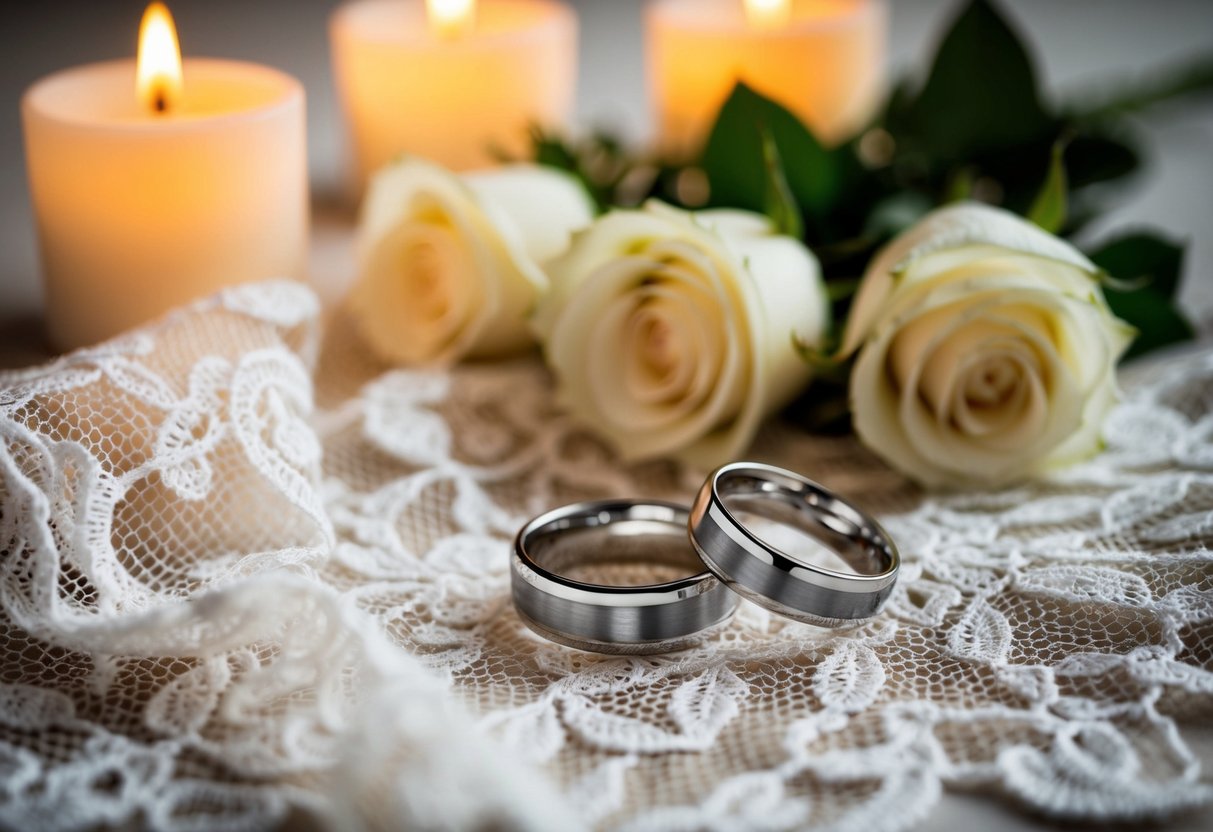
Traditionally, matching wedding bands symbolized unity and commitment, showing the world that you are joined as one. However, more couples today are embracing individuality by choosing unique designs that reflect their distinct styles. Do you lean towards a classic look, or do you prefer something more modern?
Ultimately, the choice is yours. Choosing matching wedding bands can be a sweet reminder of your shared journey, while non-matching bands can celebrate each partner’s identity. As you consider your options, focus on what resonates with both of you!
Understanding Wedding Band Significance
Wedding bands carry deep meanings and reflect traditions that have evolved over time. They symbolize commitment and love, connecting your past and future with your partner. Let’s explore two key aspects of wedding band significance: historical traditions and the belief in the “vein of love.”
Historical Traditions and Meanings
Wedding bands date back thousands of years, with early examples found in ancient Egypt. They were originally made of materials like reeds and leather. Over time, metals like gold became popular due to their durability and beauty.
At its core, the circle of a wedding band symbolizes eternity. It has no beginning or end, representing enduring love and partnership. Many cultures believe that the left hand’s ring finger, where the band is typically worn, has a vein leading directly to the heart. This tradition highlights the emotional and romantic connection between couples.
The ‘Vein of Love’ Belief
The idea of the “vein of love” suggests that a special vein runs from the ring finger straight to the heart. This ancient belief enhances the emotional significance of wedding bands. By wearing them on this finger, you are believed to be physically and symbolically connected to your partner’s love.
This connection emphasizes the unique bond you share. It encourages you to cherish the commitment you made on your wedding day. Whether your wedding bands match or not, they still serve as a daily reminder of your love and promise, reflecting your personal connection.
Selecting the Perfect Wedding Bands
Choosing the right wedding bands is a key step in your wedding preparations. You want rings that represent your love while also being comfortable and stylish. Here are some important factors to consider when selecting the perfect wedding bands.
Coordinating with Engagement Rings
When picking wedding bands, think about how they will look with your engagement ring. Some couples prefer a matching look, while others like a more unique style.
- Consider metal types: If your engagement ring is gold, a gold wedding band can complement it well.
- Look at shapes: A curved wedding band can fit nicely against a solitaire engagement ring.
- Think about styles: Choose complementary designs that reflect both you and your partner’s tastes.
Matching your wedding band with your engagement ring can create a cohesive look that enhances both pieces.
Comfort and Wearability Considerations
Comfort is essential when choosing wedding bands since you will wear them daily. Here are some tips to ensure you select comfortable rings:
- Width: Wider bands may be more noticeable but can also feel bulkier. Narrow bands offer a lighter feel.
- Fit: Make sure the bands fit snugly but aren’t too tight. Comfortable rings are less likely to be removed.
- Material: Some materials, like titanium, are lighter than traditional metals, making them easier to wear every day.
Prioritizing comfort helps you enjoy your wedding bands without irritation.
Matching vs. Complementary Styles
Deciding on matching or complementary wedding bands comes down to personal style. Here are key aspects to consider:
- Matching bands: These can symbolize unity and togetherness. They often feature identical designs or metals.
- Non-matching bands: Choosing different designs allows each partner’s personality to shine. Mixing styles can represent individuality within the relationship.
Ultimately, whether you go for matching or complementary styles, the power lies in what feels right for you and your partner.
Matching Bands and Wedding Etiquette
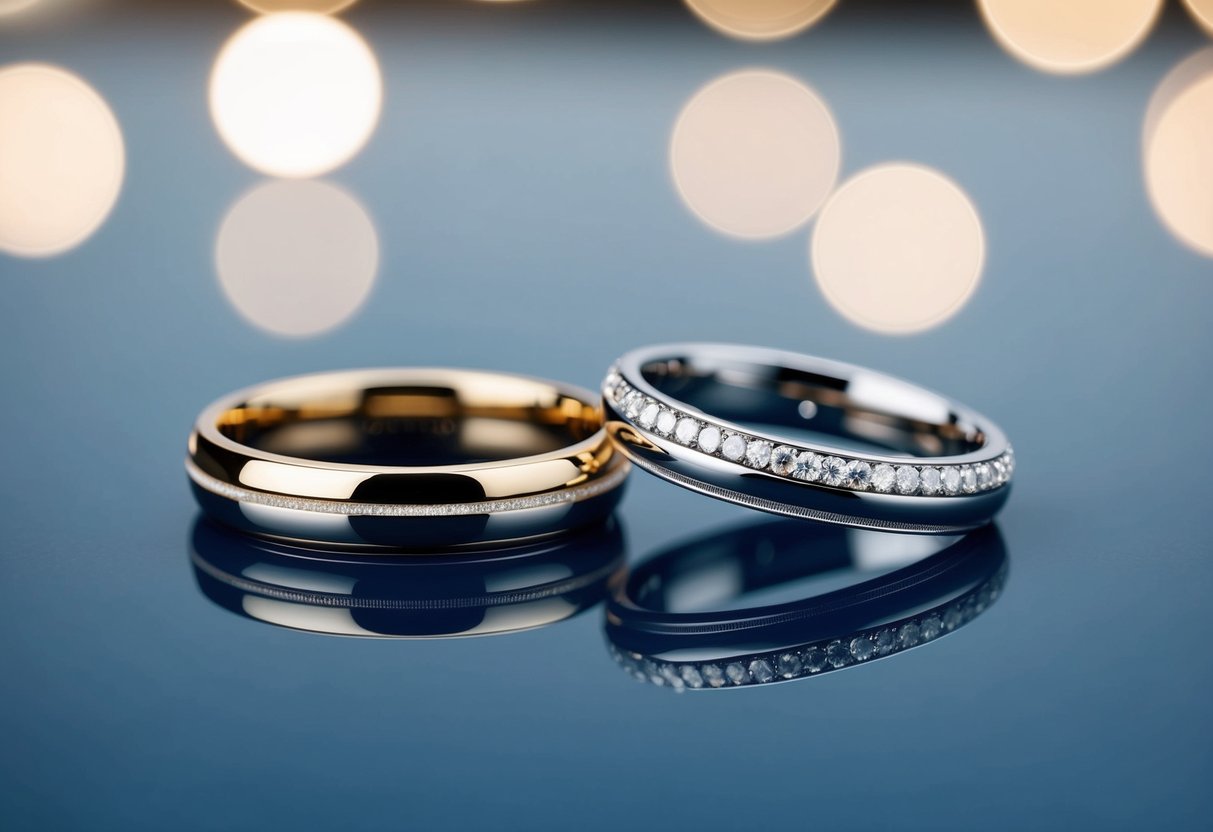
Choosing wedding bands can be a delightful part of your wedding planning. Many couples wonder about the importance of matching rings and what wedding etiquette suggests about this choice. Here’s what you need to know.
Symbolism of Matching Rings
Matching wedding bands often symbolize unity and togetherness. This tradition can reflect your commitment to one another. Identical matches signify that you are embarking on a shared journey, wearing rings that connect you both visually and emotionally.
Some couples prefer rings that match perfectly, while others may choose designs that complement rather than match exactly. It’s important to consider your personal style and how each ring reflects your individuality. This balance allows each of you to express who you are while still representing your bond.
What Wedding Etiquette Suggests
When it comes to wedding etiquette, there are no strict rules regarding matching wedding bands. Traditionally, many couples opted for identical rings, viewing them as a sign of mutual devotion.
Today, it’s perfectly acceptable for couples to select rings based on personal preferences, leaving room for unique designs and styles. You might opt for matching metals but choose different styles. The key is to make sure that your choices resonate with both of you.
Diversity in Design Choices
Choosing wedding bands allows you to express your unique style. You can explore various materials, colors, and features that resonate with you and your partner.
Material and Gem Selection
When selecting materials for wedding bands, consider your lifestyle and preferences. Popular options include platinum, known for its durability, and various types of gold like white, yellow, and rose. Each metal offers a distinct look and feel.
You might prefer a gold band for its classic appeal or want to try platinum for a sleek finish. If you enjoy color, consider bands that incorporate colored gems or unique design elements. White diamonds are also a timeless choice for sparkle.
Having non-matching wedding bands allows you both to select materials that fit your personal styles while symbolizing your love.
Identifying Unique Ring Features
To personalize your wedding bands, think about unique features that reflect your personalities. You can explore options like puzzle rings, which fit together creatively, or bands designed with intricate carvings.
Consider adding design elements such as milgrain edges or channel settings that hold stones. If you and your partner have different tastes, mismatched rings can be a fun way to showcase individuality.
You can also mix metals. For instance, one partner might prefer a white gold band while the other chooses yellow gold. Emphasizing your unique styles in your wedding bands can create a beautiful blend of both yours and your partner’s identities.