
Do I Have to Include a Stamp for RSVP? Understanding Wedding Invitation Etiquette
When planning your wedding, you might wonder about the small details that can make a big difference, like whether to include a stamp for RSVP cards.
Some people consider providing stamps for your guests good etiquette. It makes it easier for them to respond without any extra hassle. This thoughtfulness can really encourage a quicker response and keep your planning on track.
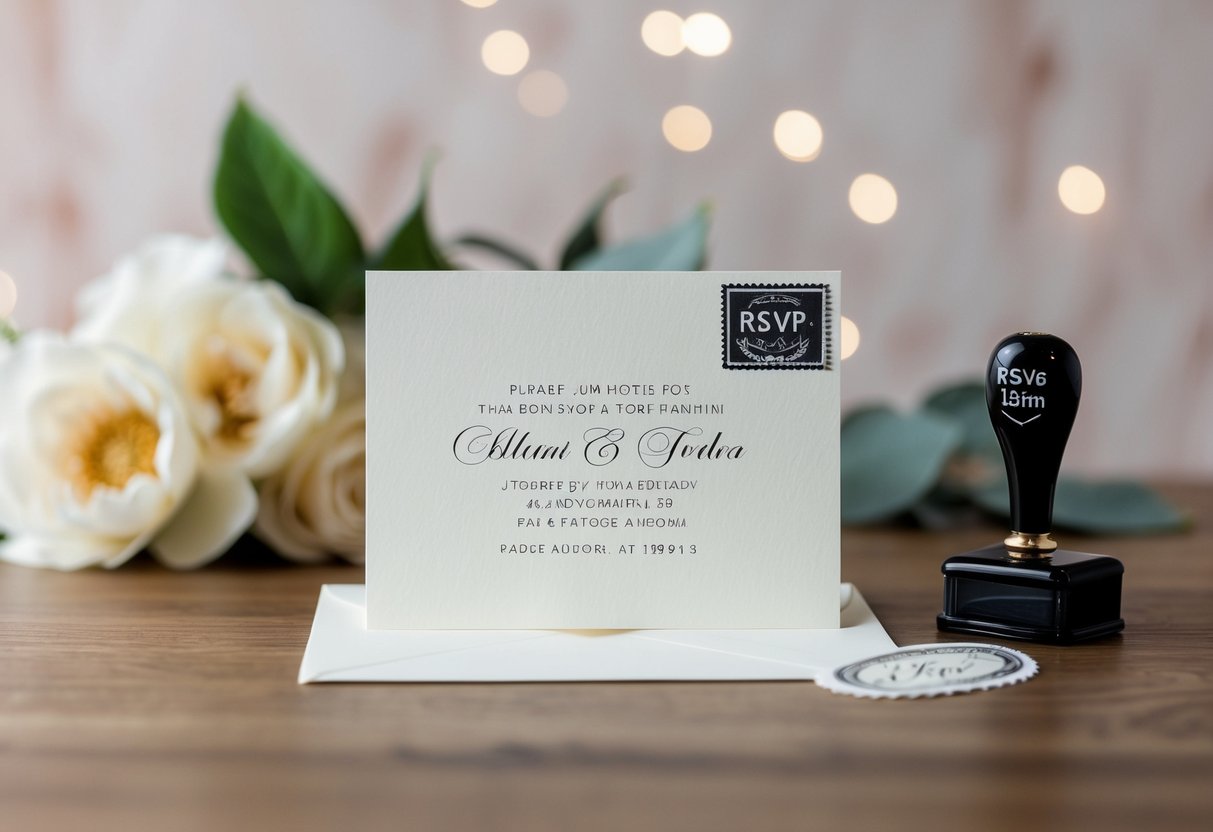
Imagine your guests receiving a beautiful invitation with an easy-to-use RSVP card that’s already ready for mailing. They’ll appreciate the convenience and are less likely to forget about sending it back. Plus, including a stamp adds a nice touch that shows you care about their time and effort.
As you dive deeper into the topic, you’ll discover more about the pros and cons of providing stamps, alternative RSVP methods, and tips for simplifying the process.
Understanding RSVP Cards
RSVP cards are an important part of wedding planning. They help you manage your guest list and ensure you have accurate numbers for your big day. Understanding the different types of RSVP cards can also guide you in making the best choices for your invitations.
The Role of RSVP Cards in Wedding Planning
RSVP cards are essential for knowing who will attend your wedding. When you send out your invitations, including a response card allows guests to easily confirm their attendance. This makes planning much smoother for you.
By collecting responses, you can finalize the guest list. This is crucial for catering, seating arrangements, and overall logistics. A well-planned RSVP process helps reduce stress as your wedding date approaches. Additionally, providing clear instructions on how to respond will encourage prompt replies.
Including stamps on your RSVP cards is often seen as a thoughtful gesture. It makes it easier for guests to send back their response without the hassle of finding their own stamp.
Different Types of RSVP Cards
There are various types of RSVP cards you can choose from. The most common are traditional response cards that come with a prepaid envelope. You can also opt for RSVP postcards, which don’t require envelopes and are more economical.
Another option is digital RSVPs, where guests respond online. This method can make tracking responses easier and is often more convenient for tech-savvy guests. You may also combine options, offering both paper and online responses.
When selecting your RSVP cards, think about your wedding theme and budget. Make sure the style matches your invitations for a cohesive look. Whether you choose cards or postcards, what’s most vital is ensuring that your guests can easily reply.
Postage and Mailing Essentials

When sending out wedding invitations, it’s important to handle your RSVP cards correctly. This includes knowing about postage and the etiquette for RSVP envelopes. Let’s dive into the essential details.
Determining the Correct Postage
You need to choose the right postage for your wedding invitation and RSVP envelopes. The cost of a stamp can vary based on the weight and size of your card. For standard invitations, a first-class stamp usually suffices, which currently costs around $.66.
Make sure to weigh your envelopes before sending them out. If they weigh over one ounce, you may need to pay extra postage. Check with your local post office for any updates on rates or requirements.
It’s also a nice touch to provide postage for the RSVP envelope. This convenience encourages guests to respond quickly without the hassle of finding their own stamp. Guests appreciate being able to send back their responses easily.
RSVP Envelope Etiquette
When it comes to the RSVP envelope, there are a few key points to keep in mind. First, you should always include a return address. This helps ensure that any misdirected mail makes its way back to you.
Next, it’s typically considered good etiquette to affix a postage stamp to the RSVP envelope. This way, your guests won’t have to buy their own stamps to let you know if they can attend. Not only does this show care, but it also makes the process smoother.
When addressing the RSVP envelopes, make sure to clearly write the name of the guest on the front. This helps avoid confusion and ensures that responses are easy to sort by guest when they come back.
RSVP Etiquette and Wording

When planning your wedding, it’s important to know how to handle RSVPs correctly. Proper etiquette ensures that your guests understand what is expected of them. Crafting the right wording on your RSVP cards can also make a big difference in getting timely responses.
Proper Etiquette for RSVPs
Proper etiquette for RSVPs involves a few key practices. First, you should always include a pre-addressed stamped envelope with your RSVP card. This makes it easy for your guests to respond without needing to find a stamp themselves. Many experts, like those at Emmaline Bride, recommend this step as a way to boost your response rate.
Next, make sure to include an RSVP deadline. This helps your guests know when to reply. It’s also helpful to provide multiple ways to RSVP, such as by email or phone. This flexibility can accommodate guests who may prefer these options over traditional mail.
Crafting the Right RSVP Card Wording
When it comes to your RSVP card wording, clarity is key. Start with a friendly prompt, such as “We hope you can join us!” Follow this with a simple question, like “Will you be attending?”
Make your options clear. You might have boxes for “Accepts with pleasure” and “Regrets with regret.” You can also mention any meal choices if applicable. If you’re unsure about wording, consider checking resources from wedding experts to find templates that suit your style.
Remember to keep your tone light and inviting; it sets the mood for the celebration ahead!
Alternative RSVP Methods

If you’re considering how to handle RSVPs for your event, there are several methods beyond traditional cards. These alternatives can simplify the process for you and your guests.
Online RSVP and Digital Alternatives
Many couples find using an online RSVP system convenient. You can set up a dedicated wedding website where guests can easily respond. This method can save time and eliminate the need for stamps.
Additionally, digital RSVPs help you manage responses quickly and accurately. They allow for a better catering estimate and ensure an accurate headcount. Many online platforms also allow you to track who has responded and send reminders to guests.
Choosing this method not only makes it easier for your guests but also helps you save on costs associated with paper and postage. Embracing digital alternatives can streamline your planning and create a more efficient experience for everyone involved.