
Do I Have to Put Mr and Mrs on Wedding Invitations? Understanding Invitation Etiquette
When you’re planning your wedding, every detail matters, and that includes how you address your invitations.
You don’t have to put “Mr.” and “Mrs.” on wedding invitations if you prefer a more modern approach. Many couples are choosing to be more inclusive, reflecting their personal style and the identities of their guests.
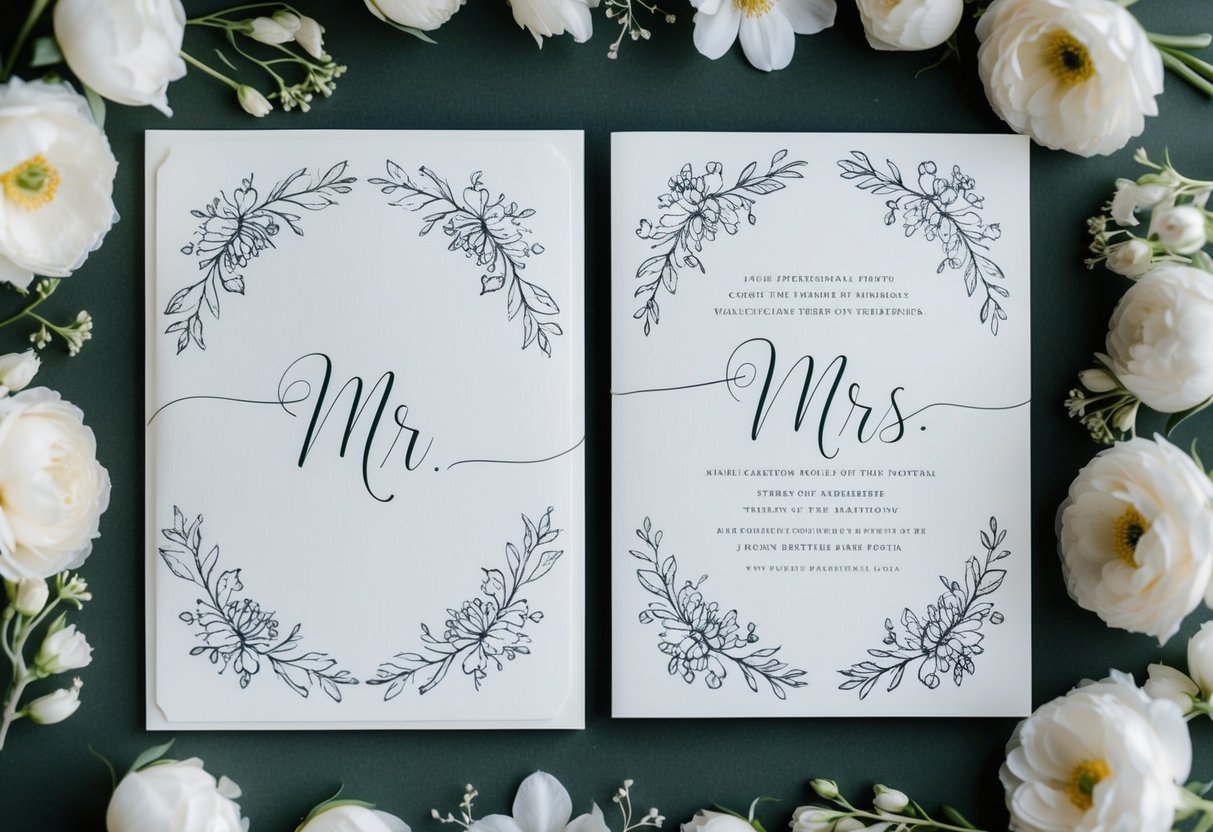
Consider your guest list carefully. Traditional etiquette suggests using titles like “Mr. and Mrs.” for married couples. However, many people now prefer using just first and last names, especially when addressing same-sex couples or those who do not identify with traditional titles. This shift allows for a more relaxed and personalized invitation.
Understanding the elements of wedding invitations can help make your planning easier. Whether you opt for classic or modern styles, the goal is to share your special day with loved ones in a way that feels authentic to you.
Understanding Invitation Etiquette

Addressing invitations correctly is important for setting the right tone for your event. Knowing how to use proper titles and addressing couples can make your invitations feel welcoming and respectful. Here’s what you need to know.
Importance of Proper Titles
Using the right titles on wedding invitations shows respect and thoughtfulness. For married couples, you often see the traditional “Mr. and Mrs.” format. This works when both partners share the same last name.
When addressing unmarried couples, it’s best to use each individual’s title and name. For example, “Ms. Jane Doe and Mr. John Smith” clearly states who is invited. This approach avoids confusion and makes everyone feel included.
Using proper titles also helps single guests feel acknowledged. Addressing a single female as “Ms.” and a single male as “Mr.” is always appropriate. This careful attention to detail helps set a pleasant tone for your celebration.
Addressing Different Couple Types
You may encounter various couple types when sending invitations. For same-sex couples, always ask and use the names they prefer. It might look like “Mr. Alex Taylor and Mr. Jamie Lee” or “Ms. Sarah Johnson and Ms. Kelly Wang.” This acknowledges their partnership and makes them feel welcome.
If a couple has different last names, address each person individually. You could write, “Mr. John Smith and Ms. Jane Doe” or include both names in the same line, like “Mr. John Smith and Ms. Jane Doe.”
For couples with hyphenated last names, use both last names. For example, “Mr. John Smith-Doe and Ms. Jane Doe-Smith” shows respect for both identities.
Special Considerations for Distinguished Titles
When inviting someone with a distinguished title, such as a doctor or a professor, it’s polite to use their title on the invitation. For instance, write “Dr. Alex Johnson and Mr. Ben Lee.” This shows respect for their achievements and positions.
For non-binary guests, use their preferred title, like “Mx.” along with their name. For example, “Mx. Taylor Jones and Mr. Chris Lee” is a thoughtful way to acknowledge their identity.
Always consider the preferences of your guests. Asking about titles beforehand can help ensure that everyone feels comfortable and included.
Crafting the Perfect Wedding Invitation
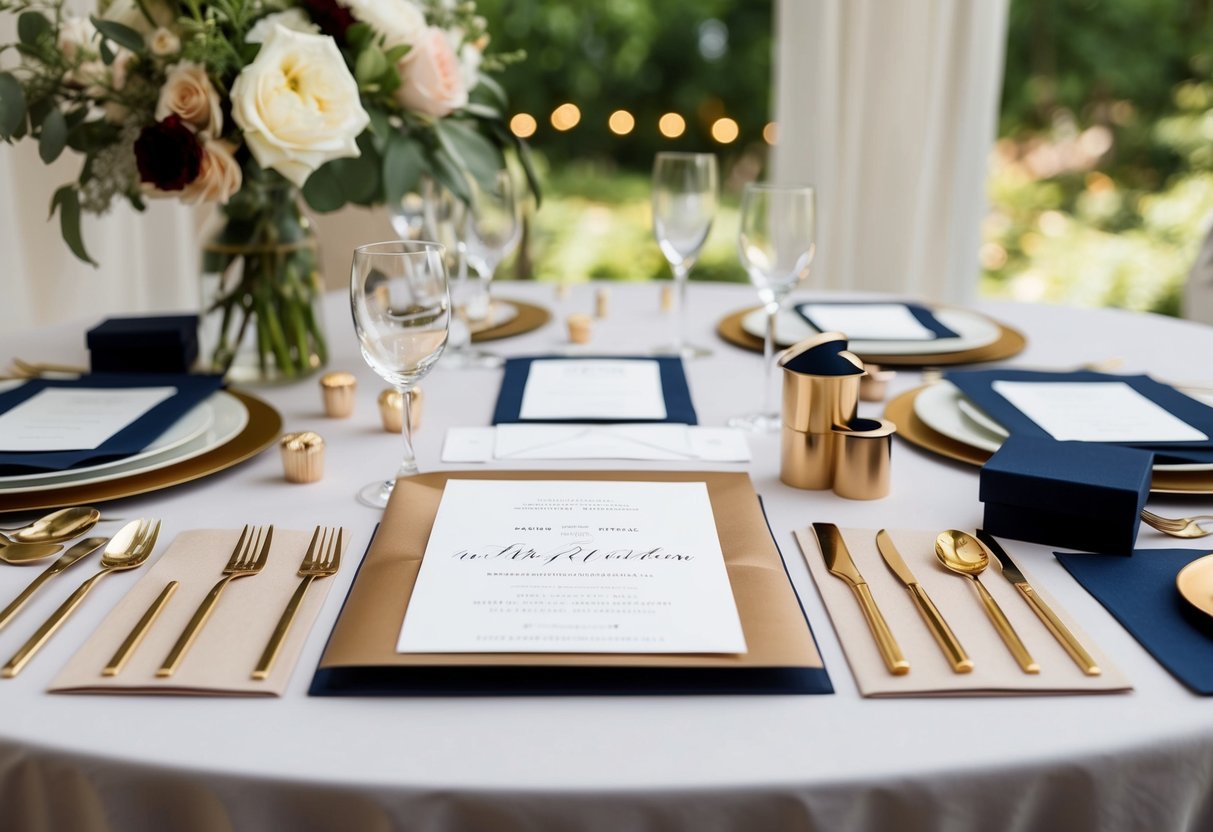
Creating a wedding invitation requires careful thought about wording and design. You want your invitations to reflect the tone of your event while ensuring clarity for your guests.
Choosing the Right Wording and Format
When addressing your wedding invitations, the wording plays a key role. For formal invites, consider using “Mr. and Mrs.” followed by the husband’s name, such as “Mr. and Mrs. John Smith.” This traditional approach shows respect and formality.
If you’re aiming for a more casual wedding, feel free to use first names instead. For example, you could write “John and Jane” to keep it friendly.
Make sure to spell everything correctly, including names and dates. A clear inner envelope can have more casual wording, while the outer one should keep it formal.
Incorporating symbols like “&” or using calligraphy adds a special touch. If you include an RSVP card, be clear about how guests should respond.
Design Elements to Consider
The design of your invitation should match your wedding theme. Think about colors, fonts, and graphics that reflect your style.
For formal invitations, use classic fonts and elegant colors. A simple white background with black calligraphy can be stunning.
If you’re going for a relaxed vibe, playful fonts and bright colors can work well. Combine your chosen design with meaningful symbols or motifs that represent you as a couple.
Also, consider how the invitation fits into your overall design. Is it cohesive with your save-the-dates or other wedding stationery?
Remember, the invitation is the first glimpse your guests will have of your wedding, so make it count!
Addressing Wedding Envelopes with Precision
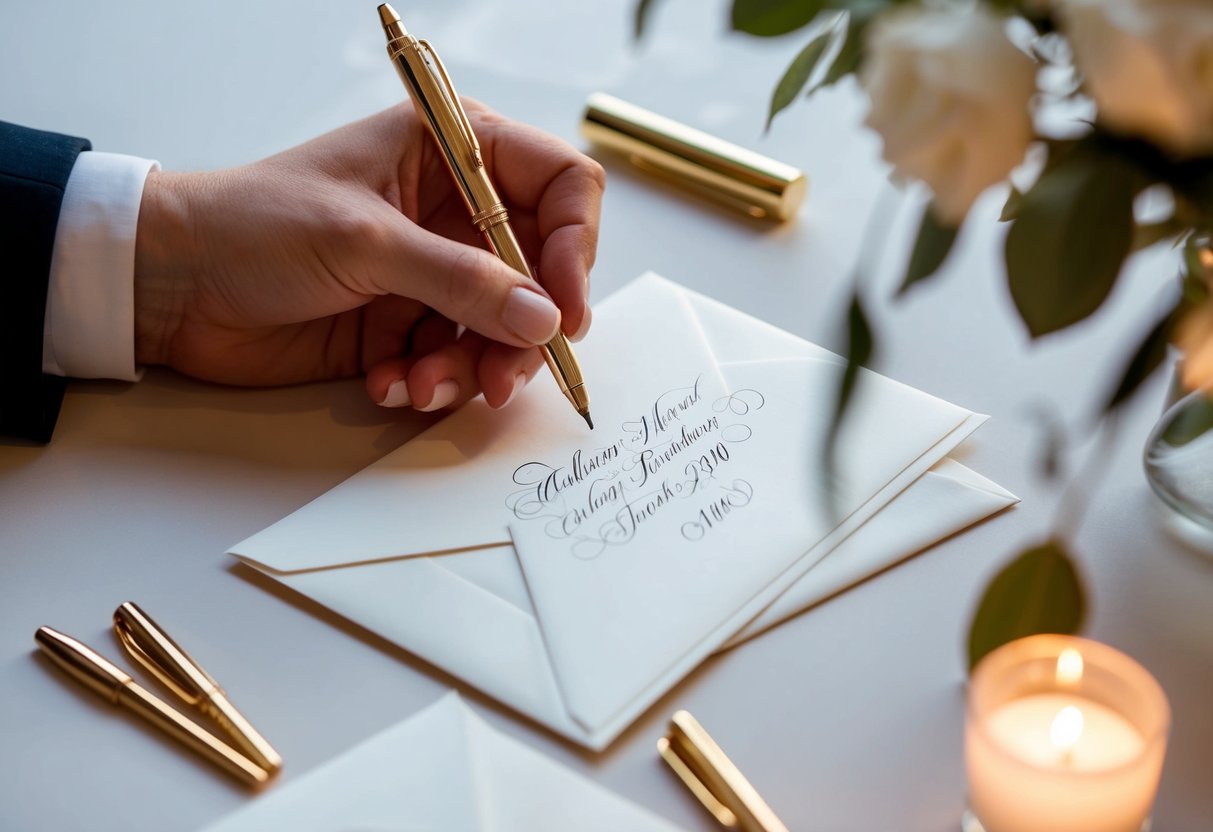
When preparing wedding invitations, getting the addressing just right is essential. You want your envelopes to look elegant and be easy for your guests to understand. Here are some important tips to consider.
The Outer and Inner Envelope Distinction
You will typically use two envelopes for wedding invitations: an outer envelope and an inner envelope. The outer envelope displays the full names and addresses of your guests. This helps with delivery and provides a professional touch.
The inner envelope is more personal. It usually only lists guests’ names, omitting titles like Mr. or Mrs. This approach allows for a more casual feel. It’s also a way to indicate which guests are invited, especially if you’re inviting children or plus-ones.
Make sure to include the correct zip codes on both envelopes. This ensures timely delivery and helps avoid any confusion.
Addressing Single, Married, and Non-Binary Guests
When addressing married couples, the traditional format is to write “Mr. and Mrs. John Smith” or, for modern couples, “Mrs. Sarah Smith and Mr. John Smith.” If you’re addressing a same-sex couple, simply use their first names, like “Sarah and Jamie.” Feel free to skip formal titles if your guests prefer a less formal approach.
For non-binary guests, you can use “Mx.” as a respectful title, or you may choose to use just their first and last names. Understanding how your guests identify is important for making them feel included.
Etiquette for Plus-Ones and RSVPs
Inviting plus-ones can be a tricky situation. When addressing an invitation to a guest with a plus-one, you can write “John Doe and Guest” on the outer envelope. Inside, you can specify their name if you know it, helping personalize the invitation.
Don’t forget to include an RSVP card with a clearly labeled space for them to reply. This makes it easy for your guests to confirm their attendance. Including the details and deadlines on the RSVP will help you plan effectively.
Taking these steps helps ensure your wedding invitations are addressed correctly and courteously.
Final Touches before Sending Invitations
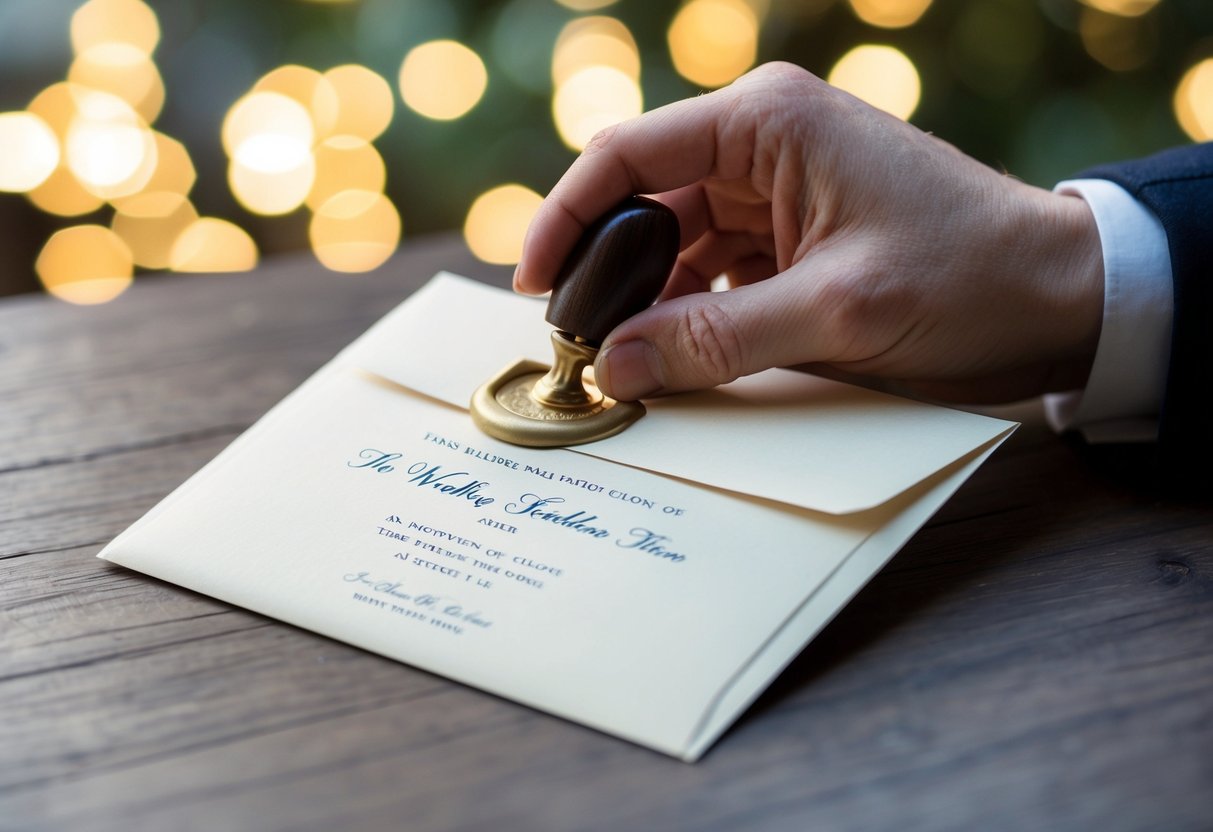
Before sending your wedding invitations, take a moment to make sure everything is perfect.
Check your invitation suite to ensure all pieces match and look cohesive.
First, verify that the names and titles on the envelopes are accurate. Make sure they reflect who the couple is if you’re using “Mr. and Mrs.”. For single guests, use “Mr.” or “Ms.” with their full names.
Next, review the details on the main invitation. Look for spelling errors in names and addresses. It’s a good idea to have someone else read it over too.
Don’t forget to include save-the-dates if you’re sending those separately. This helps your guests prepare ahead of time.
Consider adding RSVP cards to your wedding stationery. This makes it easier for your guests to respond and helps you keep track of who can attend.
Finally, double-check the postage. Weigh your invitations to ensure you have the correct amount. If your envelopes are heavy or bulky, you might need extra stamps.
Once everything looks great, it’s time to send them out! Your friends and family will appreciate the effort you put into making your invitations special.