
Do I Have to Wear a Floor Length Dress to a Wedding? Exploring Your Options
Attending a wedding can bring about many questions, especially when it comes to dress code. You might wonder if you have to wear a floor-length dress to fit in with the celebration. The good news is that you do not have to wear a floor-length dress; you have options.
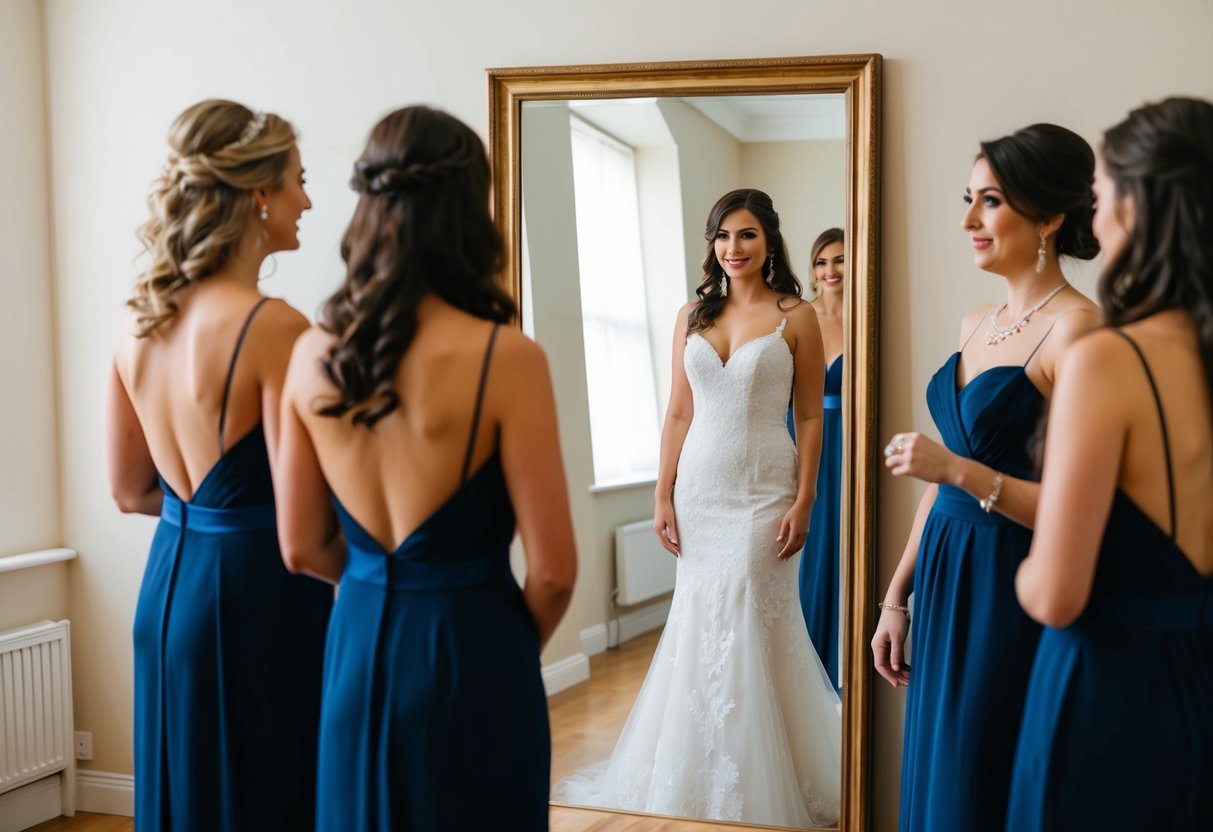
Wedding attire can vary greatly depending on the couple’s preferences and the formality of the event. While floor-length dresses are a classic choice and often recommended for formal occasions, there are plenty of stylish alternatives.
Knee-length or midi dresses can also be quite appropriate as long as they fit the overall vibe of the wedding.
When choosing your wedding guest attire, consider the specific dress code mentioned in the invitation. Whether it leans more towards formal or casual can guide your decision on the length and style of your dress. With thoughtful choices, you can feel confident and comfortable without strictly adhering to the floor-length rule.
Understanding Wedding Dress Codes

Navigating wedding dress codes can feel tricky, but understanding them helps you choose the right outfit. You’ll need to pay attention to the invitation and consider the venue and cultural aspects to ensure you’re dressed appropriately.
Deciphering the Invitation
The wedding invitation is your first clue to what to wear. Look for specific wording that indicates a dress code, such as “black-tie,” “formal,” or “casual.”
- Black-Tie: This signals an evening affair. Think tuxedos for men and floor-length gowns for women.
- Semi-Formal: This is slightly less dressy. Men can opt for suits, while women may wear knee-length or cocktail dresses.
- Casual: This allows for more relaxed attire. Light dresses or smart-casual outfits are suitable here.
Pay close attention to any requests from the couple, as they might include additional notes about attire preferences.
Dress Code Categories
Understanding the various dress code categories helps you plan your outfit. Here are some common ones:
- Black-Tie Optional: This gives you some leeway. A floor-length gown is still a safe choice, but a stylish cocktail dress works too.
- White-Tie: This is the most formal. Full-length evening gowns and formal suits or tailcoats are expected.
- Formal Attire: Similar to black-tie but can be less strict. Elegant dresses and dressy suits fit well here.
By knowing these categories, you can better decide what attire aligns with the expectations of the wedding.
Cultural & Venue Considerations
The wedding venue and cultural background often shape dress code choices. Indoor weddings at luxurious hotels usually call for more formal attire. Outdoor weddings, however, may lean towards lighter fabrics and less formal options.
Different cultures also have specific attire traditions. For example, some may require guests to wear traditional clothing. Always consider these factors when selecting your outfit. If you’re uncertain, it’s okay to ask the couple or wedding planner for guidance.
Floor-Length Dresses and Alternatives

You might wonder if you need to wear a floor-length dress to a wedding. There are various options, and understanding them can help you choose the right look for the occasion.
Is Floor-Length a Must?
Traditionally, floor-length dresses, such as evening gowns, are favored for formal weddings, especially those with a black-tie dress code. These elegant gowns typically touch the floor and provide a classic, sophisticated look.
However, floor-length isn’t always required. For daytime weddings, a knee-length cocktail dress or midi dress is completely acceptable. These styles can still look chic while offering comfort and ease of movement. If the invite doesn’t specify, opt for a dress that feels right for you and matches the formality of the wedding.
Elegant Alternatives to Floor-Length
There are many stylish alternatives to a floor-length dress. A maxi dress, for example, can reach the ankles but offers extra flair and comfort. Maxi dresses come in various styles and fabrics, making them a versatile choice for weddings.
Another great option is a jumpsuit. They can be just as formal as a floor-length gown and offer a modern twist. For a dressier choice, consider a knee-length cocktail dress. This style can be highly elegant while allowing for more comfortable movement. Don’t forget that accessories can elevate these looks to fit the wedding’s theme.
Accessorizing Your Outfit
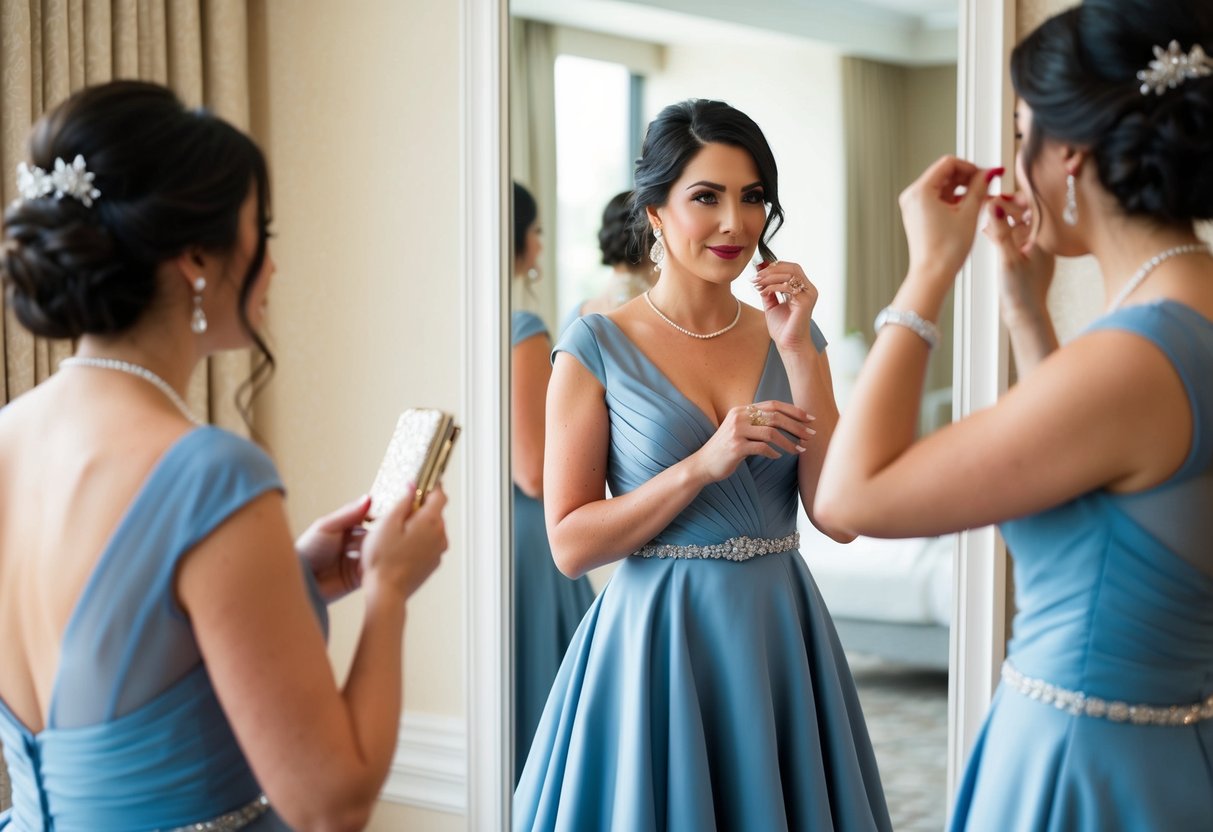
Accessorizing is key to perfecting your wedding guest look. The right jewelry and shoes can bring your outfit together and enhance your overall appearance. Here’s how to do it.
Jewelry and Embellishments
When choosing jewelry, aim for pieces that complement your dress style. For a formal look, statement jewelry, such as bold earrings or a sparkling necklace, can make a significant impact. If your dress is made of delicate materials like silk or lace, consider subtle pieces to avoid overwhelming your outfit.
For dresses with embellishments like sequins, choose simpler accessories to balance the sparkle. A classic bracelet or a pair of elegant stud earrings can add just the right touch. Layering delicate necklaces can also look great with a more casual dress. The key is to enhance your outfit, not compete with it.
Shoes and Outerwear
The right pair of shoes can elevate your entire look. Opt for dress shoes that match your dress code. For a formal event, classic heels or chic flats are excellent choices. If you’re wearing a floor-length dress, ensure your shoes are polished, as they may peek out while you walk.
If the weather is chilly, consider adding an elegant outer layer. A fitted jacket or wrap can add style and warmth without sacrificing your look. Fabrics like lace or silk can maintain elegance while keeping you cozy. Remember, comfort is essential, especially if you’ll be dancing or mingling for hours!
Best Practices for Wedding Guests
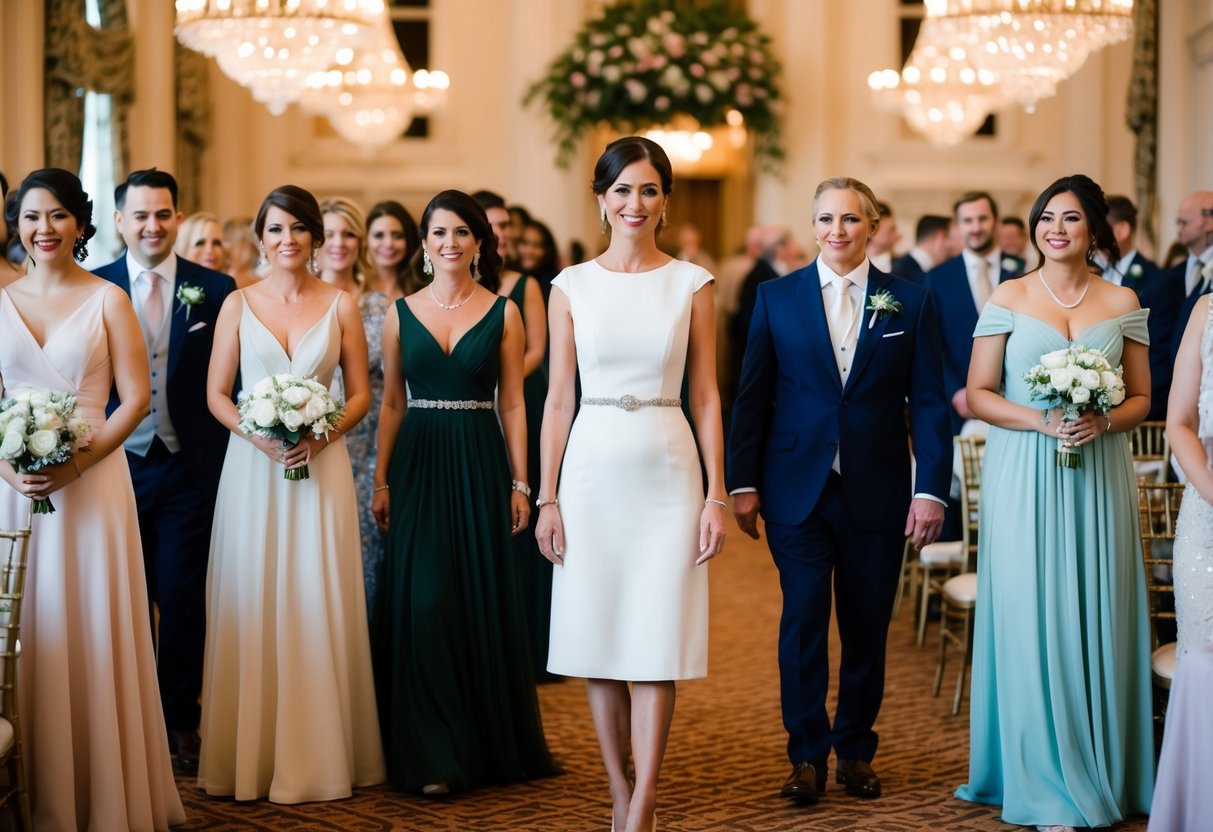
When attending a wedding, choosing the right attire is important. Understanding the venue and following general etiquette can help you make a great impression.
Understanding the Venue
The type of wedding venue often dictates what you should wear. For an indoor wedding, especially if it’s formal, consider wearing a floor-length dress or a sophisticated suit to match the ambiance.
At a beach wedding, lighter fabrics are usually appropriate. Think about breezy dresses or smart shorts for a more casual look. Garden weddings can be a bit more relaxed, but it’s still good to aim for dresses or suits that feel somewhat polished.
Knowing the venue helps you determine the level of formality in your attire and ensures that you fit in with the other wedding guests.
General Etiquette Tips
Reading the wedding invitation is key. It often provides insight into the dress code. If it specifies “black tie,” you will need formal attire, like a floor-length dress or a tuxedo.
Keep comfort in mind as well. You might be standing or dancing for long periods, so wear comfortable shoes. If the wedding is outdoors, consider the ground conditions; heels can be tricky on grass or sand.
Lastly, remember to keep your accessories tasteful. It’s great to add some flair, but you don’t want to overshadow the bride and groom.
By being considerate of the setting and the couple’s wishes, you show respect and make the day even more special.