
Do I Need a License to Play Music at a Wedding? A Guide for Couples
When planning your wedding, you might wonder about the legalities of playing music during the celebration. In most cases, you do not need a separate license for live music at your wedding, as long as your venue has the appropriate licensing in place. However, understanding the details can help you avoid any unexpected issues on your special day.
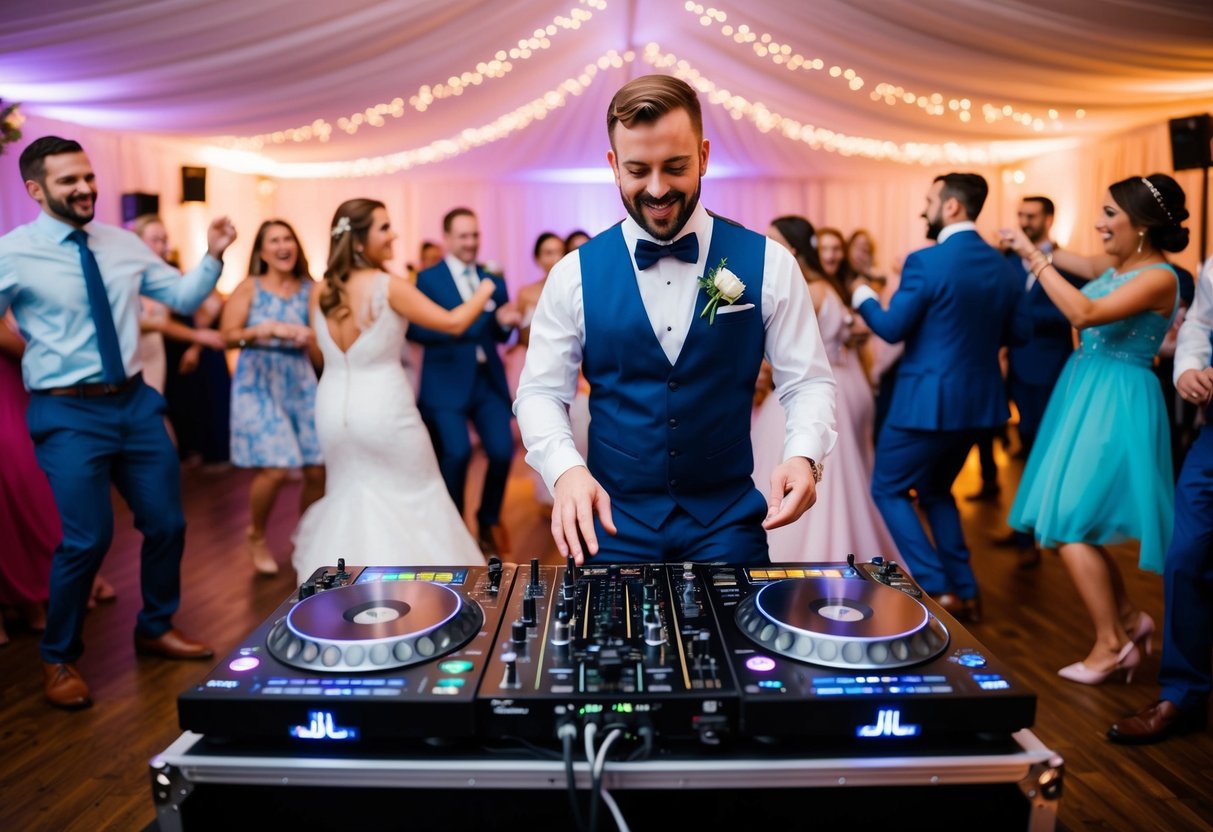
Many venues already cover the necessary licenses, which means you can focus on enjoying the moment. If you hire a DJ or a band, they often have their own licenses as well. It’s essential to check with your venue to make sure everything is set for the big day.
As you think about your playlist and the atmosphere you want to create, knowing whether you need a license gives you peace of mind. This way, you can concentrate on what truly matters—celebrating with your loved ones.
Understanding Music Licensing for Weddings
When planning your wedding, you might wonder about music licensing. If you plan to play music, understanding this topic is important.
Under U.S. copyright law, music is considered intellectual property. This means that you must have permission to use it. For weddings, you generally need a performance license. This license allows you to play music publicly at your event.
Performing Rights Organizations (PROs) like ASCAP, BMI, and SESAC manage these licenses. They ensure that songwriters and artists get paid for their work. If you hire a DJ or a band, they typically handle the licensing for you. However, it’s good to confirm.
If you plan to use recorded music from your own device, you may still need a license. This is because playing music at a wedding is considered a public performance. Failing to secure it could result in fines.
Licensing fees vary based on factors like the size of your event and the type of music used. Most fees are reasonable, and the process is straightforward. To stay compliant, reach out to the PROs or consult your wedding planner for guidance.
Before your special day, ensure you have the right licenses in place. This will help you enjoy the celebration without concerns about copyright issues.
When Do You Need a Music License for a Wedding?
Knowing when you need a music license for your wedding is important. It can depend on whether your event is considered public or private and whether you are using live or recorded music.
Public vs. Private Weddings
For private weddings, such as those held in homes or backyards, you usually do not need a music license. This is because these events are generally not open to the public. You can play recorded music or have a band perform without incurring additional fees.
In contrast, if your wedding is in a public venue, like a banquet hall or park, you may need a license. This is especially true if the venue hosts multiple events or is open to the public. Always check with your venue about their music policies, as they might have their own agreements with music agencies.
Live Music vs. Recorded Music
When you hire a live band for your wedding, they may already hold a music license. This often covers their performance at your event. It’s a good idea to confirm this with the band before your wedding day.
If you plan to play recorded music, ensure you have the proper licenses. This is particularly important if you want your wedding video to include this music. Different types of licenses may apply based on how you plan to use the music. Always consult a music licensing agency to clarify your specific needs.
Obtaining Permission from Rights Organizations
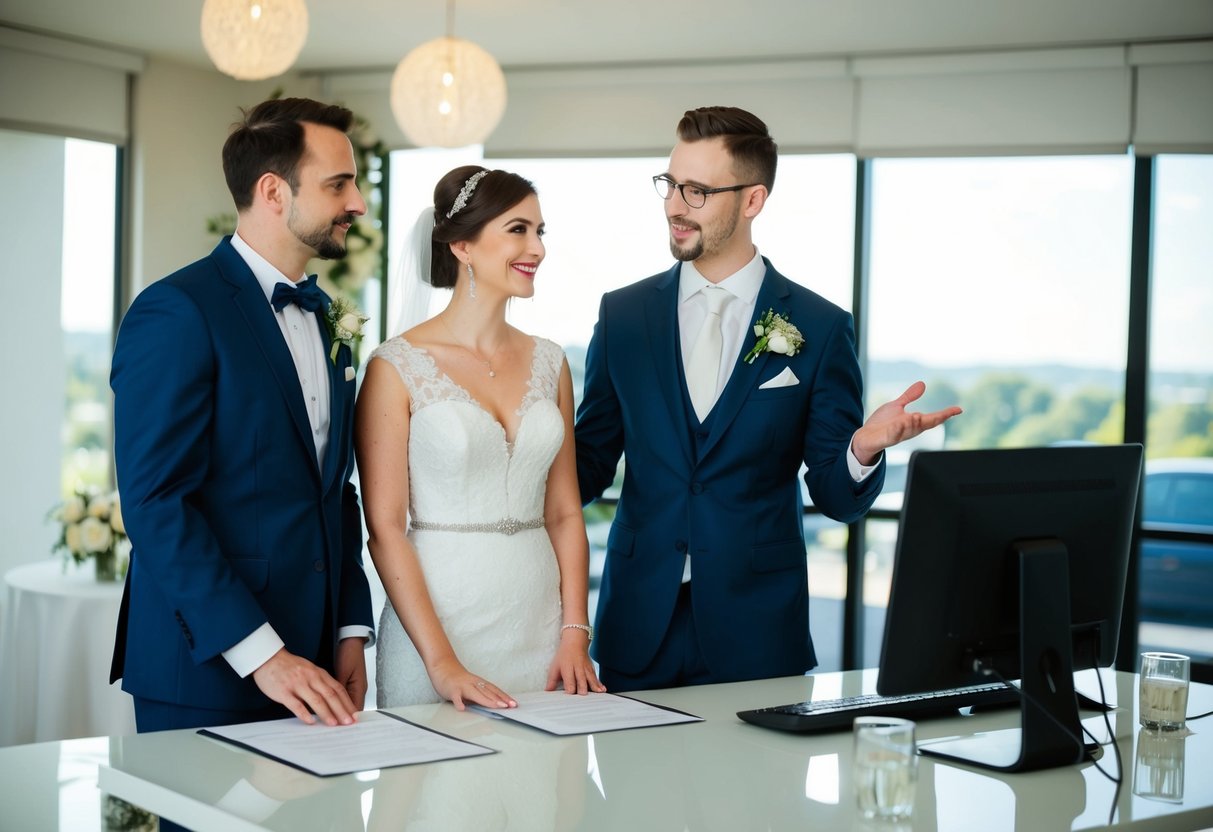
When planning to play music at your wedding, it’s important to understand how to obtain the necessary permissions. You will likely need to work with rights organizations that manage the licenses for the songs you want to use. These organizations help ensure that artists get paid for their work.
Working with ASCAP, BMI, and SESAC
ASCAP, BMI, and SESAC are the major performing rights organizations in the United States. They collect fees and distribute royalties to songwriters and publishers.
To legally play music, you need a public performance license from one of these organizations. This applies whether you’re playing recorded music or hiring a DJ. The fees are typically based on the size of the event and the type of venue.
You can often get a license by applying online through their websites. It’s a straightforward process, and once you have your license, you can enjoy the music without worrying about legal issues.
Other Licensing Entities and Options
Apart from the big three, there are other licensing entities and options available. For special music needs, like synchronized music for videos or other media, you might require a synchronization license.
If you’re using music in a different context, consider royalty-free options. Many companies offer tracks that don’t require traditional licenses, which can be a cost-effective solution for some couples.
Always check the specific requirements of the music you plan to use. Different songs or compositions may have unique licensing needs, so it’s best to be informed. Your wedding should be a celebration, and understanding these licenses will help you avoid any complications.
Alternative Solutions for Wedding Music
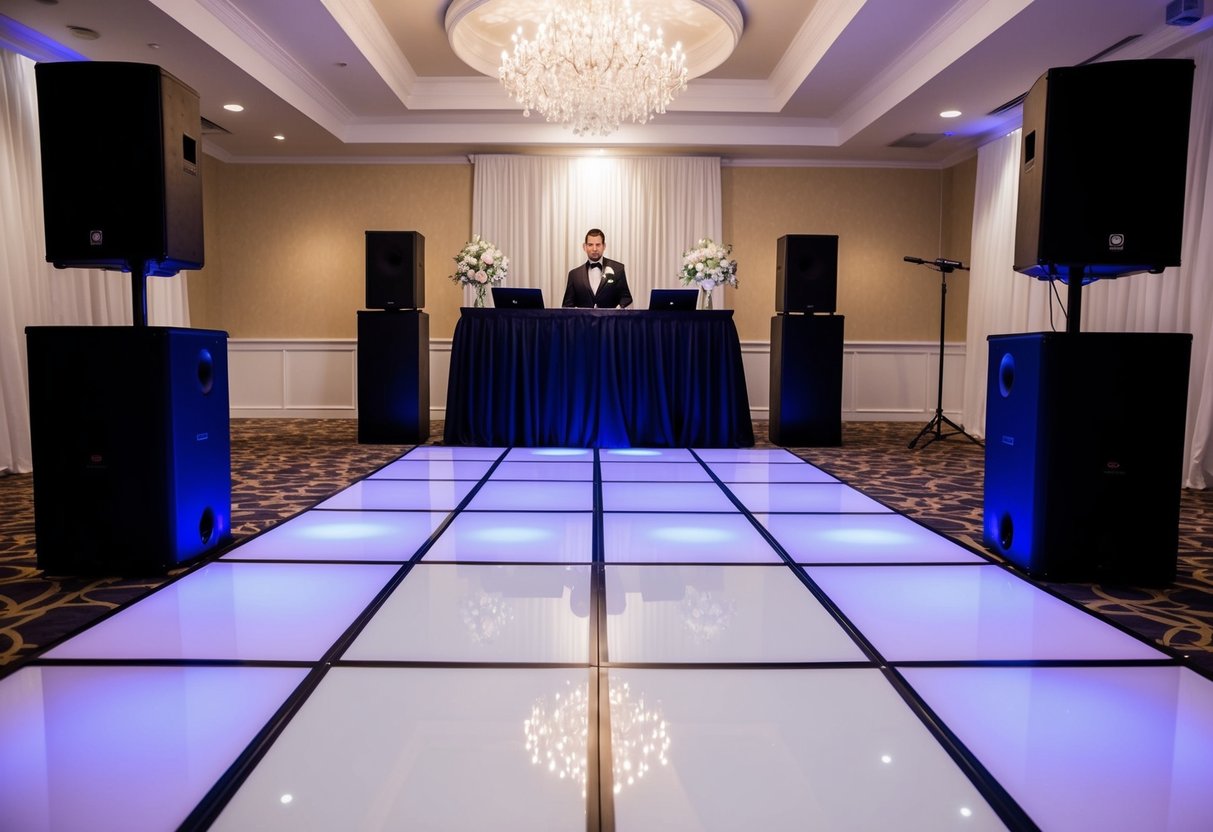
If you’re looking to enhance your wedding music experience without dealing with complicated licensing issues, there are great alternatives available. You can choose between booking live bands or DJs for a vibrant atmosphere or using royalty-free or original music for a personal touch.
Booking Live Bands and DJs
Hiring a live band or DJ can bring a unique energy to your wedding. When booking, make sure to check their experience with wedding music. You can find bands that specialize in weddings or corporate events.
Consider reaching out to a booking agent who can recommend talent based on your budget and style. A good agent can help you navigate contracts and any additional fees. If you want a truly personalized experience, you might also ask bands to learn a specific song for your ceremony.
Remember to confirm if the venue has any restrictions on live music. Some spaces may require set time limits or specific sound equipment. By ensuring these details are in place, you can focus on enjoying your special day.
Using Royalty-Free or Original Music
Another option is to use royalty-free or original music. This choice allows you to avoid licensing fees while still curating a great playlist.
Websites offer extensive libraries of royalty-free tracks that you can use without worrying about copyright issues.
If you lean toward originality, commissioning a musician or band to create a custom song for your wedding can add a meaningful touch.
Collaborating with an artist can make your day unique and memorable.
For simplicity, consider pre-mixing tracks for your ceremony and reception. Make sure your playlist reflects the mood you want to create.
Also, check with your venue about using your sound system or if they provide one for you. This way, you’ll ensure a smooth experience.