
Do I Need a Registrar or Celebrant? Understanding Your Wedding Ceremony Options
Choosing between a registrar and a celebrant for your wedding can feel overwhelming. If you want a personalized ceremony that reflects your unique love story, hiring a celebrant is often the best choice. Celebrants offer flexibility and creativity, allowing you to include special moments, rituals, or themes that truly represent you and your partner.
On the other hand, registrars handle the legal requirements of your marriage. They are essential if you want to marry legally in a set location. While they can provide a structured ceremony, it may not have the same personal touch as a celebrant-led event.
Understanding these differences can help you decide what fits your vision for your wedding. Whether you prioritize personalization or legal formalities, knowing your options will lead to a ceremony that you’ll cherish forever.
Understanding the Roles: Registrar vs. Celebrant
When planning your wedding, knowing the difference between a registrar and a celebrant is important. Each has unique roles and responsibilities in the marriage process that can affect your ceremony.
What Is a Registrar?
A registrar is an official who is responsible for recording legal marriages. They work for a local authority and operate at licensed venues or registry offices. If you want your marriage to be legally recognized, you must have a registrar present.
During a wedding, a registrar will conduct the ceremony and ensure that all legal paperwork is completed. This includes the signing of the marriage certificate, which is an important document. Their main focus is on adhering to legal requirements, so the ceremony might be more structured.
What Is a Celebrant?
A celebrant is a person who leads a non-legal ceremony tailored to your wishes. They are not employed by the government and have more freedom to personalize the service.
Celebrants create a unique experience that reflects your relationship. They get to know you and craft a ceremony script that tells your story. While they make your celebration special, you still need to take care of the legal marriage paperwork separately, usually by scheduling an appointment with a registrar.
Key Differences
The main difference between registrars and celebrants is their legal authority. Registrars can legally marry you, while celebrants cannot. This means if you choose a celebrant, you still need to have a registrar to fulfill the legal side of your marriage.
Another key difference is in the ceremony itself. A registrar’s ceremony may follow a set format, focusing on legal aspects. In contrast, celebrants offer a more personalized touch, allowing you to choose readings, vows, and themes that fit your style.
When deciding, consider what is important for your wedding. Think about whether you prefer a simple legal ceremony or a more personalized celebration that tells your story.
Planning Your Ceremony
When planning your ceremony, it’s essential to consider what type suits you best and understand the legal requirements involved. Personal touches can make your wedding day truly special and reflect your unique story.
Choosing the Right Ceremony for You
Deciding between a celebrant and a registrar is an important step. A celebrant can create a personalised ceremony that captures your love story and includes meaningful symbols. On the other hand, a registrar offers a more straightforward approach with a civil ceremony, focusing on the legal aspect.
Consider your values and preferences. If you want to include spiritual content or religious elements, a celebrant might be the better choice. They can incorporate personal stories and specific rituals that resonate with you both. Think about what feels right for your wedding day.
Legal Considerations and Requirements
Legalities are a crucial part of your wedding planning. In the UK, if you choose a civil ceremony, you need to book a registry office and meet certain requirements, such as being at least 16 years old. You’ll also need to give notice of your marriage, usually at least 28 days in advance.
For celebrant-led ceremonies, the legal process can be separate. Many couples choose to sign the legal paperwork before or after the celebrant ceremony. This allows for a more flexible approach to include the elements you want without legal constraints. Be sure to check local laws for specific requirements.
Adding Personal Touches
Personalisation is key to making your wedding day unique. You can add symbolic elements that represent your relationship, such as a unity candle or a sand ceremony. This storytelling can create a memorable experience for both you and your guests.
Consider how you want to express your feelings through your ceremony script. Write vows that reflect your love and commitment. Involving family and friends can also enrich the ceremony and make it more meaningful. Remember, this day is about you and creating lasting memories together.
Celebrant-Led Weddings: An In-Depth Look
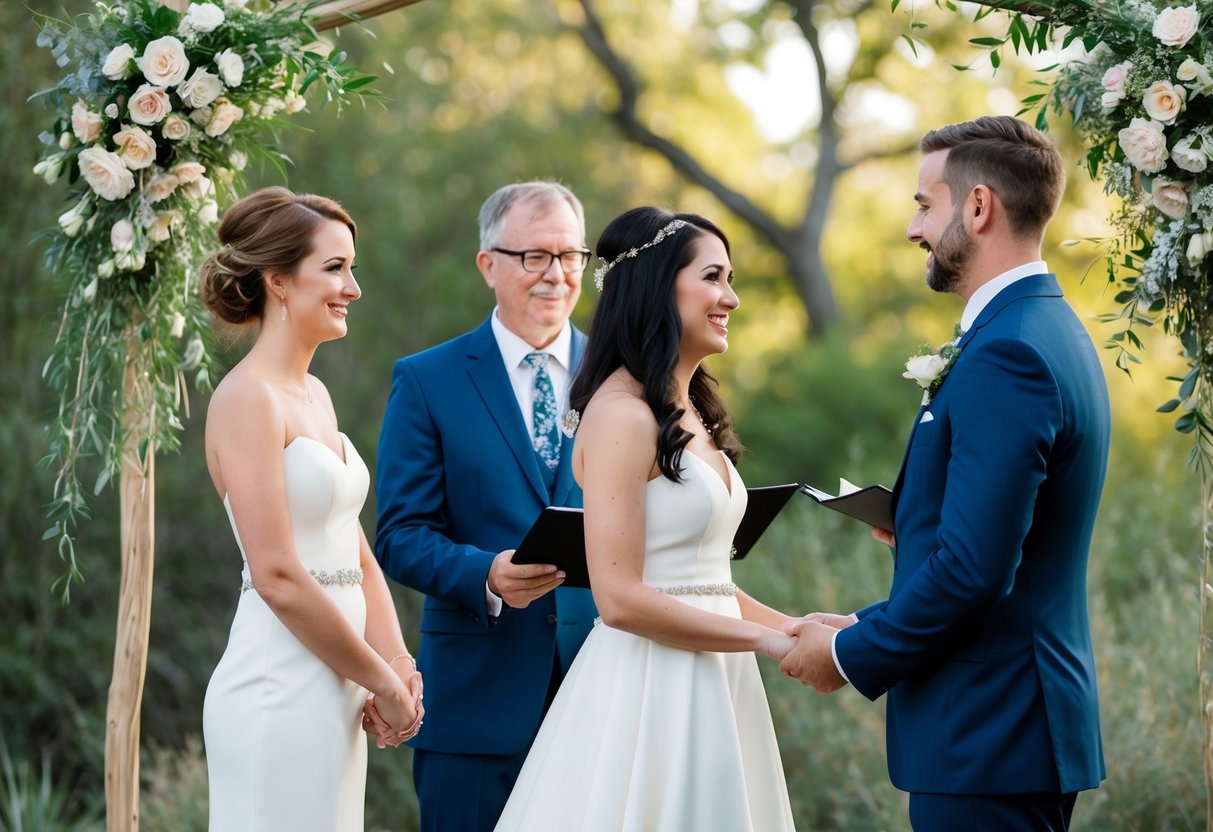
A celebrant-led wedding offers you a personalized experience, focusing on your unique love story. This option allows for creativity and flexibility, making your ceremony truly special.
Advantages of a Celebrant-Led Wedding
Choosing a celebrant for your wedding comes with many benefits. One major advantage is the flexibility in location and timing. You can hold your ceremony anywhere, from a scenic outdoor spot to your backyard.
Celebrants are also known for crafting a bespoke ceremony that reflects your relationship. They take the time to incorporate personal touches, ensuring that your ceremony feels unique to you. This means more than just traditional vows; it can include symbols, readings, and rituals that are meaningful to you.
Additionally, celebrants can cater to various beliefs and styles. Whether you prefer a humanist celebrant or want to include spiritual elements, they can shape the ceremony to fit your desires.
Crafting Your Unique Ceremony with a Celebrant
When you work with a celebrant, the process is very collaborative. You begin by discussing your love story and what you envision for your day. This includes everything from theme to specific rituals or readings.
Your celebrant will gather these details and create a script that truly speaks to your journey. If you want to include family or friends in the ceremony, they can help integrate guest participation in meaningful ways. The goal is to create a celebrant-led ceremony that feels authentic to both of you.
You can also change elements right up to the day of the event. This adaptability can ease any stress you might have about the ceremony.
Finding the Perfect Celebrant for Your Wedding
Choosing the right celebrant is crucial for your special day. Start by looking for independent celebrants who match your style and values. Many celebrants showcase their work online, so check their websites or social media for examples of past ceremonies.
Schedule interviews with a few candidates to get a feel for their personality and approach. Ask about their experience with creating celebrant weddings and how they handle different requests.
A great celebrant will listen to your ideas and provide suggestions, ensuring your ceremony is both personalized and memorable. Take your time to find someone who you feel comfortable with, as this relationship will play a significant role in your wedding day.
Navigating the Legalities of Marriage
When planning your wedding, understanding the legal aspects is essential. You’ll need to take care of important steps to ensure that your marriage is recognized by law.
Securing Your Marriage Legally
To be legally married, you must complete certain steps. One key requirement is to have a ceremony officiated by a certified individual. This can be a registrar during a civil marriage ceremony or a celebrant, depending on your choice of venue.
If you choose a venue that is licensed for civil ceremonies, you need to book your registrar in advance. You will also need to provide legal documentation, such as proof of identity and residency. This paperwork is often necessary to obtain your marriage certificate, which serves as official proof that you are legally married.
The Role of Witnesses and Official Documentation
Witnesses play a vital role in the marriage process. Most places require at least two witnesses to be present during your ceremony. They will sign the marriage certificate as confirmation of your vows. Your witnesses must be over 18 years old and understand the significance of their role.
In addition to witnesses, you’ll need to ensure all your legal paperwork is completed correctly. This includes your application for a marriage license, which you often submit at your registry office prior to your ceremony. Missing or incorrect information can delay or even prevent your marriage from being legally recognized. Make sure to follow all these requirements closely to avoid any hiccups on your special day!