
Do It Yourself Flower Centerpieces: Easy Ideas for Beautiful Arrangements
Creating your own flower centerpieces is a fun way to add a personal touch to your home decor. Whether you want to elevate your table decor for a special occasion or just make your everyday spaces more inviting, DIY flower arrangements can be simple and rewarding. You can craft eye-catching centerpieces that showcase your style without spending a lot of money.
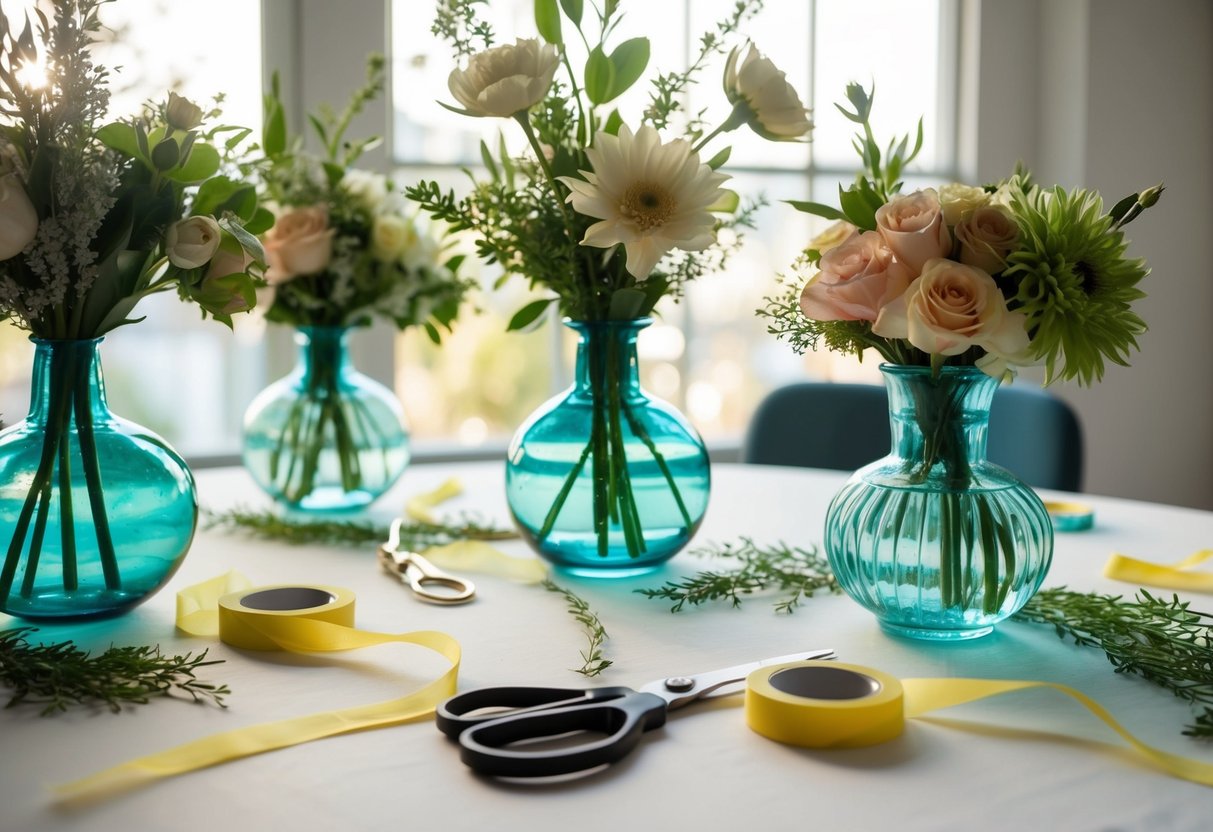
Using everyday flowers and accessible materials, you can create stunning arrangements that fit any theme or season. With just a little creativity, you can combine colors and shapes to make your table settings truly unique.
If you’re new to this, don’t worry! Many simple arrangements can be put together quickly to bring freshness to your space.
Ready to explore your inner florist? Dive into the world of DIY flower centerpieces, and enjoy the beauty and joy they can bring to your home. It’s an excellent way to express yourself and impress your guests, all while having fun along the way!
Planning Your DIY Floral Centerpiece
Creating a beautiful flower centerpiece starts with careful planning. Choosing the right flowers, considering seasonal options, and adding greenery can make your arrangement stand out while being budget-friendly.
Choosing the Right Flowers
When you select flowers, think about colors and shapes. You want a mix that looks good together. Colorful flowers can brighten up your table and match your event’s theme.
Tips for selecting flowers:
- Choose a focal flower: This is the main flower in your arrangement. It can set the tone.
- Add filler flowers: Smaller blooms help fill gaps and add texture.
- Consider the height: Use taller blooms for depth and shorter ones for balance.
Selecting seasonal flowers is often a smarter choice too. They are usually fresher and less expensive.
Considering Seasonal and Inexpensive Options
Seasonal flowers are a great way to save money and get the best quality. Check local markets or grocery stores for options available in your area.
Some popular seasonal flowers include:
- Spring: Tulips, daffodils, and peonies
- Summer: Sunflowers, daisies, and zinnias
- Fall: Mums, asters, and dahlias
- Winter: Poinsettias and evergreen branches
Buying from farmers’ markets or home gardens can help keep costs low. You can create stunning arrangements without spending a lot.
Incorporating Greenery and Visual Interest
Greenery adds a touch of freshness and depth to your centerpiece. Eucalyptus, ferns, or even herbs like rosemary can create a lovely background for your flowers.
Ways to incorporate greenery:
- Layer different types: Use a mix of textures for a fuller look.
- Create a natural feel: Allow greenery to trail over the edges for a relaxed vibe.
- Think about size: Use larger leaves as a base and smaller pieces to fill spaces.
Adding interesting elements like twigs, berries, or pebbles can also enhance your design. These additions can bring your DIY floral centerpiece to life and make it unique.
Assembling the Base
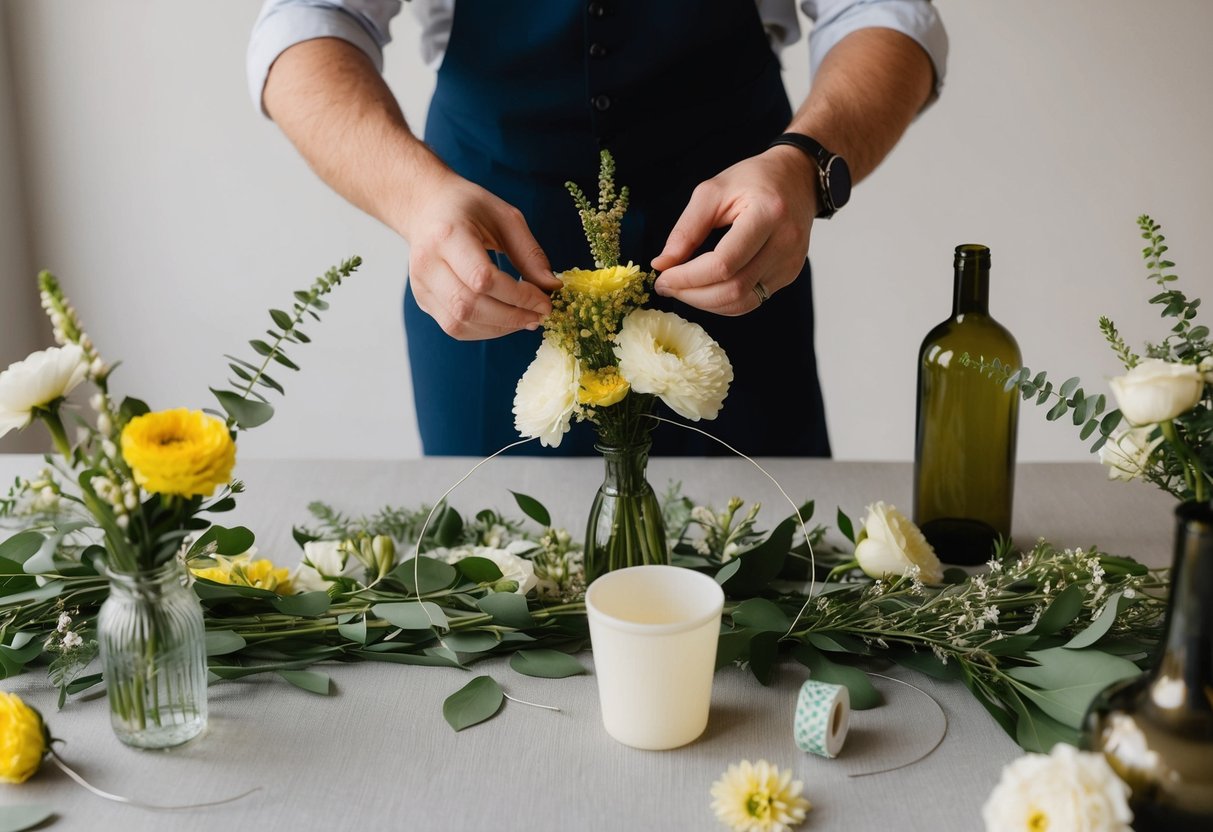
Creating a strong base is essential for your DIY flower centerpiece. The base provides support for the flowers and enhances the overall look.
You’ll want to use floral foam or chicken wire, secure it properly, and consider adding some moss for a natural touch.
Preparing Floral Foam and Chicken Wire
To start, choose floral foam or chicken wire based on your design needs. Floral foam is great for keeping flowers hydrated, while chicken wire creates a more rustic feel.
If using floral foam, soak it in water for about 30 minutes. It should absorb the water fully, becoming soft and pliable.
For chicken wire, cut a piece roughly the same size as your container. Shape it into a ball or nest, depending on your design.
You can secure the chicken wire in place using floral tape. This will keep it from moving as you add flowers. Both options will create a solid foundation for your centerpiece.
Securing Base with Floral Tape
Once you have your foam or chicken wire prepared, it’s time to secure it. Make sure your foam sits snugly at the bottom of your container.
Use floral tape to hold it in place.
To do this, cut strips of floral tape and press them down over the foam. This will keep it stable while you arrange your flowers.
If you’re using chicken wire, run the tape around the edges, securing it to the container.
Floral tape is sticky enough to hold things in place but not too sticky that it tears your foam. It’s a great way to make sure everything stays where you want it as you build your arrangement.
Adding Moss for a Natural Look
Adding moss can enhance your centerpiece’s natural look. Once your base is secure, cover the foam or chicken wire with a layer of moss.
You can use dried moss or fresh moss, based on your preference.
Gently press it into the foam or nestle it into the chicken wire. This adds texture and a lovely green color, making your floral arrangement more visually appealing.
Moss not only looks great, but it also helps to hide the mechanics of your arrangement. Plus, it provides a subtle backdrop for your flowers to shine!
Creating the Arrangement
Creating a beautiful flower centerpiece involves several key steps. You will start by forming the structure with filler flowers. Then, you can add vibrant blossoms to enhance the visual appeal. Finally, finishing touches with ribbons and accessories will complete your arrangement.
Forming the Structure with Filler Flowers
Filler flowers are essential for giving your arrangement a sturdy base. They take up space and often have a softer appearance. Popular choices include baby’s breath, daisies, and ferns.
Begin by cutting the stems at an angle for better water absorption. Next, place these flowers evenly around the vase. This helps create a balanced structure.
Aim for symmetry, but don’t be afraid to experiment with different heights. Fill the gaps with smaller filler blooms to make your arrangement fuller.
Adding Visual Flair with Colorful Blossoms
Once the filler flowers are in place, it’s time to add colorful blossoms. Choose vibrant flowers that reflect your theme or mood. Sunflowers, roses, and lilies can all bring life to your arrangement.
Cut these flowers to different lengths for a dynamic look. Position the taller blooms in the center and shorter ones on the outer edges. This layering adds depth and interest to your centerpieces.
Remember to mix colors thoughtfully. A combination of complementary shades can make your arrangement pop. Consider the color wheel to guide your choices.
Finishing Touches with Ribbons and Accessories
To give your arrangement a polished look, consider adding ribbons and accessories. Ribbons can enhance the color scheme and add texture.
Wrap a length of ribbon around the base of your vase or tie a bow. Choose a ribbon that complements the flowers—like satin or burlap for a rustic touch.
Also, think about accessories like small decorative stones or candles. These can fill empty spaces and create a more cohesive look. Just make sure they don’t overwhelm your flowers.
With these finishing touches, your centerpiece will not only look stunning but also reflect your personal style.
Maintaining Your Floral Masterpiece
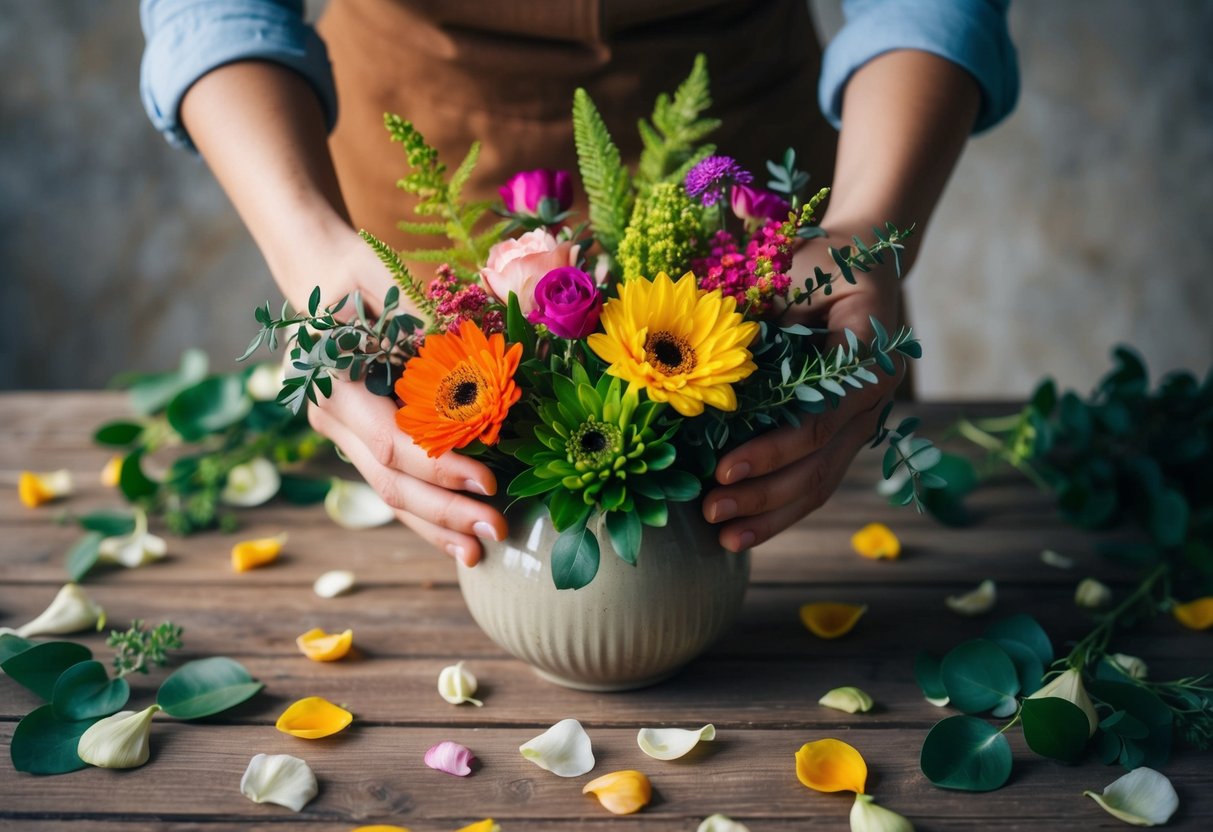
To keep your floral centerpiece looking vibrant and fresh, proper maintenance is key. This section focuses on using flower food for real blooms and exploring alternative options with faux flowers, ensuring your arrangements shine for as long as possible.
Using Flower Food for Freshness
When you create a floral centerpiece, using flower food is essential for keeping your fresh flowers happy. Flower food typically includes sugars, which feed the blooms, and biocides that help prevent bacterial growth in the water.
To use flower food, simply follow these steps:
-
Mix the Flower Food: Dissolve the recommended amount of flower food in water. The packet usually provides specific instructions, so be attentive to those.
-
Trim the Stems: Before placing the flowers in the vase, cut the stems at a diagonal angle. This allows for better water absorption.
-
Change Water Regularly: Replace the water every few days, adding more flower food each time. This helps maintain freshness and prevents odors.
By following these simple tips, your floral centerpiece can last longer and bring joy to your space.
Alternative Options with Faux Flowers
If you want a long-lasting option, consider creating your centerpiece with faux flowers. These arrangements can look just as beautiful as fresh ones and require far less maintenance.
Here are some benefits of using faux flowers:
- No Water Needed: Faux flowers do not need daily care or water, making them a hassle-free choice.
- Allergies and Sensitivities: Avoid potential allergies from fresh blooms while still enjoying floral beauty.
- Versatile Styles: Faux flowers come in countless styles and colors that can match any theme or décor.
To keep faux flowers looking their best, dust them regularly and consider giving them a gentle rinse if they get particularly dirty. By choosing well-made faux flowers, you can create an eye-catching centerpiece that will last for years.