
Do Marriage Vows Need to Be Public? Exploring Privacy in Wedding Ceremonies
Marriage vows are a key part of your wedding day, acting as a public declaration of your commitment. While couples commonly recite their vows during the ceremony, they do not legally need to be spoken in public to make your marriage official. This means you can personalize your experience in a way that feels right for you.
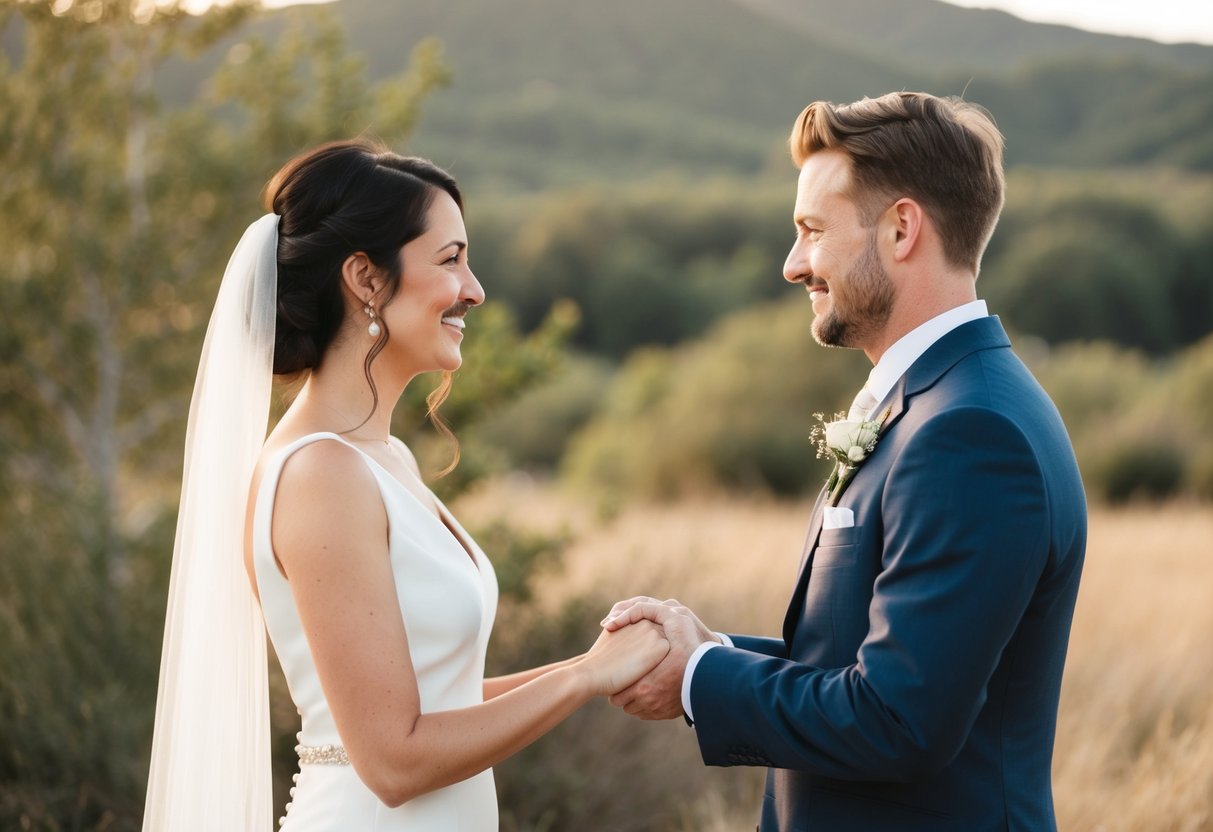
Many couples choose to share their vows in front of family and friends because it adds a special touch to the ceremony. This public exchange can deepen the meaning of your commitment. However, if you’re considering a more private approach, you can still create heartfelt vows that resonate just as strongly without a public audience.
Whether your vows are shared in front of loved ones or exchanged privately, the essence remains the same: they reflect your dedication to one another and the shared journey ahead. The choice is yours, allowing you to tailor your marriage ceremony to fit your unique love story.
The Role of Public Declaration in Marriages
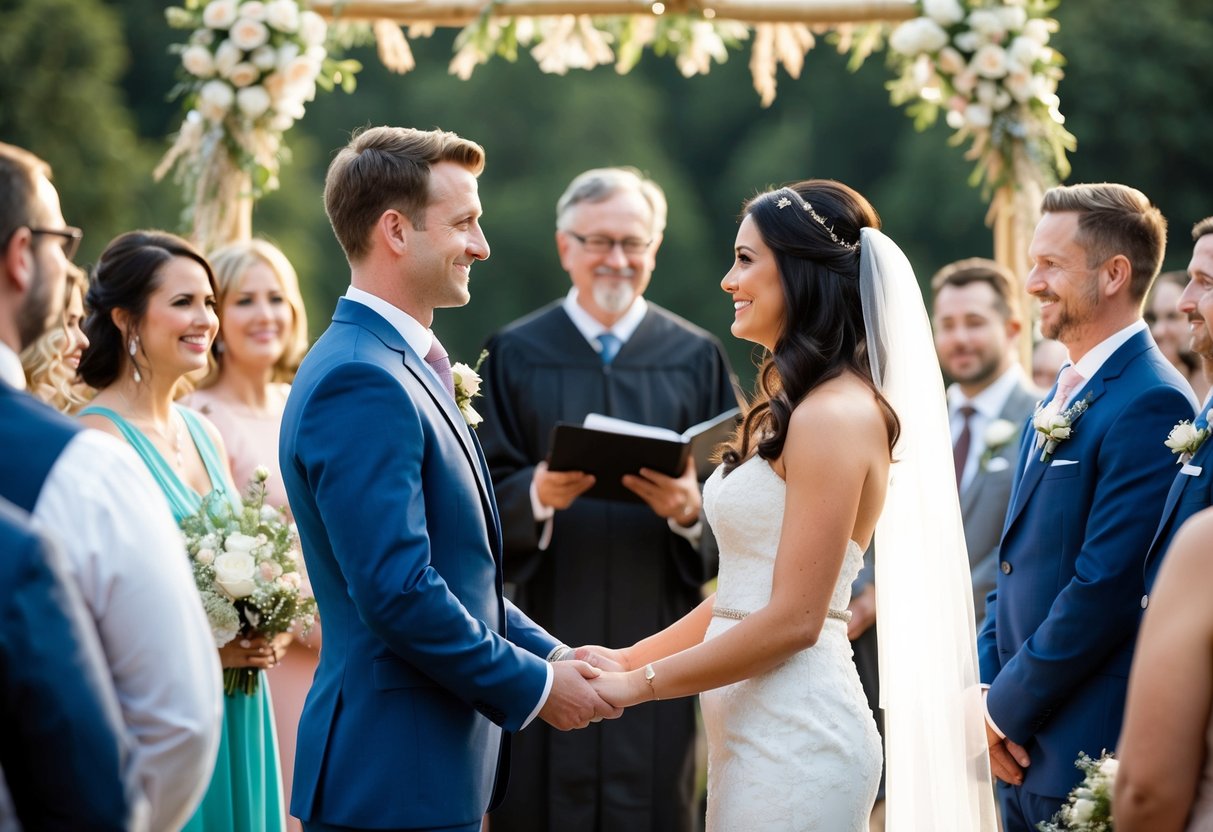
When you exchange marriage vows, the public declaration plays a crucial role in solidifying your commitment. This section explores the legal and cultural importance of making vows publicly.
Legal Significance of Public Vows
Public vows are often a requirement for a legal marriage. During the ceremony, you and your partner make a declaration of intent to marry, which signals to everyone that you are willingly entering a marriage contract.
This public declaration typically includes phrases like “I do,” spoken in front of an officiant and witnesses. Having these witnesses is important, as they confirm that you both agreed to these vows. The officiant plays a key role in ensuring that all legal requirements are met, including signing the marriage license.
In many places, the legal aspects of marriage hinge on this public exchange, making it a significant component of the ceremony.
Cultural and Social Aspects of Exchanging Vows Publicly
Exchanging vows publicly is not just a legal formality; it’s also a deeply rooted cultural practice. Many cultures view public vows as a way to invite family and friends into your commitment, strengthening social bonds.
This public setting allows you to share your love and promises in front of loved ones, creating a supportive atmosphere. Rituals and traditions can vary widely and often reflect the values of the community.
By participating in this public act, you affirm your commitment not only to each other but also to those who care about you. It’s a celebration of love that creates lasting memories for everyone involved.
Understanding the Legal Framework of Marriage Vows
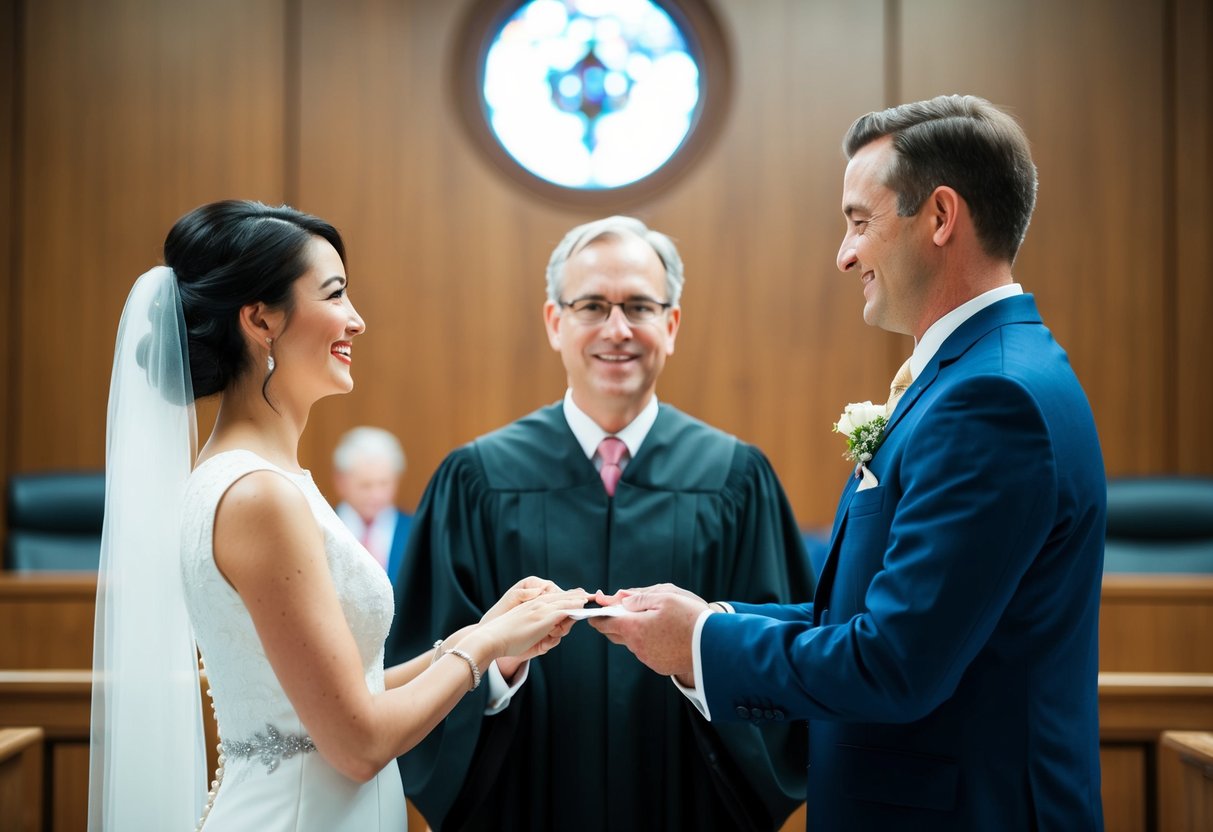
When considering marriage vows, it is important to know the legal requirements that make your union official. This section covers what you need for a legal marriage, the roles of witnesses and officiants, and how to acquire the necessary licenses and certificates.
Necessities for a Legal Marriage
To make your marriage legal, you must fulfill certain requirements. First, you need to express your intent to marry. This often involves the classic “Do you take…?” question followed by an affirmative response.
In many states, personal vows are a beautiful addition but are not the core of the legal obligation. Without the declaration of intent, the marriage may not be considered valid.
A marriage license is also a must. This document is usually obtained from your local government office. It shows that you and your partner are legally allowed to marry.
Role of Witnesses and Officiants
Witnesses and officiants play vital roles in the marriage ceremony. Most states require at least one witness to sign the marriage license after the ceremony. This step is important, as it confirms the event took place in front of someone else.
The officiant, who can be a religious figure or a judge, is responsible for guiding the ceremony. They ensure you follow the correct legal wording and format during the ceremony. Do check your state’s requirements, as some may have specific qualifications for officiants.
Acquiring a Marriage License and Certificate
Getting a marriage license is essential before you can tie the knot. You typically need to apply in person, providing identification and other necessary documents. The waiting period can vary, so check your local laws to avoid delays.
After the ceremony, your officiant will sign the license, turning it into a marriage certificate. This certificate acts as proof of your marriage and may be needed for various legal purposes.
In Florida, for example, notaries public can witness the signing of the license. If you don’t have an officiant, a Florida notary can perform the marriage ceremony under specific circumstances. Make sure you meet all state guidelines to ensure your vows are legally binding.
Personalizing Your Wedding Vows
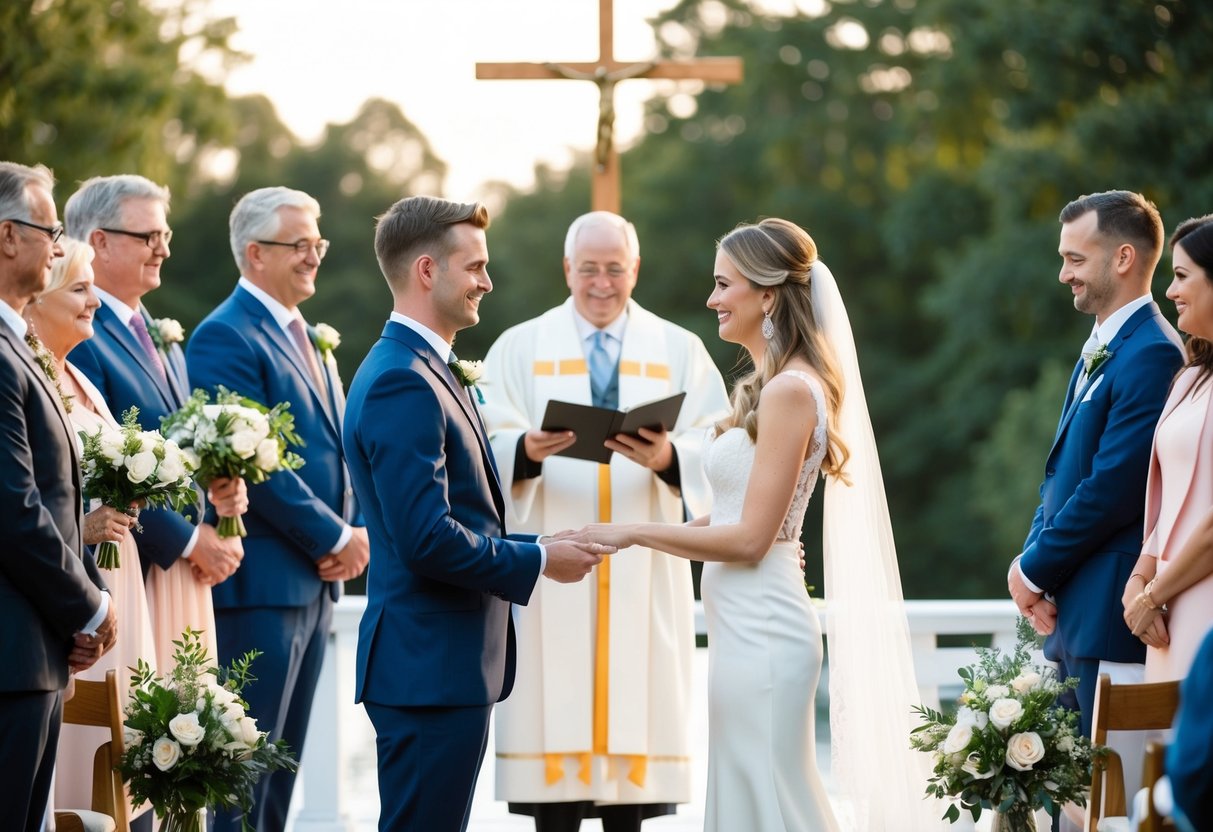
Personalizing your wedding vows is a special way to make your ceremony unique. Whether you choose traditional vows or custom ones, these words will express your love and commitment. Let’s look at some key aspects of creating the perfect vows for your big day.
Choosing Between Traditional and Custom Vows
When deciding what type of vows to use, think about what feels right for you. Traditional wedding vows often cover essential promises, like loving and cherishing one another. They provide a sense of familiarity.
On the other hand, custom vows allow you to express your personal feelings and experiences. This could include heartfelt promises, specific memories, or even inside jokes. Discuss your preferences with your wedding officiant to find a balance that reflects your love story.
Crafting Personal Vows with Professional Help
If you’re unsure how to write your own vows, consider hiring a wedding vow writer. These professionals can help you articulate your feelings and create a beautiful ceremony. They can guide you in sharing your love story, values, and important commitments.
Working with someone who understands vow writing can make the process smoother. This ensures that your personal vows truly resonate with both you and your partner. Don’t hesitate to ask for help if needed; your vows are an important part of the day.
Incorporating Humor and Emotion in Private Vows
Using humor and emotion can add warmth to your vows. Think about moments that made you laugh together and consider including those inside jokes. This approach creates a light-hearted atmosphere while also showcasing your bond.
Balancing humor with heartfelt sentiments is often effective. You can promise to support each other through life’s ups and downs, showing the depth of your commitment. Make sure your private vows reflect both the fun and the seriousness of your relationship for a well-rounded experience.