
Do Musicians Need to be at a Wedding Rehearsal? Understanding Their Role in the Big Day
When planning your wedding, you may wonder whether musicians need to be at the wedding rehearsal. In most cases, musicians don’t need to attend. The main focus of a rehearsal is to ensure that the wedding party knows their roles and the flow of the ceremony.
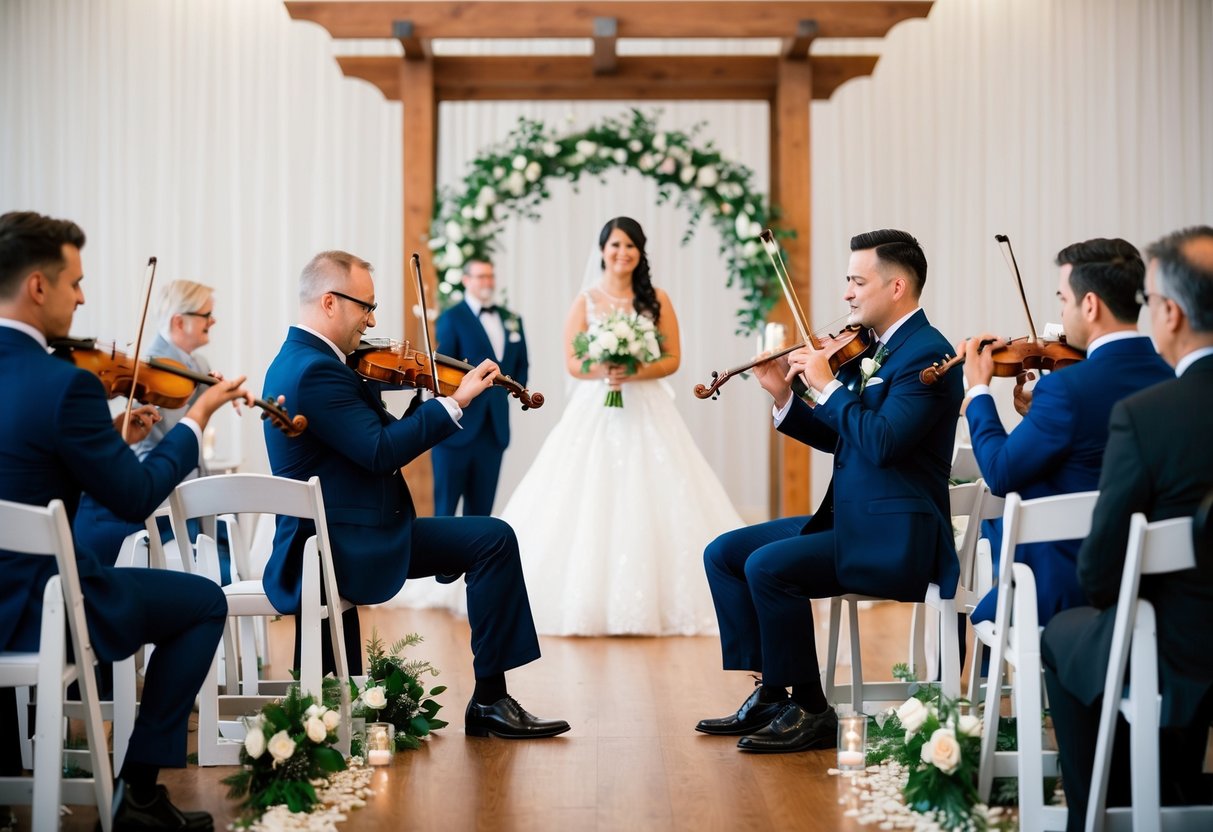
However, having musicians there can help if you want to finalize specific cues or understand how the music fits into the timing. If your ceremony involves unique elements or you have specific songs that need careful coordination, having them present might be valuable.
Think about how comfortable you feel with your musicians and how critical their role is to the ceremony. Having that clarity can help ease any worries and make your wedding day run more smoothly.
The Role of Musicians in Wedding Rehearsals
Musicians play a key role in the flow of your wedding ceremony. Their presence during the rehearsal can help ensure that music transitions smoothly, enhancing the overall experience.
Understanding the Need for Musicians During Rehearsals
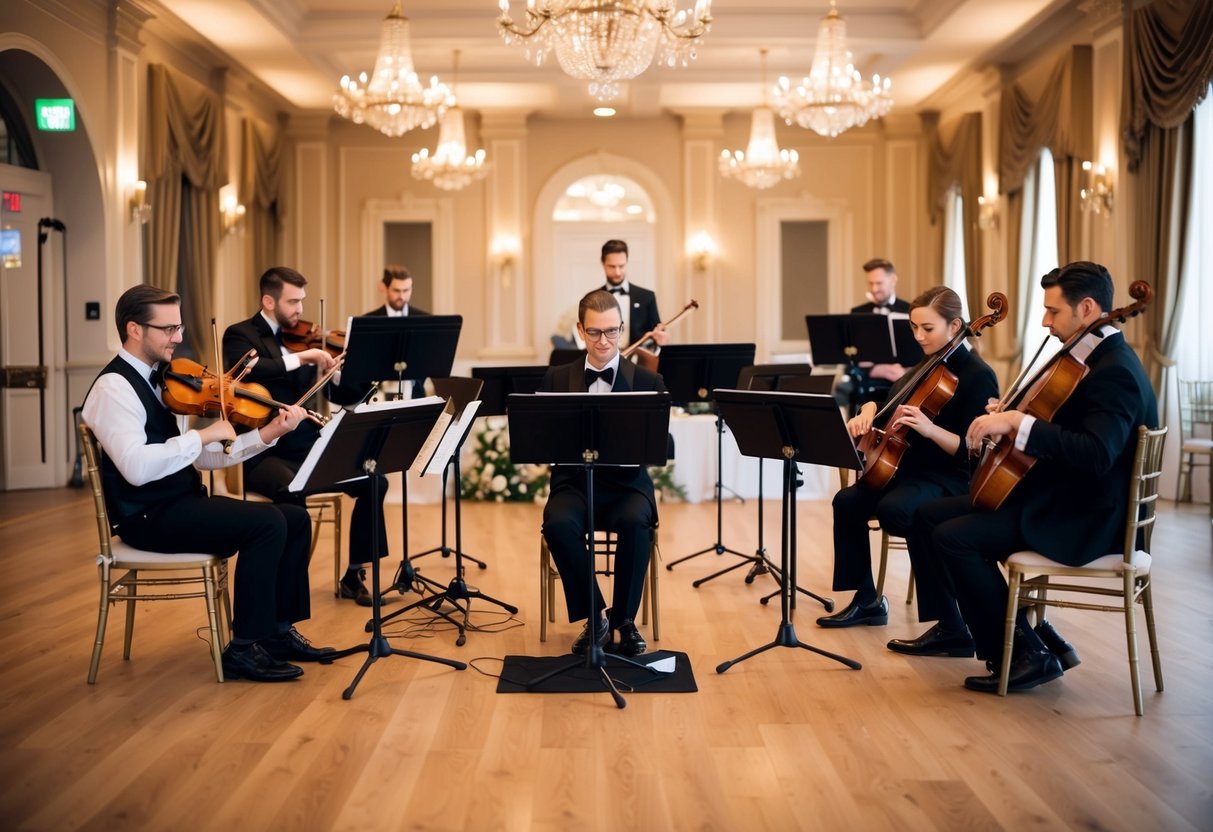
Having musicians at the wedding rehearsal can be crucial for several reasons. First, it gives them the chance to practice specific pieces of music within the context of the ceremony. This practice helps everyone know when to play, ensuring the right mood and timing.
Musicians can also adjust their performance based on your feedback. You might want a song to be softer or to change its timing. Rehearsing lets you communicate these preferences directly. Your musicians can also get comfortable with the venue and understand the acoustics, which can affect how they perform on the big day.
Coordination with the Officiant and Wedding Planner
Coordination with the officiant and wedding planner is another important aspect. During the rehearsal, musicians can align their performance with key moments in the ceremony. This ensures that, for example, the music begins perfectly as you walk down the aisle.
The officiant may have specific cues for when to start and stop the music. By discussing this in advance, musicians can better support the flow of the ceremony. This teamwork reduces confusion and leads to a more polished performance on your wedding day. Good communication boosts confidence for everyone involved.
Organizing the Ceremony Music
Organizing your ceremony music is key to setting the right mood for your special day. You want everything to flow smoothly, from the processional to the recessional.
Selecting the Processional and Recessional Music
Choosing the right music for the processional and recessional is crucial. You’ll want to select songs that are meaningful to you and your partner. Consider using a mix of classical pieces and modern songs that reflect your style.
Processional Tips:
- Think about the pace of the song. It should match the speed at which you walk.
- Ensure the musicians can play your chosen pieces confidently.
For the recessional, you might want something upbeat to celebrate your newlywed status. Songs that inspire joy, such as pop or rock anthems, can be excellent choices.
Rehearsing with the Wedding Party
Rehearsing with your wedding party is essential for a smooth ceremony. All members should know their cues for when to walk down the aisle.
Have the musicians practice with the wedding party, timing the music with each step. This helps everyone feel comfortable.
Rehearsal Checklist:
- Confirm the order of the processional.
- Ensure that the musicians are clear on when to start playing.
Make sure to allow everyone to ask questions during the rehearsal. It’s a great way to ease any nerves and help everyone feel prepared for the big day.
Day-of Coordination and Preparation
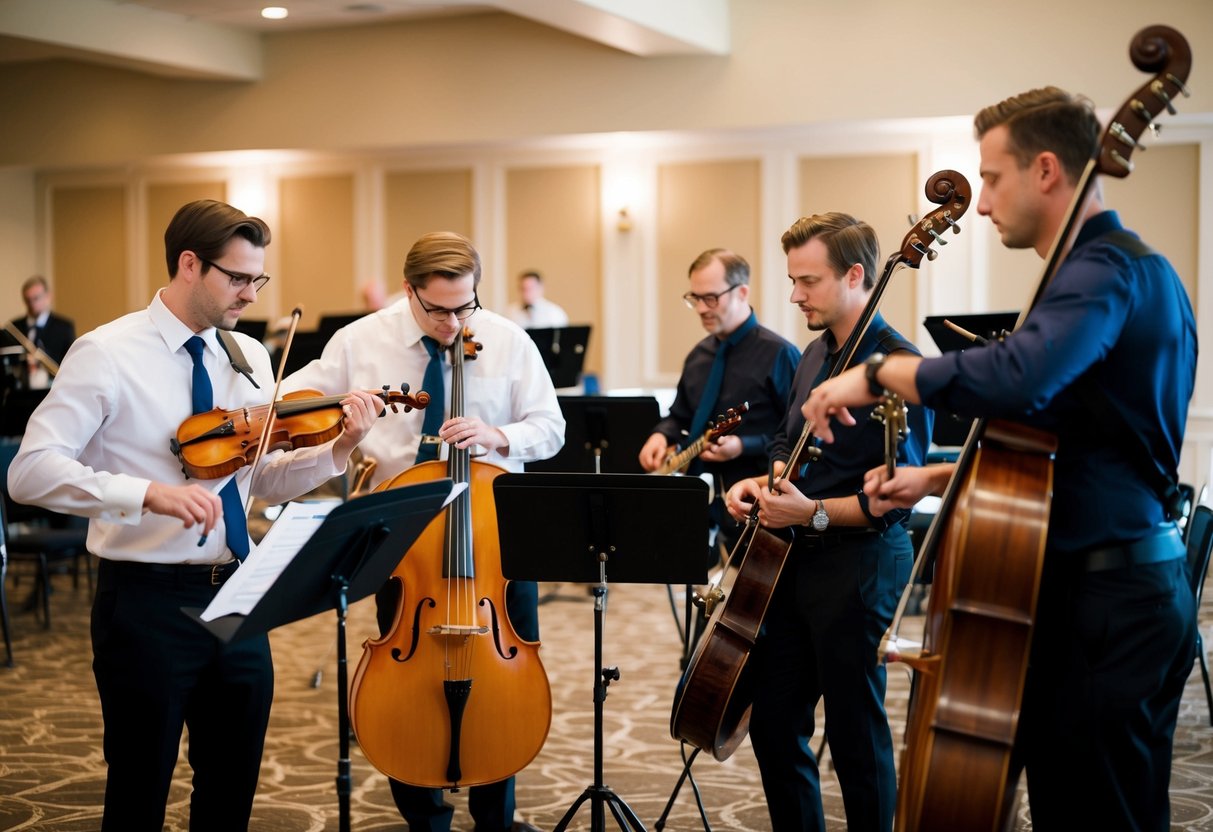
On the wedding day, coordination and preparation are key to ensuring everything runs smoothly. Knowing how to manage musicians during this time can help create a beautiful ceremony.
Final Sound Checks and Setup
Coordination begins early with final sound checks. Your wedding coordinator should arrive at least 30 minutes before the musicians to confirm equipment and setup.
Musicians need time to test their instruments and the sound system. This allows any issues to be addressed before the ceremony begins.
Ensure the musicians understand their designated spots, so they’re ready when the processional starts. Clear communication from your planner will help avoid last-minute confusion.
Also, find out if the musicians require power outlets or specific arrangements. Confirming these details helps everything flow smoothly on the big day.
Cueing the Music with the Ceremony’s Flow
During the ceremony, your wedding coordinator will play a vital role in cueing the music. They’ll keep an eye on the schedule to make sure everything stays on track.
The coordinator will signal the musicians when to start and stop the music for different segments of the ceremony. This includes the processional, recessional, and any special moments like readings.
Communication is essential here. Make sure the musicians and the coordinator have established a clear method for cues. This could be through visual signals or a small earpiece.
With this system in place, you can enjoy a seamless flow during your wedding ceremony.