
Do Parents Get Introduced at a Wedding Reception? Understanding the Traditions
At a wedding reception, many special introductions are common. A big question often arises: do parents get introduced? In many traditional ceremonies, the parents of the bride and groom are indeed introduced. They are usually introduced right before the bridal party. This moment allows guests to acknowledge the families who have played a key role in the couple’s journey.
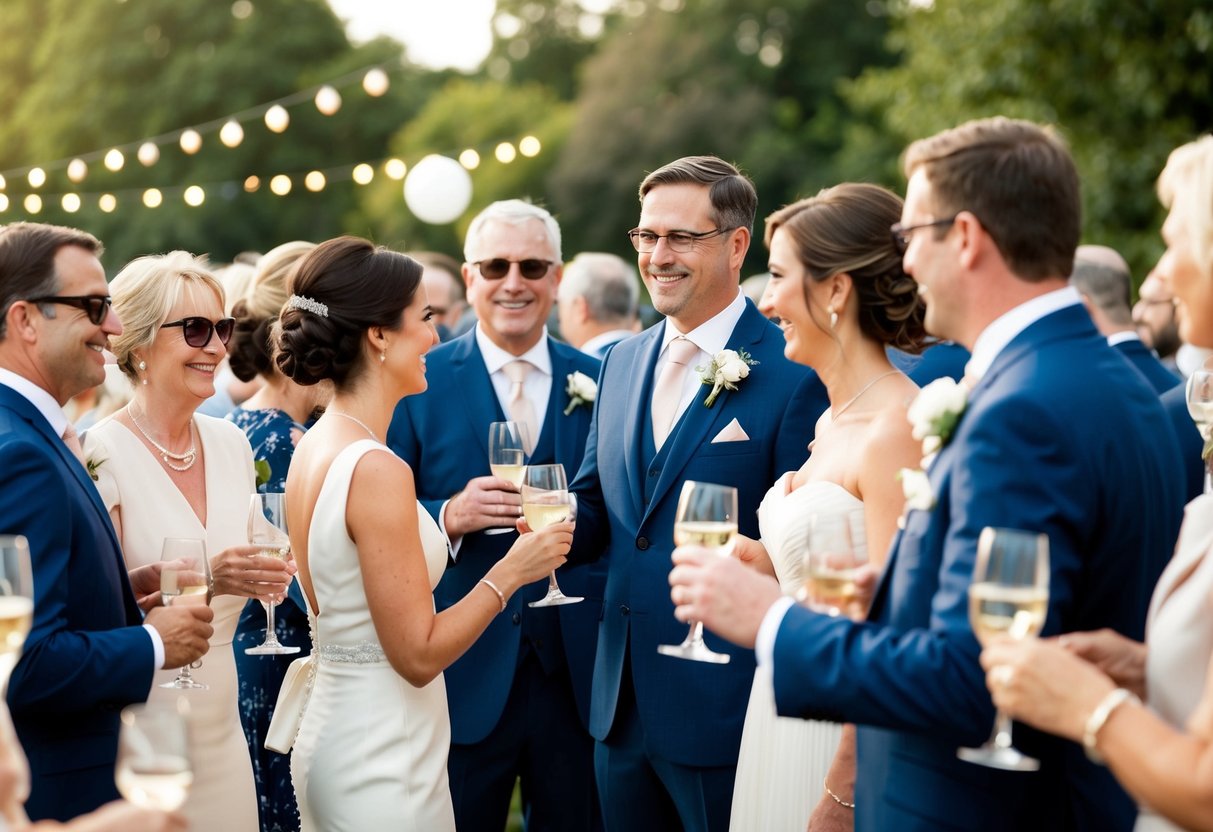
You can choose how to make the introductions meaningful for your celebration. For instance, you might introduce the parents of the bride first, followed by the parents of the groom. This practice helps guests feel more connected and honored to be part of your special day.
Whether you stick to tradition or personalize the introductions to fit your style, celebrating your parents during the reception is a lovely gesture. It’s a chance for everyone to share the joy and importance of family on such a significant occasion.
The Role of Parents in Wedding Receptions
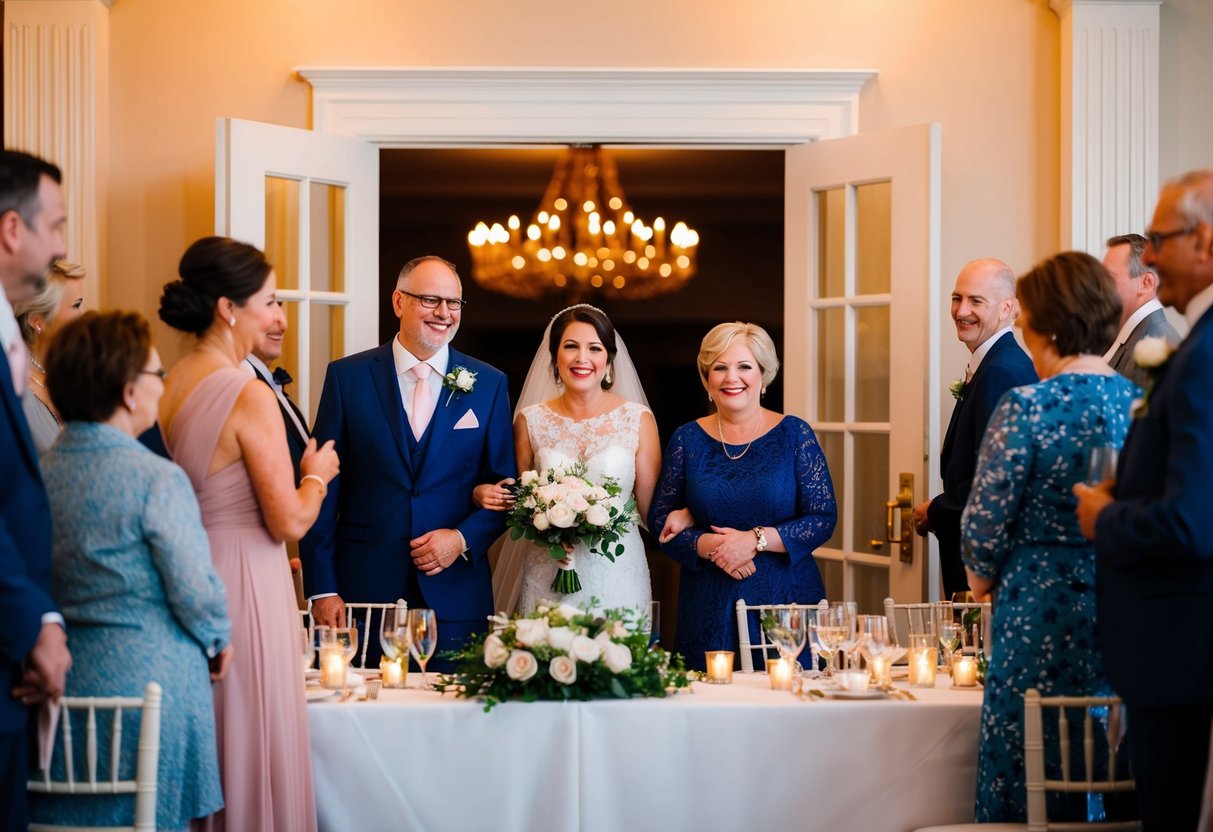
Parents play a meaningful part in wedding receptions. Their presence and introduction can add a special touch to the celebration, honoring family connections and traditions. Here is a look at how parents are introduced, the significance of these introductions, and how they vary in modern weddings.
Significance of Introducing Parents
Introducing the parents during the wedding reception is a way to celebrate family. For many couples, it’s important to acknowledge the roles their parents have played in their lives. This moment highlights the union of two families coming together.
For example, the parents of the bride are typically introduced first, signifying the start of the celebration. The parents of the groom follow, showing respect to both sides.
Furthermore, these introductions can foster connections among guests who may not know each other. It can start conversations and create a warm atmosphere filled with joy.
Traditional Introductions Format
In traditional wedding receptions, there is a common format for introductions. Usually, the grand entrance begins with the couple and their bridal party. After that, the parents of the bride are introduced, followed by the parents of the groom.
This structured approach helps in organizing the flow of the event. It is also a chance for guests to recognize the many people who contribute to the couple’s journey. Some events may even include announcing grandparents or other significant family members.
It’s a moment to acknowledge family legacies, which is a valued part of wedding etiquette.
Modern Adaptations for Introductions
As wedding styles evolve, so do the ways parents are introduced. Many couples opt for a more personalized approach in same-sex weddings or non-traditional ceremonies.
You might choose to introduce both sets of parents together, reflecting a modern take on family unity. Some couples have fun with creative introductions, using music or individual stories about their parents. This can make the moment more engaging for everyone.
Additionally, in smaller or more intimate weddings, couples may skip formal introductions altogether, choosing to recognize their parents at other times during the celebration.
Planning the Reception Entrance
Planning the reception entrance is an important step in creating a memorable atmosphere. You want everything to flow smoothly, ensuring that everyone knows their role and when to step into the spotlight.
Organizing the Introduction Order
Start by deciding the order in which you want to introduce everyone. Typically, parents are introduced first, followed by the bridal party, and finally, the newlyweds. This helps create excitement as the couple makes their grand entrance.
You can create a simple list to visualize the order. For example:
- Groom’s parents
- Bride’s parents
- Bridesmaids
- Groomsmen
- Maid of honor
- Best man
- Couple
Discuss with your MC or DJ to ensure they have all the right names and order down. Clear communication helps avoid any confusion during the event.
Coordinating with the Wedding Planner and MC/DJ
It’s essential to work closely with your wedding planner and your MC or DJ. They can help you shape the flow of the reception entrance. Make sure everyone knows what to expect.
Schedule a meeting to go over the details. Discuss your vision, including any special moments, like a dance or a unique greeting.
Create a timeline that includes when to start the introductions. Share this with your planner and DJ so they can keep everything on pace. This teamwork ensures your reception feels seamless.
Rehearsal Dinner Preparation
Including the introduction order in your rehearsal dinner is a smart move. This gives everyone a chance to practice their parts. It’s also a great opportunity to adjust anything before the big day.
During the rehearsal, run through the entrance as it would happen at the reception. Pay attention to timing and spacing. You’ll want to make sure everyone knows where to stand and when to step forward.
After the rehearsal, gather feedback from your wedding planner and the MC/DJ. They can provide valuable tips to refine the process, ensuring your reception entrance is as smooth as possible.
Executing the Introductions on the Special Day
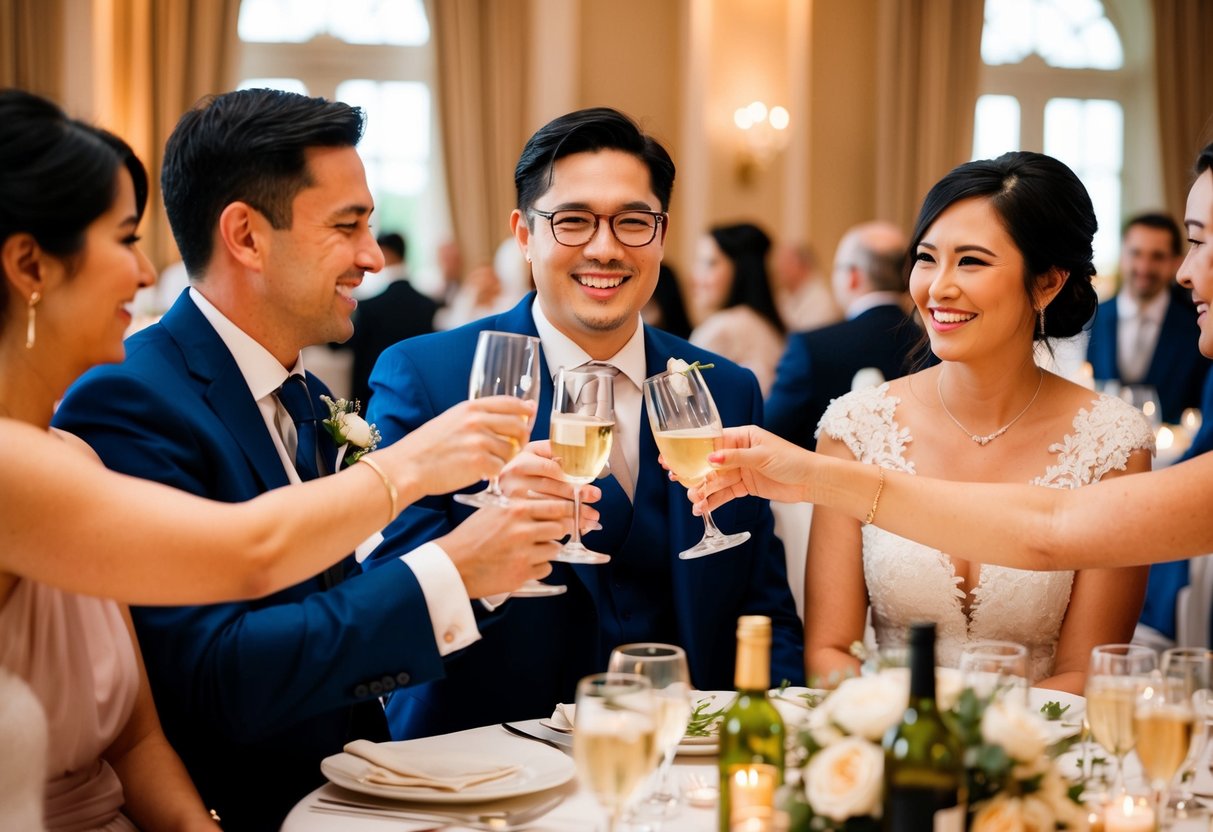
Introducing parents at your wedding reception creates a memorable moment for everyone. It’s important to plan this part carefully to ensure it flows smoothly and feels special. You want to make sure that guests know who is who while honoring your parents at the same time.
The Grand Entrance Flow
When planning the grand entrance, timing is key. Generally, the DJ or emcee will announce each individual as they enter. Start with parents before welcoming your wedding party and then you and your partner.
This order helps set a warm tone. You might consider playing a favorite song for this part to add more excitement. Make sure to practice the entrance with your emcee, so everyone knows what to expect. A smooth flow keeps the energy high and makes for great memories.
Seating Arrangements and Introducing Parents
A thoughtful seating plan enhances the introduction experience. Position your parents at a prominent table where guests can easily see them. This helps create a sense of importance.
When it’s time for introductions, the first two speakers usually announce the parents. You could have a specific order: first the bride’s parents, then the groom’s. This makes it clear and respectful while also being heartfelt. Engaging the guests with a few kind words about each parent can add a personal touch.
Role of the Officiant and Bridal Party
Your officiant can play a crucial role in the introduction process. They often lead the way, helping to set the atmosphere for the reception. This person can transition smoothly from the ceremony to celebrations.
The bridal party can also assist by entering shortly after the parents. This makes for an enjoyable surprise and keeps the focus on family. Make sure everyone knows their role and is comfortable with the order of introductions. This teamwork ensures your introductions are a highlight of the evening.
Reception Activities Involving Parents
During the wedding reception, parents play important roles that add warmth and tradition to the celebration. Their involvement can include giving speeches, participating in dances, and receiving special mentions.
Speeches and Toasts
The speeches and toasts during the reception are often heartfelt moments. The father of the bride frequently gives a toast, sharing stories and expressing his love for his daughter. This is usually a touching moment that sets the tone for the evening.
The best man and maid of honor may also share their thoughts. These speeches can include fun anecdotes and well-wishes for the couple’s future. Toasts often involve raising glasses filled with champagne or wine, making it a festive moment to remember.
Dances and Cultural Traditions
Dances at the reception hold great significance. The first dance between the couple is a highlight. Usually, the bride and her father share a dance, symbolizing the close bond they share.
Many cultures have special dance traditions that involve parents, such as the mother-son dance. This moment allows parents to celebrate their children’s new life together. It creates a sense of joy and connection for everyone involved.
Special Mentions and Acknowledgments
Special mentions and acknowledgments are a thoughtful way to recognize parents during the reception. Couples often take a moment to thank their parents for their support and love. This can be done during speeches or as a part of the emcee’s remarks.
You might also see parents’ roles highlighted during the bouquet toss or garter toss. Acknowledging your parents in these fun activities adds a nice touch. It shows appreciation for their guidance and love on this special day.