
Do Parents Go to the Rehearsal? Insights for a Smooth Ceremony
Planning a wedding involves many decisions, and one common question is whether parents should attend the rehearsal. In most cases, both sets of parents are expected to be there, as their support and presence can make a big difference. This event is a special time for families to come together and prepare for the big day.

The rehearsal is not just about practicing the ceremony. It’s also an opportunity for everyone to bond and understand their roles. Having the parents present can help ease any tension and show their involvement in the wedding. It can also create a warm atmosphere as everyone gets to know each other before the celebration.
As you think about your wedding plans, consider how important it is for your parents, and possibly other family members, to be part of this experience. Their participation can help make the day even more memorable.
Decoding the Purpose of the Wedding Rehearsal
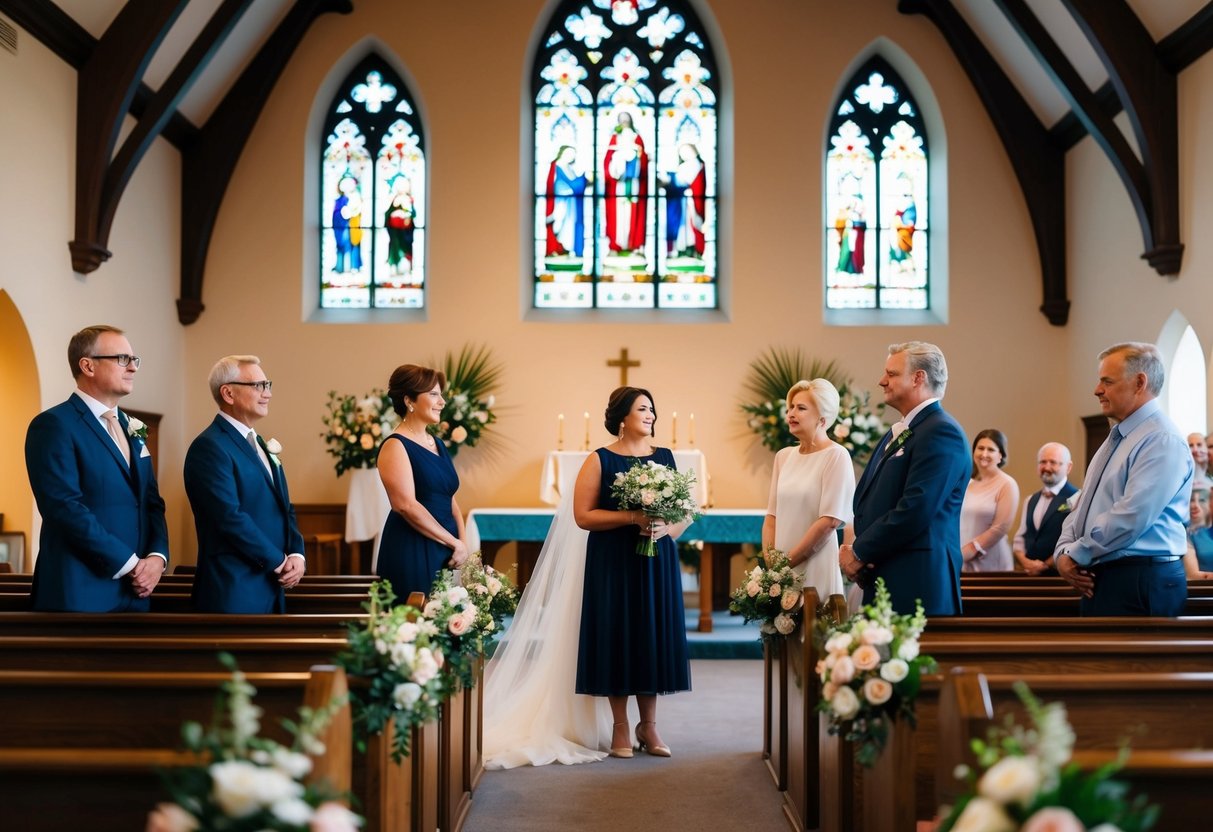
The wedding rehearsal is an important event for everyone involved in the ceremony. It helps ensure that the wedding day runs smoothly and eases pre-wedding stress.
Understanding the Role of the Wedding Party
Your wedding party plays a big role during the ceremony. They are not just there for support; they need to know their positions and what to do.
During the rehearsal, you will walk through key parts, like the processional. This is when everyone walks down the aisle. Each person should practice their specific entrance and exit.
Make sure to communicate expectations clearly. For instance, if you want the maid of honor to stand next to you, have her practice that spot. This time allows everyone to get comfortable before the big day.
Ceremony Rehearsal: Practice Makes Perfect
The ceremony rehearsal allows you to practice everything that happens during the wedding. This includes all major elements, like the exchange of vows and rings.
With your wedding planner, you will set a timeline. Being organized can help prevent last-minute confusion. Run through the ceremony in the order it will take place.
Each participant, including parents and the wedding party, should know their roles. This practice not only builds confidence but also creates a bond between everyone involved. You’ll likely find that this helps with any nerves on your wedding day.
The Officiant’s Part in Your Rehearsal
The officiant is a key figure in your ceremony. Their role extends beyond just leading the vows. They guide everyone during the rehearsal, helping each participant know what to expect.
During the practice, the officiant will explain the flow of the ceremony. This includes how to handle specific moments, like the processional and recessional. They may also address how to respond to unexpected situations.
Having the officiant present ensures everyone understands their duties. It also helps you feel more comfortable knowing that a professional is there to assist you. With their guidance, your wedding day can be a joyful experience without too much stress.
Creating Your Rehearsal Dinner Guest List
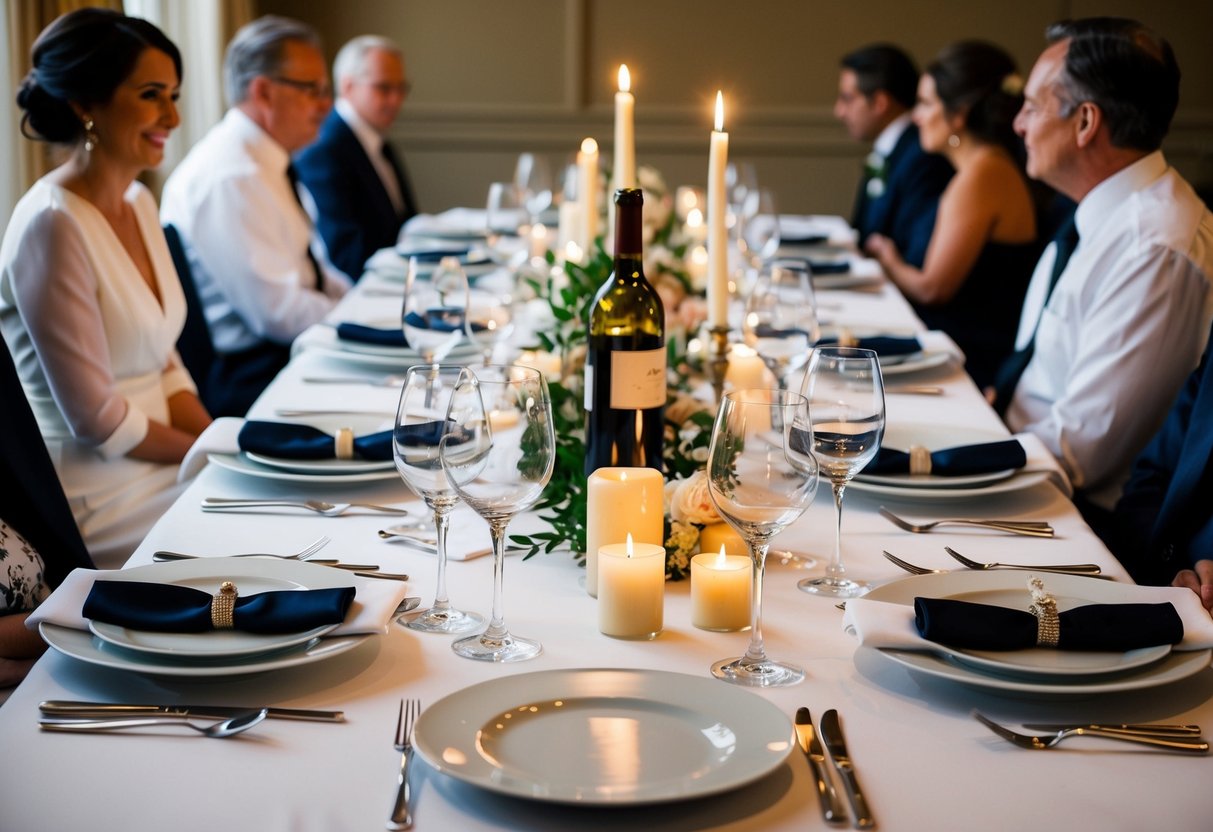
When creating your rehearsal dinner guest list, consider both immediate and extended family. You also want to make sure to accommodate out-of-town guests and decide if your bridal party should have plus-ones. Each choice affects the overall atmosphere of your event.
Balancing Immediate and Extended Family
Start by listing your immediate family members like parents and siblings. This group is usually the priority for your rehearsal dinner.
Next, think about your extended family. This includes aunts, uncles, and grandparents. They may not be part of the wedding party, but including them can show appreciation and strengthen family bonds.
Try to balance the number of guests from both sides, ensuring that no one feels left out. If space is limited, you might invite only those family members who are closest to you.
Inviting Out-of-Town Guests
If you have family or friends traveling from afar, it’s courteous to include them on your guest list. Out-of-town guests often appreciate having a chance to connect before the wedding day.
You may want to inform them about local accommodations so they can plan their stay. A wedding website can be helpful for sharing this information, making it easier for your guests to make arrangements.
Keep in mind that their presence may add to the excitement of the event. Just ensure that your venue can comfortably host everyone you choose to invite.
Should Bridal Party Members Get a Plus-One?
Deciding whether to allow plus-ones for your bridal party can be tricky. Generally, it’s good etiquette to offer this option, especially if your bridal party is in a relationship.
Consider the dynamics among your friends and family. If their significant others are not part of the wedding party, inviting them allows everyone to enjoy the evening together.
Make sure your venue can handle the extra guests. Plus-ones can help create a warm, inclusive atmosphere, but keep track of the numbers to avoid any surprises as you finalize your guest list.
Planning the Rehearsal Dinner
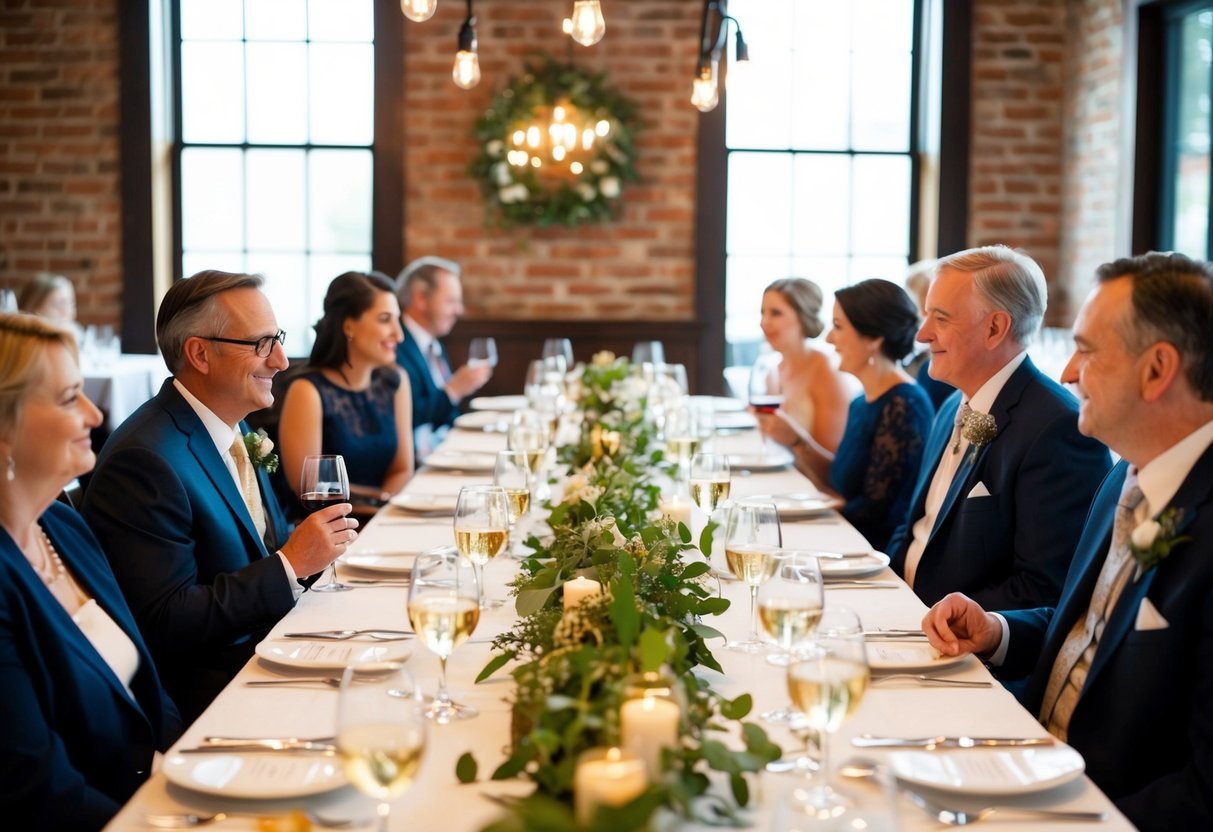
Planning the rehearsal dinner can be a fun and rewarding experience. You’ll want to choose the right venue, decide on a dress code, and manage invitations carefully. Each of these aspects plays a crucial role in making the evening memorable for everyone involved.
Selecting the Perfect Venue
Choosing a venue for your rehearsal dinner is key. Consider your budget first. Think about where you want to host it—at a restaurant, a family home, or even a park. Each option has its perks.
If you go for a restaurant, ask if they offer catering services or special menus for groups. If you’re at home, check that there’s enough space for everyone. Think about the atmosphere too. You want a place that feels warm and inviting. Visit potential venues to see how they fit your vision.
Deciding on the Dress Code and Decor
The dress code sets the tone for the evening. For an informal vibe, casual attire is a good choice. If you want something more elegant, consider semi-formal or formal options.
Consider your decor as well. Choose colors that match the wedding theme. Simple centerpieces or fairy lights can make a big difference. Keep in mind the seating chart. It helps to arrange guests logically to foster conversation while avoiding any awkwardness.
Managing Invitations and RSVPs
Sending out invitations is important for a smooth event. Decide if you want to send physical invitations or do it digitally through a wedding website. Make sure to ask for RSVPs so you can manage catering and seating properly.
When you create a list of guests, think about who you want there. Don’t forget to include parents and close family members! Remind guests about their role in the wedding too. Sending a gentle reminder a week before can help everyone confirm their attendance.
The Big Day and Beyond
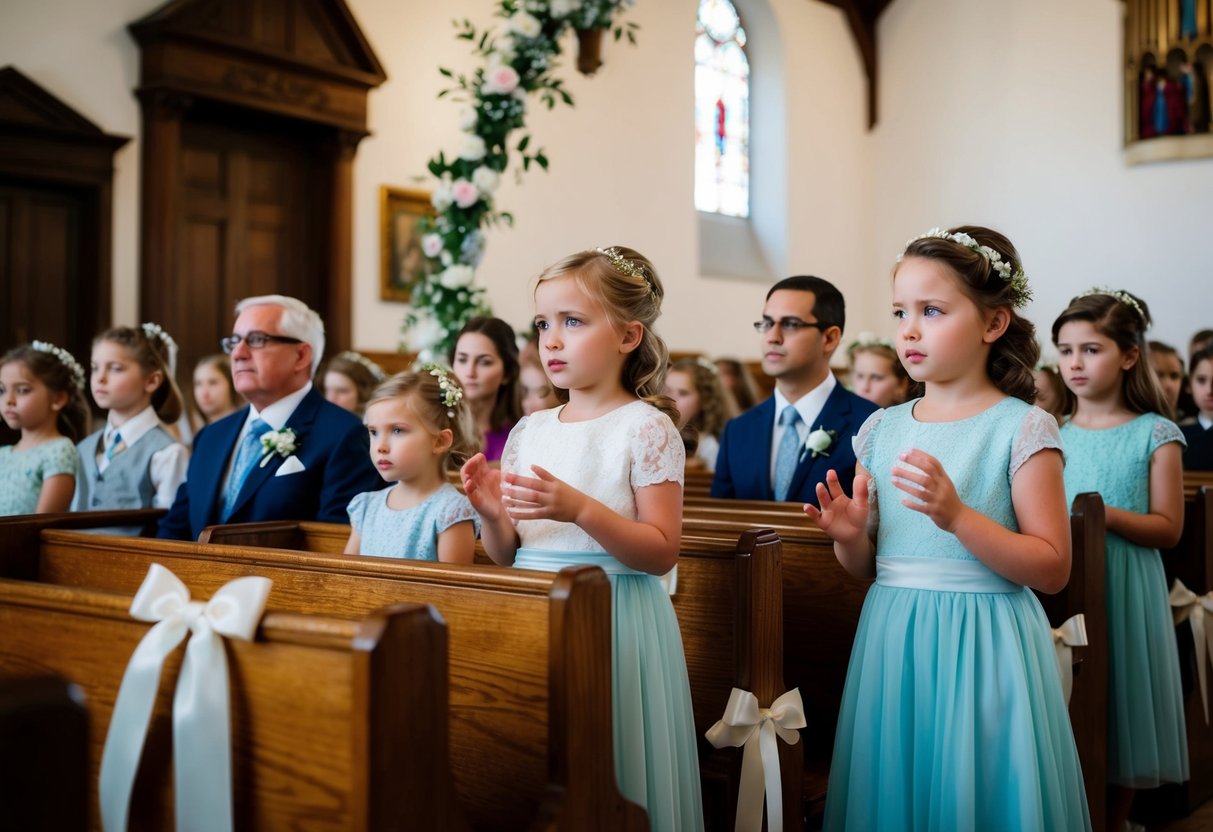
As your wedding day approaches, many important events unfold. The day includes the ceremony, a celebratory reception, and memorable moments throughout the weekend. Understanding these events helps ensure everything goes smoothly.
The Ceremony: Your Time to Shine
The wedding ceremony is your moment in the spotlight. Many key players are involved, from the couple to the ceremony readers and performers. Before the ceremony, it’s helpful to meet with your wedding planner to discuss the schedule.
Ensure that the flower girl knows her role too. She will add a special touch as she walks down the aisle. This is also the time for parents to take pride in their children as they witness the vows being exchanged.
Celebrating at the Wedding Reception
After the ceremony, the wedding reception is where the real fun begins. This celebration often includes dinner, dancing, and heartfelt speeches. Your wedding planner will help coordinate everything to make your night memorable.
It’s essential to thank your guests for coming, especially those who traveled far. Work with your planner to ensure that the hosts take care of this. Set aside a moment for the couple’s first dance, which is often a favorite memory for everyone.
Memories of the Wedding Weekend
The wedding weekend offers more than just the wedding day. Pre-wedding celebrations, such as bridal showers or engagement parties, set the stage for the main event. These gatherings allow you to bond with friends and family.
Encourage your loved ones to participate in activities that highlight your location. This may include local tours or group outings. Memories made during this time can be just as special as the wedding day itself, strengthening connections among everyone involved.