
Do Parents of the Bride Still Pay for the Wedding? Understanding Modern Tradition and Expectations
When planning a wedding, one of the most common questions that comes up is whether the parents of the bride still pay for the ceremony and reception. Traditionally, the bride’s parents covered most of the wedding expenses, but this is changing as more couples share costs with their families. Understanding this shift can help you navigate the financial conversations with your parents and in-laws.
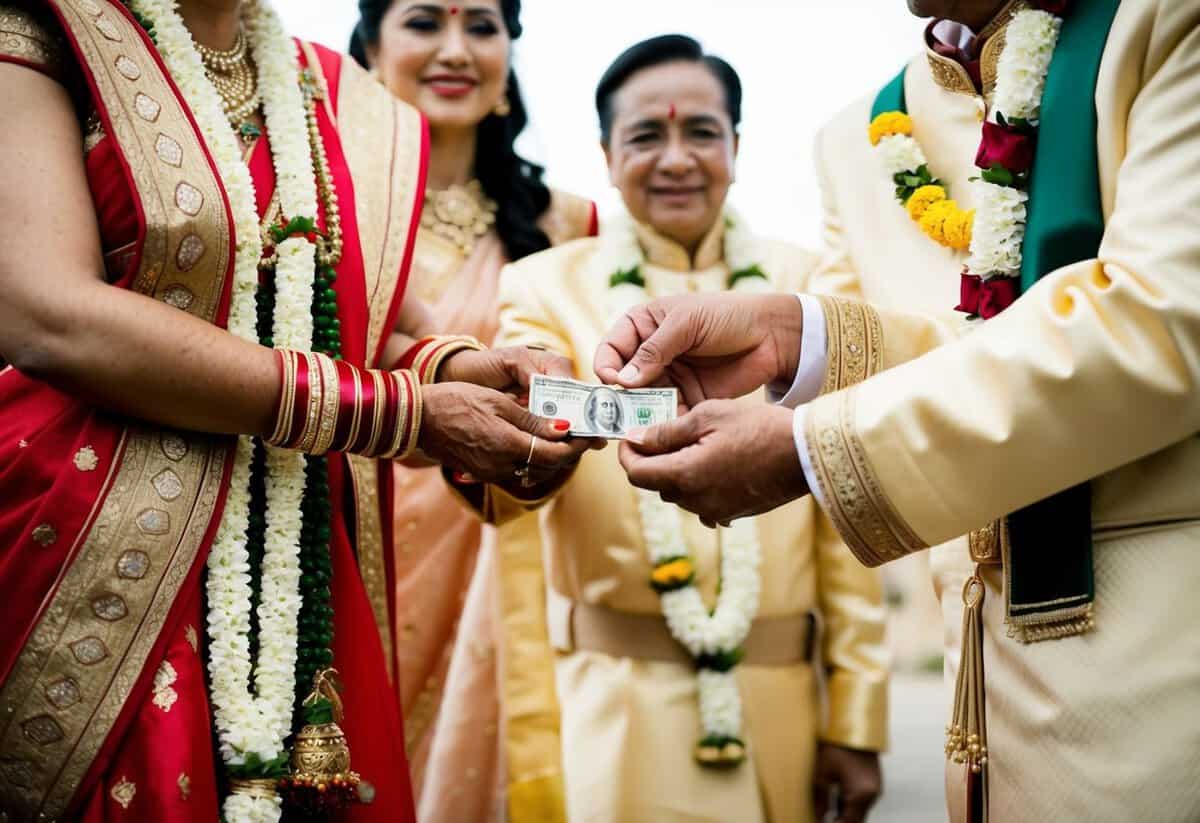
As you explore the role of parents in wedding planning, you might find that many families approach the financial aspect differently today. Instead of sticking to old customs, many couples discuss budgets openly and decide together who will contribute. This new approach allows for more flexibility and cooperation among families.
Whether you’re a bride-to-be or supporting someone close to you, knowing how expenses are typically divided can ease some stress. You’ll discover not only the traditional expectations but also modern trends that might work better for your unique situation.
Understanding Wedding Financial Responsibilities
Planning a wedding involves figuring out who pays for different expenses. This can vary greatly depending on traditions, family situations, and personal choices. Knowing the financial responsibilities will help you understand how to budget for the big day.
Wedding Planning Process
When you start planning a wedding, it’s important to set expectations about finances early on. Traditionally, the bride’s parents cover most of the costs. However, many couples now share these expenses.
Make a list of all possible wedding expenses. This might include venue fees, catering, decorations, and attire. Each person involved should know their financial limits.
Clear communication helps avoid confusion and ensures everyone feels comfortable with their roles in funding the wedding.
Wedding Budget
Establishing a wedding budget is essential. The average wedding cost can exceed $30,000, depending on your choices.
Start by listing major costs like the venue, food, and photography. Then, consider breaking your budget into categories:
- Venue: 30%
- Catering: 25%
- Attire: 10%
- Photography: 10%
- Flowers & Decor: 10%
- Miscellaneous: 15%
You can adjust these percentages based on your priorities. Being realistic about your budget helps prevent financial stress as the wedding date approaches.
Financial Independence and Contributions
Today, many couples are financially independent and share the costs of their wedding. Both families might contribute a set amount or cover specific expenses.
It’s common for parents to chip in, but it’s not a requirement. Discuss which family members may want to help. Financial contributions can help balance costs while respecting everyone’s capabilities and wishes.
Be open about your financial situation with family members. This allows for more personalized support and can ease pressure on everyone involved.
Roles of the Bride’s Family
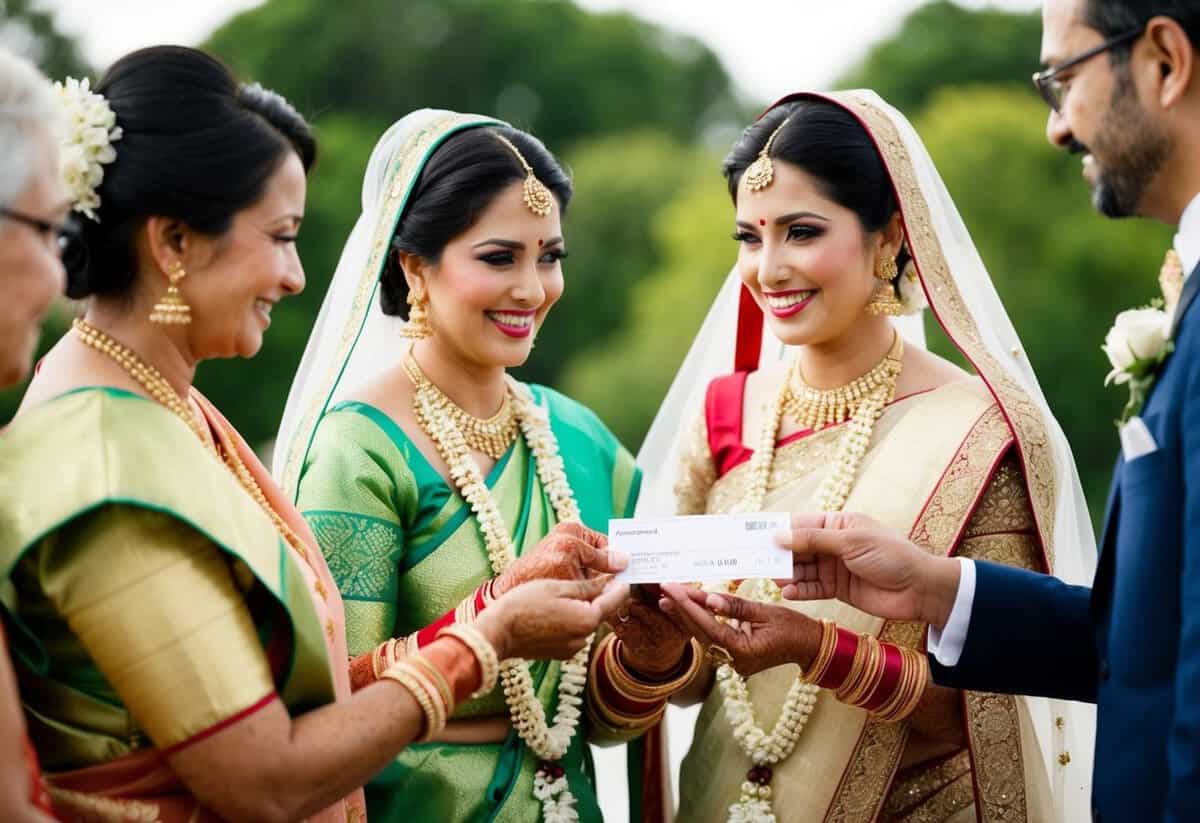
The bride’s family traditionally plays a significant role in wedding planning, particularly when it comes to covering costs. Understanding their responsibilities can help you navigate expectations and guide the planning process.
Traditional Expenses Covered by the Bride’s Parents
Traditionally, the bride’s parents take on many key wedding expenses. This often includes costs like the venue, catering, flowers, and the wedding cake. They may also pay for the bride’s attire, which can involve the dress, veil, and accessories.
In some cases, they cover the ceremony and reception details as well. This long-standing tradition dates back to times when the bride’s family provided a dowry as a show of support. Today, these customs can still be seen in various regions, shaping how many couples and families approach wedding planning.
Modern Approach to Wedding Costs
Modern couples often take a different approach to wedding financing. It’s common for both sets of parents to contribute, sharing the costs more evenly. This shift reflects changing societal norms and diverse family structures.
Many couples now choose to pay for their own weddings entirely. This can make the wedding feel more personal and tailored to their vision.
Additionally, some families may opt for more flexible arrangements, such as splitting specific expenses or even considering options like destination weddings, which can alter traditional cost divisions.
By understanding these evolving roles, you can better plan and discuss expectations with your family and future in-laws.
Planning the Wedding Celebration
As you begin planning your wedding celebration, consider the various events and elements that will make your big day memorable. From the engagement party to the floral arrangements, each part plays a significant role in the overall experience for you and your guests.
Engagement Party and Bridal Shower
An engagement party is often the first celebration. It’s a wonderful way to announce your engagement to family and friends. This gathering can be informal or formal, depending on your style.
Next, the bridal shower is usually hosted by friends or family. This event helps you relax and celebrate with close loved ones before the wedding.
You’ll want to create a guest list that reflects your closest friends and family. Both events set the tone for your wedding celebration.
Keep costs in mind and plan a budget that works for you. Offering small favors or gifts, like personalized items for guests, can add a special touch.
Wedding Reception Considerations
The wedding reception is a major part of your celebration. It typically takes place after the ceremony.
Choosing a venue is crucial, as it will impact the atmosphere and guest experience. Consider factors like seating arrangements and table settings.
You can hire a wedding planner to help manage these details and ensure everything runs smoothly. Think about your catering choices, too; food plays a significant role in guest satisfaction.
Don’t forget about entertainment options! A good DJ or live band can elevate the celebration and keep your guests dancing. Planning activities, such as toasts or games, can further enhance the reception experience.
Photography, Flowers, and Styling
Capturing every moment is vital, so investing in quality photography and videography is important. Choose a photographer whose style matches your vision.
Discuss your preferences and any must-have shots to ensure they understand your needs.
Floral arrangements can make a big impact on your wedding’s aesthetics. Decide on the types of flowers you want and how they’ll fit with your colors.
Work with a florist to create beautiful centerpieces and bouquets. Styling is also key to bringing your vision to life.
Think about decorations, linens, and lighting. Each element should complement your wedding theme, making the day feel cohesive and special.
Don’t forget to include thoughtful touches, like bridesmaids’ gifts, to show appreciation to your closest friends.
Finalizing Marriage Formalities
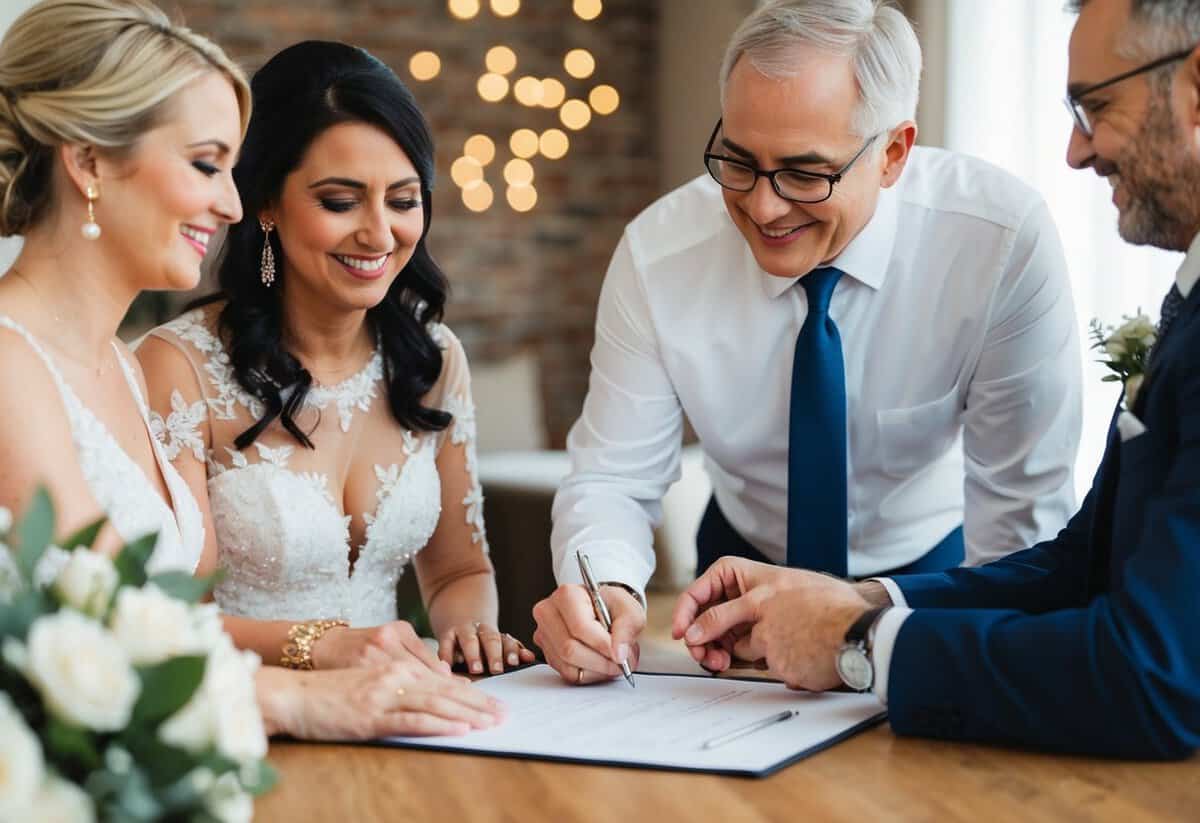
Before your wedding day, there are several important steps to finalize marriage formalities. These include handling legal requirements and selecting essential items like rings and attire. Here’s what you need to keep in mind.
Legal and Ceremonial Requirements
To get legally married, you need a marriage license. This is usually obtained from your local government office.
Be sure to check the requirements in your area, as they can vary. You may need to provide identification and pay a small fee.
After obtaining the license, you will also want to choose an officiant to conduct the ceremony. This could be a religious leader or a judge. Don’t forget to ask about the officiant fee, as it can vary widely.
Remember that some places require you to wait a few days before the marriage can take place after you get the license. It’s a good idea to plan this ahead of your wedding date to avoid any delays.
Wedding Rings and Attire
Selecting your wedding rings is an exciting part of the planning process. Traditionally, couples choose bands that complement the engagement ring. Make sure to consider your personal style and budget when selecting these pieces.
In addition to rings, choosing what you will wear is equally important. The wedding dress is often the centerpiece, so look for one that reflects your style. Don’t forget about the groom’s attire! Coordinating looks can create a cohesive wedding theme.
When it comes to wedding etiquette, couples usually pay for their attire. However, some families may help with costs. Planning these details can make your wedding day feel even more special.