
Do Parents of the Bride Still Pay for the Wedding? Understanding Modern Traditions and Expectations
Wedding traditions have evolved over the years, and one of the most talked-about topics is the question of who pays for the wedding. Traditionally, the bride’s parents often handled most of the wedding expenses, but today, many modern couples are taking a more balanced approach to financial independence. This shift means that you might find both families contributing to the celebration.
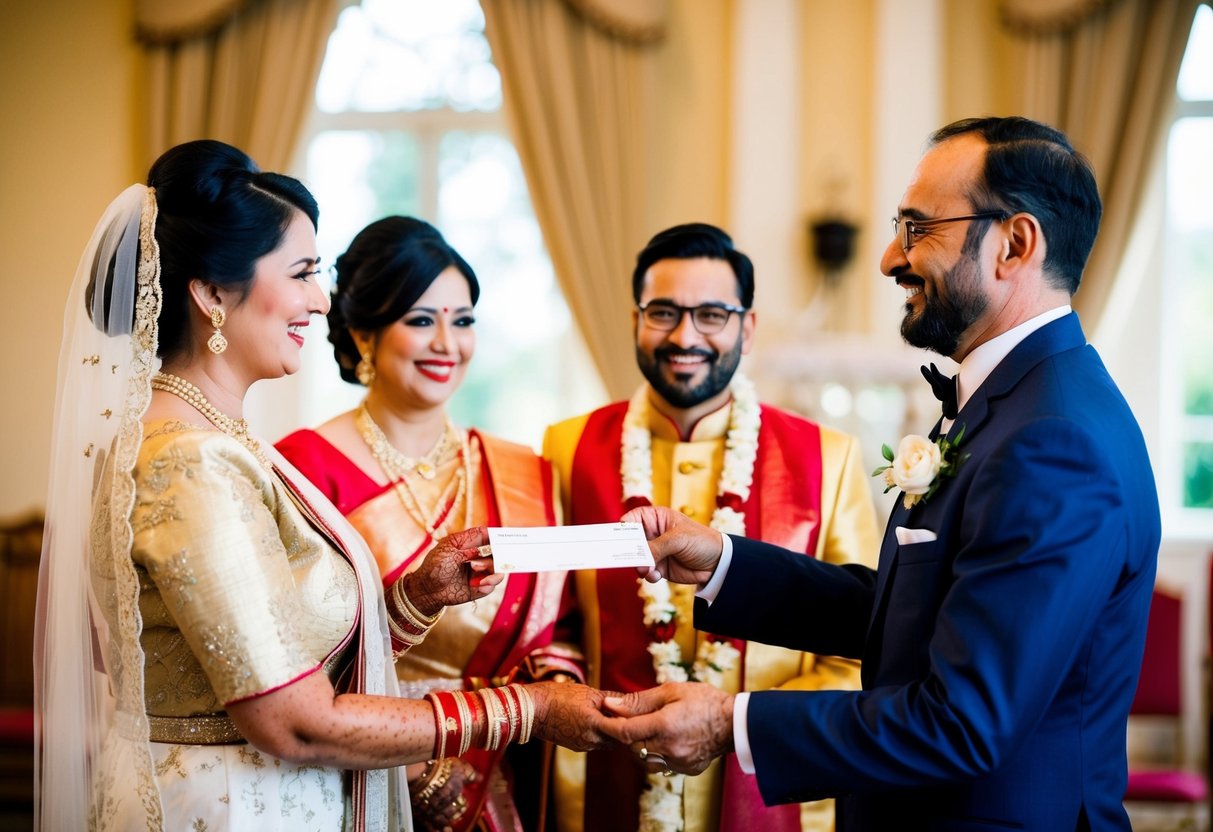
Planning your wedding can be exciting, but figuring out the finances can be tricky.
Understanding who pays for what can help ease some of the stress that comes with wedding planning. As you navigate this journey, knowing the expectations for financial contributions can clarify things for you and your families.
If you’re curious about the traditional roles versus modern practices, this guide will explore the various ways families approach wedding costs today. Whether you’re a bride, groom, or family member, getting a grasp on this topic can make planning your special day a whole lot smoother.
Understanding Wedding Expenses
Wedding expenses can add up quickly. It’s important to know what costs to expect and who traditionally pays for what. Understanding these factors can help you create a realistic budget.
Cost Breakdown of a Wedding
When planning a wedding, it’s useful to break down the costs. Here are some typical expenses you might encounter:
-
Venue: This is usually one of the largest costs. Prices can vary based on location and amenities.
-
Catering: Feeding your guests is important. The average cost per person can range from $50 to $200, depending on the menu.
-
Photography: Quality photos capture memories but can be costly. Expect to spend between $1,500 to $3,000.
-
Attire: Don’t forget about the bride’s dress, groom’s suit, and accessories, which can add up significantly.
-
Decorations and Flowers: These can enhance the wedding’s beauty but consider your budget—this can be anywhere from a few hundred to several thousand dollars.
Planning for these expenses early can help maintain a balanced wedding budget.
Traditional vs. Modern Responsibilities
Traditionally, the bride’s parents cover most of the wedding expenses. This includes the ceremony, reception, and often the honeymoon.
However, modern trends show a shift. Many couples today share these financial responsibilities.
Both sets of parents may contribute, or couples might pay for their own wedding. This can lead to a more affordable and personalized experience.
Discussing who pays for what is crucial for managing expectations. Open communication with family about budget and contributions can lessen stress and help create a day that reflects your style.
Bridal Contributions
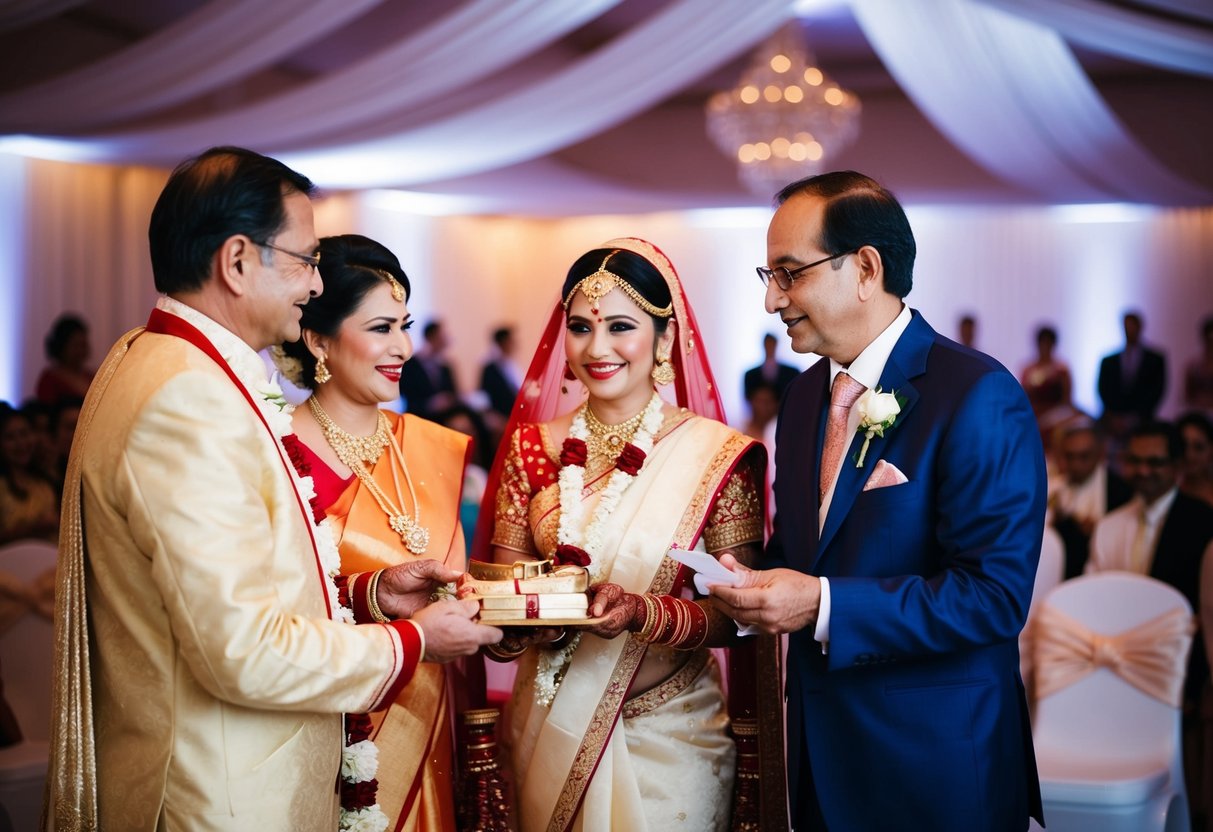
When planning a wedding, understanding who contributes to various expenses is key. While traditions evolve, certain roles remain significant in wedding planning, especially for the bride’s family. Here’s a look at their contributions.
The Role of Bride’s Parents
Traditionally, the bride’s parents cover many wedding expenses. This often includes costs related to the ceremony and reception.
Your parents might handle the venue, catering, and entertainment. They play a big part in ensuring the day is special.
While this is a common practice, it’s becoming more typical for couples to share costs with both sets of parents. This helps to ease the financial burden and involves everyone in the celebration.
Rehearsal Dinner and Engagement Party
The bride’s family typically hosts the rehearsal dinner. This event allows everyone to relax before the big day.
You might enjoy a quieter atmosphere with close family and friends.
Additionally, if there’s an engagement party, the bride’s parents often take the lead on arrangements. This can include booking a venue and coordinating food and drinks.
These gatherings set the tone for the wedding and help bring families together.
Floral Arrangements and Decor
Wedding flowers are another area where the bride’s family often contributes. Your parents may handle the costs for bouquets, centerpieces, and other floral decor.
This can greatly influence the wedding’s aesthetic.
Choosing the right flowers can reflect your style and theme.
Your family’s support in these decisions can make a big difference. By collaborating on floral arrangements, you create a beautiful setting to celebrate love and unity.
Beyond the Ceremony
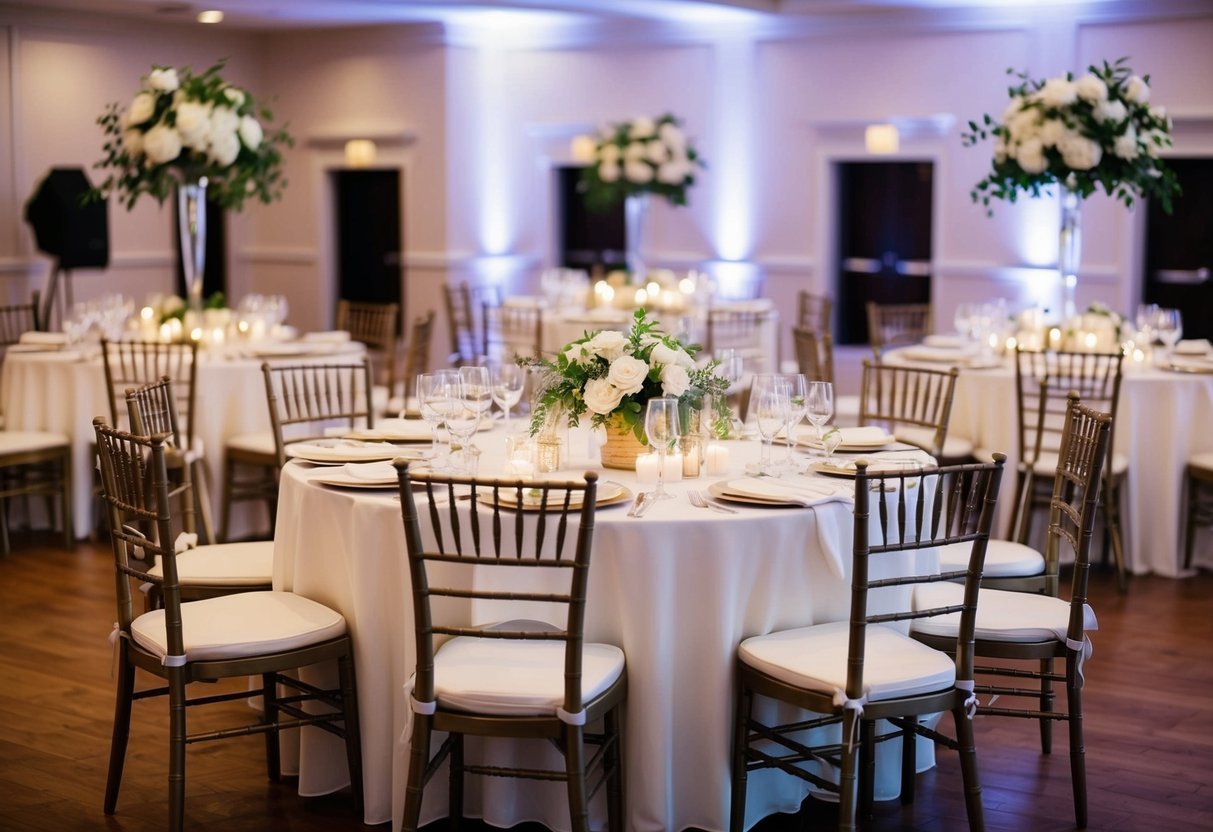
The days leading up to and following your wedding day involve many important details. After the ceremony, there are key aspects to consider such as planning for the honeymoon, organizing the reception, and capturing memories through photography.
Planning the Honeymoon
When it comes to planning your honeymoon, decide on a destination that both you and your partner will enjoy. Consider factors like budget, time off, and activities available.
Some couples may choose to pay for their honeymoon themselves, while others might receive contributions as gifts.
Be sure to book flights and accommodations early to secure better rates. If you’re not sure what to do, consult a wedding planner or travel agent. They can help create a fun itinerary that fits your interests.
Reception Details and Gifts
Your wedding reception is another big part of the celebration. You may want to discuss who will cover expenses like the venue, catering, and wedding cake.
Traditionally, the bride’s parents might handle most of these costs, but today, many couples or both sets of parents contribute.
Also consider gifts for your wedding party. Express your appreciation with personalized gifts or experiences. Small tokens can strengthen these important relationships.
Wrapping Up with Photography
Hiring a good wedding photographer is essential for preserving memories. Your photographer will capture moments, from the ceremony to the reception.
Wait to finalize your selection until you’ve reviewed their portfolios and discussed packages that include both photography and videography services.
Don’t forget to communicate your wishes for specific shots. Make sure you have a shot list, including family photos and candid moments from the day. This way, you’re guaranteed to get the photos you truly want.
Financial Etiquette and Contributions
Navigating who pays for what during a wedding can be tricky. Understanding financial etiquette helps clarify expectations for everyone involved.
Who Covers What?
Traditionally, the bride’s family has taken on most of the wedding costs. This includes expenses like the venue, catering, and flowers. The groom’s family might have covered the rehearsal dinner and transportation for the wedding party. Today, many couples share the costs more equally.
Here’s a simple breakdown of common expenses:
- Bride’s Family: Ceremony site, flowers, photographer, reception venue, bridal gown, and related costs.
- Groom’s Family: Rehearsal dinner, marriage license, and sometimes the officiant fee.
- Couple’s Shared Costs: Engagement ring, wedding rings, hair and makeup, and honeymoon.
Groom’s Family Expenses
The groom’s family traditionally has less financial responsibility compared to the bride’s family. However, this can vary based on cultural background and individual preferences.
Often, they cover expenses like the rehearsal dinner, which involves food and drinks for the wedding party and close family. They may also pay for gifts for bridesmaids and transportation for the couple during the wedding festivities. This shows support and involvement in the celebration.
Having open discussions about financial responsibilities helps avoid misunderstandings. It’s best for both families to communicate clearly about what they are comfortable covering.
Allocating Funds Fairly
With changing times, many couples now pay for their own wedding costs. Couples often sit down with parents to discuss budgets and contributions. This conversation can help clarify expectations and ensure everyone is on the same page.
Consider creating a shared spreadsheet to detail costs and commitments. Be open about any financial limitations and share ideas for budget-friendly options.
You might choose to cut back on certain expenses, like reception alcohol or lavish decorations. Also, minimize costs by considering DIY projects or local vendors.
Transparent communication is vital for building a supportive atmosphere. This way, all parties feel valued and included in the wedding planning process.