
Do Parents Sit at the Head Table at a Wedding? Exploring Traditions and Choices
Your wedding day is one of the most significant events in your life. When planning your wedding reception, you might wonder about the seating arrangements, especially regarding the head table. Parents often sit at the head table, which allows them to join the bride and groom during this special celebration.
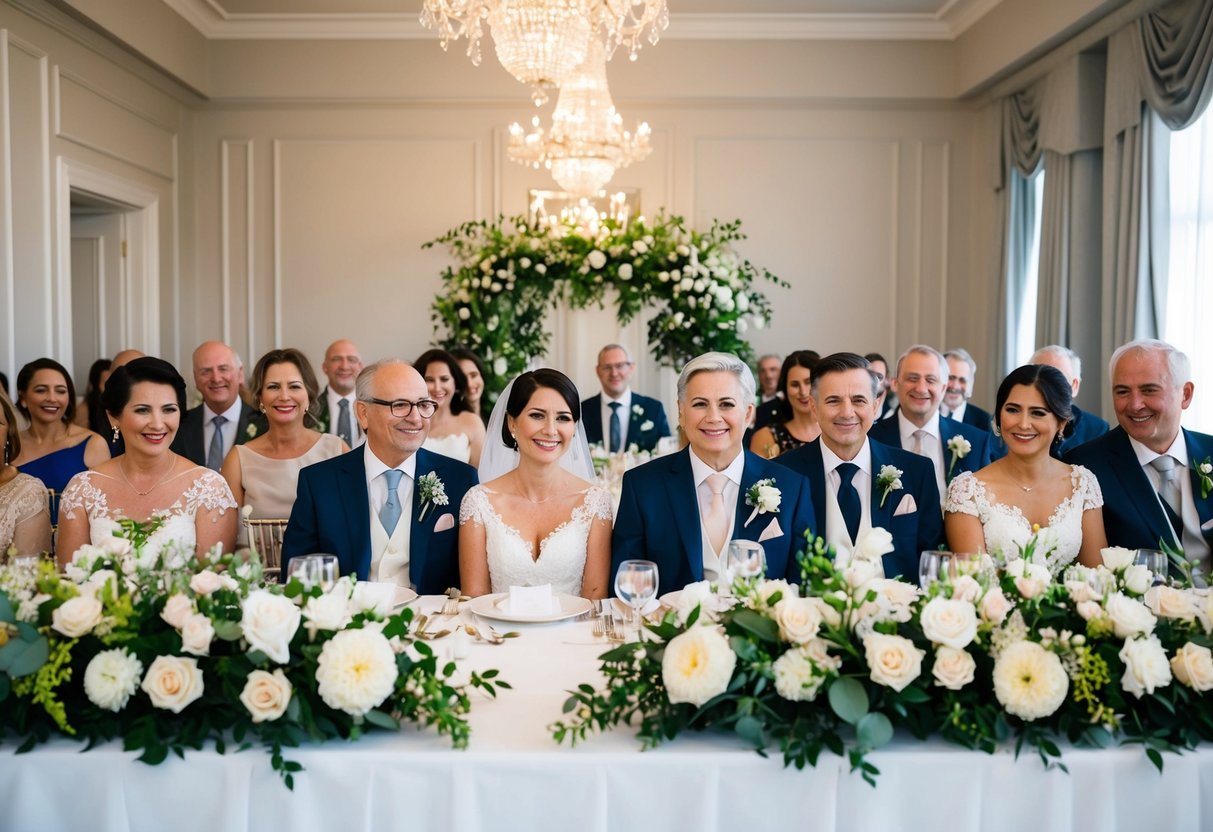
The head table serves as a focal point during the reception, showcasing the newlyweds with their closest family. Including your parents at this table can symbolize their important role in your life and partnership.
As you create your seating chart, think about the relationships and dynamics that will make everyone feel comfortable and included.
Deciding who sits at the head table can help set the tone for the entire evening. By placing your parents there, you honor them and create a shared experience that highlights the love and support surrounding your marriage.
Whether you choose a traditional setup or a more modern approach, keeping your loved ones close will enhance the joy of the occasion.
The Significance of the Head Table
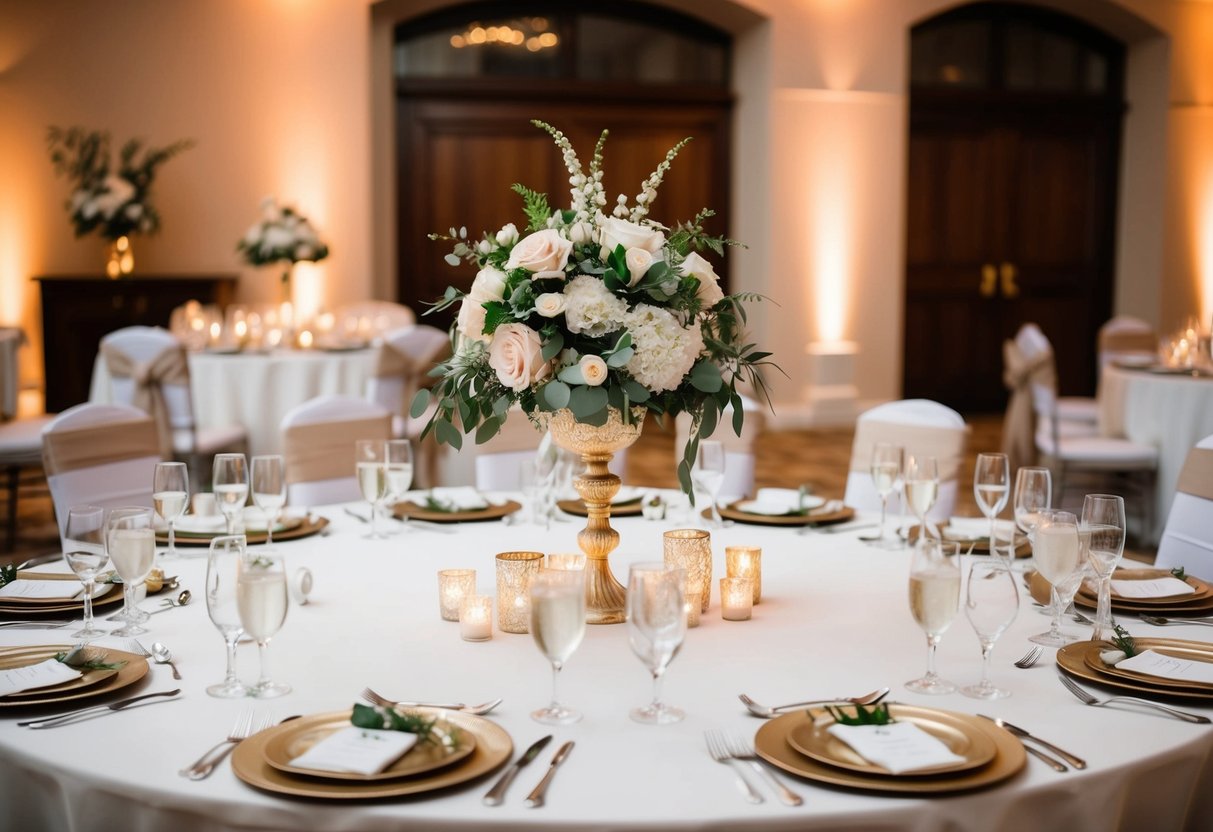
The head table is an important focal point at a wedding reception. It not only highlights the bride and groom but also symbolizes the relationships that matter most on this special day. Understanding the significance of this table can help you make thoughtful seating choices.
Defining the Head Table
The head table is usually placed at the front of the reception area. This is where the bride and groom sit, often alongside their closest friends and family.
Traditionally, it includes the maid of honor and best man, as well as other members of the wedding party.
Seating these individuals together emphasizes their roles in your life and the celebration. This arrangement fosters a sense of unity, making it easier for everyone to share in the joy of the day.
Roles at the Head Table
Each person at the head table has a specific role. The bride and groom are the main guests of honor, enjoying the spotlight.
The maid of honor and best man sit nearby, displaying their close connection to the couple. If you have a larger wedding party, you might include additional bridesmaids or groomsmen, ensuring that the table reflects your important relationships.
When planning your seating, remember to consider seating etiquette. Keeping family dynamics in mind can help everyone feel comfortable.
Your choices at the head table set the tone for the evening and honor those who support you most.
Traditional Seating Arrangements

When planning a wedding, seating arrangements are key to creating a comfortable atmosphere. Understanding traditional seating can help you decide who sits where, especially at the head table.
Who Sits Where
At the head table, you typically find the newlyweds at the center. Immediate family members often join them, like parents and siblings.
The table of honor usually includes the bride and groom, their parents, and close relatives. This arrangement allows for heartfelt interactions and support throughout the reception.
If you want to include more guests, consider a mixed seating arrangement. You can combine immediate family with wedding party members. This is a great way to honor all important relationships while still following traditional etiquette.
Plan your seating chart carefully to ensure that everyone feels included and respected on your special day.
Alternatives to Traditional Seating

If you’re considering alternatives to having parents at the head table, there are a few creative options. These choices can help make your wedding feel special and accommodate family dynamics.
The Sweetheart Table
The sweetheart table is a popular alternative. This setup allows you and your partner to sit alone, creating an intimate atmosphere while still being the focal point of the reception.
You can place the sweetheart table at the center of the room or slightly elevated. It’s common for a flower arrangement or decorative backdrop to highlight this table.
This option lets you engage with your guests as you wish, without the pressure of assigning seats around you. It also gives you a chance to enjoy each other’s company throughout the evening.
Special Considerations for Divorced Parents
When dealing with divorced parents, traditional seating can be tricky. You may want to consider separate seating arrangements to avoid any unnecessary tension during your special day.
One idea is to have each parent at their own table with close friends or family. This allows them to feel important without direct confrontation.
Alternatively, seating divided by sides can work too. Each parent can sit with their respective family members, which may help to keep things comfortable for everyone.
Incorporating Personal Preference
Your wedding should reflect you and your partner’s preferences. Don’t hesitate to think outside the box.
Discuss what feels right for you regarding seating arrangements. Maybe you want a close friend as a tablemate or to include siblings at your table.
Personal preference can also extend to table decorations or themes to make your seating more unique. Include elements that matter to you for a memorable experience. Remember, your day is about celebrating your love and relationships.
Managing Guest Expectations and Etiquette
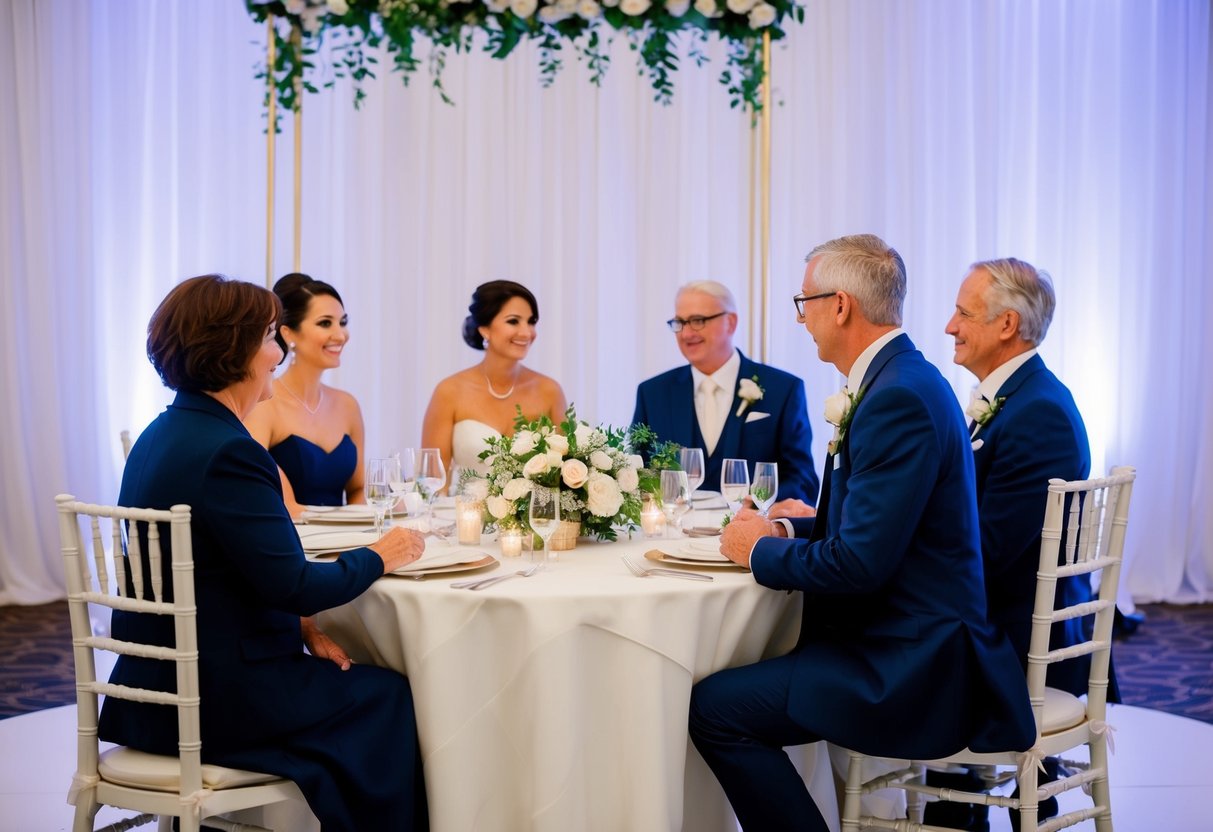
Managing guest expectations and etiquette at a wedding can seem challenging, but clear communication and planning can help. Understanding where to seat your parents, grandparents, and children will ensure everyone feels included and comfortable.
Invitations and RSVPs
When creating your guest list, be mindful of relationships and dynamics among guests. Clearly indicate whether children are invited on your invitations. This helps set expectations for families.
Encourage guests to send their RSVPs promptly. This allows you to finalize seating arrangements early.
You can create a seating chart based on the RSVPs. Some couples choose to include a note about seating preferences on the invitation to keep things organized.
Seating Grandparents and Distinguished Guests
Seating grandparents at the wedding is crucial due to their importance. Often, grandparents sit near the couple and the parents. This gesture acknowledges their role in your lives.
Consider their comfort too; ensure they can easily access their seats without difficulty.
For distinguished guests, such as special family friends or mentors, provide them with seats near the head table or the couple. This shows respect for their relationship with you and acknowledges their support. You can create a special table for these important figures.
Children and Ceremony Seating
If you have child attendants, plan their seating carefully. They can sit with their parents during the reception. If they are in the wedding processional, make sure they understand their role clearly.
Decide if you want to provide a separate kids’ table at the reception. This can make the environment more enjoyable for kids. It’s a chance for them to interact with others their age.
During the ceremony, seating children can be a bit tricky. You should sit them close to their parents, but not so close that they distract from the ceremony. This makes it easier for parents to manage their children’s behavior while enjoying the event.