
Do Parents Sit with Bride and Groom? Understanding Family Seating Traditions at Weddings
When planning your wedding reception, one important question often arises: do parents sit with the bride and groom? Traditionally, parents of the bride and groom have a designated place at the head table alongside the couple. This seating arrangement honors their role and support throughout your journey together.
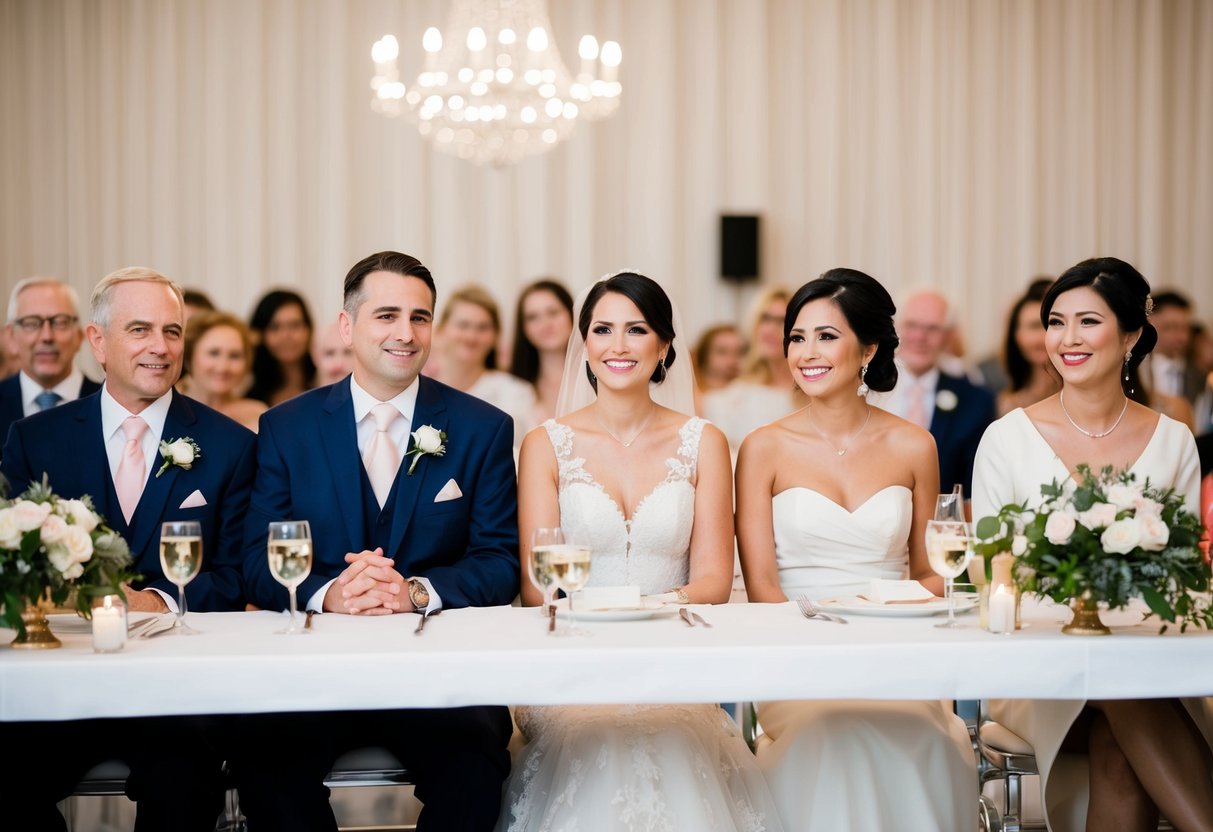
Creating a seating chart can feel overwhelming, but it’s an essential part of wedding etiquette. You’ll want to consider the dynamics between families and friends. Many couples choose to have their parents sit together at the main table, which can help foster a warm atmosphere during the celebration.
Throughout the reception, mindful seating arrangements can greatly enhance the enjoyment of the day for everyone involved. By thoughtfully placing your parents in close proximity, you show appreciation for their relationships while ensuring that your wedding remains a joyful occasion.
Understanding Wedding Reception Seating Basics
Seating at a wedding reception is key to creating a welcoming atmosphere. Knowing how to position family and friends can enhance the experience for everyone. Here are some important aspects to consider.
The Role of the Head Table
The head table is traditionally where you and your wedding party sit. This table often features the bride and groom at the center, with bridesmaids and groomsmen on either side.
Seating arrangements offer a chance to include important people discreetly. You might also want to reserve a spot for the officiant. Depending on your wedding style, you can choose to make this table grand, adding decorative elements like floral centerpieces or special tableware to highlight its importance.
Types of Seating Arrangements
When planning your seating arrangement, consider what suits your wedding style best. You can go for a formal arrangement or a more relaxed setup.
Common options include:
- Family Table: This typically includes both sets of parents and immediate family members.
- Sweetheart Table: Just for the newlyweds, this option allows for intimacy amidst the celebration.
- Mixed Tables: Friends and family can sit together, fostering connections and comfort.
Make sure to create a seating plan that encourages interaction among guests.
Positioning of the Sweetheart or Family Tables
The position of your sweetheart or family tables can impact the reception vibe. The sweetheart table is usually placed centrally to keep you close to everyone while allowing privacy.
Conversely, the family table can promote unity. Position it near the head table or at a prominent spot in the room.
Consider the flow of the space, ensuring easy movement for guests and staff while avoiding crowded areas. This arrangement can help everyone feel included without overwhelming the newlyweds.
Etiquette for Seating Parents at Weddings
Seating parents at your wedding can feel tricky. It’s essential to consider both tradition and modern family dynamics to create a comfortable environment for everyone involved. Here’s how to manage seating effectively.
Traditional Seating for Parents
Traditionally, the bride’s parents sit at the front and the groom’s parents sit nearby. At the ceremony, the bride’s parents are often on the left, while the groom’s parents sit on the right. This arrangement emphasizes the union of both families.
During the reception, many couples choose a head table for their bridal party. Parents typically sit at this table too, or you can set up family tables. It’s nice to include parents alongside close relatives and friends. This arrangement fosters connections among families and helps everyone feel included.
Modern Variations for Family Dynamics
Today’s families can be quite diverse, so flexibility is key when deciding on seating. Some couples opt for a family-style seating arrangement that allows everyone to mix and mingle. This approach can create a relaxing atmosphere where families can get to know one another.
You might place the bride’s and groom’s parents at their own tables if relationships are strained. Consider creating a separate family table for relatives to honor both sides while maintaining peace. Remember to ask your parents for input. Communication is vital for achieving a balance that works for everyone involved.
Seating Divorced Parents at the Reception
When it comes to divorced parents, seating can be sensitive. It’s crucial to respect their feelings while keeping the wedding’s joyful spirit. A common approach is to seat them at different tables, ensuring they are not placed too close.
You can provide each parent a chance to invite a guest, so they have someone familiar to sit with. If they are amicable, consider sitting them at family tables but ensure they have space. Informing them of this plan ahead of time can ease any tension. Remember, your goal is a fun celebration for all!
Incorporating Special Guests and Unique Situations
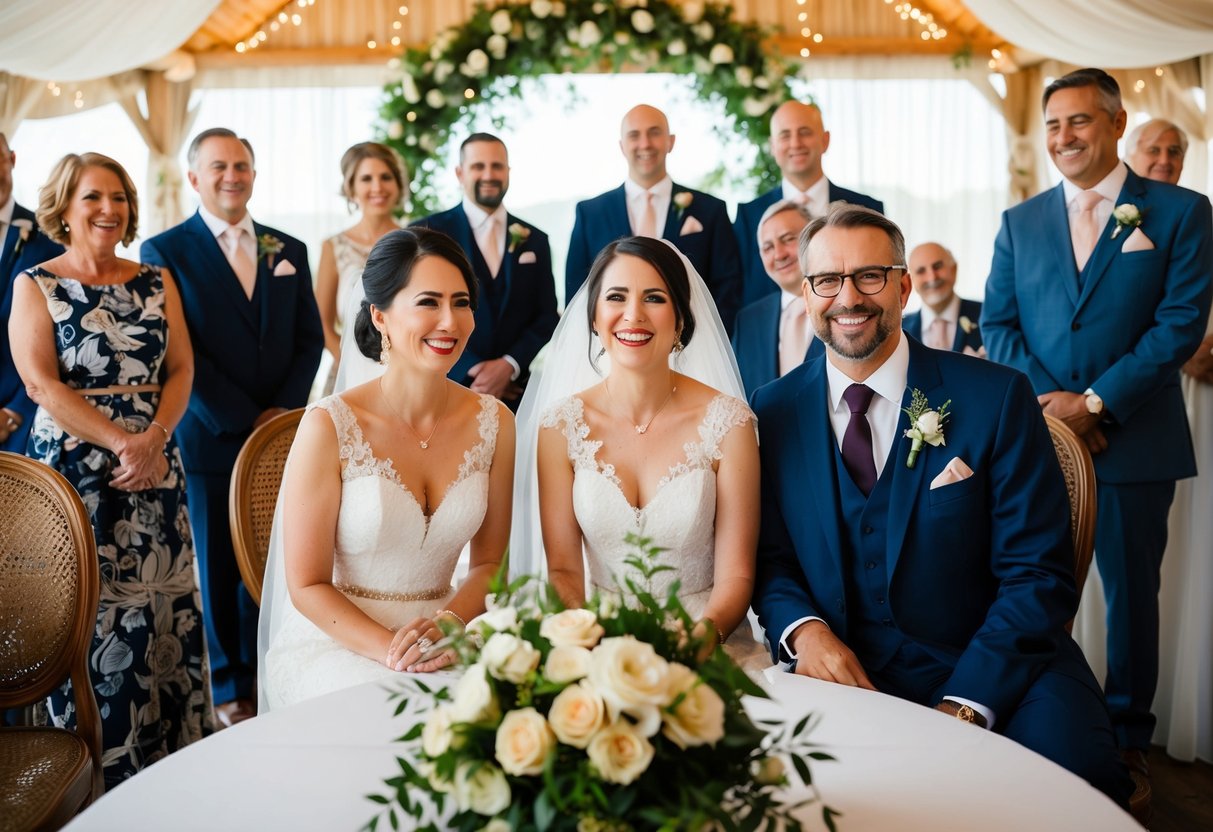
Weddings are a time for celebration, and it’s important to consider everyone attending, especially special guests and unique situations. Thoughtful seating arrangements can make all guests feel included and comfortable. Here are some key ideas to keep in mind.
Accommodating VIP Guests and Grandparents
When seating VIP guests, such as grandparents or close family members, prioritize their comfort. Ideally, place them at the front or near the couple’s table. This shows that you value their presence.
Consider their mobility. If they need assistance, ensure they’re seated where staff can easily reach them. You can also create a designated table for grandparents, allowing them to mingle comfortably. If your grandparents have partners, make sure they are seated together. This thoughtful gesture can enhance their experience.
Seating for Kid-Friendly and Singles Tables
Kids can add fun to the celebration but need their own space. Creating a kid-friendly table can help them connect with each other. Make sure it includes some activities or coloring books to keep them entertained.
For single guests, a singles table can foster connections. Place these tables near friends so they don’t feel isolated. Mix single guests with those who enjoy socializing. This can lead to new friendships and make everyone feel welcome.
Considerations for Same-Sex Weddings
At same-sex weddings, seating can be more flexible. You have the freedom to choose sides for each family. Try to create a comfortable atmosphere where everyone feels included.
Guests can be seated based on personal preference instead of traditional roles. Ask each family about any seating preferences to make everyone feel valued. This respectful consideration can enhance the joy of the day for all attendees.
Finalizing Your Seating Plan
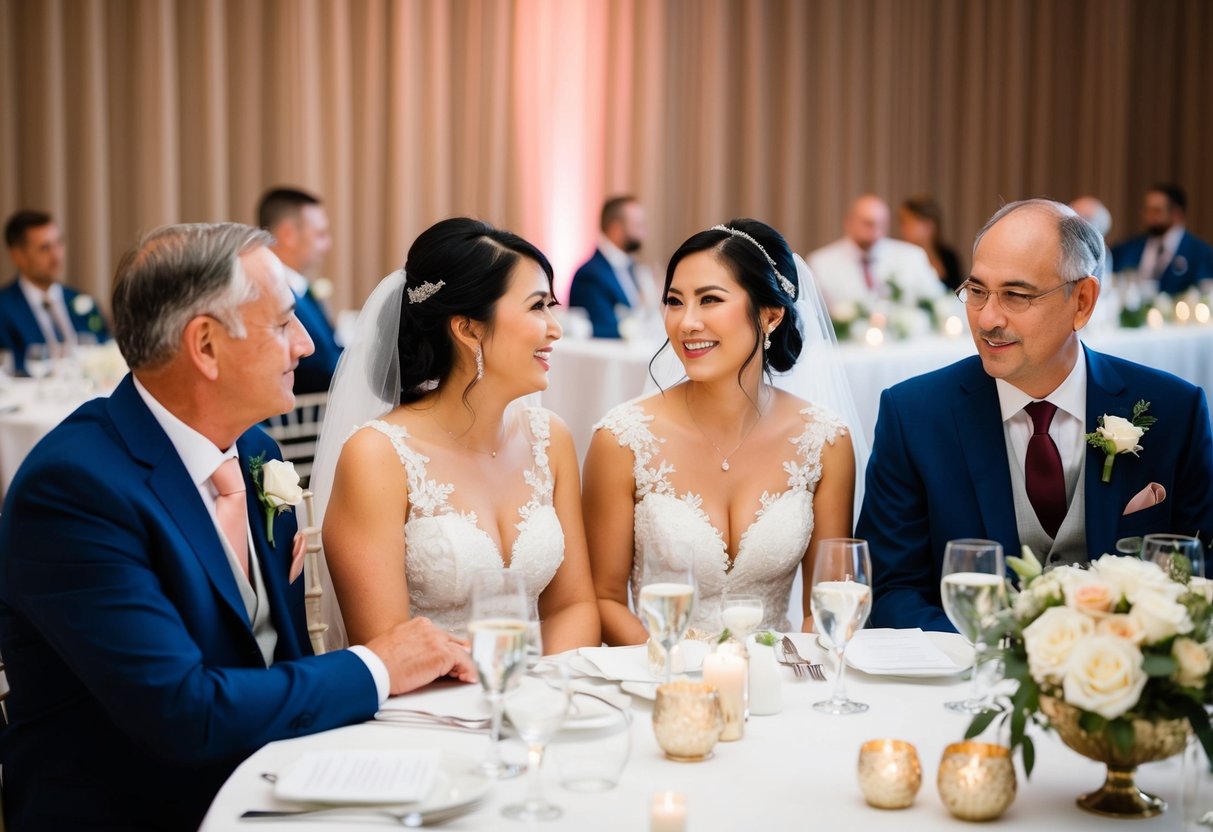
Creating a seating plan is essential for a smooth wedding reception. You’ll need to consider how to effectively use place and escort cards, manage RSVPs, and possibly engage a wedding planner for the best results.
Using Place and Escort Cards Effectively
Place cards and escort cards help organize your guests’ seating. Place cards indicate where each guest sits at the table. Escort cards, on the other hand, guide guests to their tables without naming specific seats.
Consider a table layout that reflects family dynamics. For example, place divorced parents at different tables to avoid awkwardness. You can also cluster friends together to enhance their enjoyment.
Make sure to print clear and elegant cards. Choose a font and design that fits your wedding theme. Display them at the entrance to the reception for easy access. This approach streamlines guest arrangements and reduces confusion.
Handling RSVPs and Last-Minute Changes
RSVPs play a crucial role in your seating plan. Keep track of responses to finalize your guest list. Create a simple spreadsheet with guest names, RSVPs, and any specific seating requests.
Expect some last-minute changes, such as unexpected guests or cancellations. To accommodate these shifts, remain flexible with your seating chart. For instance, have a few extra seats available at tables.
Communicate any changes to guests ahead of time. It can be helpful to have a designated person, like a family member, manage these last-minute adjustments. This way, everyone can focus on celebrating your special day.
Engaging Wedding Planners for Optimal Seating
Hiring a wedding planner can ease the stress of creating a seating plan. They know various seating arrangements and can offer helpful advice. Planners also have strategies to cater to different dynamics, ensuring guests feel comfortable.
Your planner can help create a detailed seating chart and assist with the logistics of escort cards and place cards. This way, you can avoid last-minute chaos and focus on enjoying your wedding.
Additionally, planners can handle unexpected changes, like seating rearrangements caused by last-minute RSVPs. Engaging their services can save you time and create a more enjoyable experience for you and your guests.