
Do People Get Married Before the Ceremony? Exploring Pre-Ceremony Weddings
Many couples wonder if they should get married legally before the big ceremony. The answer is yes, many people choose to do this for various reasons, such as convenience and personal preference. By tying the knot ahead of time, you can simplify your wedding day and enjoy the ceremony without the added legal stress.
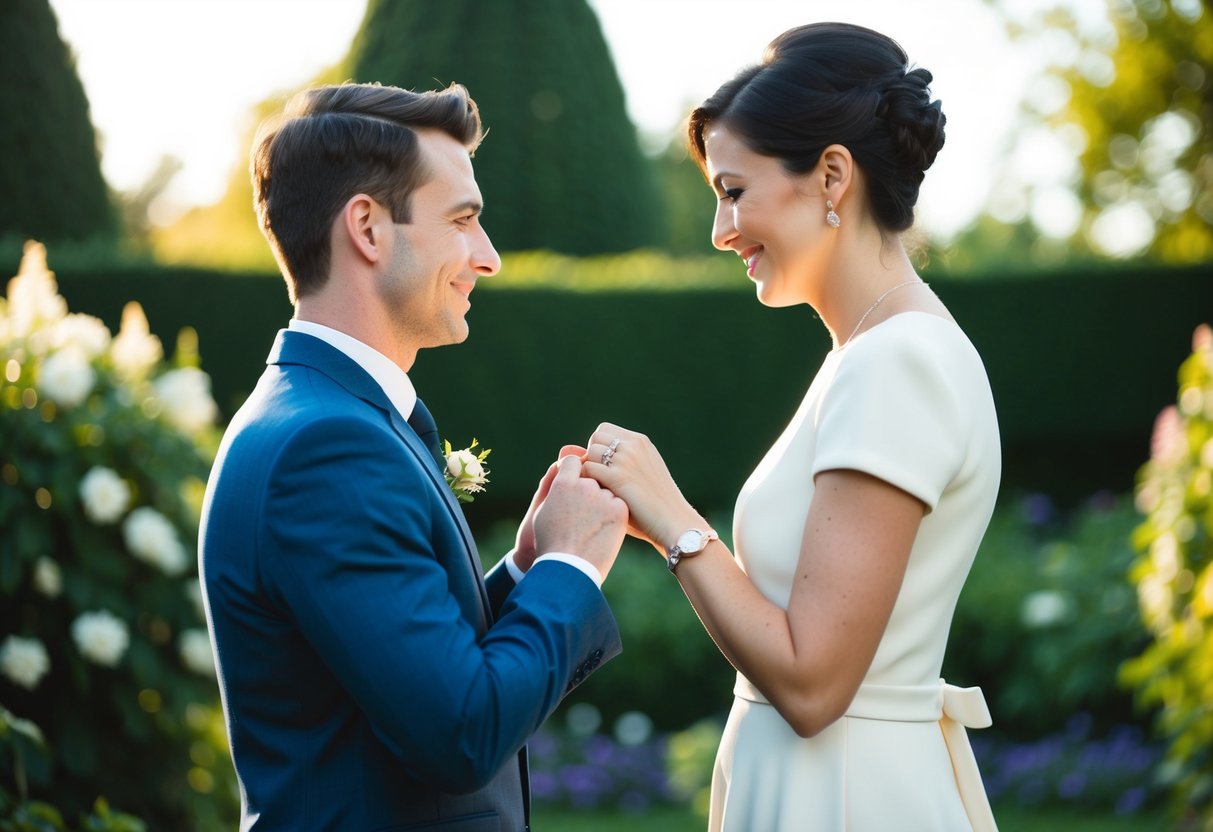
Getting married before the formal ceremony allows for a more intimate experience. You might prefer a small gathering with close family members or even a quick elopement. This way, you can focus on your vows and the meaning behind them without being overwhelmed by the reception details.
Additionally, legal marriage before the ceremony ensures that everything is official, even if your main celebration is scheduled for later. This approach can also help include loved ones who may not be able to travel for the wedding day, making it a special moment for everyone involved.
Understanding Marriage Ceremonies
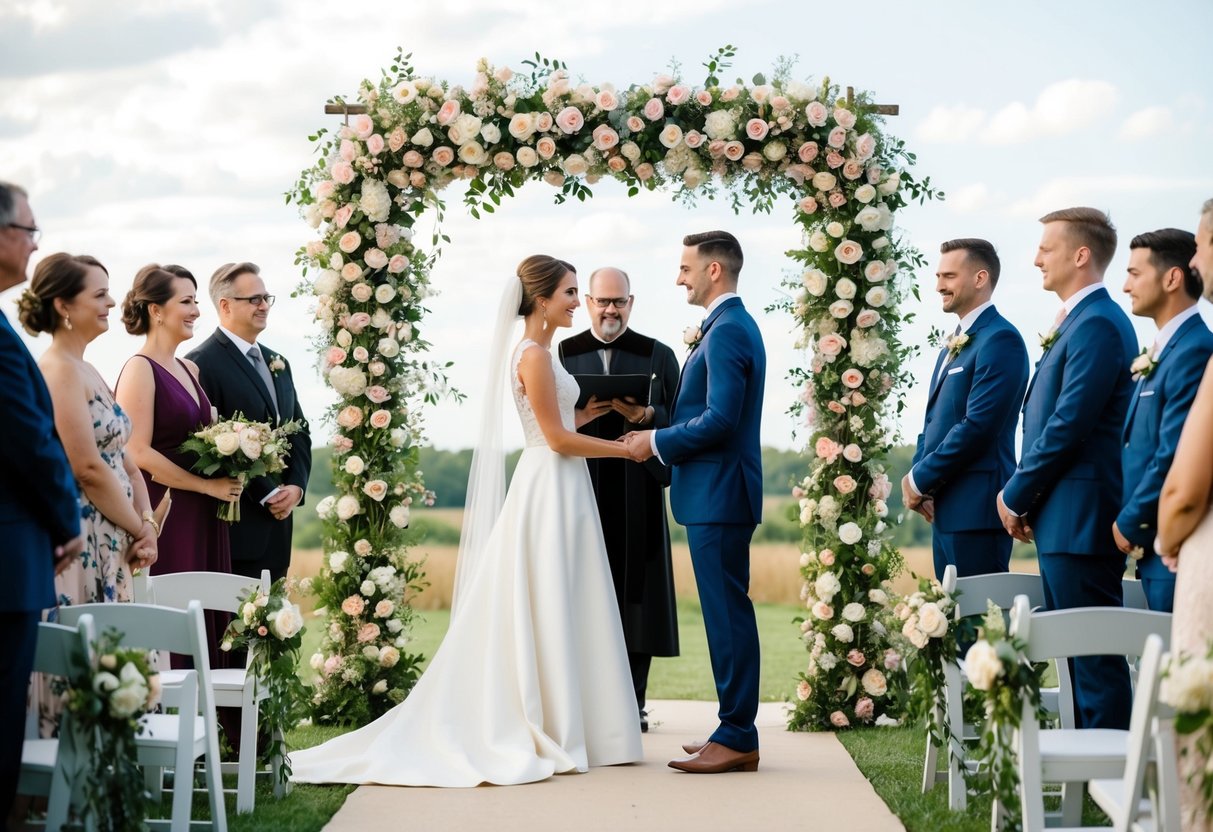
Marriage ceremonies can vary widely in purpose and formality. Some ceremonies are legally binding, while others focus on the symbolism and celebration of love. Here, you’ll find details about both types, so you can better understand what suits you.
Legally Binding Ceremonies
A legally binding ceremony is essential for couples who want their marriage recognized by law. This typically involves obtaining a marriage license and saying vows in the presence of an officiant and witnesses.
A civil ceremony or courthouse ceremony is often a simple way to achieve this. It usually takes place at a government office or designated location. These ceremonies are straightforward and meet all legal requirements without frills.
Most importantly, couples should ensure they understand their state or country’s laws. Meeting these legal requirements ensures your marriage is valid and protects your rights as a couple.
Symbolic and Social Ceremonies
Symbolic and social ceremonies focus on celebrating your love and commitment without the legal aspects. These can include religious services, elaborate receptions, or even intimate gatherings with friends and family.
While a civil ceremony handles the legal side, many choose to have a separate wedding day that reflects their personal style. This might include unique elements like personalized vows, music, and decorations that hold special meaning for you both.
Keep in mind, these ceremonies can happen anywhere—from a backyard to a grand venue. They allow you to express your shared journey and create lasting memories surrounded by loved ones.
Planning For The Big Day
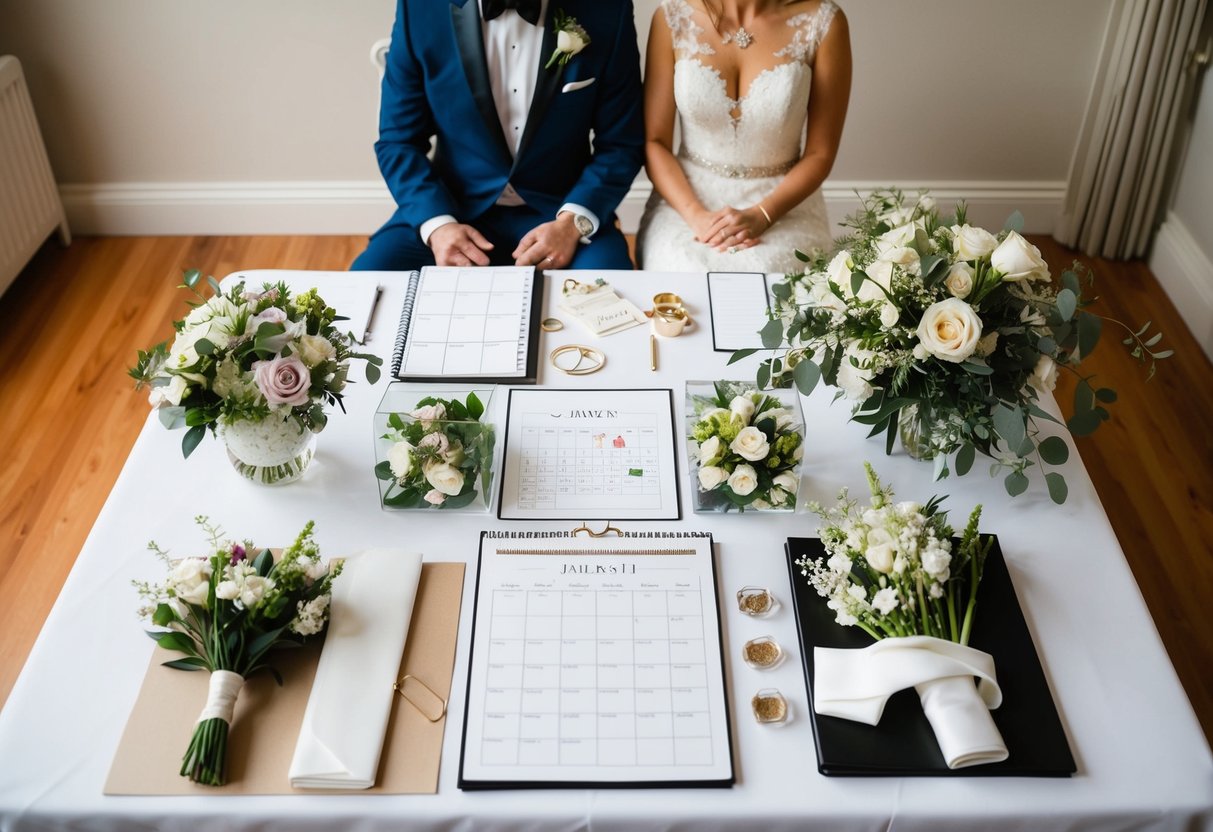
As you get ready for your big day, managing your feelings and choices is key. You may want to explore how to deal with anxiety, write personal vows, or decide between an intimate or a large ceremony. Each decision shapes your wedding and experience.
Managing Wedding Day Anxiety
Feeling anxious before your wedding is completely normal. Many couples worry about how everything will go. To handle this, start by creating a detailed wedding plan. Write down a list of tasks to manage everything from venue setup to the officiant’s schedule.
Consider setting aside time just for yourself before the ceremony. Deep breathing or a calming activity can help. Sharing your feelings with your partner or close friends can also ease anxiety. Remember, communication is important.
Incorporating Personal Vows
Personal vows add a unique touch to your ceremony. Take time to reflect on your relationship and what you appreciate most about your partner. Write down specific moments that highlight your love story. Sharing these thoughts during the ceremony makes it special for both of you.
When writing your vows, keep them authentic. Use your own voice rather than trying to sound like someone else. Practice reading them aloud to ensure you’re comfortable. This moment is about you two, so let your true feelings shine.
Deciding On An Intimate or Large Ceremony
Choosing between an intimate or large ceremony depends on your vision for the day. An intimate ceremony may include close family and friends, creating a cozy and meaningful atmosphere. You can share personal vows more privately.
On the other hand, if you prefer a large celebration, you can invite more people to join in your happiness. Just ensure you have enough space and plans for everyone. Think about what will make you happiest on your wedding day and decide accordingly. Always remember, it’s your day!
The Legal Aspects of Marriage
Getting legally married involves some important steps and benefits. You need to understand how to obtain a marriage license and what advantages come with being legally married.
Obtaining a Marriage License
To get legally married, you first need to obtain a marriage license. This license is a legal document that allows you to marry in your state or country.
Steps to obtain a marriage license:
- Check Requirements: Each state has its own rules. Check what is needed in your area, such as age limits or waiting periods.
- Gather Documents: Typically, you’ll need identification, proof of residency, and sometimes a divorce decree if previously married.
- Apply in Person: Most places require both partners to apply in person at a county clerk’s office.
- Pay Fees: There is usually a fee for the license. This can vary greatly by location.
- Wait for Issuance: After applying, there may be a waiting period before the license is issued.
Once you have your license, you can schedule your ceremony.
Benefits of Legal Marriage
Being legally married offers many benefits that make it a smart choice. Here are some key advantages:
- Financial Benefits: You could enjoy tax breaks by filing jointly. This can mean saving significant money each year.
- Health Insurance: Many employers allow you to add your spouse to your health insurance plan. This can lead to better coverage and lower costs.
- Legal Rights: Being married grants you various legal rights, such as decision-making in health care situations. This is important if you or your partner are ever incapacitated.
- Immigration Issues: Marriage can simplify immigration processes. If one partner is not a citizen, being married can make it easier to obtain residency.
Having a marriage license and the benefits of being legally married can provide peace of mind and security for your future together.
Celebrating Your Commitment
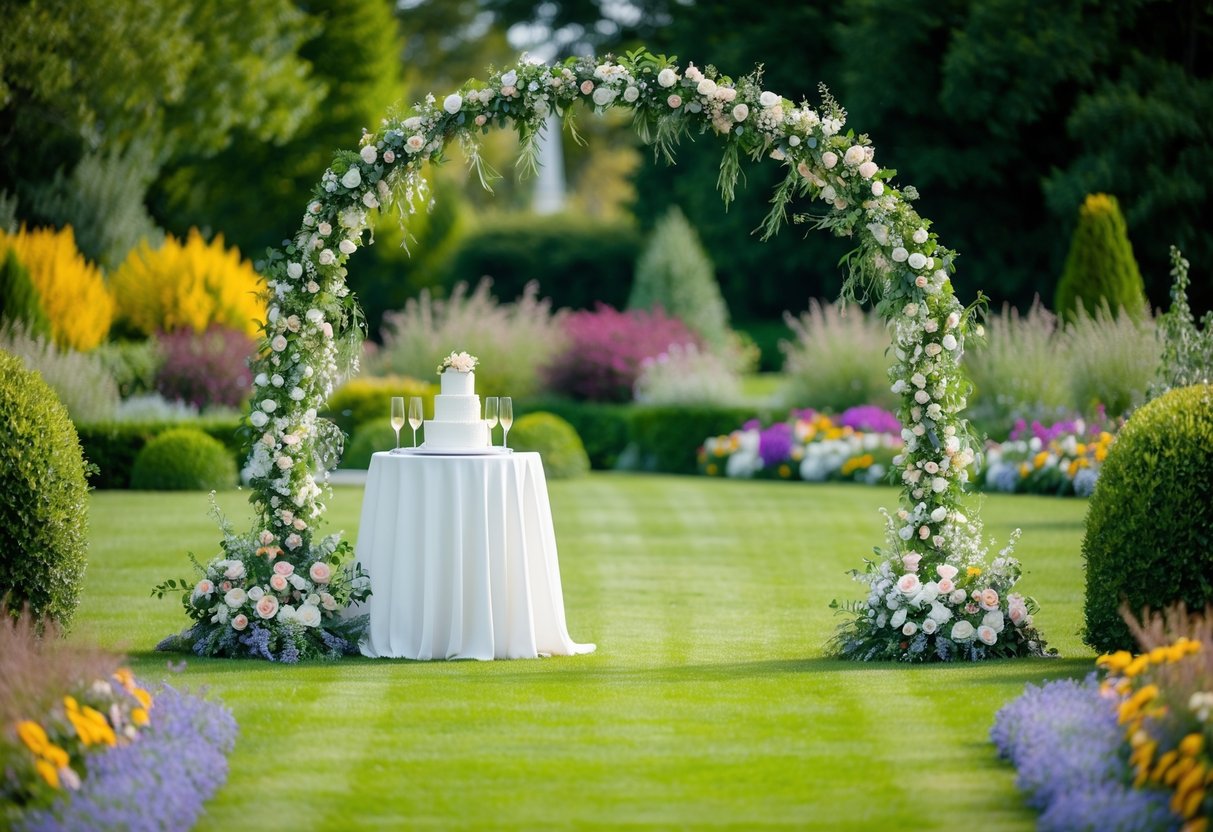
When you decide to celebrate your commitment, it’s important to think about how you want to express your love. You can choose different types of weddings, plan a destination wedding, or even include your loved ones in a unique ceremony. Each choice can make your celebration special.
Choosing Your Type of Wedding
There are many options when it comes to choosing your type of wedding. You might opt for a traditional wedding ceremony or a more casual commitment ceremony. Some couples even consider having two weddings—one private and one for their family and friends.
Each type allows you to express your commitment in a way that feels right. For a more personal touch, think about including meaningful rituals, such as your first dance or a special reading.
Hosting a Destination Wedding
Destination weddings are a wonderful way to create lasting memories in a unique location. Whether you want to tie the knot on a beach or in the mountains, a destination wedding can be thrilling.
It often feels less pressure since you’re far from the hustle of home. Plus, it gives your guests a chance to travel and experience something new with you. Don’t forget to consider the logistics, like travel and accommodation for your guests!
Including Loved Ones in Your Ceremony
Including loved ones in your ceremony can make your day even more meaningful.
Think about inviting friends and family to share their thoughts or blessings during the event.
You might also involve them in planning the celebration. Or, choose to have them as part of the ceremony, like having a family member officiate.
This creates a sense of community and love that surrounds your commitment, making the day even more special.