
Do People Still Put Parents’ Names on Wedding Invitations? Exploring Modern Trends
When planning a wedding, you might wonder about the role of parents’ names on invitations. Are they still expected to be included?
Many couples still put their parents’ names on wedding invitations, especially if those parents are financially involved or considered hosts of the event.
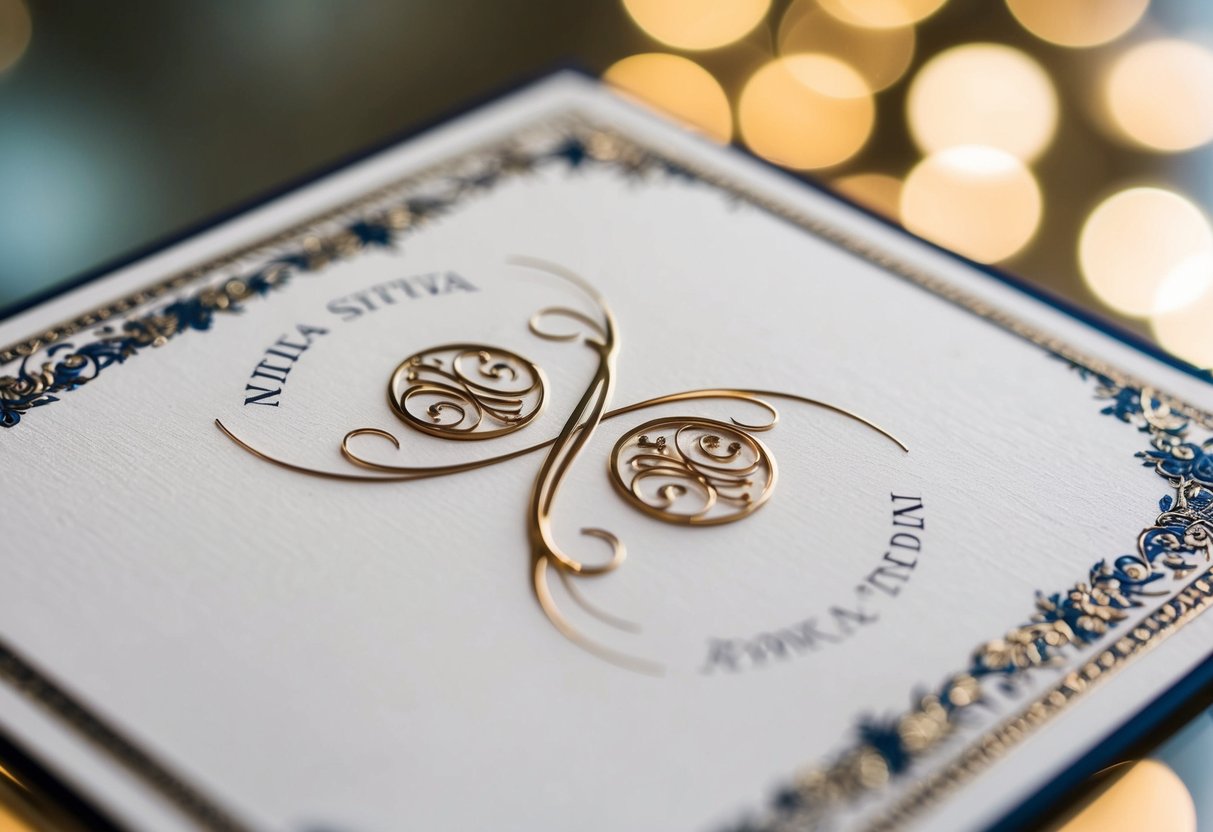
Understanding modern wedding etiquette can be tricky, as traditions evolve. While the bride’s parents traditionally paid for the wedding and their names were included, many couples today choose a different approach based on personal preferences.
It’s important to consider your family’s feelings and desires when deciding what to include on your invitations. This choice can reflect your values and relationships, making the invitation even more special.
Modern Wedding Invitation Trends
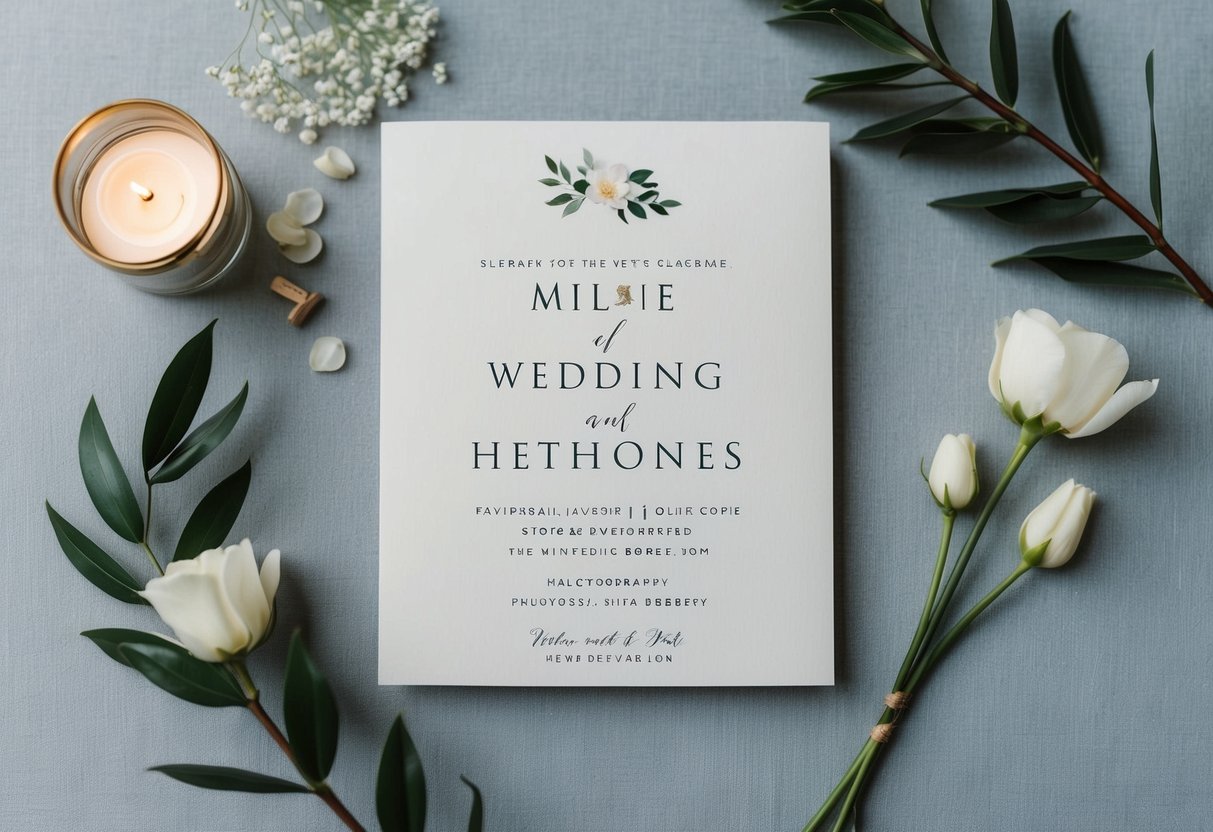
Choosing how to word your wedding invitation can reflect your personal style and the dynamics of your family. Today, many couples are rethinking traditional practices, including whether to include parents’ names.
Inclusion of Parent’s Names
Including parents’ names on wedding invitations is still common, but it’s becoming a personal choice. In some cases, couples want to honor their parents, especially if they have a close relationship.
Traditionally, if parents are hosting the wedding, their names appear prominently. You might see phrasing like, “Together with their parents, [Bride] and [Groom] invite you…” This signals that parents are involved in the planning and cost.
Some couples, especially those getting married later in life, may choose not to include parents’ names. This choice often reflects their independence or a more modern family structure. You can say, “Join us for our wedding celebration” to keep it simple and focused on you.
Creative Alternatives to Traditional Wordings
Many couples now explore creative wording that captures their unique story. This allows personalization beyond the typical formats.
You could use phrases like, “The families of [Bride] and [Groom] invite you…” This way, you’re inclusive of all families without giving prominence to parental hosting.
Another option is to focus on your own names, using a more casual tone. For example, “We’re getting married! [Bride] and [Groom] would love for you to join us…” This modern style resonates well with guests and sets a relaxed vibe.
Using fun fonts or designs can also enhance your invitation, making it a reflection of your personal wedding theme. Incorporate your favorite colors or symbols that tell your love story!
Cultural Significance of Naming Parents
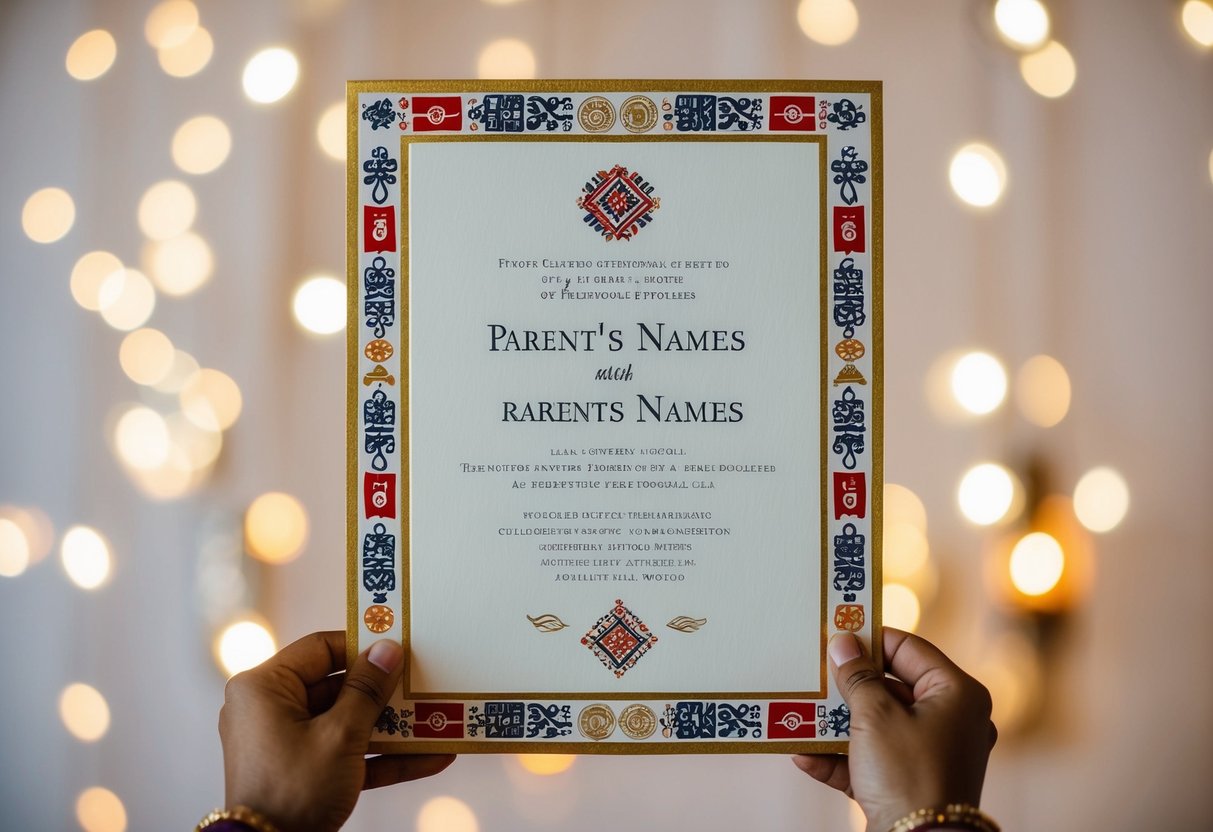
Naming parents on wedding invitations carries different meanings across cultures. It reflects family honor, respect, and the roles they play in the couple’s lives. The emphasis may vary based on traditions and personal preferences.
Western Traditions
In many Western cultures, it is traditional to include parents’ names on wedding invitations, especially if they are hosting the event. This practice shows respect for the family’s role and acknowledges their contribution.
Typically, you would see the bride’s parents’ names listed first, reflecting a long-standing custom. For example, the wording might be: “Mr. and Mrs. John Smith request the honor of your presence…” This format also emphasizes the family’s involvement and support of the couple’s union.
If both sets of parents are contributing, it’s common to include names from both sides. In some cases, couples who pay for their wedding may choose to forgo parents’ names entirely, highlighting their independence.
Eastern Perspectives
In Eastern cultures, the inclusion of parents’ names can carry significant weight. It often symbolizes familial unity and the joining of two families. Many traditions place a strong emphasis on lineage and heritage.
For instance, in cultures like Chinese or Indian, parents’ names may be included to honor their roles. The couple may use formal titles to display respect, reflecting their parents’ status in the community.
Additionally, in some cases, the wedding invitation might include the names of grandparents as well. This showcases the family lineage and respect for ancestry. It’s a way of intertwining family histories and acknowledging the broader family network that supports the couple.
Etiquette and Considerations
Deciding whether to include your parents’ names on wedding invitations can feel complicated. Understanding when to include their names and how to address cases like divorce or loss can help you make the right choice for your wedding.
When to Include Parents’ Names
You might want to include your parents’ names on your wedding invitations for several reasons. This is especially true if they are hosting or contributing to the wedding. Listing their names can show respect and acknowledge their role.
In formal invitations, you typically list the full names of both sets of parents. For example:
- Mr. and Mrs. John Smith
- Mr. and Mrs. David Johnson
If your parents are not involved financially, you can still include their names to honor them. Think about your family dynamics and what feels right for you and your partner.
How to Address Divorced or Deceased Parents
If your parents are divorced, it’s essential to be thoughtful in how you list their names. Avoid using “and” between their names, as this can imply they are still married. Instead, use a line break to separate them:
- Mrs. Jane Smith
- Mr. John Doe
For deceased parents, it is common to honor them by including their names with the word “in memory of” before their names. For example:
- In memory of Mrs. Mary Smith
This way, you show respect and acknowledge your family’s history while keeping the focus on your special day.
Personalizing Your Invitation

When it comes to wedding invitations, personal touch is key. You can combine traditions with your unique style, making your invitations special and representative of your relationship.
Blending Traditions and Personal Style
You can blend traditional elements with your personal style in many ways. For instance, you might want to list your parents’ names while using a modern layout.
Consider these options:
- Classic Wording: Use traditional phrases like “request the honor of your presence.”
- Modern Design: Choose unique fonts and colors that reflect your personality.
- Creative Details: Add illustrations or motifs that represent shared interests or significant moments in your relationship.
This combination shows respect for traditions while still feeling true to who you are.
Honoring Parents Without Listing Names
Maybe you want to honor your parents but prefer not to include their names directly. This can be done through thoughtful choices.
A noble way is to acknowledge their support in other parts of the invitation or ceremony.
Here are some ideas:
- Thank You Messages: Add a personal note in your invitations or wedding programs expressing gratitude to your parents.
- Symbolic Elements: Incorporate family symbols or colors in your wedding decor.
- Special Mentions: Mention parents during the ceremony or in speeches instead of on the invitation.
These choices allow you to honor your family in a meaningful way without spelling out their names.