
Do People Still Say Wedding Breakfast? Exploring the Tradition Today
The term “wedding breakfast” might sound old-fashioned, but people still use it, especially in the UK and Europe. This meal is shared after the wedding ceremony, where newlyweds and guests sit down to enjoy a feast together. It’s a time for celebrating and often includes important traditions like speeches, adding a personal touch to the event.
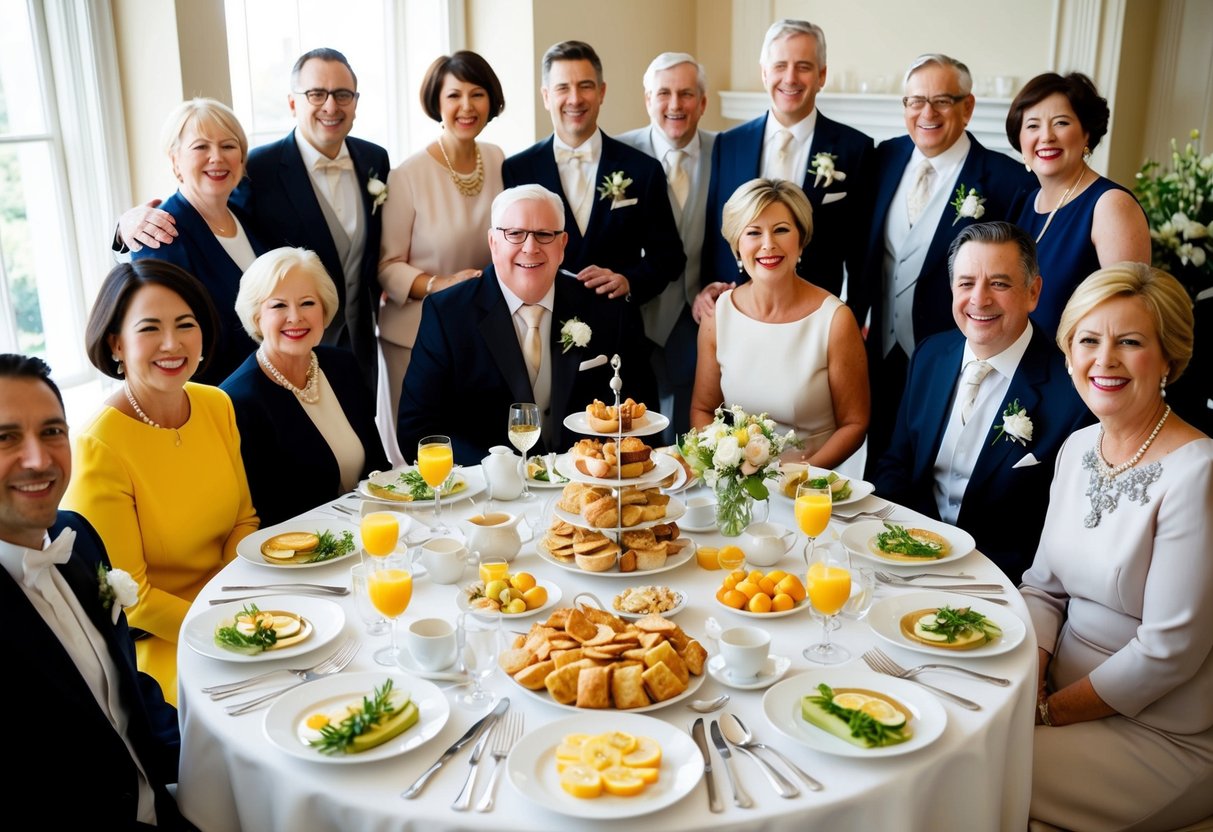
Historically, the phrase dates back to the 17th century when couples would break a fast after their wedding ceremony. This custom has continued, making the wedding breakfast an essential part of the celebration. Although it’s called a breakfast, it is typically enjoyed during midday or in the evening, featuring a variety of delicious foods.
Whether you’re planning your own big day or just curious about wedding traditions, understanding the wedding breakfast can give you deeper insight into how couples celebrate their love. Embracing this tradition can add meaningful moments to your wedding day, making it memorable for everyone involved.
The History and Significance of Wedding Breakfast
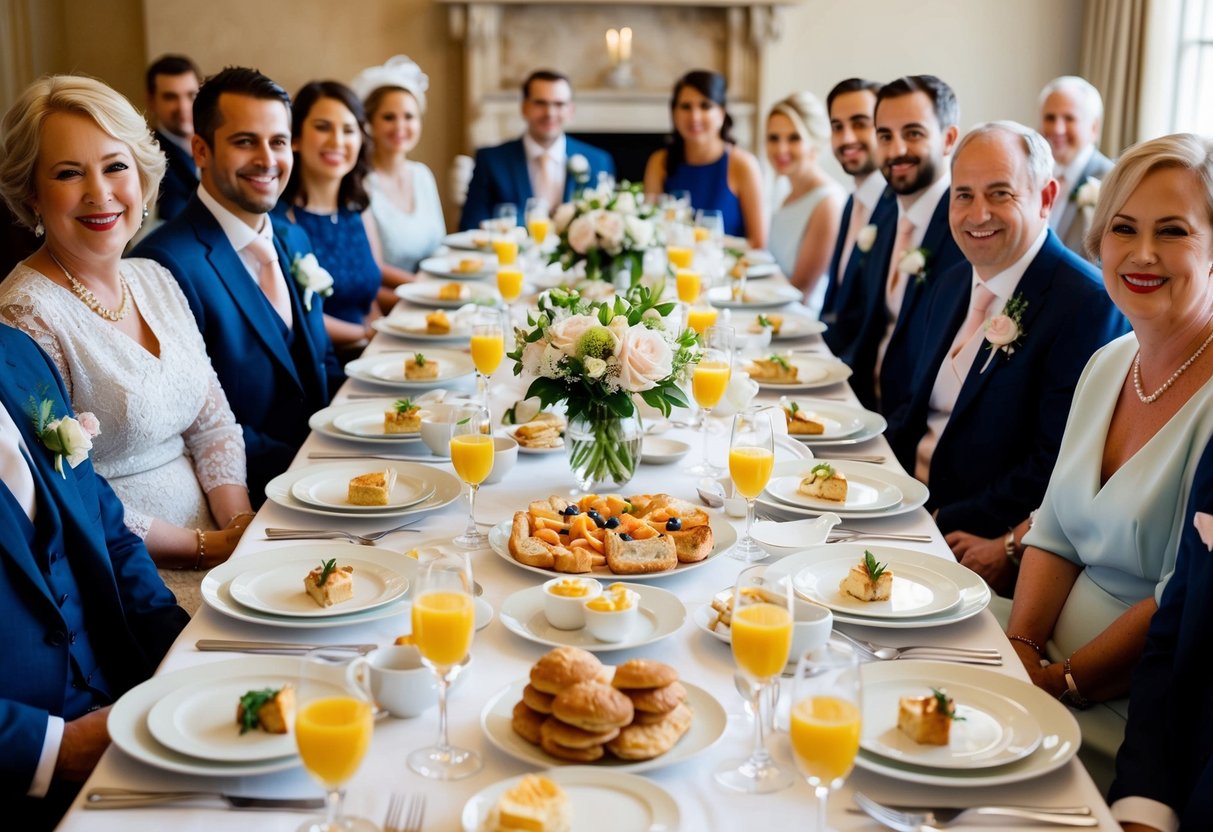
The term “wedding breakfast” has rich historical roots and cultural significance. It marks a special meal shared by newlyweds and their guests, often binding tradition and celebration.
Origins of the Term
The phrase “wedding breakfast” dates back to the 17th century. During this time, many wedding ceremonies were part of a Eucharistic Mass. Couples would fast before their ceremony, creating a need for a meal afterward. This first meal was a way of breaking the fast, which is where the term originates.
In England, the wedding breakfast became a traditional celebration. It was not about the food alone but was a moment for loved ones to gather and share joyous speeches. This tradition has continued in various forms today.
Modern Interpretations
Today, the wedding breakfast includes a range of meals and settings. While many couples opt for a sit-down dinner, others choose more casual options like brunch or buffet style. Regardless of the format, the purpose remains the same: to celebrate the union.
Some couples may still incorporate elements of the traditional wedding breakfast, such as toasting the newlyweds. In modern weddings, you might also see unique or themed dishes reflecting the couple’s personality. This allows for personalization while honoring the tradition, making every wedding breakfast special in its own right.
Planning Your Wedding Breakfast
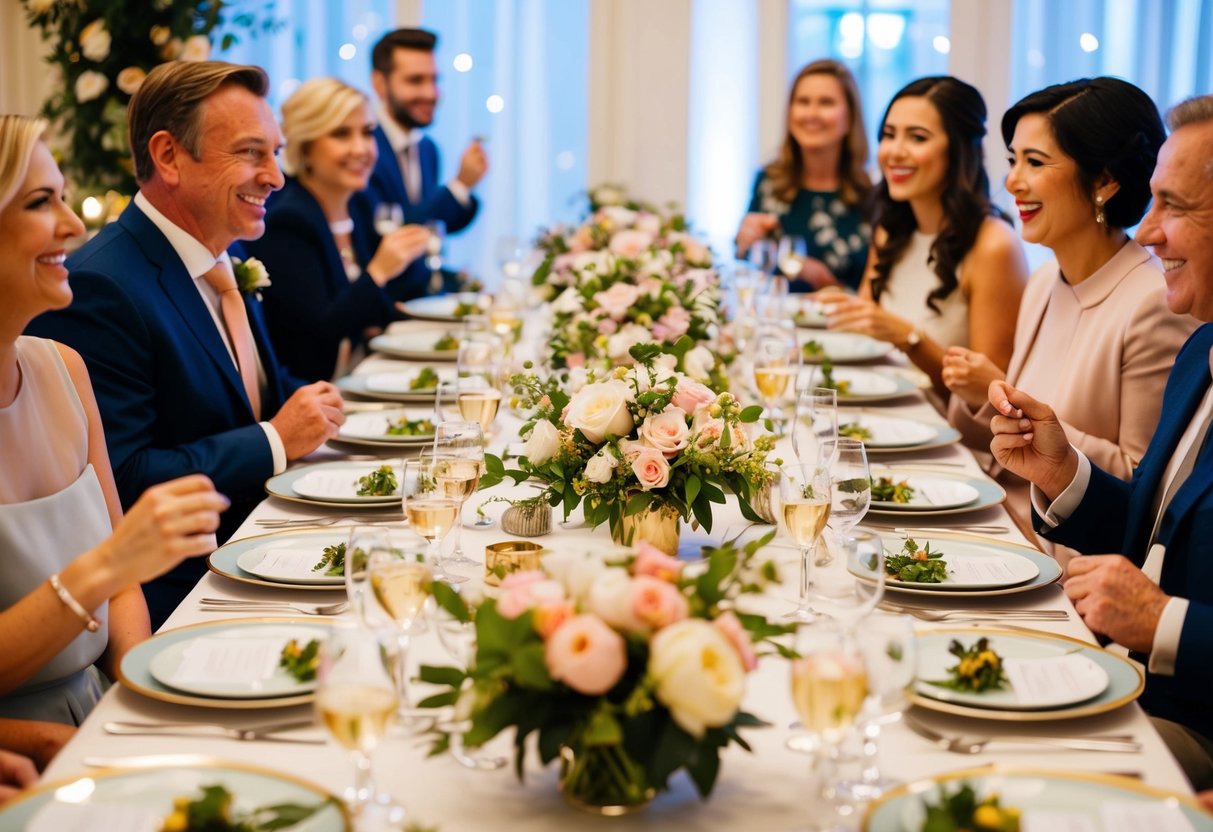
Planning your wedding breakfast involves several key aspects to ensure your special day starts off right. You’ll want to focus on timing, menu choices, and meeting dietary requirements for your guests. A thoughtful approach will create a wonderful atmosphere for family and friends to celebrate together.
Timing and Scheduling
Choosing the right time for your wedding breakfast is crucial. If you are having a morning wedding, you might schedule the meal shortly after the ceremony. This can create a seamless flow for your event.
Aim to serve your wedding meal around two to three hours after the ceremony. This allows time for photographs and mingling. If you plan to have a more relaxed reception, consider lighter options like canapés or a grazing table.
Be sure to communicate the schedule with your guests. A timeline helps everyone know when to expect the meal. This ensures that your wedding day runs smoothly without any hitches.
Menu Selection
Your menu sets the tone for the meal and can reflect your personal style. Think about whether you want a formal seated dinner, a buffet, or a mix of both.
A wedding breakfast traditionally features hearty options, but you can also be creative. Consider including breakfast favorites like waffles or a full English breakfast if your ceremony is in the morning.
Don’t forget about dessert! A wedding cake is a lovely centerpiece and a sweet treat to share. If you prefer something different, cupcakes or pastries can be great alternatives.
When selecting the menu, aim for a variety of flavors and styles to please all palates.
Accommodating Dietary Requirements
It’s important to consider your guests’ dietary needs. Make sure to talk to them ahead of time about any allergies or special diets like vegetarian or gluten-free.
Offering a range of options is key. Include a couple of vegetarian selections alongside your main dishes. If you’re having a buffet, label each item clearly. This helps guests easily find what they can enjoy.
Don’t forget to specify your choices for appetizers and sides as well. Items like salads or bread rolls can also be made suitable for various diets.
Wedding Breakfast and Reception Ideas
When planning a wedding breakfast and reception, consider various styles, themes, and activities to make your celebration memorable. You can create a unique experience for your guests that reflects your personality as newlyweds while ensuring everyone has a great time.
Innovative Serving Styles
Think beyond traditional sit-down meals. A popular option today is a brunch-style wedding breakfast. You can serve classic breakfast dishes like pancakes, omelets, and pastries. For something unique, consider offering a grazing table filled with assorted cheeses, fruits, and bread. This style encourages mingling as guests can walk around and sample different dishes at their own pace.
If you prefer a more relaxed vibe, street food stations can be an exciting addition. You might have taco bars, sliders, or Asian cuisine, allowing your guests to create their own plates. This adds a fun, casual element to the wedding celebration.
Unique Themes and Decorations
Your wedding venue is a blank canvas. Choose a theme that speaks to you and your partner. For example, a rustic theme could include wooden decor, wildflowers, and fairy lights.
If you love a coastal vibe, consider seashells and beach elements as part of your decorations. This can extend to table settings, where you use ocean-inspired colors.
Don’t forget about centerpieces. Using seasonal blooms adds a fresh touch. You might also incorporate personal touches, like photos or memorabilia from your relationship, to make the space feel uniquely yours.
Entertainment and Activities
Engage your guests with fun activities during the wedding breakfast. Consider hiring a live band or a DJ to set the mood with music that you both love. You could also have interactive entertainment, such as a caricature artist or photo booth, where everyone can create lasting memories.
Incorporating games can also be a great way to break the ice among guests. Think about family trivia or “newlywed” games that showcase your relationship. These activities can keep spirits high and encourage laughter throughout the reception.
Beyond the Meal: Continuing the Celebration
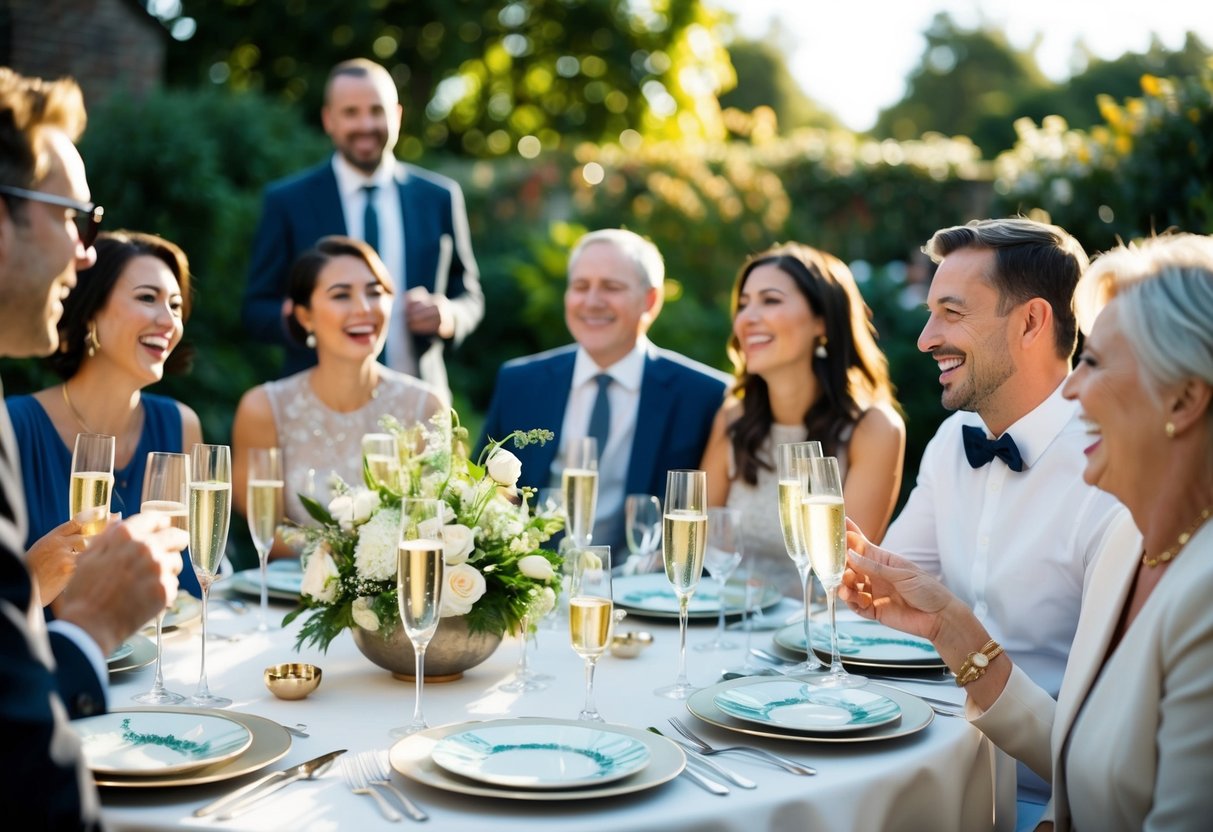
After the wedding breakfast, the celebration continues with a smooth transition to the reception and fun activities to keep your guests engaged. This part of the day enhances the joy and creates lasting memories.
Transitioning to the Reception
Moving from the wedding breakfast to the reception is key for maintaining everyone’s excitement. After guests share their first meal together, guide them seamlessly to the next part of the celebration.
You can use music to set the mood. A live band or a DJ can create a lively atmosphere. Announce the next part of the day with enthusiasm.
Consider having a wedding cake on display to build anticipation. Guests often enjoy seeing the cake before it’s cut. You might even incorporate a special toast to acknowledge the newlyweds’ journey ahead. This helps in transitioning the focus from the meal to the festivities to come.
Keeping Guests Engaged
Keeping your guests entertained is essential for a memorable celebration. Engage them through various activities and thoughtful touches.
First, interactive options like photo booths with fun props can allow guests to capture lighthearted moments.
You can also set up games, especially ones that involve everyone. A couple trivia game can spark laughs and conversations.
Don’t forget to include a time for speeches from family and friends. This adds a personal touch and keeps everyone connected.
Create a flow that allows guests to mingle and enjoy each other’s company. These elements all contribute to a festive and inclusive atmosphere where everyone feels part of the celebration.