
Do People Still Send Wedding Invites? Exploring Modern Trends in Wedding Communication
As you plan your special day, you might wonder, do people still send wedding invitations despite the rise of digital options. Even in a world where emails and texts are common, many couples cherish the tradition of sending out printed invites. Wedding invitations serve as a beautiful way to announce your celebration and offer guests a tangible keepsake.
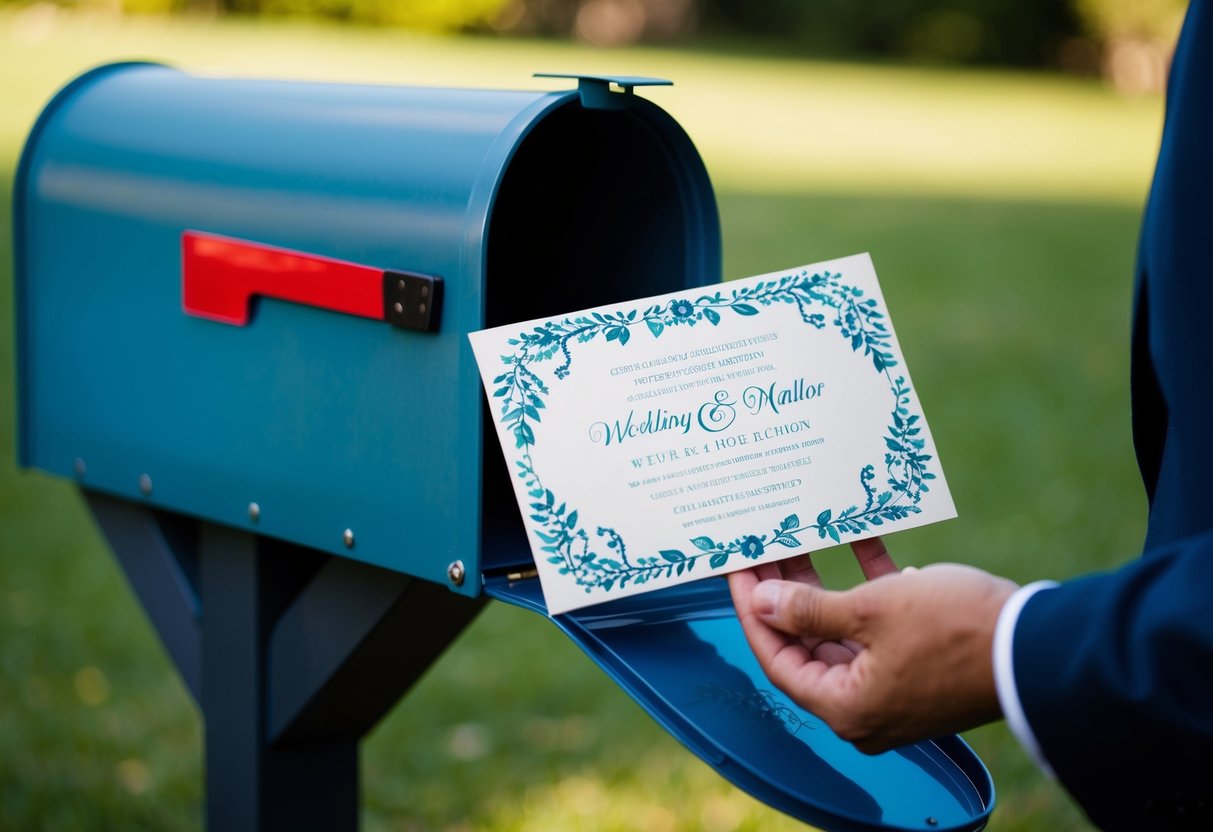
While some opt for a wedding website to share details, the charm of a physical invitation remains strong. Many people appreciate the formality and thoughtfulness behind a well-designed card. Plus, it can make your guests feel more included in your festivities when they receive something personal in the mail.
Choosing whether to send wedding invitations or rely solely on a wedding website depends on your vision for your big day. Whether you prefer traditional paper invites or a modern digital approach, there are plenty of options that can reflect your style and share your love story with family and friends.
The Tradition of Wedding Invitations
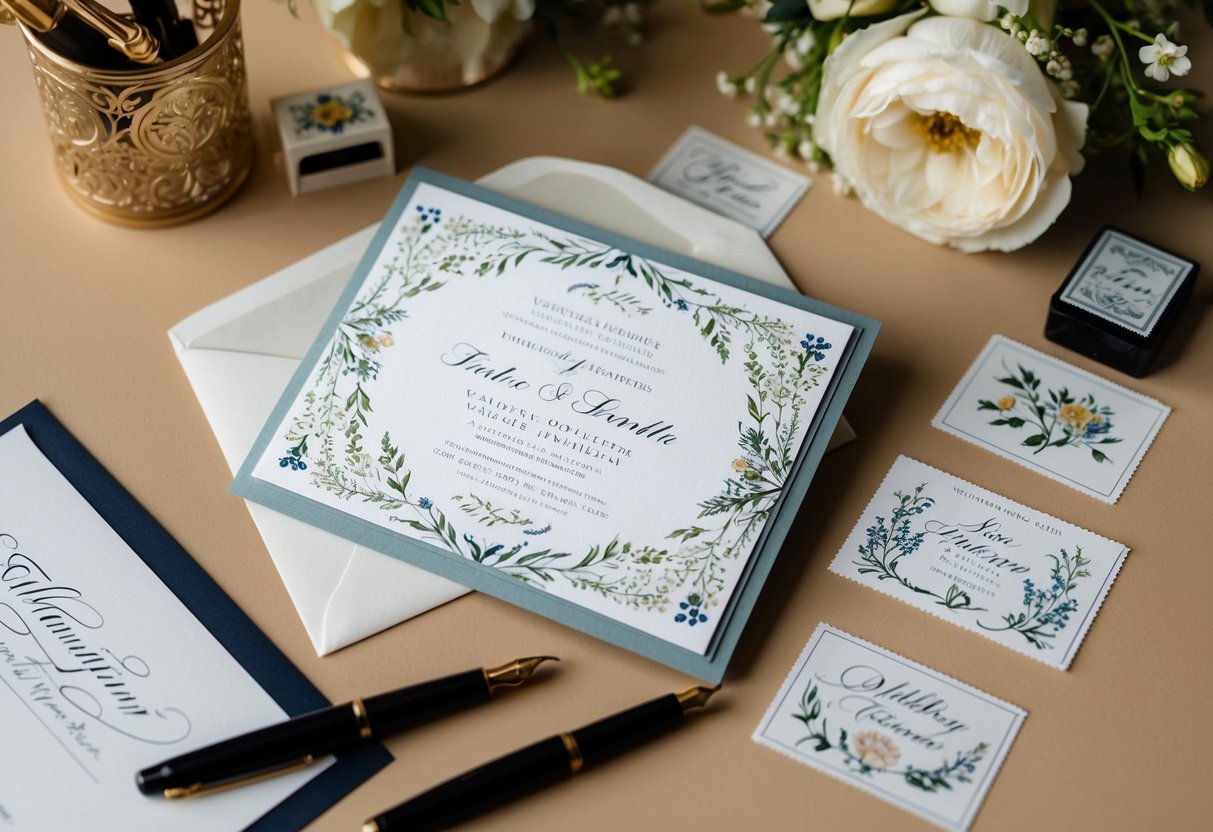
Wedding invitations have a rich history and continue to hold significance in modern celebrations. You’ll find that both physical and digital invites play vital roles, each offering unique benefits. Understanding their evolution, design, and proper etiquette will help you choose the right approach for your special day.
Evolution of Invitations
Wedding invitations have transformed over the centuries. Initially, they were hand-delivered messages, often written on parchment or paper. As printing technology advanced, printed invitations became the norm.
Today, you can choose from various formats. Some couples still prefer traditional paper invites for their classic appeal. Others embrace the convenience of digital invites, such as those from Paperless Post or Evite. These modern solutions allow for quick distribution and easy RSVPs.
Physical vs. Digital Invites
You may wonder whether to go for physical or digital wedding invitations. Physical invitations bring a sense of formality to your event. They also serve as cherished keepsakes for guests. The tactile experience of receiving a beautifully crafted invitation adds a personal touch to the occasion.
On the other hand, digital invites offer sustainability and cost-saving benefits. They can include engaging designs and interactive elements, making them enjoyable to receive. Many couples opt for a mix of both, sending traditional invites to close family and friends while using digital options for a wider audience.
Invitation Design and Etiquette
When designing your wedding invitations, pay attention to the details. The choice of colors, fonts, and layout should reflect your wedding’s theme. Including essential information like the date, time, venue, and RSVP details is crucial.
Proper wedding invitation etiquette is also important. Always send invitations well in advance, ideally six to eight weeks before the event. Ensure you address your guests correctly and elegantly. It’s best to avoid abbreviations and casual language on formal invites. Following these guidelines will help set the tone for your celebration.
Timing and Logistics
Getting the timing right for wedding invitations is crucial. It helps your guests plan and increases your chances of getting RSVPs. You also need to manage your guest list effectively and decide whether to send save-the-dates.
When to Send Out Invitations
It’s best to send out wedding invitations 6 to 8 months before your big day. This timing gives your guests plenty of time to make arrangements. If you’re having a wedding during popular seasons, like spring or summer, consider sending them earlier.
For destination weddings, sending invites even 3 to 6 months in advance is a good idea. This helps guests who may need to book flights or accommodations. Make sure to include details about travel and lodging when sending invitations.
Managing RSVPs and Guest List
Keeping track of RSVPs can be a little tricky, but you can simplify it. Create a detailed guest list with contact information. Use a spreadsheet or a dedicated app, making it easier to follow up with guests who haven’t responded.
Set a clear RSVP deadline, usually about 3 to 4 weeks before the wedding. This helps you finalize numbers with your venue and caterer. Make sure to mention the RSVP method, whether it’s by mail, email, or a wedding website.
Save-the-Dates and Advance Notices
Sending save-the-dates is a considerate step, especially for weddings with lots of guests coming from afar. Ideally, you should send these 6 to 8 months before the wedding.
These cards can be simple and don’t need to include all the details, but be sure to include the date and location. This advance notice is particularly helpful if you expect multiple weddings around the same time. Giving guests a heads-up increases the chances they will mark their calendar and attend your special day.
Details to Include in Your Wedding Invitations
When planning your wedding invitations, it’s important to cover essential details that your guests need. This includes the wording, specific wedding day information, and any extra cards that might be necessary. Here’s what to focus on for your invitations.
Wording and Information
The wording of your invitations sets the tone for your big day. Start with the names of the couple, followed by the phrase inviting your guests to the wedding.
Include the date, time, and location of the ceremony clearly. For example:
“Join us for the wedding of [Bride’s Name] and [Groom’s Name] on [Date] at [Time] at [Venue].”
Don’t forget to add RSVP details. Include a way for guests to respond, like a pre-addressed envelope, and specify the deadline for RSVPs. For wedding registry information, it’s best to share this verbally or on a wedding website rather than in the invitation itself to keep the focus on the celebration.
Dress Code and Wedding Day Details
Many couples include dress code information to guide guests on what to wear. Use phrases like “Formal Attire” or “Casual Summer Dresses” to convey your expectations.
Additionally, ensure you list the ceremony start time. This helps guests know when to arrive. If your wedding has multiple events, like a reception, mention these as well.
Consider adding transportation details if you have arranged shuttles or parking information. This will help everyone feel comfortable and prepared on your wedding day.
Additional Cards and Information
You might want to include additional cards with your invitations. A details card is often a great idea for listing information about nearby hotels, shuttle services, and wedding websites.
If your wedding has pre-wedding events like a rehearsal dinner, make sure to mention it here too.
Remember, keep these cards simple and clear. Use a separate card for important details to avoid cluttering the main invitation. This way, your guests will have all the necessary info at their fingertips.
Special Considerations
When planning your wedding invitations, some unique factors will help ensure all your guests feel included and informed. These considerations will be especially important for destination weddings, international guests, and sharing details about your wedding website and registry.
Destination Weddings
For destination weddings, send your invitations out early. Aim for at least six to eight weeks in advance. This gives your guests enough time to arrange travel and accommodations. Include important details about the location, such as local transportation options, hotel recommendations, and activities nearby.
Be clear about the schedule. If you plan engagements like a welcome party or post-wedding brunch, mention those too. If you have a wedding website, add the link to your invitation. This makes it easy for guests to find more information and RSVP.
Planning for International Guests
If you have international guests attending your wedding, you’ll want to provide them extra details. First, consider including information on travel requirements such as visas or vaccinations. Knowing these details ahead of time helps guests avoid last-minute surprises.
It’s also helpful to mention currency and tipping customs in your invitation or on your wedding website. Every area has different rules. Adding a FAQ section on your website can ease concerns and make guests feel more comfortable.
Consider providing contact information for local wedding vendors or a point person for questions. This way, your guests can get the answers they need.
Inclusion of Wedding Website and Registry
Your wedding website is a valuable tool for keeping guests informed. Be sure to include the link on your invitation. This can help guests navigate RSVPs, learn about your wedding registry, and find details about accommodations or local attractions.
You can also list your registry directly on your website. This way, guests can choose gifts that they know you’ll love. Wedding registries are a fun part of planning and can help your loved ones choose something special for you. Make sure your registry items match your needs and lifestyle.