
Do Save the Date Go to Evening Guests? Understanding Wedding Invitation Etiquette
When planning your wedding, you might wonder if you should send save-the-date cards to evening guests. The answer is yes, but with some important details. Sending save-the-dates helps make your evening-only guests feel included and special, even if they won’t attend the daytime events.
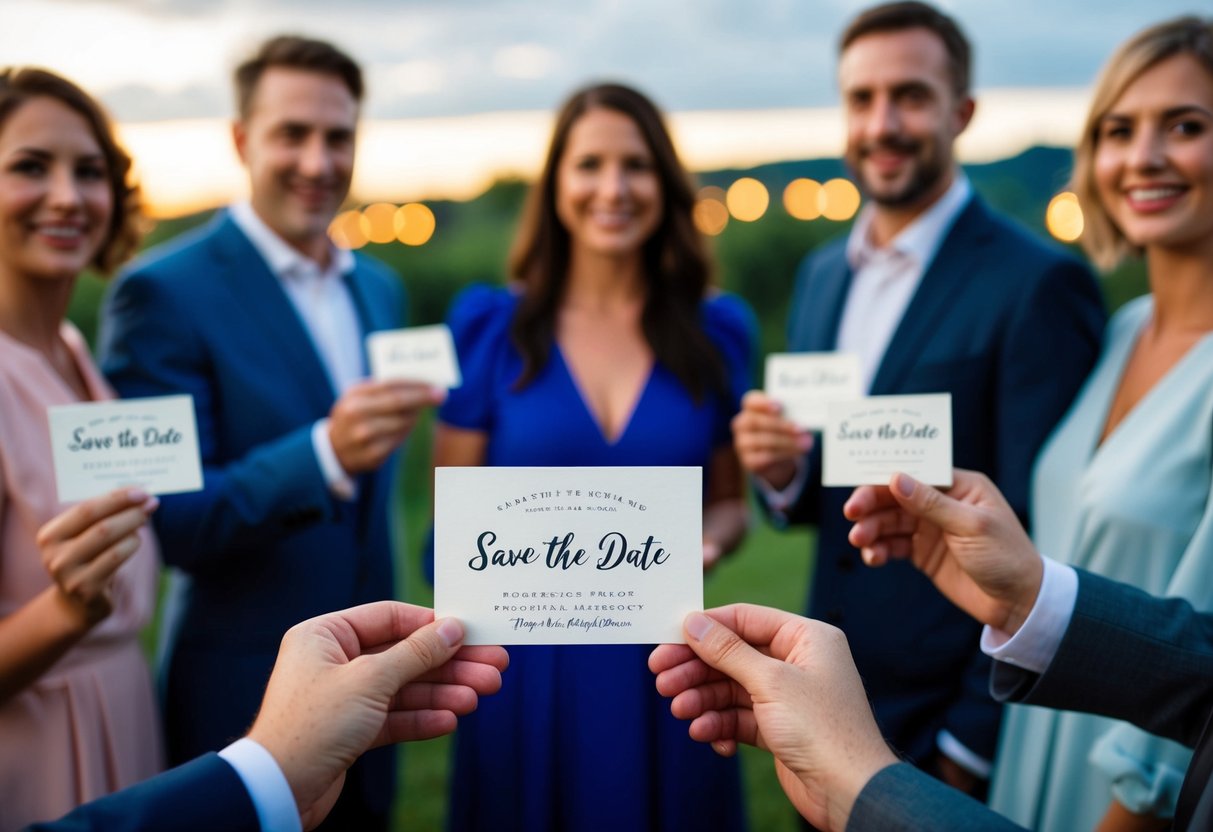
Using proper etiquette is key when sending out these notices. You want to be clear that these are invitations for the evening, not the whole day. A straightforward approach can prevent any confusion and let your guests know what to expect.
By reaching out early with save-the-dates, you can give your guests adequate notice and help them keep that special date open. This small gesture can strengthen your relationships and ensure a great turnout for your celebration.
Understanding Save the Date Cards

Save the date cards are a fun and essential part of wedding planning. They help set the tone for your big day and ensure your important guests have advance notice of the event.
Purpose and Importance
The main purpose of save the date cards is to inform your guests about your wedding date as early as possible. This allows them to mark their calendars, especially if they need to make travel arrangements. It’s a friendly reminder to save the specific date for your celebration.
Sending these cards is also a way to share your excitement about your upcoming wedding. Including an engagement photo on your save the date can personalize it and give your guests a glimpse of your style and personality. This small touch can make the card feel extra special.
Designing Your Save the Date
When it comes to save the date design, you have plenty of options. Your cards can reflect the theme or color scheme of your wedding. This creates a cohesive look from the start. Many couples choose to include their engagement photo, which adds a personal touch.
Don’t forget to include key details like your names, the wedding date, and the location if possible. You may opt for traditional printed cards or modern digital formats. Make sure the design matches your personality and the vibe of your wedding.
Best Practices for Save the Date Etiquette
Using proper save the date etiquette is crucial. Generally, you should send these cards to guests who you definitely want to attend. If you are considering inviting evening guests only, think about whether a “save the evening” card might better suit your needs.
Aim to send save the dates out 6 to 12 months in advance. This gives your guests enough time to make plans. Be sure to follow up with official invitations closer to the date, which will provide more details about your wedding. This two-step process helps keep everyone informed and excited.
Who Gets A Save The Date?
Sending save the dates can help you inform your guests about your wedding plans. It’s important to decide who should receive these early notifications, especially when considering evening guests and destination weddings.
Deciding on Your Guest List
Start by making a list of everyone you want to invite. This includes family, close friends, and anyone else important in your life. You should think carefully about your priorities.
When creating your list, consider the size of your wedding and your budget. Aim for a balance between your dream list and what is manageable. Focus on those who truly matter to you. If you’re thinking of inviting kids or just adults, make that clear.
Evening Guests and Save the Dates
Evening guests should also receive save the dates. They need to know the wedding date so they can mark it on their calendars.
You can use specific wording to make it clear that they are invited for the evening portion only. This helps avoid misunderstandings.
Many couples choose to send “save-the-evening” cards for this purpose. This approach communicates the plan while respecting the format of your celebration.
Destination Wedding Considerations
For destination weddings, it’s even more crucial to send out save the dates. Guests need ample time to arrange travel and accommodations.
Make sure to provide the wedding date and location clearly. You might want to include information on nearby hotels or local attractions to help guests plan.
Also, consider sending save the dates to those who may need extra time to make travel arrangements. Giving your guests this heads-up can help ensure that your loved ones are able to join you on your special day.
Formal Invitations and Additional Details
When planning your wedding, understanding the flow from save the dates to formal invitations is key. You want your guests to have all the necessary details, especially those who received save the dates for your evening event.
Transition from Save the Dates to Formal Invitations
Once your save the dates have reached your guests, it’s time for the formal invitations. Typically, these invitations are sent out about 6-8 weeks before the big day. They should include all essential details like the venue, date, and time.
If you included phrases like “invitation to follow” in your save the dates, your guests will expect the formal information soon. Make sure your wedding stationery maintains a consistent theme to keep your branding cohesive. This will add a special touch and make everything feel connected.
Incorporating RSVPs into Your Wedding Stationery
RSVPs are a crucial part of your formal invitations. You’ll want to include an RSVP card to gather responses from your guests. This helps you finalize your headcount, which is vital for catering and seating arrangements.
Consider adding a wedding website link to your invitation. This allows guests to find more information about your wedding, such as details on accommodations and local attractions. Make it clear when you need the RSVPs back—usually about 2-4 weeks before the wedding.
Additional Information for Your Guests
The formal invitation is a great place to share more details. Include any dress codes, transportation options, or special instructions your guests may need. If you’re hosting an evening event, let them know if there will be changing venues or if certain activities are planned.
Don’t forget to mention if there are any nearby hotels or accommodations. Providing this info helps your guests plan better. Clear RSVP details will help you make the day as smooth as possible for everyone involved.
Planning for the Big Day

When planning your wedding, there are key elements that come together to create a memorable experience for you and your guests. Focusing on the venue, reception, and theme helps ensure your day runs smoothly and reflects your style.
Choosing Your Wedding Venue
Selecting the right wedding venue sets the tone for your entire event. Consider what atmosphere you want to create. Do you prefer a grand ballroom, a cozy garden, or a rustic barn?
Make sure the venue can accommodate all your guests, including those invited for the evening reception. Check if it has facilities for both the day and evening parts of your wedding. Also, remember to look into any bank holidays or special dates that might affect availability and pricing.
A good venue will offer wedding packages that include setup, catering, and decoration, which can simplify your planning.
Coordinating the Wedding Reception
The wedding reception is where you and your guests celebrate and enjoy delicious food, music, and dancing. You should focus on creating a warm and inviting atmosphere.
Consider the flow of the evening. Start with cocktails while guests arrive, followed by the dinner service. It’s also important to arrange entertainment that suits your style, whether it’s a live band or a DJ.
If you’re planning to have a separate evening reception, sending out clear evening wedding invitations or “save the evening” cards can help guests know what to expect. This avoids confusion and makes your evening guests feel included.
Selecting a Wedding Theme and Colours
Your wedding theme defines the overall look and feel of your day. Choosing a theme can help guide your decisions on décor, attire, and floral arrangements.
Popular themes include vintage, modern, and rustic.
Color choices play a significant role, too. Select colors that complement each other and fit with your wedding venue.
You can opt for neutral tones for an elegant feel or bold colors for a vibrant atmosphere. Incorporating these colors into your save the date materials and throughout your reception décor can ensure a cohesive look.
Don’t forget to think about how your chosen theme will make both daytime and evening guests feel welcome and included.