
Do Siblings Have to Be Groomsmen? Understanding Your Wedding Party Choices
Planning a wedding comes with many choices, and one common question is whether siblings must be groomsmen. The answer is no; you are not required to include your siblings in the wedding party if you choose not to. Every couple’s situation is unique, and it’s important to prioritize what feels right for your big day.

You might reflect on your relationship with your siblings. Including them can be a wonderful way to celebrate family ties, but it’s completely acceptable to select friends or other loved ones if that suits your vision better. Remember, the roles of groomsmen and bridesmaids should enhance your wedding experience, not complicate it.
Don’t forget that there are many ways to involve siblings without making them formal members of the wedding party. Whether that means asking them to give a reading or help with planning, your siblings can still play a special role in your celebration.
Understanding Wedding Party Roles

When planning a wedding, it’s essential to know the various roles within the bridal party. Each member plays a unique part that contributes to the overall joy of the day. Understanding these roles will help you choose who to include, whether they are family or close friends.
Defining the Bridal Party
The bridal party typically includes bridesmaids, groomsmen, and often other important figures in your life. Bridesmaids are usually your closest female friends or family members, while groomsmen consist of the groom’s male friends and relatives. These attendants support you emotionally and help with planning.
Bridal party members are also involved in various wedding traditions, such as pre-wedding parties and the rehearsal. Being clear about each person’s role can make everything run smoothly. If you have siblings, the decision to include them may depend on your relationship and their comfort level with the role.
The Role of Groomsmen and Bridesmaids
Groomsmen and bridesmaids are essential during the ceremony and the festivities. They stand by your side at the altar and participate in the family processional. Each groomsman usually takes on responsibilities, such as ensuring the groom is prepared and possibly organizing a bachelor party.
Bridesmaids often help with wedding planning tasks and coordinate activities leading up to the big day. The best man, a chief groomsman, plays a vital role by giving a speech and supporting the groom throughout the event. Your choice of who to include should reflect your bonds and the significance of each relationship.
Special Roles: Ushers, Readers, and More
Apart from groomsmen and bridesmaids, many couples choose to include ushers and readers in their wedding party. Ushers guide guests to their seats during the ceremony and ensure that everyone feels welcomed. This role is particularly essential for larger weddings where the seating arrangement may need extra attention.
Readers are often tasked with performing a reading during the ceremony. This could involve poetry or meaningful quotes that resonate with your love story. Including these roles allows for a more personalized experience, making your ceremony unique. Each position enhances the wedding experience for you and your guests.
Incorporating Siblings into the Wedding
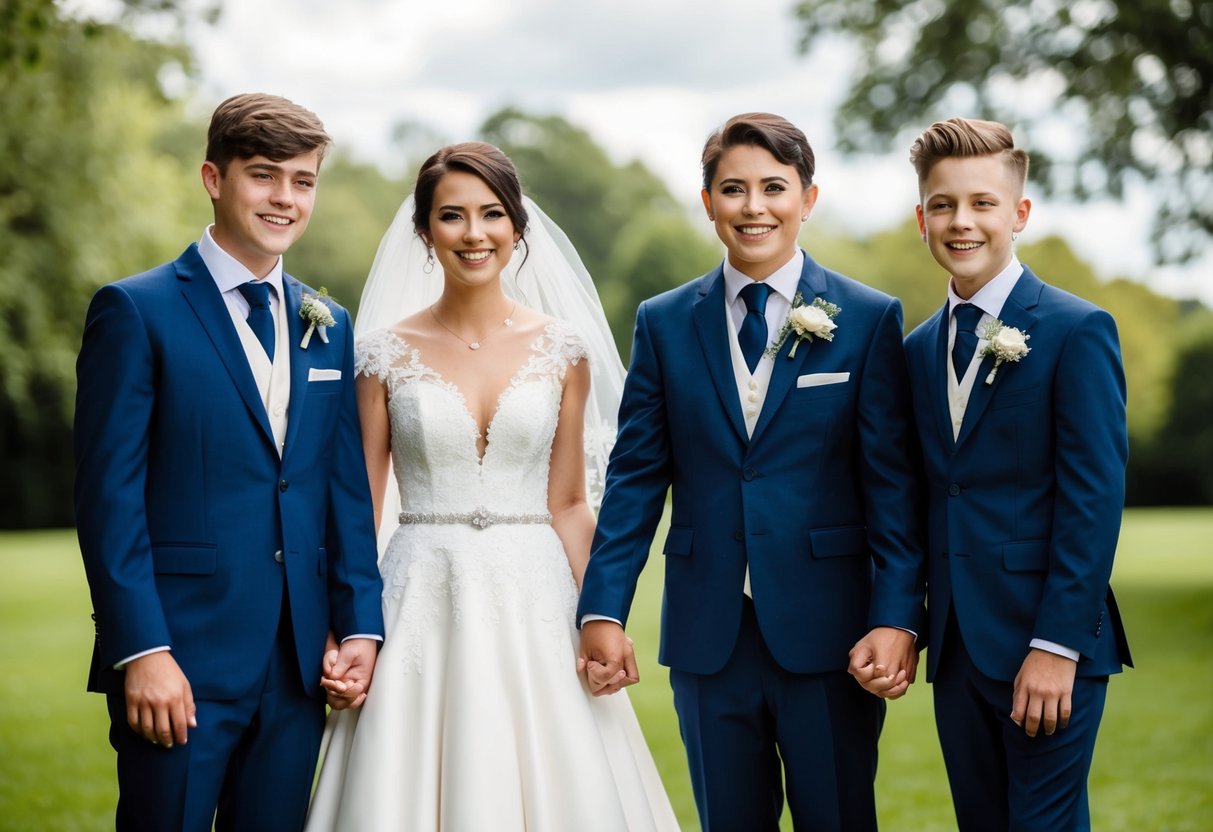
Including siblings in your wedding can add a personal touch to the day. They can play vital roles, whether as part of the bridal party or in other special capacities. Understanding how to incorporate them can help strengthen family bonds during this important occasion.
Siblings as Groomsmen or Bridesmaids
Your siblings can hold key positions in your wedding party. If you feel close to them, consider having them as groomsmen or bridesmaids. This not only honors your relationship but also allows them to be actively involved in the planning.
For example, a sister could be a maid of honor, helping coordinate events. A brother might take on the role of best man, offering support during the ceremony. Their involvement can make the day feel even more special as they share in your joy.
Alternate Roles for Siblings
If your siblings are not in the bridal party, there are still many ways to involve them. You may choose to have them perform tasks that make your day smoother. For instance, they can serve as ushers, greeting guests and guiding them to their seats.
Additionally, they could give a toast or read a passage during the ceremony. These contributions can create warm memories. Think creatively about how they can support you without being in the formal roles of bridesmaids or groomsmen.
Considering Family Dynamics
Family dynamics play a significant role in your decisions. Consider relationships and feelings when assigning roles. If a sibling has a strained relationship with another family member, it may be wise to discuss how to include them without unnecessary tension.
You can have a conversation with your siblings to understand their feelings about the day. Compromise may be necessary to ensure everyone feels valued and happy. Remember that the goal is to celebrate your love while keeping family bonds strong.
Planning the Wedding Ceremony
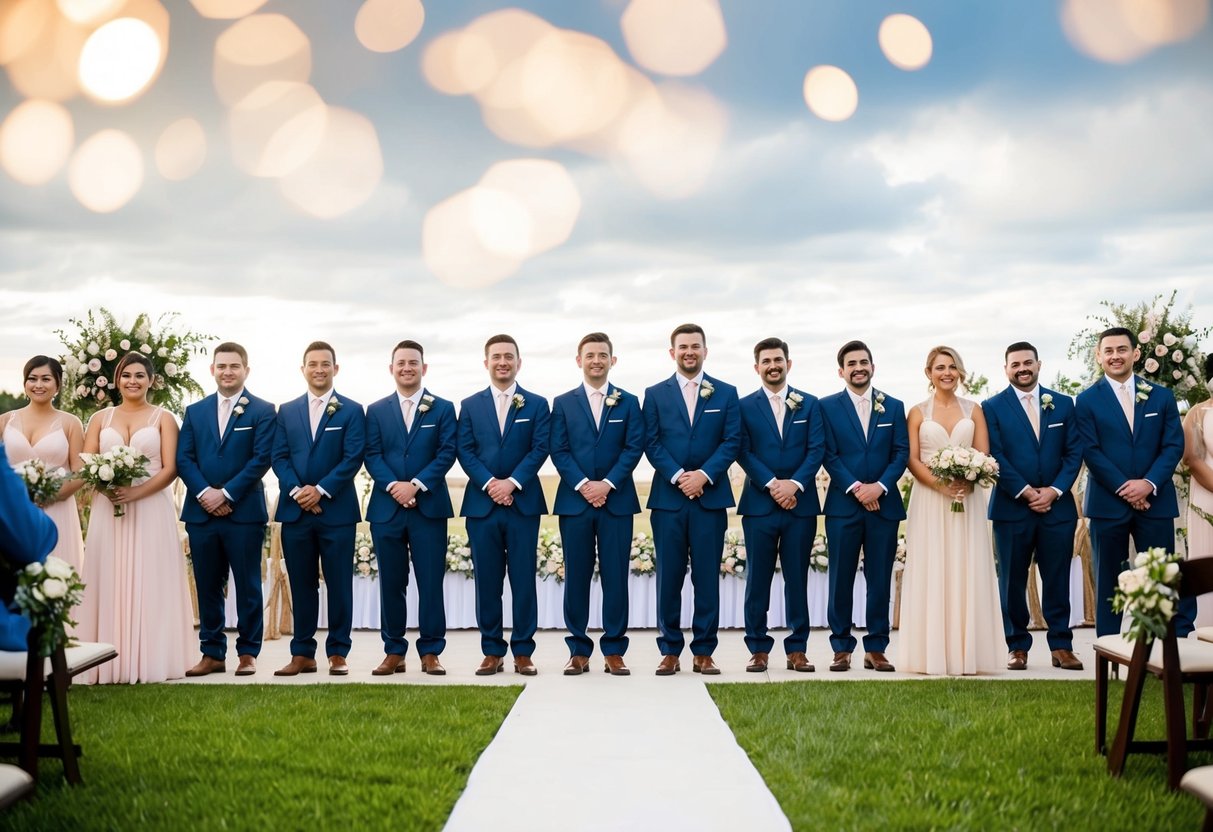
Your wedding ceremony is one of the most important parts of your big day. Understanding how to include your siblings and plan each detail can make the event feel even more special. Here’s what you need to consider.
The Order of the Processional
The processional sets the tone for your ceremony. It’s the moment when you and your loved ones walk down the aisle. First, decide who will walk in order. Typically, ushers lead the way, followed by bridesmaids and groomsmen.
If you choose to have a sibling as a groomsman, they will walk in with the other groomsmen. If your wedding incorporates flower bearers, they’d generally precede the bridal party.
You’ll want to practice this order during rehearsals. A clear plan ensures everyone knows their role, leading to a smooth processional.
Responsibilities at the Ceremony
Each person in your ceremony has specific duties. Groomsmen, including your siblings, are there to support you. Their roles can include standing by your side at the altar, holding rings, and assisting guests if needed.
If you prefer a sibling to take on a reading or special blessing, make sure they know ahead of time. Consider that your ceremony may also include unique roles, like someone lighting candles or being an usher.
Discuss these responsibilities clearly, so everyone understands what to do. This clarity helps everyone feel comfortable and engaged in your meaningful ceremony.
Celebrations Surrounding the Wedding
Weddings are filled with special celebrations that bring everyone together. From pre-wedding events to the lively reception, these moments add joy and meaning to the day.
Pre-Wedding Events
Before the big day, several events help set the tone for the celebration. The rehearsal dinner is an important gathering for the bridal party and close family. It usually occurs the night before the wedding, allowing everyone to bond and run through the ceremony details.
You might also have a bachelor party or a bachelorette party for the bride and groom. These events are about relaxing and celebrating with close friends. A bridal shower is another pre-wedding event where guests can give gifts and share their well-wishes. Each event helps create lasting memories and strengthens relationships among the bridal party and family.
Wedding Reception Highlights
The reception is a festive moment for everyone. After the ceremony, guests gather to celebrate the newlyweds.
Usually held at a wedding venue, the reception features food, drinks, and dancing. It’s a time to enjoy great company and capture beautiful wedding photos.
During the reception, the toast is an important tradition. Family and friends take turns speaking about the couple, sharing stories and advice.
You’ll also find special touches like greeters welcoming guests and helping them feel at home.
The night is filled with laughter, dancing, and joy as everyone cherishes the couple’s love.