
Do Solemnisers Get Paid? Understanding Their Fees and Compensation
When planning your wedding, you might wonder about the role of a solemniser. These individuals play a key part in your marriage by officiating your ceremony. In many cases, solemnisers do not receive a salary, as most of them volunteer their time to help couples unite in marriage.
Understanding this can help you appreciate the service they provide. While some solemnisers do accept a token of appreciation, like an ang bao, it is usually not their main source of income. This fact could influence how you choose to thank them for their efforts on your special day.
As you prepare for your wedding, knowing that solemnisers are often balancing their role with regular jobs might inspire you to express gratitude in a meaningful way.
With that in mind, let’s explore the ins and outs of solemnisation and what you should expect when you invite one to officiate your marriage.
Understanding the Role of Solemnisers
Solemnisers play a key part in the process of getting married. They are authorized individuals who conduct the solemnisation of marriage, ensuring that everything is legal and recognized by the state.
Let’s explore who these licensed solemnisers are and why their role is significant in a marriage.
Who Are Licensed Solemnisers?
Licensed solemnisers are individuals authorized by the state to perform marriage ceremonies. They can be religious leaders, judges, or other officials recognized by law. By holding a license, they can legally solemnise both civil and religious marriages.
In many places, they must meet specific qualifications and training requirements. This ensures they understand the legalities involved in a marriage. When choosing a wedding solemniser, you should verify their license status. You want to ensure they can conduct a legally binding ceremony for your civil marriage.
The Significance of Solemnisation in Marriage
Solemnisation is the formal process that makes your marriage recognized by the law. It involves the exchange of vows and the signing of a marriage register. This step is crucial as it changes your legal status from single to married.
Having a solemniser means your ceremony is conducted according to legal requirements. This includes ensuring all necessary documents are completed. The presence of a licensed solemniser helps protect your rights as a married couple. It ensures that your marriage is valid and supported by the legal system.
Engaging a Solemniser for Your Wedding
When planning your wedding, finding the right Solemniser is important for your special day. This section will guide you on how to engage a Solemniser, prepare for the solemnisation, and understand the necessary legal requirements.
How to Find and Engage a Solemniser
To find a Solemniser, start by checking the official listings provided by the registry of marriage in your area. Look for licensed solemnisers who are available on your chosen solemnisation date.
You can also ask friends or family for recommendations. It’s essential to contact potential solemnisers early, as they may have busy schedules, especially during peak wedding seasons.
Once you identify a Solemniser, discuss your wedding ceremony details with them. Ensure they understand your preferences and expectations. Agree on any fees, if applicable, and confirm their availability. It’s also a good idea to schedule a preliminary meeting to build rapport.
Preparing for the Solemnisation Process
Once you’ve engaged a Solemniser, gather all necessary documents, including your Identification Cards and any relevant paperwork from the registry of marriage.
You should also think about the structure of your ceremony. Discuss any specific rituals or readings you would like to include, which can make the ceremony more personal.
It’s wise to plan a rehearsal with your Solemniser if possible. This ensures everyone knows their roles on the big day. Have an open line of communication with your Solemniser to address any questions or concerns as the date approaches.
Solemniser Consent Form and Legal Requirements
To legally formalize your marriage, you need to complete a Solemniser consent form. This document confirms that you have engaged the Solemniser for your wedding.
You typically submit this form to the registry of marriage. Make sure to do this well ahead of your solemnisation date to avoid any last-minute issues.
In addition to the consent form, you will also need to fulfill other legal requirements. These may include obtaining a marriage license and ensuring all necessary documents are ready for your solemnisation ceremony. Being prepared will help make your wedding day smooth and enjoyable.
Cultural and Personal Aspects of Solemnisations
Solemnisation ceremonies can reflect cultural values and personal choices. Important aspects include traditional customs and the language used during the ceremony. Each element can make the occasion feel special and meaningful for you and your guests.
Incorporating Traditional Elements
Incorporating traditional elements into your solemnisation can add depth to your celebration. Think about customs specific to your culture or your partner’s culture.
For example, if you come from a certain heritage, you might want to include traditional music, specific attire, or ritual practices.
You could also consider choosing a wedding venue that holds cultural significance, like a temple or a family home. These elements honor your background and create a more personal experience for everyone involved.
Choosing the Language for Your Ceremony
The language used during your solemnisation is important for connecting with your audience. Think about what language you and your partner are most comfortable with.
If you and your guests speak multiple languages, consider using a mix. This approach can help more people feel included.
For instance, you might have portions of the ceremony in your native language while translating the key parts into another language. This creates a warm atmosphere where everyone feels welcome and understood.
Compensation and Gratitude for Solemnisers
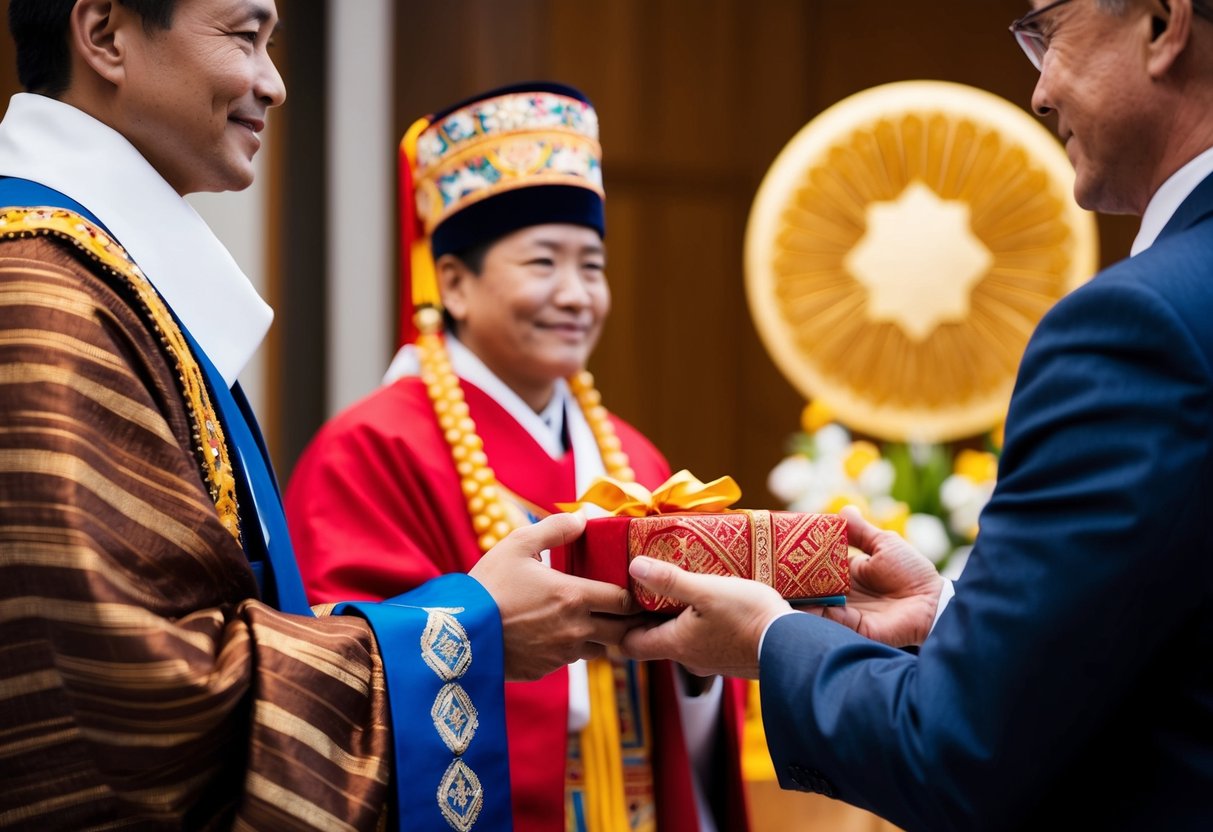
If you are hiring a solemniser for your wedding, you should know about their compensation. Most solemnisers are volunteers. They typically do not charge a fee for their services.
While no payment is expected, it is thoughtful to offer a token of appreciation. This shows your gratitude for the time and effort they put into officiating your ceremony.
Here are some ideas for tokens of appreciation you might consider:
- A small monetary gift
- A heartfelt thank-you card
- A thoughtful gift that reflects their interests
Some solemnizers may incur costs while officiating. You might discuss this with them to see if reimbursement for travel or other expenses is appropriate.
In many cultures, giving an angpao or red packet is customary. This is a traditional way to show thanks and support.
Showing appreciation for your officiant helps create a positive experience for everyone involved. Emphasizing gratitude can strengthen the connection between you and your solemniser, making your wedding day even more special.