
Do Spouses Sit at Head Table? Here’s What You Need to Know for Your Wedding
When planning your wedding reception, you might wonder about the seating arrangements, especially at the head table. Typically, the bride and groom sit at the head table together, surrounded by close family and friends. This creates a special focal point for you and your loved ones during the celebration.
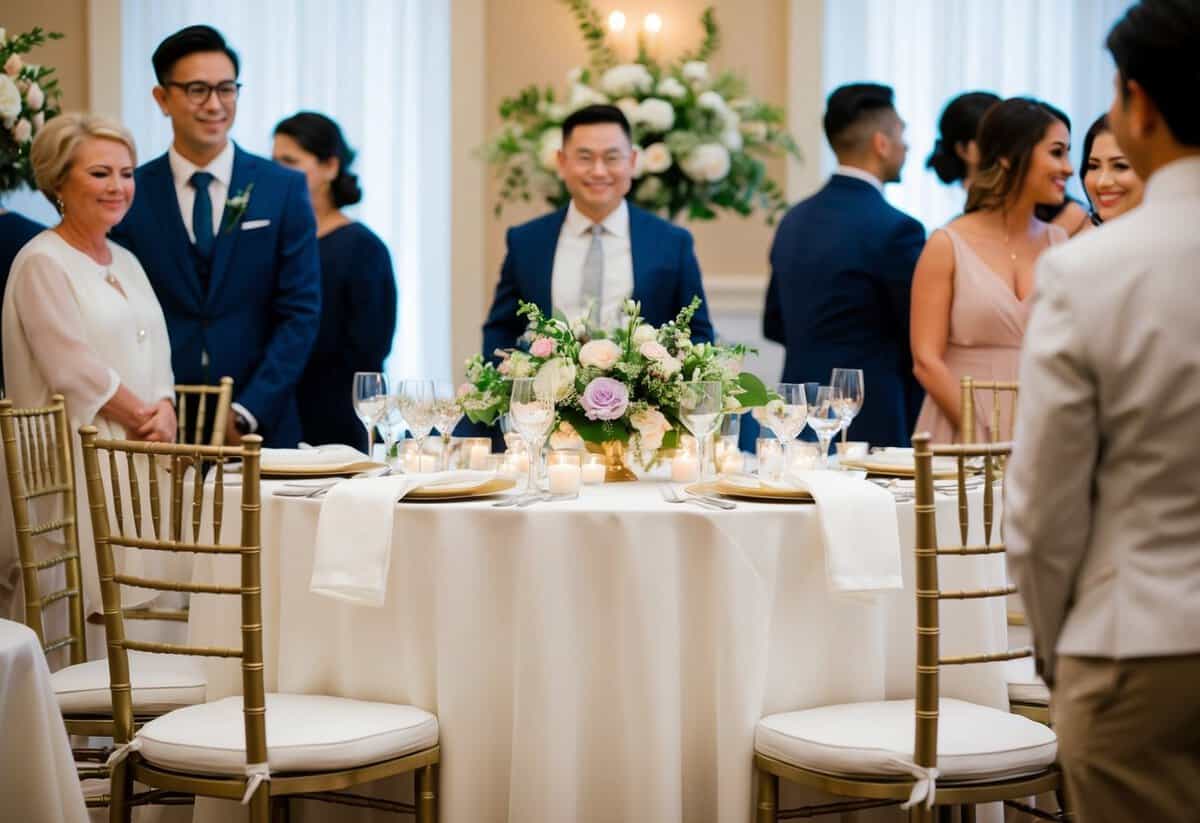
The seating at the head table can vary based on your preference. Some couples choose to include just their immediate family, while others invite the entire wedding party. Whatever you decide, it’s an opportunity to reflect the support and love you share with those closest to you.
Making your seating arrangement thoughtful can enhance the joy of your special day. You want your head table to represent the bond between you and your partner, as well as the community that lifts you up.
Exploring the Head Table Layout
The head table is a key feature of many weddings, providing a focal point for the newlyweds and their nearest and dearest. Understanding the layout and seating roles will help you create a special experience for everyone involved.
Roles and Positions at the Head Table
At the head table, you typically find the bride and groom seated front and center. They are often accompanied by their wedding party, which includes the best man, maid of honor, bridesmaids, and groomsmen.
In some arrangements, the bride and groom sit together, flanked by their close friends and family. This setup allows everyone to feel included while also giving the couple a chance to connect with their wedding party during the reception. For more intimate gatherings, some couples opt for a sweetheart table, where just the newlyweds sit together, creating a romantic atmosphere.
Types of Head Tables
There are several layouts for head tables. The traditional head table usually seats the couple along with the entire wedding party, allowing for a festive vibe.
Another option is the table of honor, which may include parents and other important family members. This setup highlights the families while keeping the couple at the forefront.
For a more modern take, you might choose a sweetheart table, where it’s just the couple. This provides space for personal moments and creates a cozy setting. Each layout has its charm, so consider what fits your style.
Seating Chart Nuances
Creating your seating chart is an essential step in planning. It’s important to think about who sits where to avoid awkward situations.
Start by assigning seats for immediate family and the wedding party. You can follow this with close friends and other guests. Pay attention to dynamics; place guests who get along well near each other.
Use a clear seating plan to help guests find their spots easily. Consider using table numbers or assigned seating cards to guide them. Ensuring everyone knows where to sit can make your reception flow smoothly, letting you enjoy your special day without stress.
Navigating Family and Social Dynamics
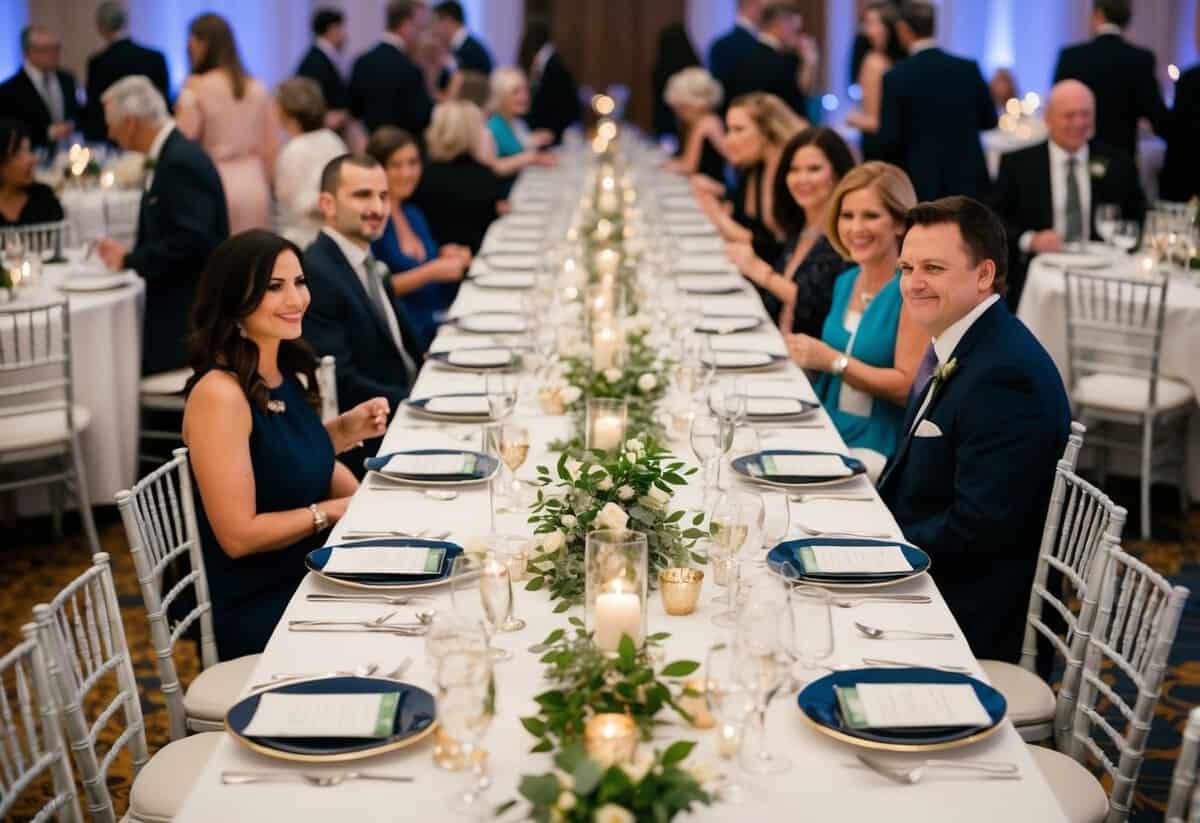
When planning your wedding seating, it’s important to consider the unique family and social dynamics at play. Balancing relationships and roles can create a smoother and more enjoyable experience for everyone involved.
Incorporating VIPs and Special Guests
Deciding who sits at the head table involves considering your VIPs and special guests. Typically, this includes your parents, siblings, and the wedding party. You might want to create an intimate seating arrangement where everyone feels included.
Think about recognizing important family members or mentors. This can also include grandparents or lifelong friends. It’s thoughtful to highlight these relationships on your big day. Remember, not all couples choose a traditional head table; some may prefer to sit with close friends for a more relaxed atmosphere.
Managing Divorced Parents and Blended Families
Navigating seating for divorced parents and blended families can be tricky. You want to encourage harmony at your wedding. If your parents don’t get along, consider separate tables. This can help avoid tension during the celebration.
Discuss your plans with both sides ahead of time. It shows respect and opens communication. If possible, try to accommodate both parents without forcing interaction. Additionally, be mindful of any step-siblings or other relatives. Ensure everyone feels included and valued.
Accommodating Children at the Wedding
Children often play special roles as ring bearers and flower girls, but their seating is also important. If you have many children attending, consider creating a kid-friendly table. This allows them to socialize with peers, making the day enjoyable for them too.
Think about including child attendants and how their needs might differ. Activities or coloring books can help keep them engaged. Also, make sure there’s an option for kid-friendly food. This ensures the younger guests have a great time while allowing you to enjoy your celebration.
Designing Your Head Table
Creating a welcoming and beautiful head table is important for your wedding reception. This table is where you, as the newlyweds, will sit and often serve as a focal point in the room. Here are some key aspects to consider for an inviting decor and practical arrangements.
Decor and Atmosphere
The decor at your head table sets the tone for the entire reception. You can use flowers, candles, or unique table runners to create an inviting look. Consider coordinating colors that match your wedding theme.
Tip: Use a focal point, such as a beautiful floral arrangement or a special backdrop, to draw attention to the table.
Another way to enhance the atmosphere is through lighting. Soft lighting can create a warm feel, while string lights can add charm.
Make sure to include personal touches that represent you as a couple. This can be framed photos, meaningful items, or specific decor that reflects your story.
Practical Considerations for Table Arrangements
When arranging your head table, think about who will sit with you. You may choose to have your wedding party join you or keep it intimate with just your partner.
Spacing Matters: Ensure there’s enough room for everyone to be comfortable. You don’t want to feel cramped during the celebration.
Pay attention to seating etiquette. Generally, it’s best to have the parents seated close to you. This helps honor their role while also keeping family connections strong during the festivities.
Keep in mind the flow of the reception. Place your head table where it can be easily seen, but also avoid blocking guest seating or pathways.
Additional Seating Considerations
When planning your wedding seating arrangements, it’s essential to think about how to accommodate all your guests. This includes considering singles and their plus-ones, as well as choosing a reception venue that fits your needs. Each decision can impact the comfort and enjoyment of your guests.
Seating for Singles and Plus-Ones
It’s important to think about how your single friends will feel during the reception. You can create a friendly and enjoyable atmosphere for them by seating them together.
Consider grouping single guests at tables where they can interact easily. This allows them to connect with others in a similar situation.
For plus-ones, let your invited guests know they can bring a date. Make sure to include these plus-ones in your seating chart. It’s polite to assign them a spot near their partner or other friendly faces.
This way, everyone feels included and has someone to enjoy the celebration with.
Choosing the Right Reception Venue
Selecting the right reception venue plays a key role in your seating arrangements. Make sure the space offers enough room for your guest tables and the head table.
Think about the layout. An open design can encourage mingling, while a more structured layout might suit larger groups well. Visualize where the bridal party will sit in relation to everyone else.
Some venues have restrictions on table arrangements or venue capacity. Confirm these details during your planning. With the right venue, you can create a warm and inviting setting that enhances the overall celebration.