
Do the Bride and Groom Get Place Cards? Understanding Wedding Seating Arrangements
When planning your wedding, small details like place cards can make a big difference. The bride and groom typically do not need separate place cards, but there are some situations where having them can be helpful. Including your names on the place cards for the guests adds a personal touch that matches your wedding theme.
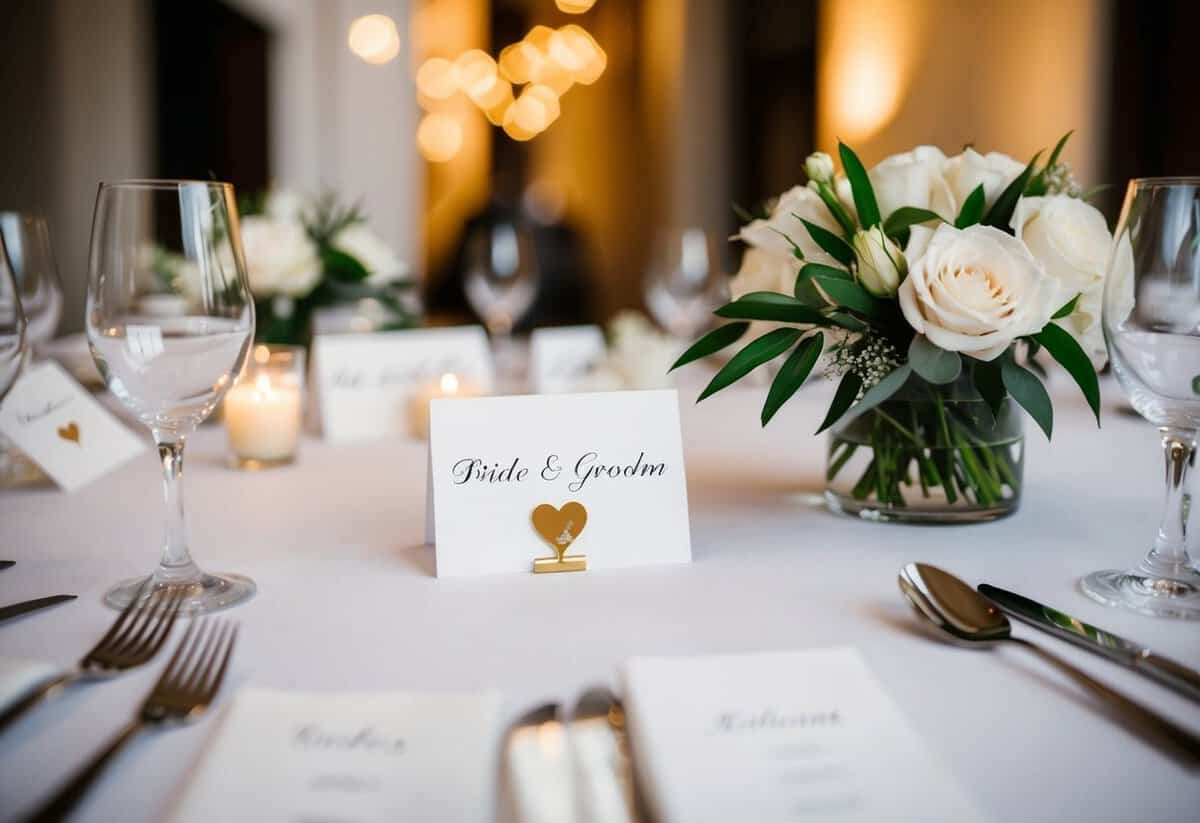
As you work through your guest list and organize the reception layout, consider how place cards can guide everyone to their seats smoothly. This can help your event flow better and ensure your loved ones are comfortable.
Whether you opt for traditional or creative place cards, this detail can enhance your wedding experience and create a memorable atmosphere for your guests.
Understanding Place Cards and Escort Cards
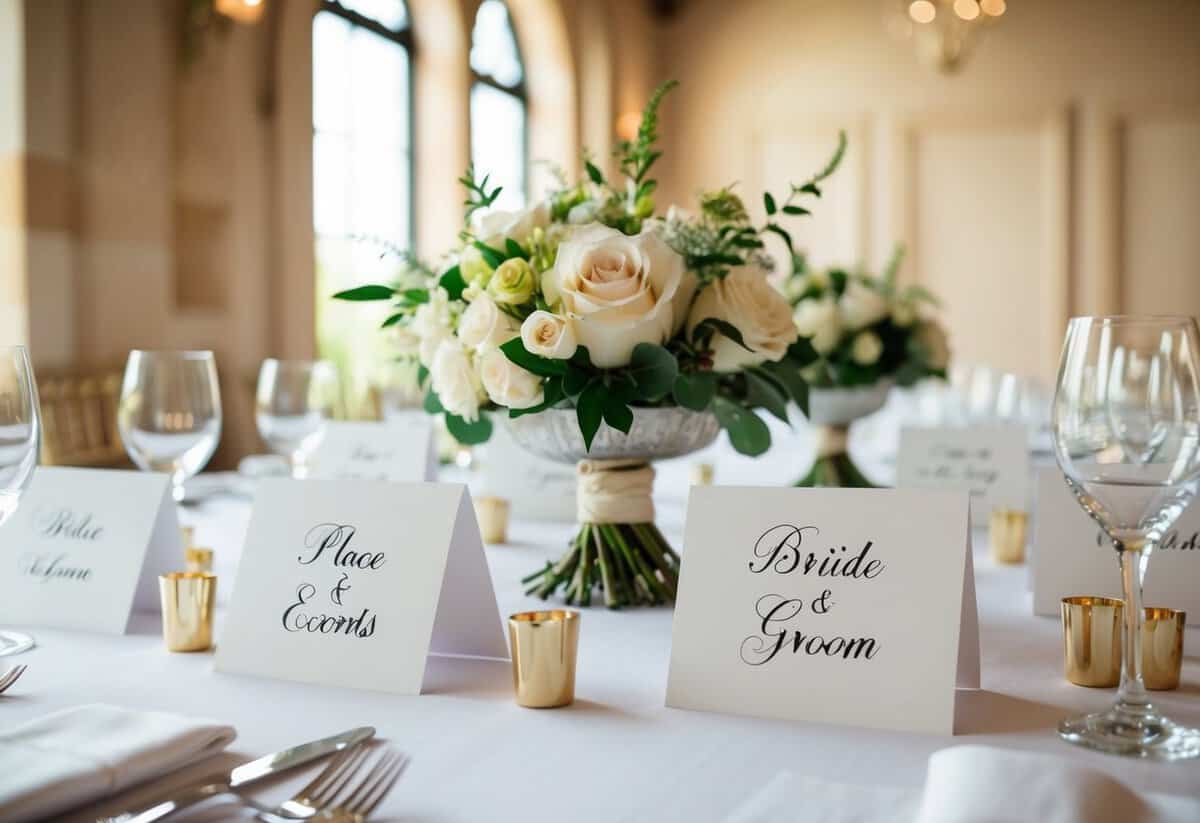
When planning a wedding, it’s essential to understand how place cards and escort cards serve your guests. These tools help organize seating and create a pleasant dining experience, ensuring everyone knows where to sit. Let’s explore their roles and differences.
The Role of Place Cards in Weddings
Place cards are a great way to guide your guests to their assigned seats. Unlike escort cards, which tell guests their table number, place cards indicate the exact seat at that table.
You typically display place cards at each guest’s setting, either on the plate or in front of it. This setup can be especially helpful for large weddings, where seating can get complicated.
You can choose wedding place cards that match your theme, whether they are simple or elegant. Including guest names adds a personal touch, making everyone feel welcome. Plus, it helps avoid confusion during dinner, creating a smooth flow for your reception.
Difference Between Place Cards and Escort Cards
It’s important to distinguish between place cards and escort cards. While both help with seating, they serve different purposes.
Escort cards provide guests with their table number. These cards are usually placed at the entrance of the reception area. They help guests find the right table but do not assign specific seats.
On the other hand, place cards are used once guests arrive at their designated tables. They detail the exact seat for each person.
You might find it beneficial to use both types, especially if you have a large guest list. This setup ensures clarity and enhances the overall experience, making your wedding more organized.
Designing Your Wedding Stationery
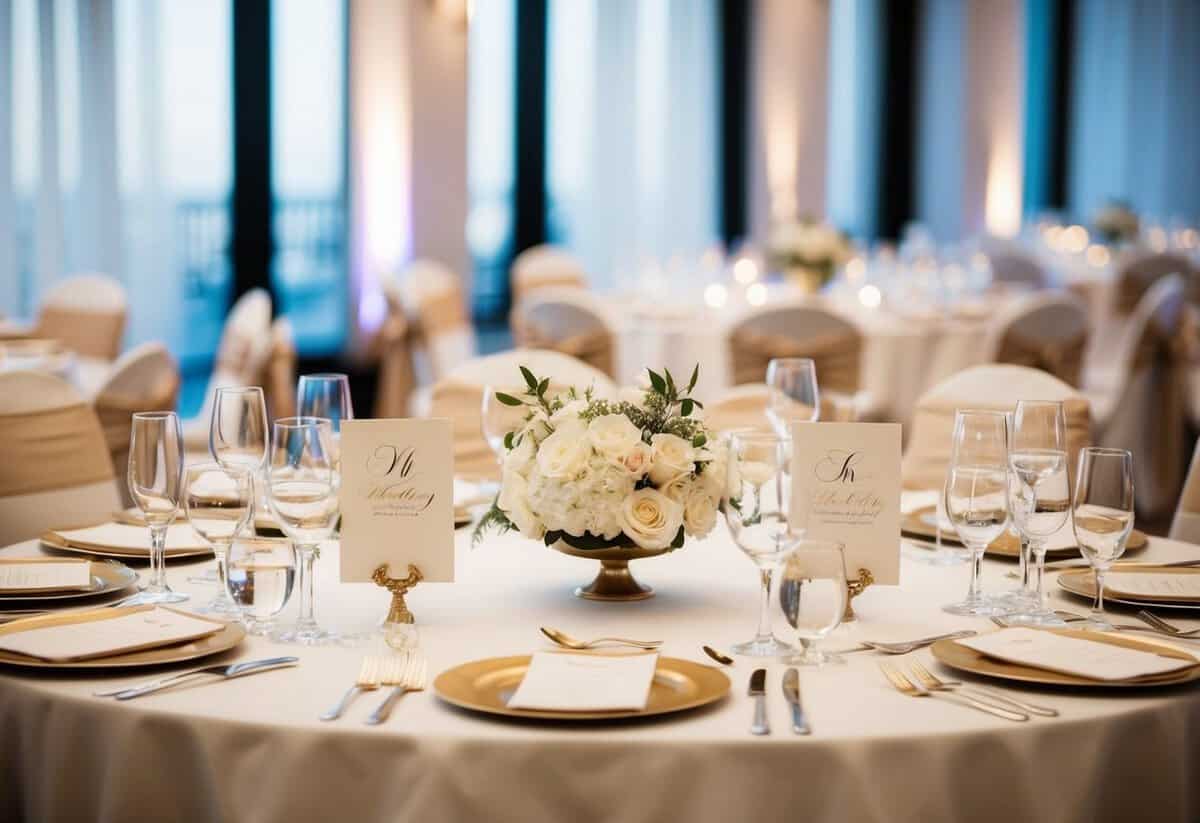
When planning your wedding, stationery plays a vital role in setting the tone and enhancing the experience for your guests. From elegant name cards to custom place cards, every detail counts. Here are some key points to consider for designing your wedding stationery.
Selecting the Perfect Design for Your Wedding Theme
Choosing a design that reflects your wedding theme is crucial. If you’re going for a romantic vibe, consider using soft colors and delicate fonts. For a modern wedding, geometric patterns and bold typography work well.
Look at creating an elegant wedding suite that includes invitations, save-the-dates, and place cards. Personalized place cards can tie the whole look together. Also, think about incorporating elements like laser-cut names for a unique touch.
Whatever your choice, ensure that your design is consistent across all stationery to create a cohesive feel.
Customization Options for a Personal Touch
Customization adds a special touch to your wedding stationery. You might want to explore custom made acrylic place cards for a modern twist or gold place cards that add luxury.
Don’t forget about calligraphy, which can elevate even the simplest card. Handmade wedding cards with personalized messages can also make your guests feel valued. Consider using unique designs or colors that resonate with your personal style.
You can also add small details such as your initials or wedding date to make each piece unique and memorable.
Choosing the Right Materials and Calligraphy
The materials you choose for your stationery can greatly influence the final look. Options range from luxurious cardstock to modern wedding cards made from eco-friendly materials.
Think about your wedding location as well. Outdoor weddings might benefit from weather-resistant materials.
In terms of calligraphy, selecting the right style is essential. Whether you prefer classic or contemporary, the right font can make a big difference. Working with a professional calligrapher will ensure your place card design is both beautiful and legible.
Remember, high-quality materials and expert calligraphy will impress your guests and set the right tone for your big day.
Seating Arrangement and Etiquette
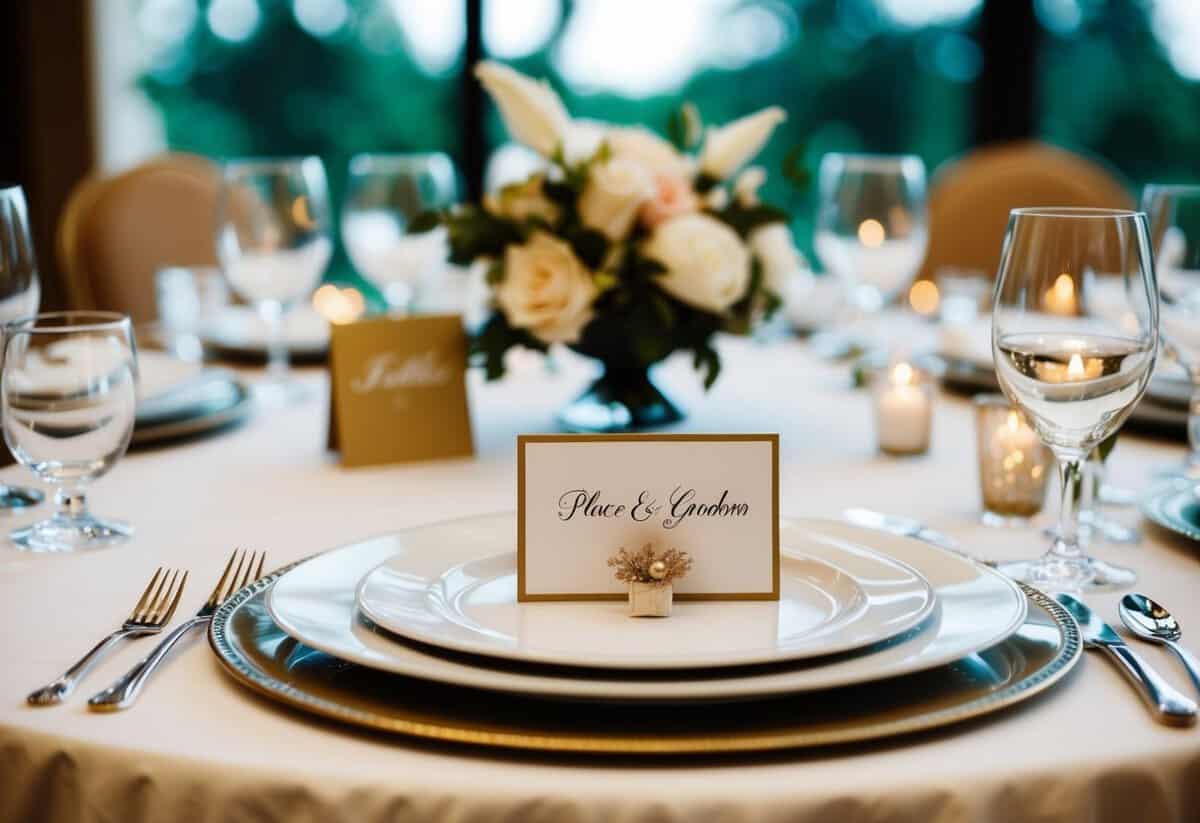
Creating a thoughtful seating arrangement is important for your wedding reception. Proper planning ensures your guests feel comfortable, and it adds to the flow of the event. Here are some key points to consider while organizing the seating chart and ensuring etiquette is followed.
Crafting the Seating Chart
Begin with your guest list and RSVP responses. Knowing who will attend is essential for planning the seating arrangement.
Chart Options: You might use a large seating chart displayed at the venue. If you prefer something more personal, consider individual cards with guests’ names at their assigned tables.
The head table is usually reserved for you, your partner, and the wedding party. If you prefer a sweetheart table for just the two of you, that’s perfectly acceptable. Ensure all other reception tables have clear arrangements to avoid confusion.
Placing the Wedding Party and Special Guests
When deciding where to seat your wedding party, consider including their significant others if space allows. Placing them near the head table fosters good interaction.
Special guests like the mother of the bride and father of the bride should be seated at prominent tables. Position them front and center, allowing you to honor them throughout the reception.
It’s also essential to mix seating at tables to promote conversation. Aim for a balance of personalities and interests, making sure everyone feels at ease.
Addressing Dietary Restrictions
Be sure to gather information about dietary restrictions when you send out your RSVPs. This detail is vital in ensuring your guests feel included and comfortable.
Keep track of any allergies or special meal requests. This information can then be shared with your caterer or vendors.
You might create specific meal tags for guests at their tables. Clear labeling helps avoid any confusion about which meals are safe for each guest. This attention to detail reflects your consideration for everyone’s needs.
Final Touches and Accessories
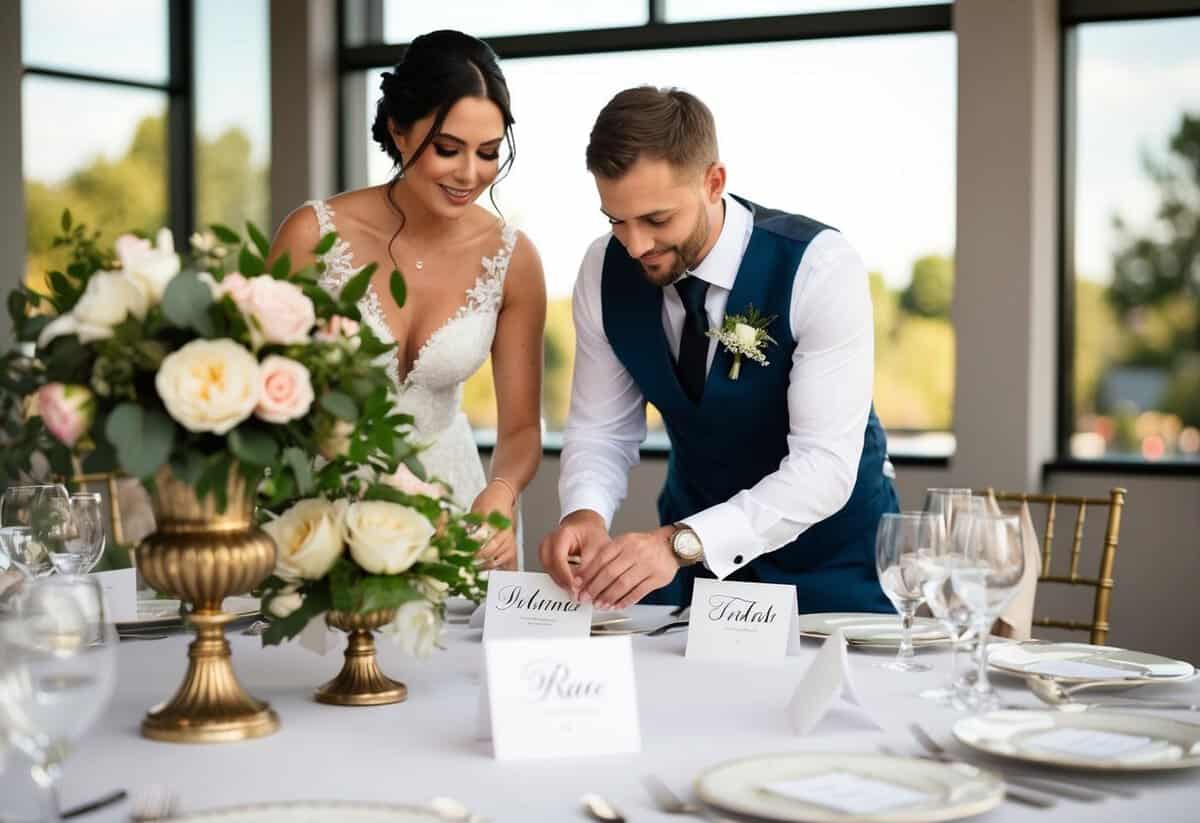
As you prepare for your big day, it’s important to focus on the details that will make your wedding truly special. Coordinating your table cards and wedding favors adds a personal touch and enhances the overall experience for your guests.
Coordinating Table Cards and Wedding Favors
When planning your seating arrangements, table cards help guests find their spots easily. You can create personalized table cards with each guest’s name and perhaps a little design that matches your wedding theme. This can add elegance to your tables.
Consider matching your wedding favors with your table cards. For example, if you’re giving out small jars of honey, your table card can have a honey-themed design. This consistency makes your decor look well-planned and thoughtful.
Make sure to place the wedding favors at each seat or on a designated table. This allows your guests to feel welcomed and appreciated, creating a warm atmosphere at your celebration.