
Do the Bride and Groom Pay for a Destination Wedding? Understanding Wedding Costs and Responsibilities
Planning a destination wedding can be exciting, but it also raises a lot of questions about costs and who is responsible for what. Typically, the bride and groom cover the expenses for their ceremony, reception, and rehearsal dinner. Understanding these financial responsibilities is key to ensuring everyone is on the same page, especially when it comes to wedding etiquette.

As you navigate this journey, consider what additional costs might arise for you or your guests. From transportation to accommodations, knowing who pays for what can help avoid misunderstandings and keep the planning process smooth. Not only will this clarity help you manage your budget, but it will also set the right tone for your big day.
With the right information, you can focus on what truly matters: celebrating your love with family and friends in a beautiful destination. This article will provide you with all the details you need about handling expenses and maintaining good destination wedding etiquette.
Understanding Destination Wedding Costs
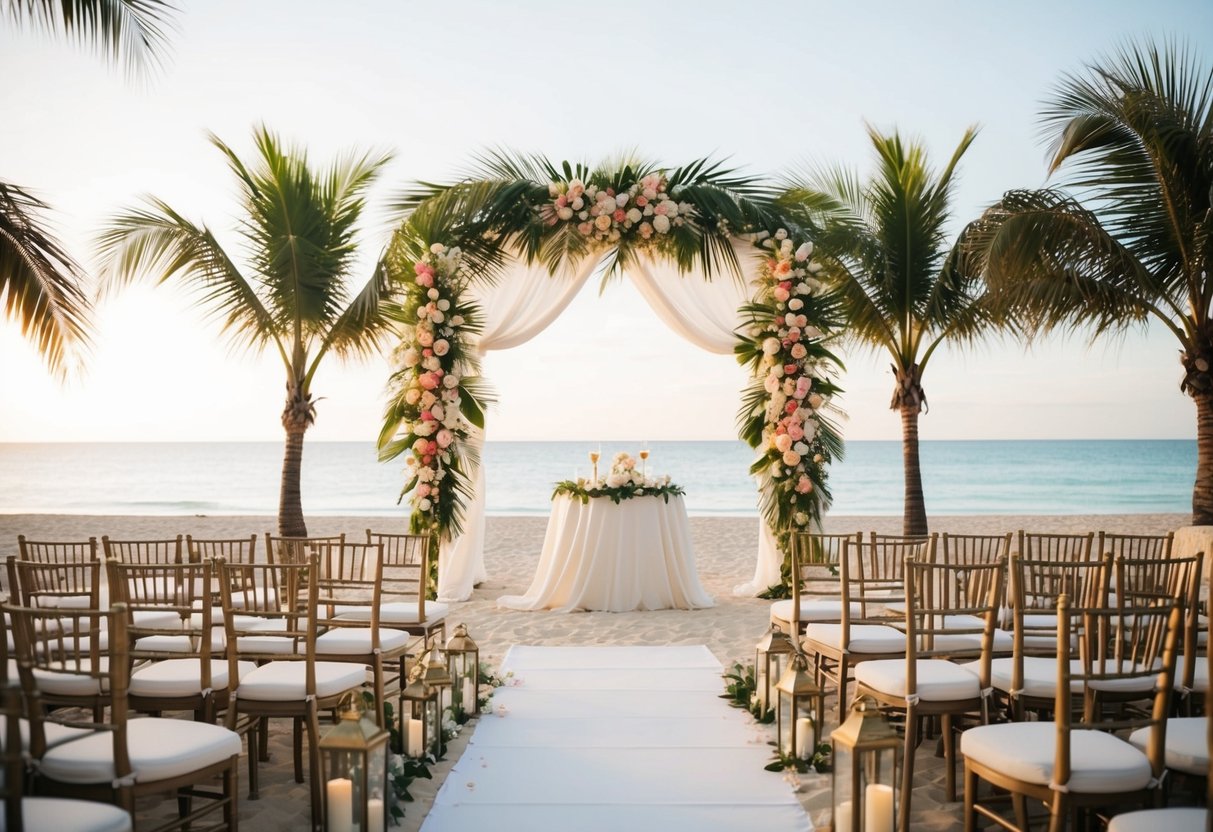
Planning a destination wedding means you must pay close attention to costs. Knowing how to allocate your wedding budget and being aware of hidden expenses can help you avoid surprises.
Allocating the Budget
First, start by listing all the wedding expenses. This includes the venue, catering, and accommodations. Aim to be clear on what you’ll cover and what guests are expected to pay.
Here’s a simple breakdown:
- Venue Costs: This usually falls on the couple.
- Travel Expenses: Guests typically cover their own flights and accommodations.
- Food and Drinks: Often, the couple pays for the reception meal.
Make sure to allocate a portion of your budget for each category. Consider setting aside extra funds for emergencies or last-minute changes. This way, you can enjoy your day without worrying about money.
Hidden Expenses to Consider
Destination weddings come with unique challenges. Some costs may not be immediately obvious.
Common hidden expenses include:
- Travel Insurance: Protects against unexpected cancellations.
- Vendor Travel Fees: Some vendors may charge for traveling to your location.
- Guest Activities: If you plan group activities, factor in these costs.
Don’t forget about wedding favors or welcome packs for your guests. These small touches add up quickly but can make your event memorable.
Being aware of these financial responsibilities will help you stick to your budget and enjoy your special day.
Division of Expenses

Planning a destination wedding requires understanding who covers different costs. Knowing the division of expenses can help manage your budget and avoid misunderstandings with loved ones.
Bride and Groom’s Responsibilities
You and your partner bear most of the financial responsibilities. This typically includes the wedding reception, which covers the venue, food, and drinks.
You also pay for the rehearsal dinner. This event usually happens the night before the wedding and includes your close family and wedding party.
If you hire a wedding planner, this expense often falls on you as well. Additionally, you might cover costs for things like hair and makeup for yourselves and key family members.
Wedding Party’s Financial Roles
Your wedding party plays a crucial role in the wedding, but they also incur some costs. Bridesmaids and groomsmen are often responsible for their attire, like dresses and suits.
They may also pay for their travel and accommodations. In some cases, you might help with these costs if you have the budget. It’s important to discuss expectations early on.
As the couple, you can choose to host a welcome dinner for your wedding party and close family. This adds a nice touch and shows appreciation for their support.
Guests and Travel Costs
Guests typically handle their travel expenses when attending your destination wedding. This includes flights and hotel accommodations. It’s customary for them to cover personal extras during their stay.
If you want to assist guests, you can arrange group rates for hotels or share helpful travel tips. Offering a morning-after brunch can also be a nice gesture. This is a casual way for everyone to connect after the celebrations.
Make sure to communicate any important details clearly. Guests will appreciate knowing what to expect financially.
Planning and Managing Logistics

Planning a destination wedding involves careful consideration of the logistics. You’ll need to think about selecting the right venue, securing accommodations, and arranging transportation for your guests. Each of these aspects plays a vital role in your wedding experience.
Choosing the Right Venue
Selecting the right venue is crucial for your destination wedding. Look for locations that offer beautiful scenery and can accommodate your guest list. Consider venues that specialize in weddings, such as all-inclusive resorts. They often provide packages that cover planning, catering, and decor.
Be mindful of wedding-related expenses like venue rental fees. Compare the costs of different locations to find the best fit for your budget. Ensure that the venue you choose aligns with the wedding theme you envision. A well-thought-out booking can set the tone for the entire event.
Accommodation Deals and Group Rates
Accommodations are another significant part of your planning process. You can negotiate group rates with hotels or resorts for your guests. This can help keep travel expenses down and ensure everyone stays nearby.
Look for hotels that offer shuttle services to and from the venue. Providing your guests with multiple accommodation options can maximize attendance. Consider using booking sites to find deals or reach out directly to hotels. Early booking can secure better rates and availability, so be proactive in this area.
Transportation Considerations
Transportation is a key factor in managing logistics. You’ll want your guests to arrive effortlessly at the venue.
Start by considering plane tickets for those traveling from far away. If your wedding is in a remote location, research the nearest airport and available flights.
Once your guests are at the destination, transport them smoothly to and from events. You might arrange buses or shuttles to simplify group travel. This detail enhances the experience and relieves your guests of travel stress.
Creating an Unforgettable Experience

Planning a destination wedding allows you to create memorable moments for your guests beyond just the ceremony. Focus on scheduling events before and after the wedding, embracing local culture, and ensuring everyone enjoys the experience.
Scheduling Pre-and-Post Wedding Events
Start the fun early by organizing pre-and-post wedding events. Consider hosting a welcome party where guests can relax, mingle, and acclimate to the destination. This could be a casual beach bonfire or a cocktail hour at your hotel.
You might also plan group activities, like a local tour or cooking class, before the wedding ceremony. After the big day, think about a brunch to thank everyone for joining you. These gatherings can also be a great way for your wedding party to bond and share special moments.
Incorporating Local Culture
Embrace the unique aspects of the location you chose for your wedding. This can be through the wedding attire, floral arrangements, and even the ceremony itself.
For instance, consider traditional dress or local floral options that reflect the region’s beauty. You can also infuse local elements into your wedding cake or food menu. If your destination is known for specific dishes, offer these at the reception. Partnering with local vendors can add authenticity and charm to the overall experience.
Ensuring Guest Enjoyment
Make sure your guests feel welcomed and entertained. Share itineraries and options for non-wedding activities so they can explore on their own.
Provide them with a list of local attractions, restaurants, and fun group activities. Hire wedding planners familiar with the area to help manage the details.
They can also suggest additional events tailored to your guests’ interests, ensuring everyone has a fantastic time. Keeping your guests engaged will create lasting memories, making your wedding an unforgettable event.