
Do the Bride and Groom Sit During the Ceremony? Understanding Wedding Traditions
When you think about a wedding ceremony, you might wonder if the bride and groom actually sit down during the event. In many ceremonies, the bride and groom do sit at specific moments, especially during particular traditions or rituals. This practice can vary based on different cultures and religious customs, adding unique elements to a wedding.
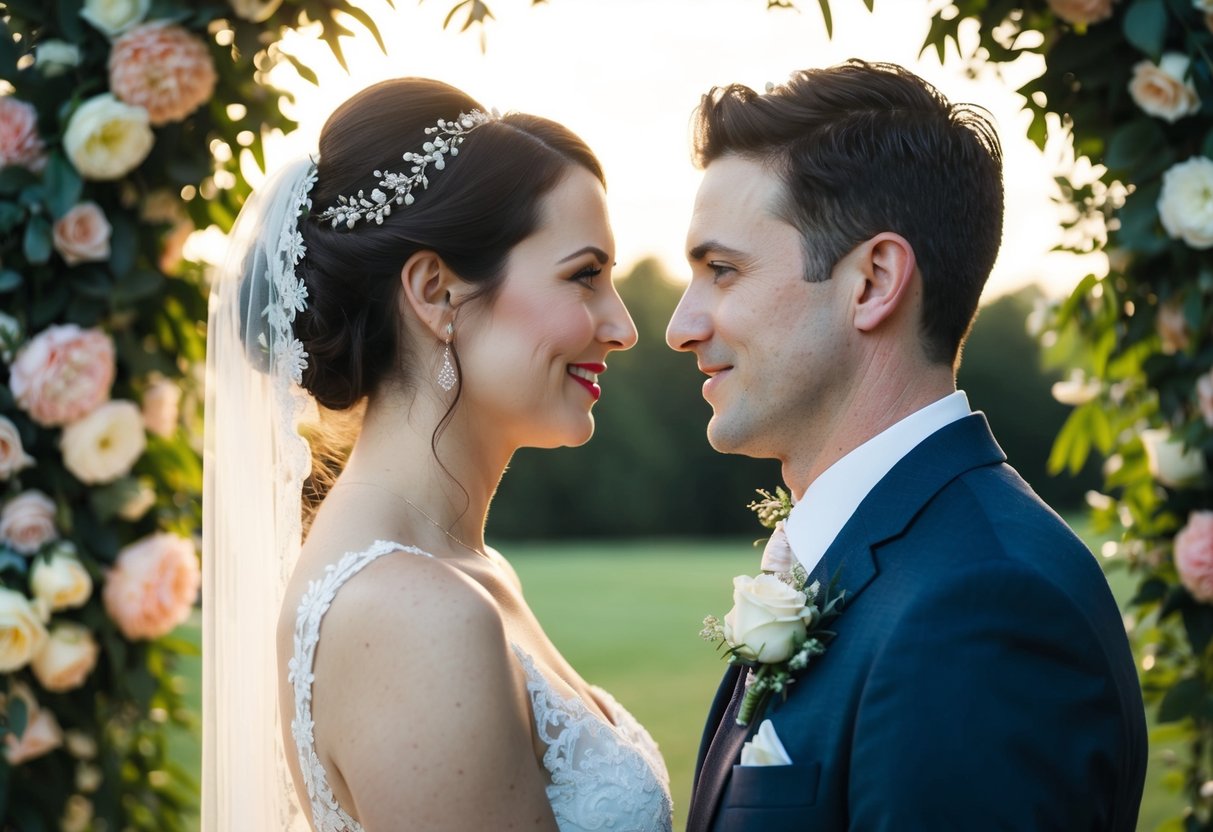
Understanding the seating arrangement can help you better appreciate the ceremony. Learning about when and why couples sit can reveal deeper meanings behind the rituals. It shows how traditions can shape the way couples express their love and commitment.
Whether you’re planning your own wedding or just curious about wedding traditions, knowing more about this topic can enhance your appreciation for the event. Keep reading to discover how these moments unfold in various ceremonies and what they signify for the couple and their families.
Understanding Ceremony Seating Basics
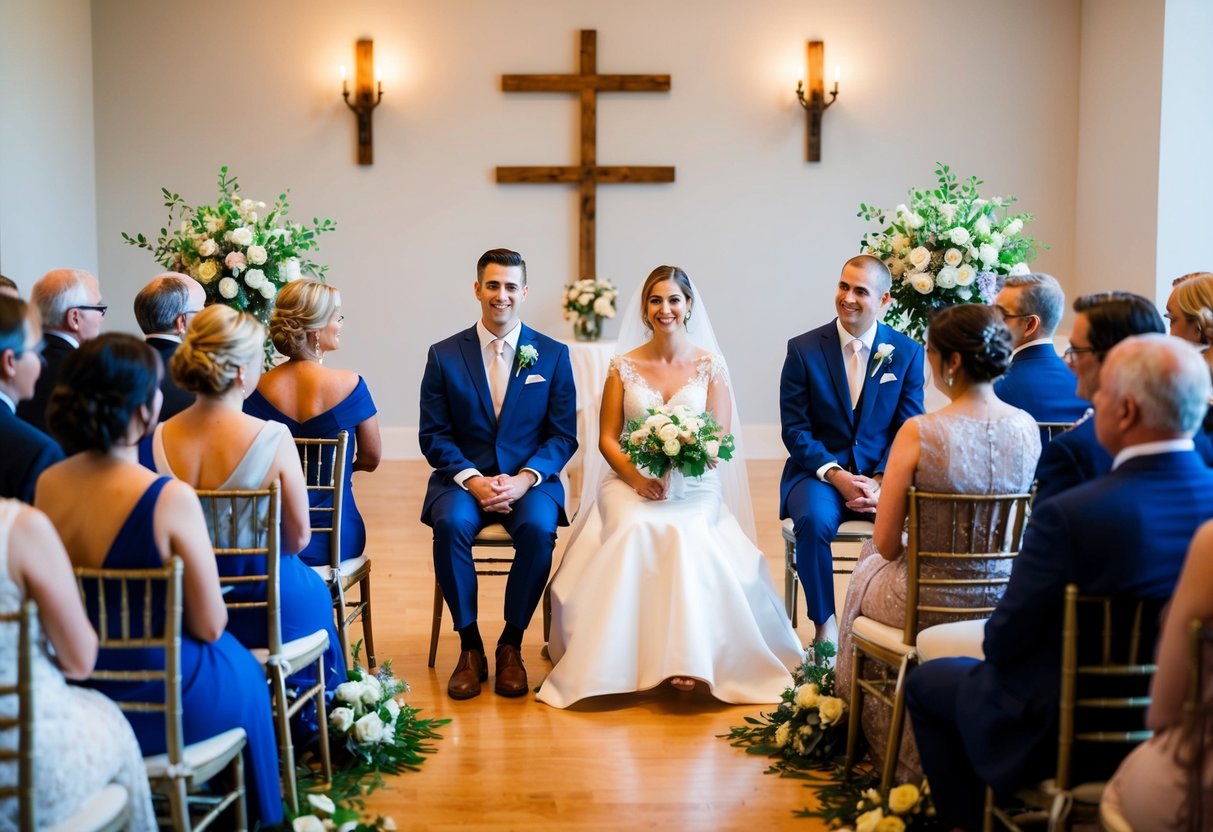
Seating during the wedding ceremony is essential for setting the tone of the event. Knowing the etiquette and arrangements can help you ensure that everything runs smoothly on the big day.
Ceremony Seating Etiquette
Understanding seating etiquette can simplify your wedding planning. Typically, the bride’s family and friends sit on the left side, while the groom’s family and friends sit on the right. This tradition highlights the joining of two families.
It’s also polite to seat the closest relatives in the first few rows. This makes sure that important guests feel valued. Guests should refrain from saving seats for latecomers unless necessary.
If you have children attending, consider seating their guardians at the ends of rows for quick access if needed. This can help avoid distractions during the ceremony.
Traditional Seating Arrangements
The traditional seating arrangement at wedding ceremonies is quite structured. Generally, the parents of the bride occupy the front left rows, while the groom’s parents sit in the front right rows.
You might also include special seating for grandparents and other significant family members. They can sit in designated spots to honor their role in your lives.
Cultural practices can influence seating arrangements too. For example, in some cultures, guests may sit in a circle, which allows everyone to see the ceremony. It’s important to communicate your specific wishes clearly.
Role of Ushers in Seating
Ushers play a vital part in managing your wedding ceremony seating. Their job is to guide guests to their assigned seats, which helps keep things organized and minimizes confusion.
You should provide the ushers with a seating chart so they can assist guests efficiently. It’s helpful to include family names and titles on the chart for reference.
Ushers should be familiar with any unique seating requests or etiquette. For example, if a divorced couple will attend, they might need seating arrangements that avoid discomfort. Proper usher training can make your wedding day much more enjoyable for everyone.
Cultural Wedding Traditions and Seating
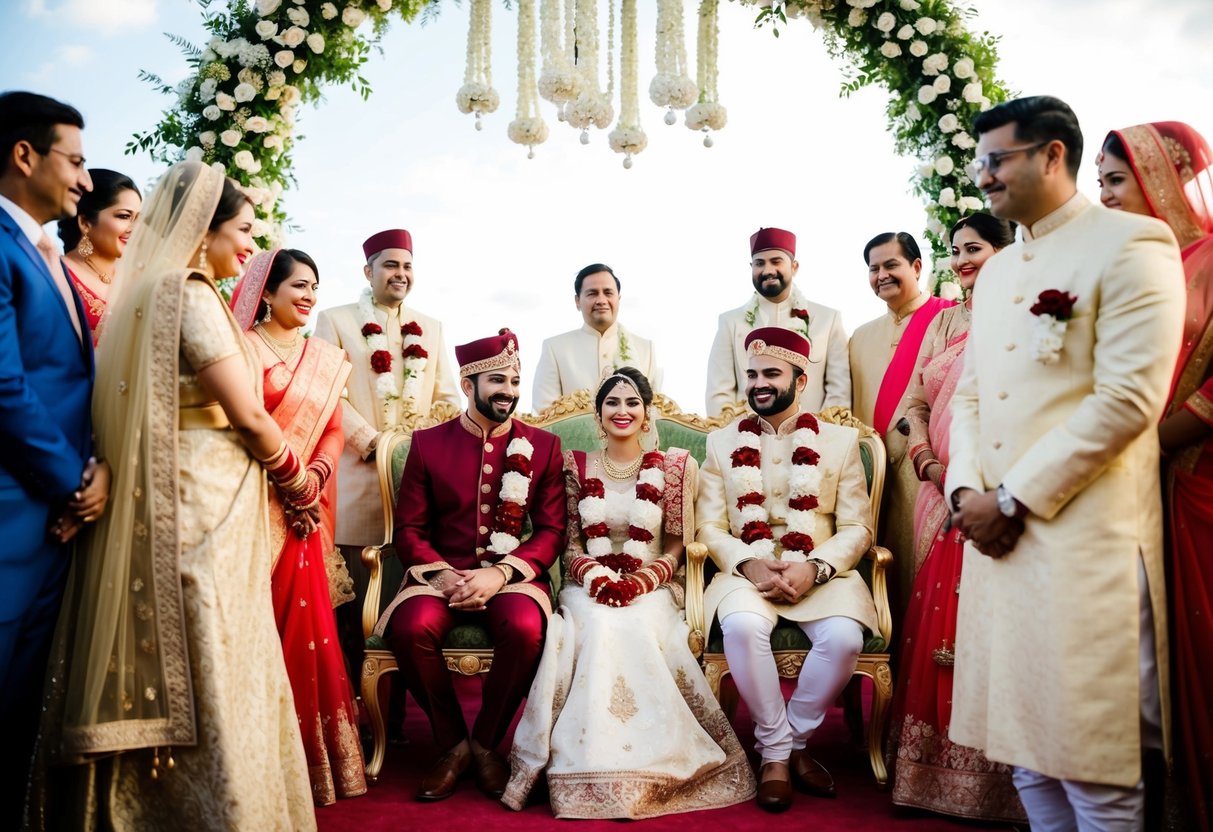
Different cultures have specific traditions regarding seating arrangements for weddings. Understanding these practices can help you appreciate the significance behind where the bride, groom, and their families sit during the ceremony.
Seating at Christian Weddings
In Christian weddings, the seating arrangement often follows a traditional format. The bride’s family and friends typically sit on the left side of the aisle, while the groom’s family and friends sit on the right. This arrangement emphasizes the unity of the couple while honoring their respective families.
During the ceremony, the bride traditionally stands to the left of the groom. This positions her on the left side, which has historical and symbolic meanings. Also, some modern ceremonies now embrace a “choose a seat, not a side” approach, allowing guests to sit wherever they feel comfortable. This trend reflects a move towards inclusivity and unity among all guests.
Seating at Jewish Weddings
Jewish weddings have their unique seating arrangements. Typically, the groom’s family sits on the left side when facing the altar, while the bride’s family sits on the right. This arrangement highlights the roles of both families in the couple’s new life together.
At Orthodox Jewish weddings, the seating is usually separated by gender, with men sitting on one side and women on the other. This tradition is rooted in religious customs and practices. It’s important to respect these traditions if you’re attending or planning a Jewish wedding.
Seating at Hindu Weddings
Hindu weddings involve various rituals that influence seating arrangements. The bride usually sits on the left side of the groom during the ceremony, symbolizing her becoming part of the groom’s family. In many traditions, the bride may switch sides at crucial moments during the ceremony, highlighting her new role.
Family involvement is significant in Hindu weddings. Both families often participate in rituals, and seating can reflect this. Typically, the close family members of both the bride and groom sit near the front, actively participating in ceremonies.
Inclusive Seating for Same-Sex Marriages
Same-sex marriage ceremonies are increasingly embracing flexible seating arrangements. Many couples opt for a more inclusive setup where guests choose their seats freely. This approach reflects the couple’s commitment to unity and acceptance.
In these ceremonies, you might see friends and family gathered together, breaking traditional side-based seating. This representation fosters a welcoming atmosphere for all guests, regardless of their relationships with the couple. As social norms evolve, so do the ways we celebrate love and commitment.
Roles and Positions During the Ceremony
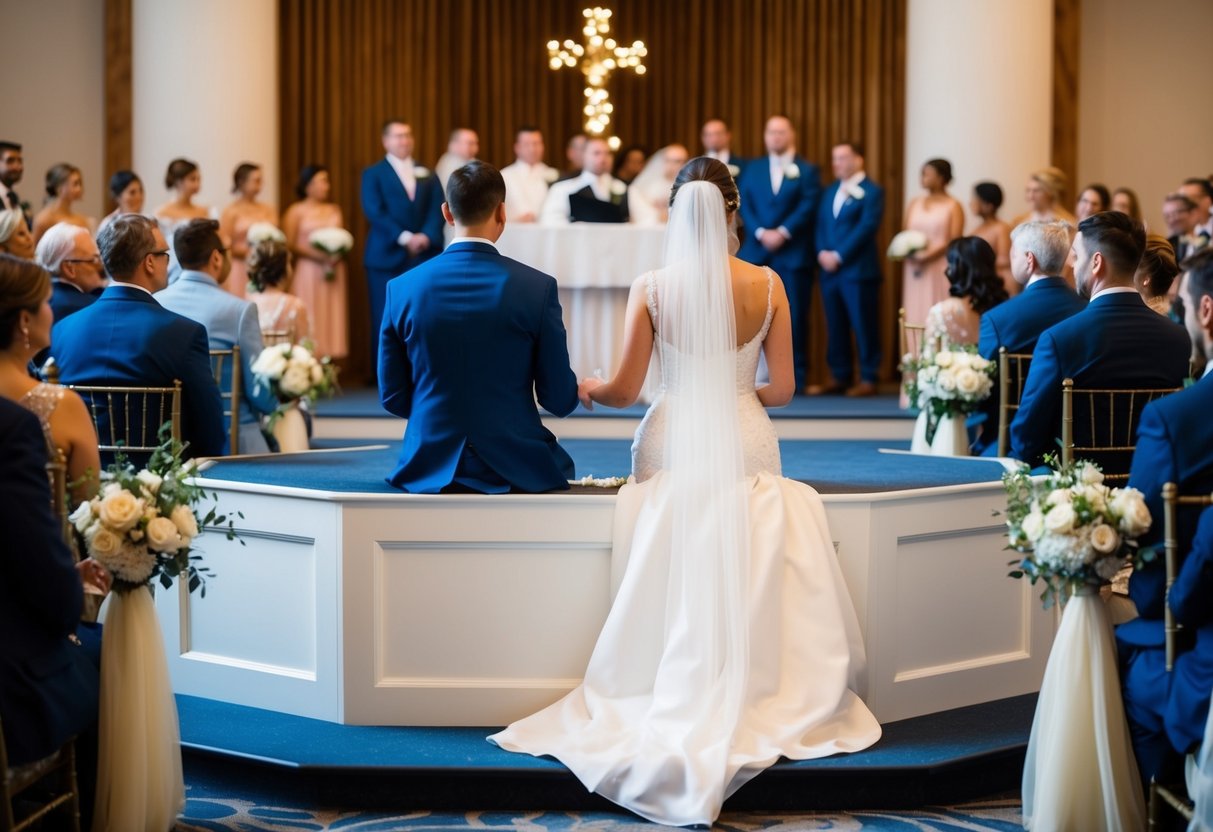
During a wedding ceremony, seating and positioning are important aspects that help set the tone for the event. Knowing where everyone sits can make the day flow smoothly and honor traditions.
Positioning of the Bride and Groom
Traditionally, the bride sits on the left side and the groom on the right. This custom stems from long-standing wedding traditions that symbolize the bride’s connection to her family. By standing on the left, the bride’s family can easily recognize her during the ceremony. Meanwhile, the groom, usually flanked by his best man, looks protective and supportive. Make sure to confirm these positions with your officiant, as some couples choose to mix it up based on personal preferences or family dynamics.
The Wedding Party’s Place
Next to the bride and groom, the wedding party takes their roles seriously. The bridesmaids typically stand with the bride, providing emotional support. Meanwhile, groomsmen stand with the groom, often ready to assist when needed. This arrangement not only reflects tradition but also helps to create a supportive environment. The best man stands closest to the groom, while the maid of honor stands beside the bride. Each member of the wedding party plays a special role, all contributing to the ceremony’s joy.
Parents of the Bride and Groom Seating
The seating of the parents is also a key part of the ceremony layout. Traditionally, the parents of the bride occupy the front row on the left side. They play an important role in the ceremony as witnesses to their child’s vows. On the right, the groom’s parents sit in the first row as well, showing their support for the wedding. This arrangement symbolizes the joining of two families. Keep in mind that some couples might alter this setup to reflect their unique family dynamics or preferences, creating a more inclusive atmosphere.
Logistics Handled by Wedding Professionals
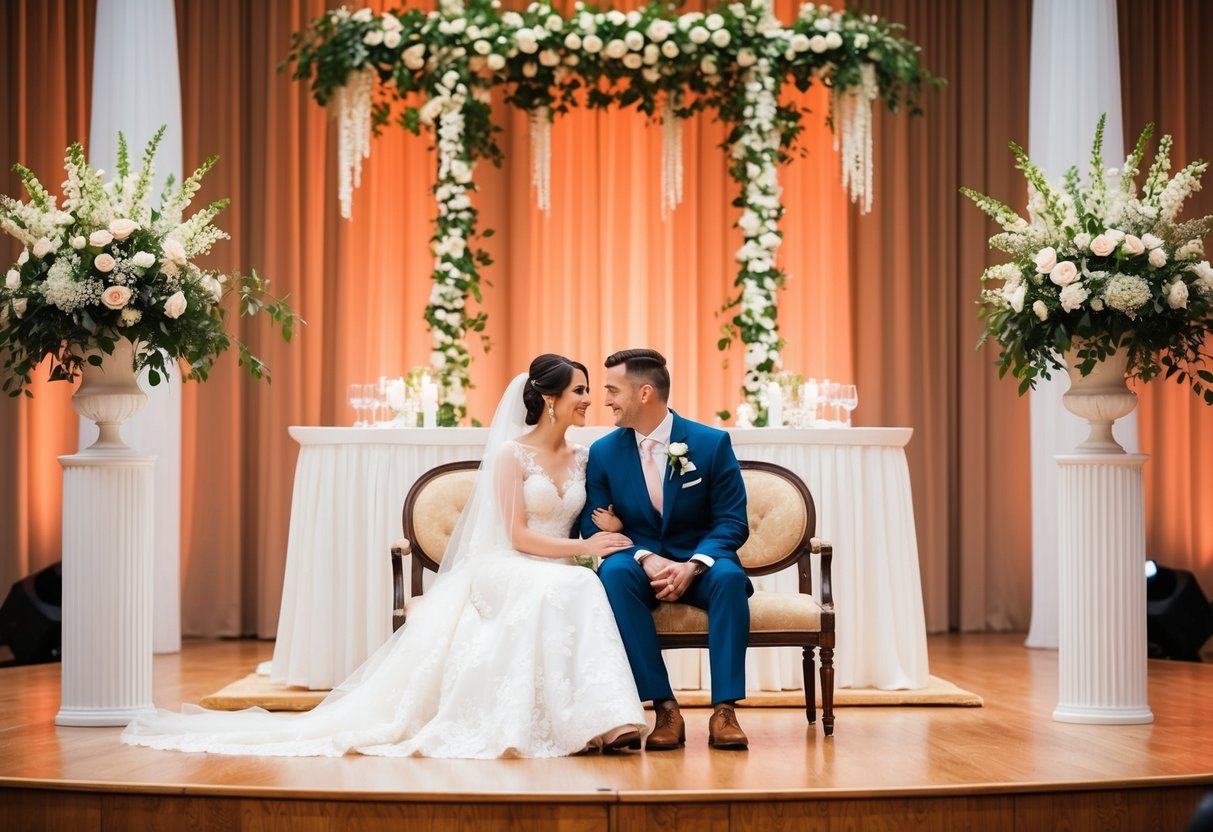
Planning your wedding involves many details, especially when it comes to the logistics of the ceremony. Engaging professionals can help ensure everything runs smoothly, allowing you to focus on enjoying your special day.
Choosing a Wedding Planner
A wedding planner can be your best ally during the planning process. They help you define your vision, set a budget, and find the right vendors.
When choosing a wedding planner, consider their experience and style. Ask for recommendations and read reviews to find someone who aligns with your vision. Make sure you communicate your expectations clearly. A good planner will listen to your ideas and offer valuable insights.
Finally, check their availability to ensure they can commit to your wedding date. This partnership can alleviate stress and make your dream wedding a reality.
Working with an Event Planner
While wedding planners focus on the big day, event planners can assist with all the surrounding events, like the reception or rehearsal dinner. They handle every detail, from the venue to catering, ensuring everything aligns.
When working with an event planner, discuss your needs and timeline. Provide information on guest lists and any themes or styles you envision. Regular check-ins are essential to keep everything on track.
Event planners often have established relationships with vendors, which can save you time and money. Their expertise ensures that all aspects of your wedding are cohesive and professionally handled.
Key Considerations for Wedding Officiants
Choosing the right wedding officiant is essential for a meaningful ceremony. Officiants set the tone and pace of your event, so look for someone whose style resonates with you.
Consider if you want a religious or civil ceremony. Discuss your preferences to ensure the officiant creates a personalized experience. Include any special rituals or traditions you want to incorporate into the ceremony.
Communication is key. Share your love story and any special notes you want included. This personal touch makes the ceremony unique and memorable for you and your guests.