
Do the Brides’ Parents Give the Groom a Gift? Understanding Wedding Traditions
If you’re wondering whether the bride’s parents give a gift to the groom, you’re not alone. Many people question the traditions around wedding gifts, especially when it involves both sets of parents. Traditionally, the bride’s parents often give a gift to the groom. This gift may include a significant gesture like financial support or contributions to the couple’s new life together.
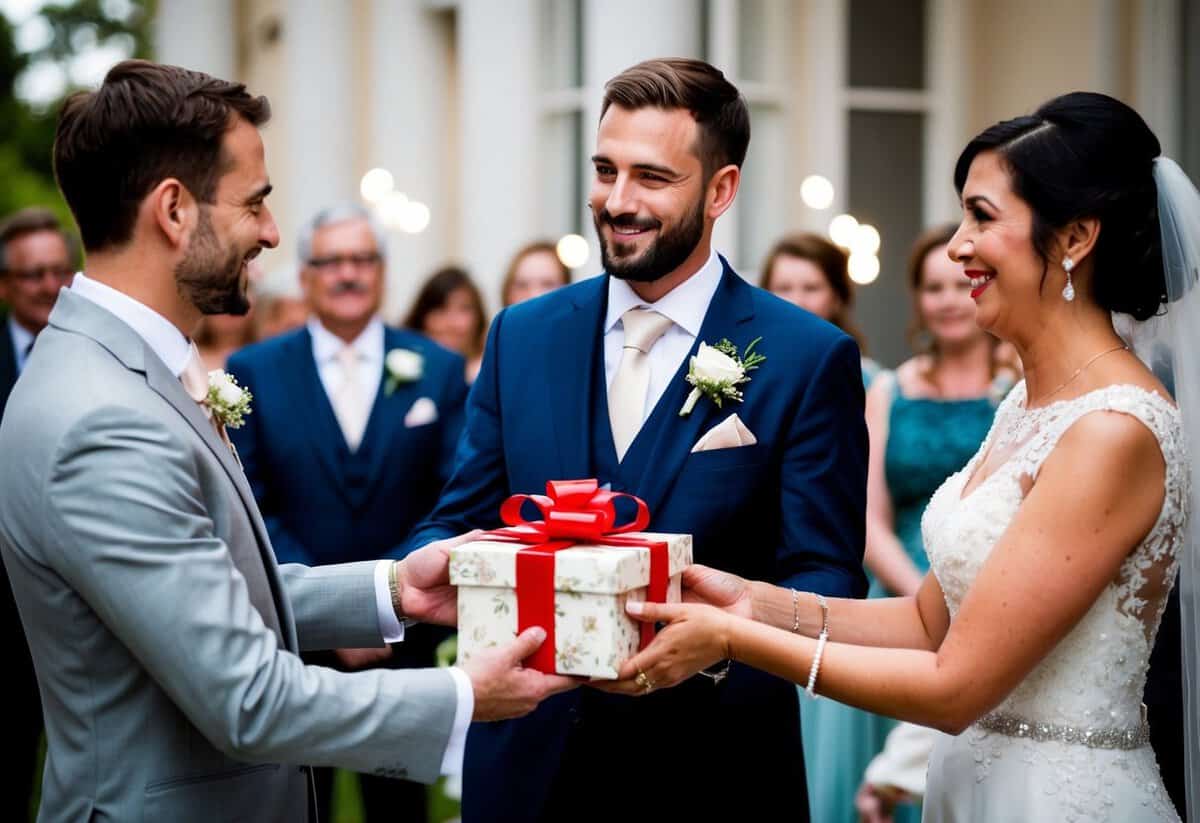
Understanding this custom can help you navigate the landscape of wedding planning and etiquette. Gifts from the bride’s parents can symbolize their support for the couple and celebrate the union. It’s also worth noting that if the groom’s parents are contributing to the wedding, this can sometimes be considered a significant gift on its own.
As you explore this topic, you’ll discover what you need to know about gift-giving etiquette at weddings. Knowing the expectations can make the planning process smoother and more enjoyable for everyone involved.
The Role of Parents in Wedding Celebrations
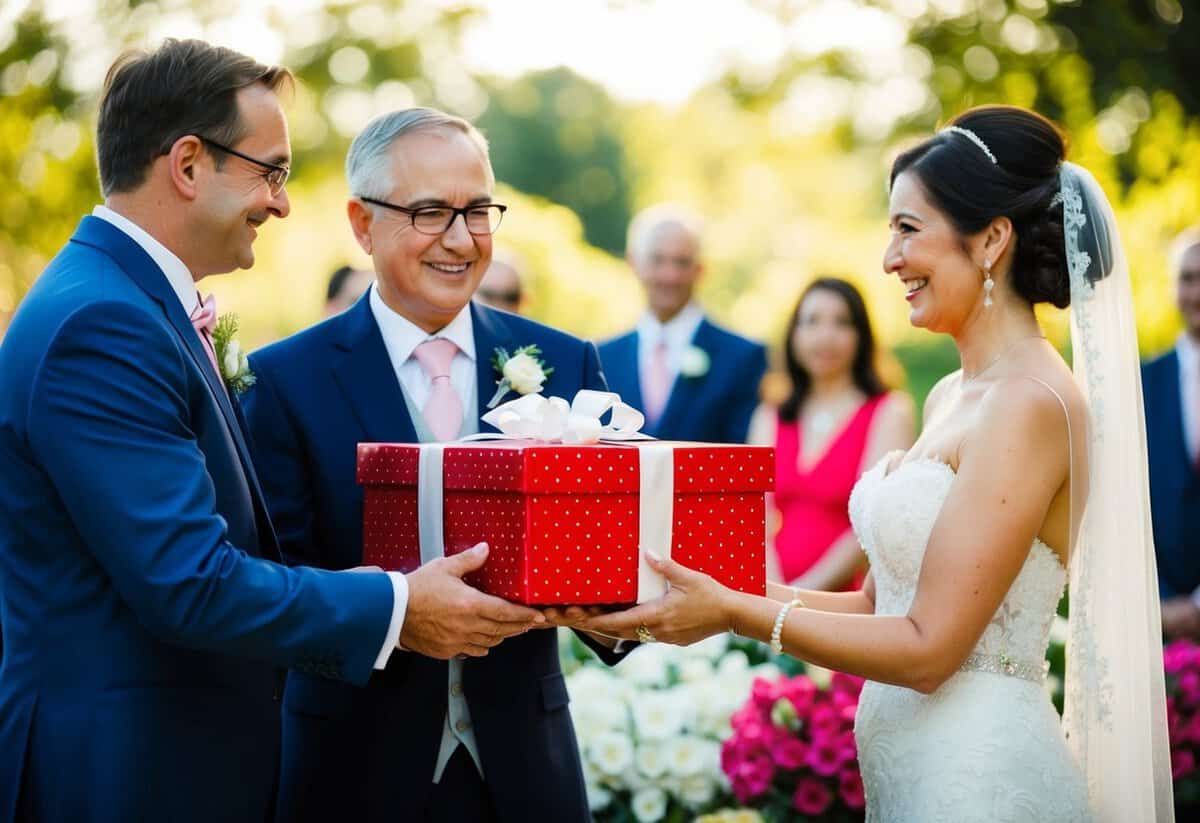
Parents play a significant role in wedding celebrations, taking on various responsibilities before and during the event. Their involvement can help create a joyful atmosphere and show support for the couple.
Pre-Wedding Involvements
In the time leading up to the wedding, parents are often involved in key planning activities. The parents of the bride typically help with organizing the engagement party, setting the tone for the celebration. They may also assist with the bridal shower, which is another opportunity to celebrate the couple.
During the wedding planning, both sets of parents can offer input on the guest list and budget. The groom’s parents might host or contribute to the rehearsal dinner, showcasing their hospitality and support for the couple.
Having parents involved can ease stress and ensure that the couple feels supported. Their participation adds sentimental value to the process, reminding everyone that family bonds are integral to the celebration.
Responsibilities During the Wedding Ceremony
On the wedding day, parents have important roles to play. The parents of the bride usually escort her down the aisle, symbolizing support and love. This moment is often emotional and cherished by everyone present.
Parents of the groom may have a specific role as well, such as welcoming guests or helping with coordination. They can contribute to the wedding reception, ensuring everything runs smoothly.
Both sets of parents often meet and greet guests, fostering a sense of community. Their actions reflect unity and joy, enhancing the special day as they celebrate the beginning of the couple’s married life.
Gift Giving Etiquette for Parents
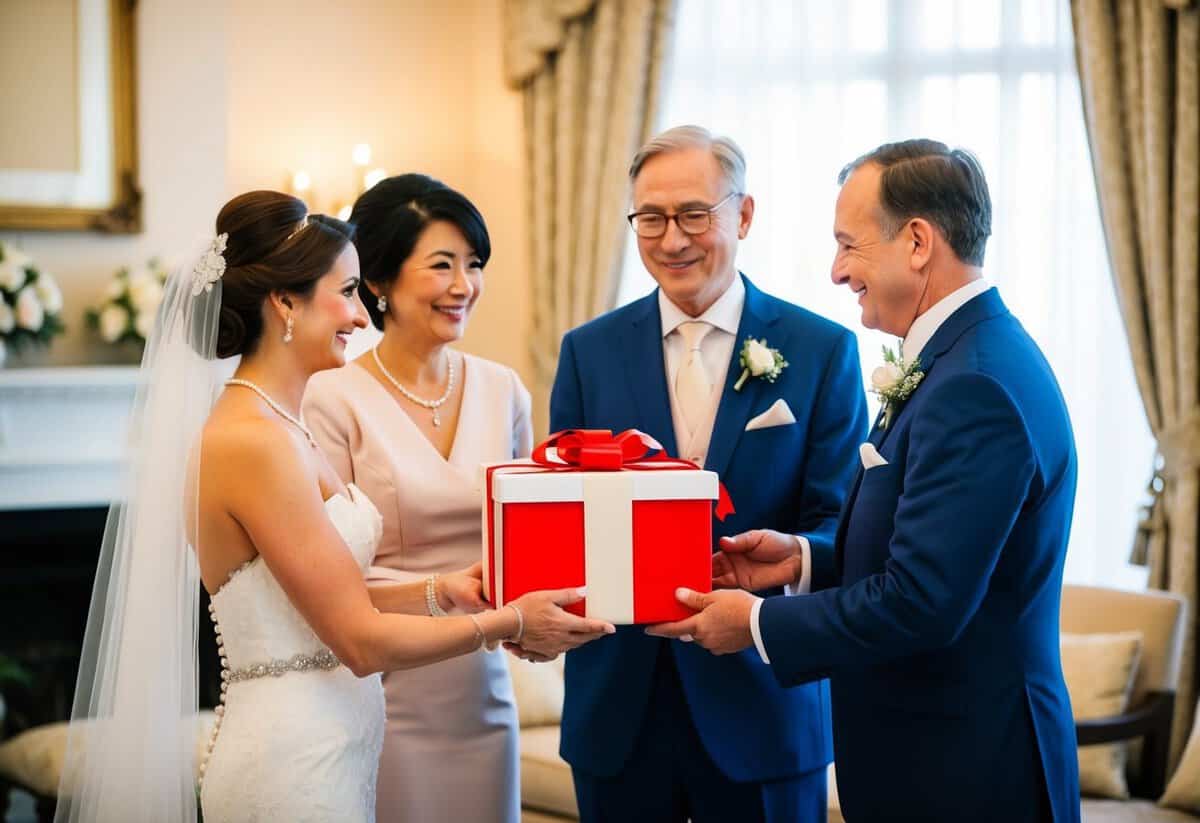
Gift giving can be a special part of wedding celebrations. As a parent of the bride, you might wonder what is expected when it comes to giving a gift to the groom. It’s important to understand the etiquette around this to make your gesture meaningful.
Understanding Wedding Gift Expectations
Traditionally, the bride’s parents may offer gifts to the groom as a way of welcoming him into the family. This can show your appreciation of him and the union. While it’s not always required, it’s often seen as a thoughtful way to honor the couple’s journey.
It’s useful to consider how involved you are in the wedding planning. If you’ve contributed significantly, you might choose a smaller gift or a heartfelt note instead. The key is to ensure your gift reflects your feelings and intentions.
Types of Gifts for the Groom
When choosing a gift for the groom, think about his interests and values. Here are some meaningful ideas:
- Custom Gifts: Personalized items like engraved cufflinks or a custom-made tie can be valued keepsakes.
- Family Heirlooms: Passing down a family piece, like a watch or ring, creates a connection to your family’s history.
- Jewelry: If appropriate, a nice piece of jewelry can be a lasting memento of the day.
Opt for a gift that feels genuine and is a reflection of your appreciation for the groom. Keep in mind that the gesture of giving is often what matters most.
Financial Considerations for Families
When planning a wedding, financial decisions play a significant role for both families. You need to think about how to manage wedding expenses, balance costs, and consider gift-giving traditions along the way.
Contributing to Wedding Expenses
Traditionally, the bride’s family covers many wedding costs, like the engagement party and rehearsal dinner. However, it’s becoming common for families to share these expenses more equally.
Your family might contribute to specific items on the wedding registry. This can include essentials like kitchen appliances or decor. It’s a good idea to communicate with the groom’s family about how costs are shared.
You may also opt to give a portion of a honeymoon fund. This way, your gift can create lasting memories for the couple as they start their new life together.
Alternatives to Traditional Gifting
While direct gifts are common, consider other ways to show your support. Instead of giving a physical item, you could help with wedding-related costs.
Offering to pay for a wedding vendor, like a florist or photographer, is one option. Another idea is to contribute to the couple’s honeymoon fund.
You can also enhance their wedding registry by giving experiences rather than things. Whether it’s a gift card for a couple’s massage or tickets for an adventure, these items tend to be more meaningful. Each choice allows your family to participate in a special way while keeping the focus on the couple’s happiness.
Fostering Family Connections Through Gifts
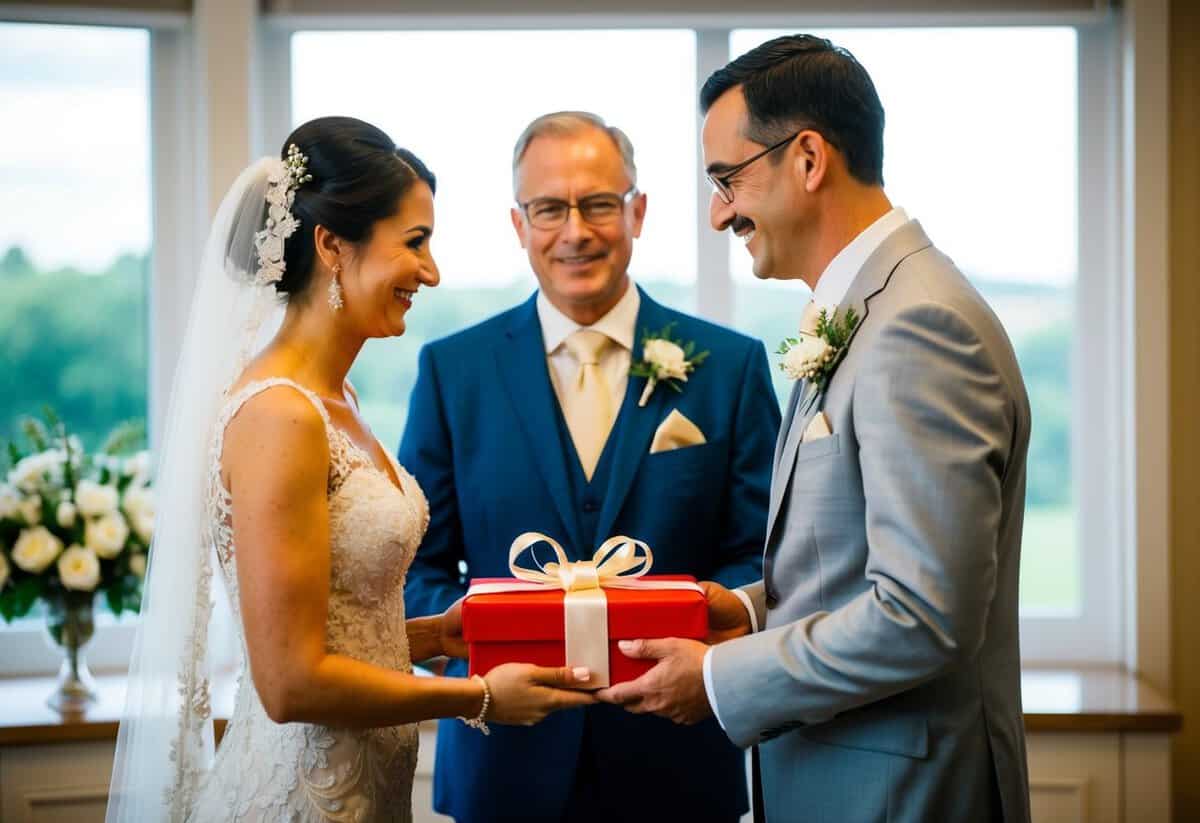
Giving gifts can create a strong bond between families during a wedding. Such gestures allow families to express their love and support, deepening connections. Here are two ways gifts can symbolize these important family ties.
Sentimental and Heirloom Gifts
Sentimental gifts often carry great emotional weight. They can include family heirlooms, such as jewelry or keepsakes passed down through generations. A mother of the bride might choose to give something particularly meaningful to the groom, signaling acceptance into the family.
This act honors family traditions while fostering new relationships. It shows that you value the merging of two families. Including a short note explaining the item’s significance adds a personal touch, showing clear communication of love. This thoughtful gesture not only connects the two families but also helps the couple feel supported.
Gestures of Love and Support
Gifts should reflect love and support. A practical gift, like household items or contributions towards the couple’s new home, can be very helpful. The mother of the groom might consider gifts that reflect the groom’s family’s values.
These gestures make the couple feel cherished during a major life change. They also create a sense of unity as families come together.
A simple thank-you note can go a long way in expressing gratitude for such thoughtful gifts. Remember, clear communication strengthens these bonds and enhances family connections.