
Do the Daughters Parents Pay for the Wedding? Understanding Modern Wedding Traditions
When planning a wedding, one big question often arises: traditionally, the bride’s parents have been expected to cover the wedding expenses, but this is changing. Many couples today choose a more modern approach, often sharing costs with their families or funding it themselves. This shift reflects the evolving views on marriage and finances.

Cultural expectations can vary greatly, influencing who pays for what. You might find that in some cultures, the bride’s family takes on the bulk of the expenses, while in others, costs are shared or even primarily the groom’s family’s responsibility. Understanding these differences can help you navigate the financial side of wedding planning with ease.
As you think about your wedding, consider what feels right for you and your families. Open communication is key to finding a solution that works for everyone involved. Exploring these options can lead to a more enjoyable planning process and a celebration that honors your unique family dynamics.
Historical Context of Wedding Funding
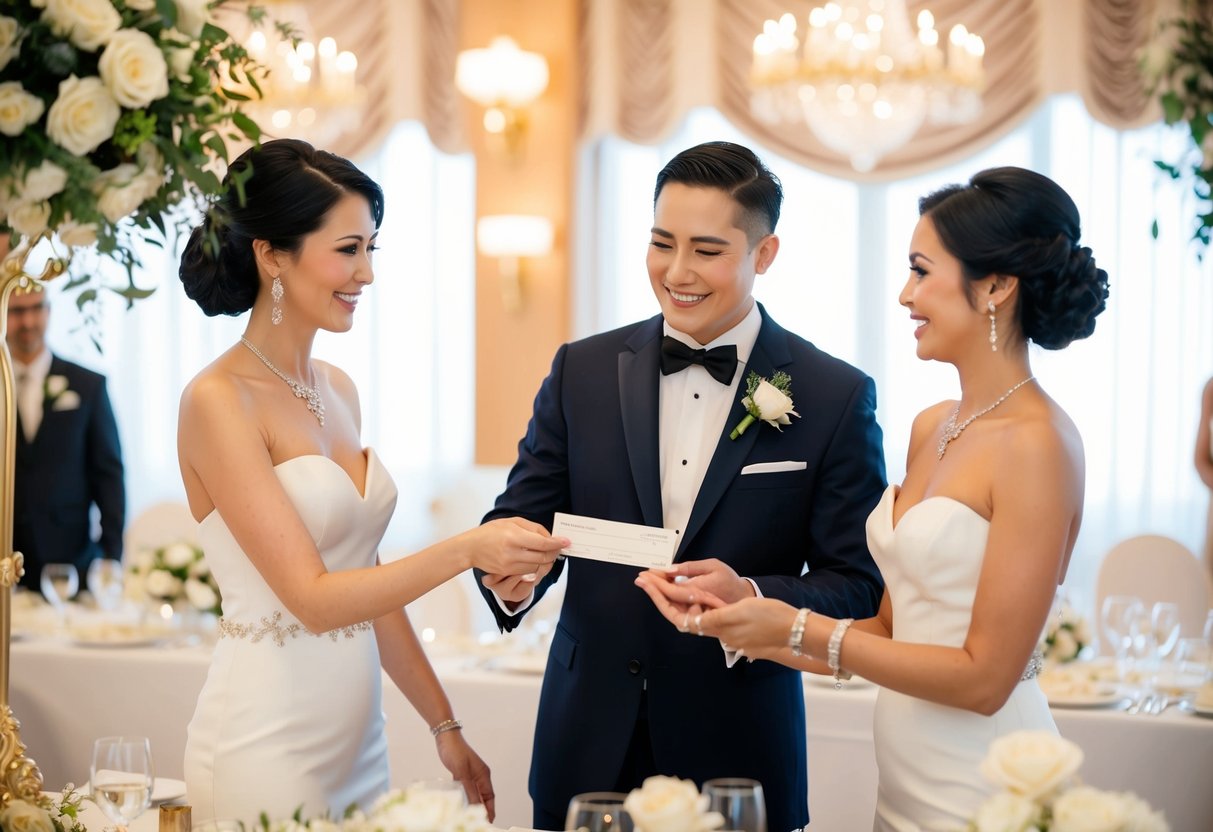
Understanding the historical context of wedding funding can help you see how traditions and financial responsibilities have evolved. These changes reflect society’s views on marriage and family roles over time.
Evolution of Wedding Traditions
In the past, wedding traditions often tied closely to societal norms. Traditionally, the bride’s family was responsible for the wedding costs. This practice was based on the idea that daughters were “given away” by their fathers, marking a transition of responsibility.
In many cultures, this financial duty involved covering costs like the wedding dress, venue, and reception. The Bride’s Family typically contributed around 20-30% of total expenses, while the groom’s family might cover 10-20%.
As society moved towards equality, these norms began to change. Couples started taking charge of their wedding budgets, sharing costs more evenly. According to the Brides American Wedding Study, many modern couples pay for their weddings themselves, reflecting shifting values in marriage.
Modern Perspectives on Marriage Ceremonies
Today’s views on wedding funding highlight greater flexibility. Many couples now prefer to finance their weddings together. This approach often includes contributions from both families based on their financial ability.
The WeddingWire Newlywed Report suggests that couples contribute 50-70% of their wedding budget from their own savings. Parents may still help, but it’s less about obligation and more about choice.
As you plan your wedding, consider how these evolving traditions fit into your values. Understanding these changes can help you decide what works best for you and your partner.
Determining Who Pays for What

Understanding who pays for specific wedding costs can help make planning smoother. Clear communication between families ensures everyone is on the same page regarding financial contributions.
Breaking Down Wedding Expenses
You should first identify the main wedding expenses. Common costs include:
- Venue: Often the biggest expense.
- Catering: Food and drinks for guests.
- Photography: Capturing those special moments.
- Attire: Wedding dress, tuxedos, and accessories.
- Flowers and Decor: Enhancements that bring the theme to life.
Once you know what expenses exist, discuss how to allocate them. Traditionally, the bride’s family covers most costs. However, many modern couples share costs or receive contributions from both families.
List each item and consider who can contribute based on their financial situation and comfort level.
Bringing Families Together to Discuss Budget
Open communication is key to making the budget work. Schedule a time for both families to sit down and talk about finances. This should be a friendly chat, not a stressful one.
Make sure everyone feels heard during budgeting discussions. You can create a budget together that reflects everyone’s contributions and helps avoid misunderstandings later.
Consider using a simple spreadsheet or budget planner to visualize contributions. This will help clarify each person’s financial commitment and ensure that everyone understands what they are responsible for.
Expectations vs. Reality in Financial Contributions
Expectations may differ based on tradition and personal beliefs. Many think the bride’s family should cover most expenses, but reality often varies. Each parent’s financial stability can impact what they can contribute.
It’s important to adjust expectations and be flexible. If one parent can only contribute a smaller amount, that’s okay. You might also consider splitting costs equally among both families or exploring other options.
Remember, the goal is to support the couple’s dream wedding while respecting each family’s financial situation. Having open discussions about these issues can lead to better understanding and cooperation.
Essentials of Modern Wedding Budgeting

Budgeting for a wedding can feel overwhelming, but knowing what to focus on can simplify the process. You can create a solid plan to manage your spending and explore ways to save money along the way.
Creating a Wedding Budget Plan
Start by determining your overall budget based on your financial circumstances. Discuss openly with your partner and perhaps your families about how much money is available. Remember that modern couples often share the costs, and understanding these contributions can help you set realistic figures.
Next, outline all key expenses, such as the venue, food, attire, and entertainment. Use a spreadsheet or an app to track these costs effectively.
A study from WeddingWire shows that many couples spend around $34,000 on their wedding, so be mindful of where your funds are going.
Include a buffer of 5-10% for unexpected expenses. Remember, having a well-defined budget helps reduce stress leading up to the big day.
Cost-Saving Tips for Wedding Planning
Look for ways to stretch your budget without sacrificing quality. Consider hiring a wedding planner. They can help you find vendors that match your budget and may offer discounts through partnerships.
Choose a less expensive venue, like a local park or community center. Off-peak dates can also lower costs significantly. Often, Fridays and Sundays are cheaper than Saturdays.
Get creative with DIY projects. This can add personal touches and save money. Whether it’s making your centerpieces or designing invitations, hands-on work can be rewarding.
Lastly, don’t forget to ask for help. Friends and family might be willing to pitch in on certain tasks, helping you save money and making it a team effort.
Allocating Responsibilities

When planning a wedding, it’s essential to know how to divide the costs and responsibilities between families and the couple. Understanding traditional roles can guide you in budget discussions and help avoid conflicts.
Roles of the Bride’s and Groom’s Families
Traditionally, the bride’s family takes on many expenses. They often cover costs such as the wedding gown, floral arrangements, and the rehearsal dinner. This family might also pay for photography, the wedding cake, and transportation for guests.
The groom’s family typically handles costs for the wedding ring, music, and lodging for out-of-town guests. While these roles are traditional, you can shift responsibilities based on your families’ preferences and contributions.
How Couples Can Share Expenses Equitably
More couples today choose to combine their finances for wedding expenses. To share costs fairly, sit down together and list all potential expenses.
You can create a budget that reflects both families’ contributions. Some common expense categories include:
- Venue costs
- Catering
- Wedding rings
- Photography
- Entertainment
Discuss how much each family can contribute and agree on a method to cover the rest. This can help maintain harmony among families and create a memorable day that reflects your combined vision.