
Do the Grooms Parents Give a Gift to the Brides Parents? Understanding Wedding Gift Etiquette
Many people wonder about the role of the groom’s parents, especially regarding gifts. The groom’s parents do not customarily give a gift to the bride’s parents. Instead, the focus is often on supporting the couple and helping with wedding expenses, such as hosting the rehearsal dinner.

It’s not uncommon to feel a bit unsure about these traditions, as each family might have their own practices. This post will explore the nuances of gift-giving and responsibilities for parents in a wedding setting, ensuring you feel confident and informed as the big day approaches.
Whether you are planning a wedding or simply curious about the etiquette involved, understanding these expectations can help make the experience smoother for everyone.
So, let’s dive deeper into the topic and uncover what is typically expected from the groom’s parents.
Understanding Wedding Gift Etiquette
Wedding gift etiquette can be a bit confusing for many. It’s important to know the traditional roles and financial responsibilities that guide gift-giving among families during weddings.
Traditional Etiquette and Modern Expectations
Traditionally, the parents of the bride and groom have specific roles in the wedding planning process. While it’s not common for the groom’s parents to give a direct gift to the bride’s parents, they do often bear costs associated with the wedding, like the rehearsal dinner.
In modern times, these customs can be flexible. While some families still follow these traditions closely, others may choose to adapt them to suit their relationships. It’s always good to communicate openly with each other to figure out what feels right for both families.
Who Pays for What?
Financial responsibilities can vary greatly depending on family traditions and local customs. Generally, the parents of the bride are expected to cover costs like the reception, flowers, and invitations.
On the other hand, the parents of the groom often pay for the rehearsal dinner, groom’s attire, and sometimes gifts for the wedding party.
A simple breakdown can help you keep track:
| Responsibility | Typically Paid By |
|---|---|
| Wedding Reception | Parents of the Bride |
| Rehearsal Dinner | Parents of the Groom |
| Bride’s Dress and Accessories | Parents of the Bride |
| Groom’s Attire | Parents of the Groom |
Understanding these expectations can make your wedding planning smoother and help avoid any misunderstandings.
The Role of the Groom’s Parents in Wedding Planning

The groom’s parents play a vital part in the wedding planning process. Their contributions and responsibilities can help ease the load on the couple while ensuring the celebration goes smoothly.
Wedding Contributions and Support
As the groom’s parents, you may be asked to help with various wedding expenses. Traditionally, you might contribute by covering costs such as the rehearsal dinner, which sets the tone for the celebration. This event usually includes your guests and the bridal party.
You may also consider paying for certain elements like the groom’s attire or transportation on the wedding day. Gift giving is another common practice, where you show appreciation to the bride’s parents and support the couple. Whether it’s a thoughtful gift or a financial contribution, your support is significant.
Wedding Planning Responsibilities
In addition to financial support, you have roles in the planning process. It’s important to communicate with the couple about how you can assist. You might help research vendors, coordinate family logistics, or manage parts of the budget.
Many couples appreciate when the groom’s parents take the lead on specific tasks. This might include organizing pre-wedding parties or arranging accommodations for out-of-town guests. Being involved helps strengthen family bonds and makes the event more memorable for everyone.
Navigating Gift-Giving Traditions

When it comes to gift-giving, knowing what is appropriate can make the process smoother. You’ll find that selecting a meaningful gift can express your feelings, while financial gifts or family heirlooms hold their own significance.
Selecting a Meaningful Gift
Choosing a meaningful gift for the bride’s parents can strengthen family bonds. You might consider items with sentimental value, such as a piece of jewelry that has been passed down through generations.
Another thoughtful idea is to contribute to a honeymoon fund. This shows your support and excitement for the newlyweds’ future. A personalized gift, like a custom photo album filled with memories of the couple, can also be cherished forever.
When selecting a gift, consider their interests and hobbies. This personal touch shows you care and have put thought into your choice.
Financial Gifts and Heirlooms
Financial gifts can be a helpful option for the couple as they start their lives together. Whether it’s contributing to a honeymoon fund or offering financial assistance for wedding expenses, these gifts can have a lasting impact.
Family heirlooms are also significant. Items like vintage jewelry or cherished keepsakes represent family history and love. They connect the bride and groom to their families in a meaningful way.
Such gifts not only honor tradition but can also create new memories for the couple. Think about what will resonate most with them and help them start their journey together.
Post-Wedding Considerations
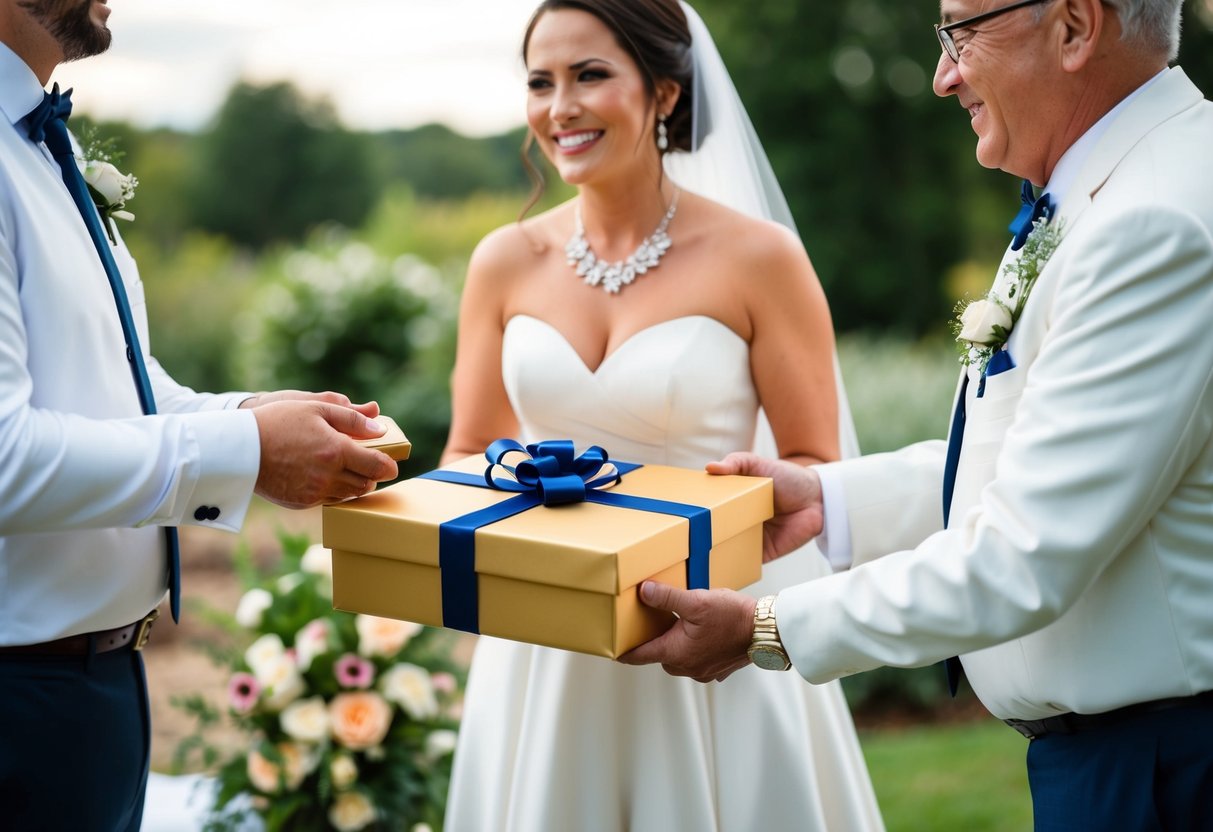
After the wedding, there are important tasks and feelings to address. Expressing gratitude shows appreciation, while planning for your future as a newlywed couple lays the foundation for your life together.
Expressing Gratitude
Sending a thank-you note to the bride’s parents is thoughtful. It acknowledges their role in your wedding. Aim to send these notes within a few weeks of the wedding.
In your note, mention a specific gift or gesture. For example, if they hosted a dinner or contributed financially, express how much it meant to you. Personal touches make the note feel genuine.
Consider writing notes to other key contributors. Don’t forget the wedding party and close family members who offered support. Your heartfelt words can strengthen those relationships.
Newlywed Couple’s Next Steps
After the excitement of the wedding, focus on your honeymoon. This trip offers a chance to relax and bond as a couple. Make sure to discuss your plans and preferences to ensure you both enjoy it.
Next, remember to finalize your marriage license and other legal documents. This step is essential for your legal status. Make sure that both your names are updated on the documents.
Also, talk about your shared goals as a newlywed couple. Whether it’s planning a home or discussing finances, open communication will help you build a strong foundation together.