
Do the Groom’s Parents Pay for the Groom’s Cake? Clarifying Wedding Traditions
When it comes to wedding traditions, questions about who pays for what can be confusing. Many people wonder about the groom’s cake, a fun addition to the wedding celebration. Typically, the groom’s parents are expected to cover the cost of the groom’s cake. This tradition provides a way for them to contribute to the wedding while celebrating their son.
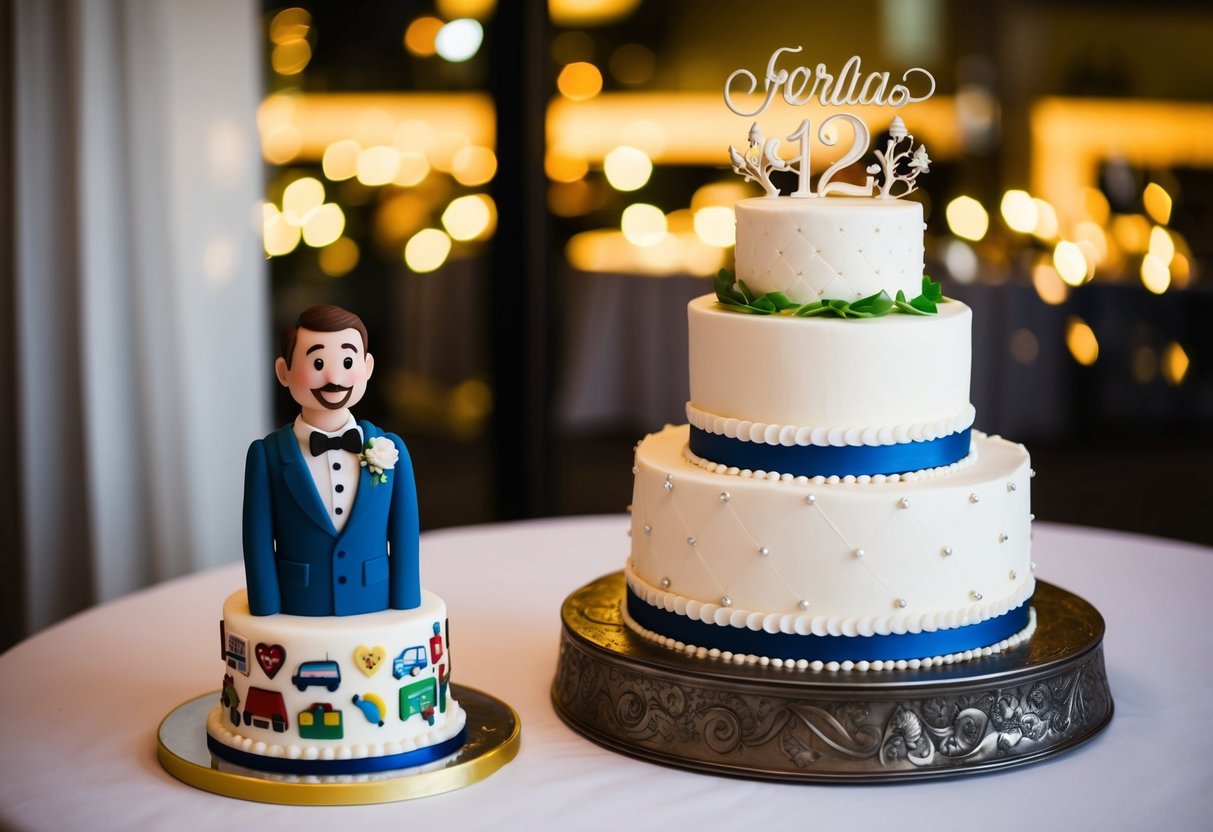
In some cases, the bride’s family might step in if the groom’s family cannot afford it, emphasizing how wedding etiquette can vary. The groom’s cake often serves as a personal touch, showcasing the groom’s tastes or hobbies. This unique cake allows everyone to celebrate him in a special way.
As you prepare for your big day, knowing how the costs are traditionally handled can ease some stress. Understanding these traditions will help you make informed decisions about your wedding and ensure that every detail reflects both you and your partner.
Understanding Wedding Expenses
Planning a wedding involves many costs, and knowing who pays for what can ease some stress. Discovering the breakdown of wedding expenses, along with the roles of each family, can help you budget effectively.
Breakdown of Costs
When creating your wedding budget, it’s vital to list all potential expenses.
Major costs often include:
- Venue rental: This can be one of the largest expenses, ranging from a few hundred to several thousand dollars.
- Wedding attire: This includes the bride’s wedding dress, the groom’s suit, and outfits for the wedding party.
- Marriage license: A necessary legal cost that can vary by location, typically costing between $50 and $150.
- Engagement ring: Often one of the first purchases, an engagement ring can cost anywhere from a few hundred to several thousand dollars depending on your budget.
- Catering and cake: Food costs can add up quickly, especially if you’re hosting a large group. This also includes the groom’s cake, which can be a smaller expense but still significant if done artistically.
This list helps you visualize where your dollars will go on your special day.
Role of the Groom’s Family
Traditionally, the groom’s family covers various key costs. These often include:
- Rehearsal dinner: This is typically hosted the night before the wedding, providing an opportunity for both families to connect.
- Groom’s attire: The groom usually receives financial support for his suit or tuxedo.
- Groom’s cake: Although not as common as the wedding cake, some grooms enjoy having a special cake to represent their interests.
- Groom’s family gifts: They may also provide a monetary gift to help pay for wedding expenses, honeymoon costs, or other related fees.
Understanding these roles can help you plan accordingly and avoid misunderstandings.
Role of the Bride’s Family
Traditionally, the bride’s family tends to have a larger financial responsibility. This includes:
- Wedding venue costs: Often the bride’s family covers the rental of the venue for the ceremony and reception.
- Wedding dress and accessories: The bride’s attire, including the dress and veil, typically falls under her family’s expenses.
- Flowers and decorations: This includes bouquets, centerpieces, and any other wedding decorations.
- Catering: In many cases, the bride’s family pays for the majority of the reception meal or buffet.
Each family plays a significant role in covering costs, and open communication about who pays for what can make the process smoother.
Traditions and Etiquette
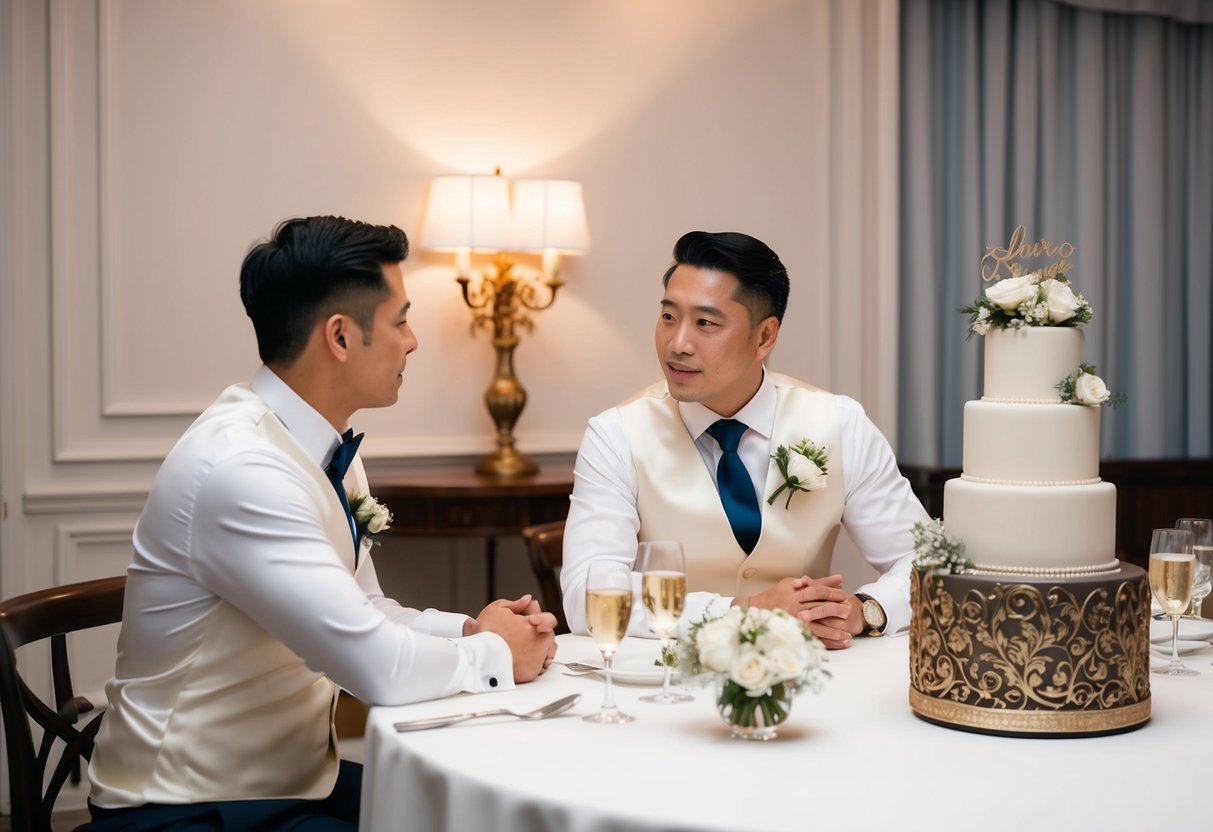
When thinking about the groom’s cake, it’s helpful to understand its history and modern etiquette. These aspects can guide you in deciding what fits best for your celebration.
Histories of the Groom’s Cake
The tradition of the groom’s cake has roots in Victorian England. During this period, a heavier, rich fruitcake was often preferred, symbolizing prosperity. It became customary for the groom’s family to present this cake at the wedding to honor the groom.
In the American South, the groom’s cake took on a special role. Typically, it was a darker cake, often chocolate or fruit, enjoyed by the groom’s guests. This custom remained popular, especially in Southern weddings. You might remember this tradition from movies like Steel Magnolias, where the groom’s cake is humorously featured.
Modern Wedding Etiquette
In today’s weddings, the groom’s cake is still present but serves a different purpose. It is often a fun, personal touch that reflects the groom’s interests, hobbies, or favorite flavors. You can get creative with the design and flavors to make it unique.
Regarding costs, typically the groom’s family pays for the groom’s cake. This follows the tradition where the groom’s family covers specific expenses. However, many couples choose to split costs or have the wedding planner assist in these details to ensure everyone is comfortable.
Knowing these traditions and guidelines can help you navigate the decisions about the groom’s cake with ease.
Planning the Groom’s Cake
When planning the groom’s cake, it’s important to consider the cake’s design, flavors, and how it reflects the groom’s personality. Making thoughtful choices can turn this cake into a memorable highlight of the wedding.
Selecting the Cake
Choosing the groom’s cake is an exciting part of wedding planning. Start by discussing favorite flavors with your groom.
Popular options include chocolate, carrot, or red velvet.
Next, think about the cake’s design. It can be classic or themed, depending on personal style.
Use inspiration from magazines or online images. Don’t forget to ask your baker about options on cake size and servings. You want to ensure there’s enough for guests, especially if it’s a separate dessert.
Integrating Interests and Hobbies
A great way to personalize the groom’s cake is by incorporating his interests and hobbies.
Does he love sports, movies, or music?
For example, a cake shaped like a favorite sports team logo or decorated with musical notes can add a unique touch.
You can also think about using colors or symbols that represent his passions. This makes the cake not just a dessert but a reflection of who he is, making it extra special for your celebration.
Cost and Display Considerations
When planning for the groom’s cake cost, keep your budget in mind. Discuss pricing with your baker, as this varies based on complexity and size.
If you want a detailed design, it may cost more. Compare quote options to find what works best for you.
Consider where the cake will be displayed during the reception. A unique display can enhance its appearance.
You could use a decorative stand or a backdrop that matches your wedding theme to highlight the cake beautifully.