
Do Vows Come Before or After I Do? Understanding Wedding Ceremony Order
When planning your wedding ceremony, you might wonder about the order of important moments. Typically, the declaration of intent comes before the vows. This moment is when both partners affirm their willingness to enter into marriage during the ceremony. It sets the stage for the heartfelt promises that will follow.
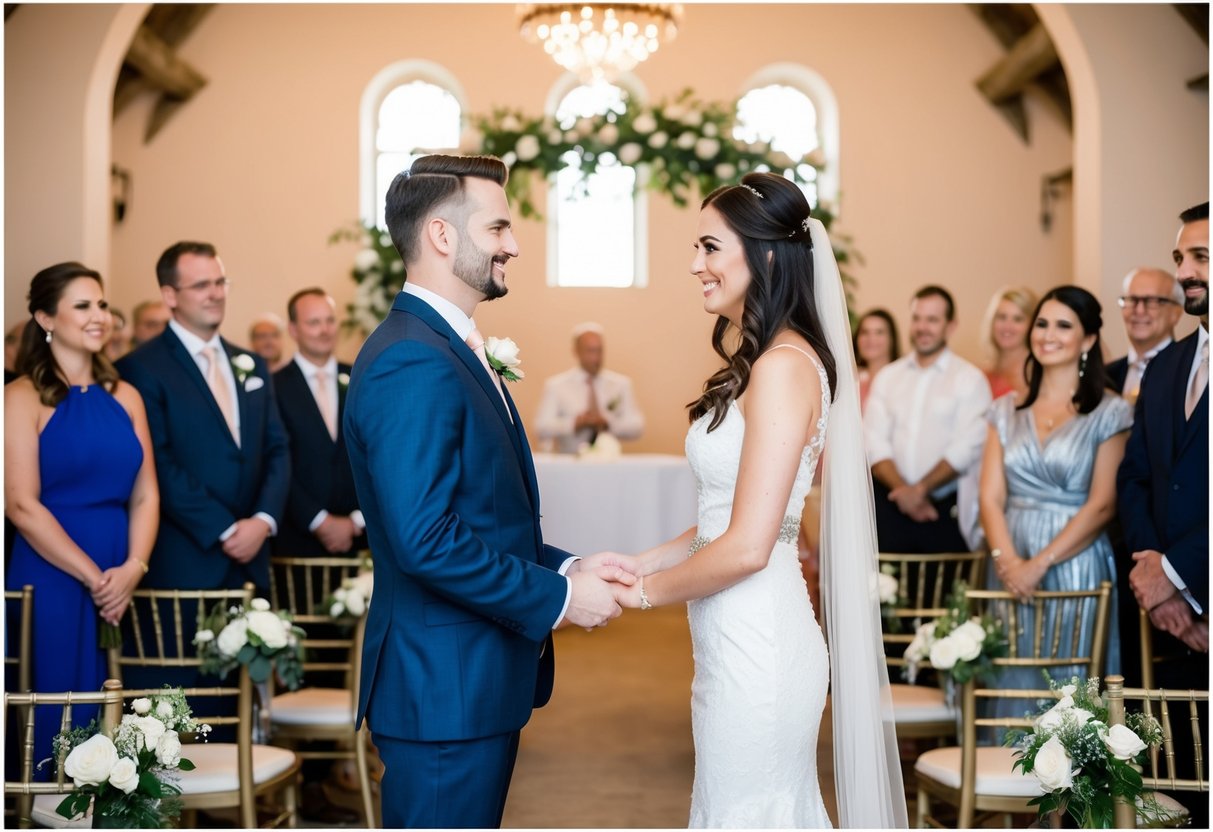
After declaring your intent, you will exchange your wedding vows. This is a personal part of the ceremony where you express your love, commitment, and future hopes for each other.
Understanding this order can help you prepare for your big day and ensure that everything flows smoothly.
Whether you choose traditional vows or write your own, remembering the sequence will make your ceremony more meaningful. Knowing that “I do” comes right after your declaration can help you focus on the love you share.
Understanding the Wedding Ceremony Structure
When planning your wedding, it’s important to know the structure of the ceremony. This will help you understand the key roles and the order of events that make your special day unique.
The Role of the Officiant
Your officiant plays a vital role in your wedding. This person is often a religious leader, judge, or a friend who is authorized to perform weddings.
They guide the ceremony and ensure everything runs smoothly. They also help with the legal aspects, like confirming that you have your marriage license.
The officiant introduces the couple, leads the ceremony, and ensures you both express your vows. This guidance allows you to focus on the moment and each other.
Order of Events in Traditional Ceremonies
Traditional wedding ceremonies follow a typical order. First, guests take their seats, and music plays. Then, the officiant welcomes everyone.
Next, you might have readings from friends or family. After that, the couple usually shares their vows, which can be traditional or personalized.
Once you have exchanged vows, it’s time for the ring exchange. Finally, the officiant pronounces you married, and you walk down the aisle together.
Understanding this order helps you prepare for the moments that matter most.
Declaration of Intent and Legal Requirements
The declaration of intent is a key part of your wedding ceremony. This is when you both confirm your desire to marry in front of the officiant and guests.
This declaration is important for legal reasons. It shows your consent and willingness to enter into a marital bond. It is often seen just before you say your vows.
Your marriage must also meet certain legal requirements. You need a marriage license, which varies by location. The officiant usually verifies that you have this, ensuring a legally binding union.
Knowing these requirements makes your wedding smoother and helps you feel prepared for your special day.
The Significance of Vows
Vows are essential in a wedding ceremony as they express love, commitment, and devotion. They create a powerful moment of connection between the couple. Understanding the difference between traditional and personal vows, as well as how to prepare and deliver them, can enhance this meaningful experience.
Traditional Versus Personal Vows
Traditional vows are often pre-written and used in many ceremonies. They focus on the couple’s commitment to each other and typically include phrases like “for better or worse.” These vows are familiar and carry a deep sense of history.
On the other hand, personal wedding vows allow you to speak from the heart. You can share your unique feelings and promises. This personalization can make your vow exchange even more memorable. Consider including specific examples of your love and devotion to make these vows truly yours.
Preparation and Delivery of Vows
Preparing your vows takes time and thought. Start by reflecting on your relationship. Write down what you love about your partner and your hopes for the future together.
When you deliver your vows, speak clearly and from the heart. Try to maintain eye contact to create a powerful connection. If you’re nervous, practice in front of a mirror or with a friend. Remember, this moment is about your love and commitment. The warmth in your delivery is what makes your vows resonate.
The Rituals Surrounding ‘I Do’
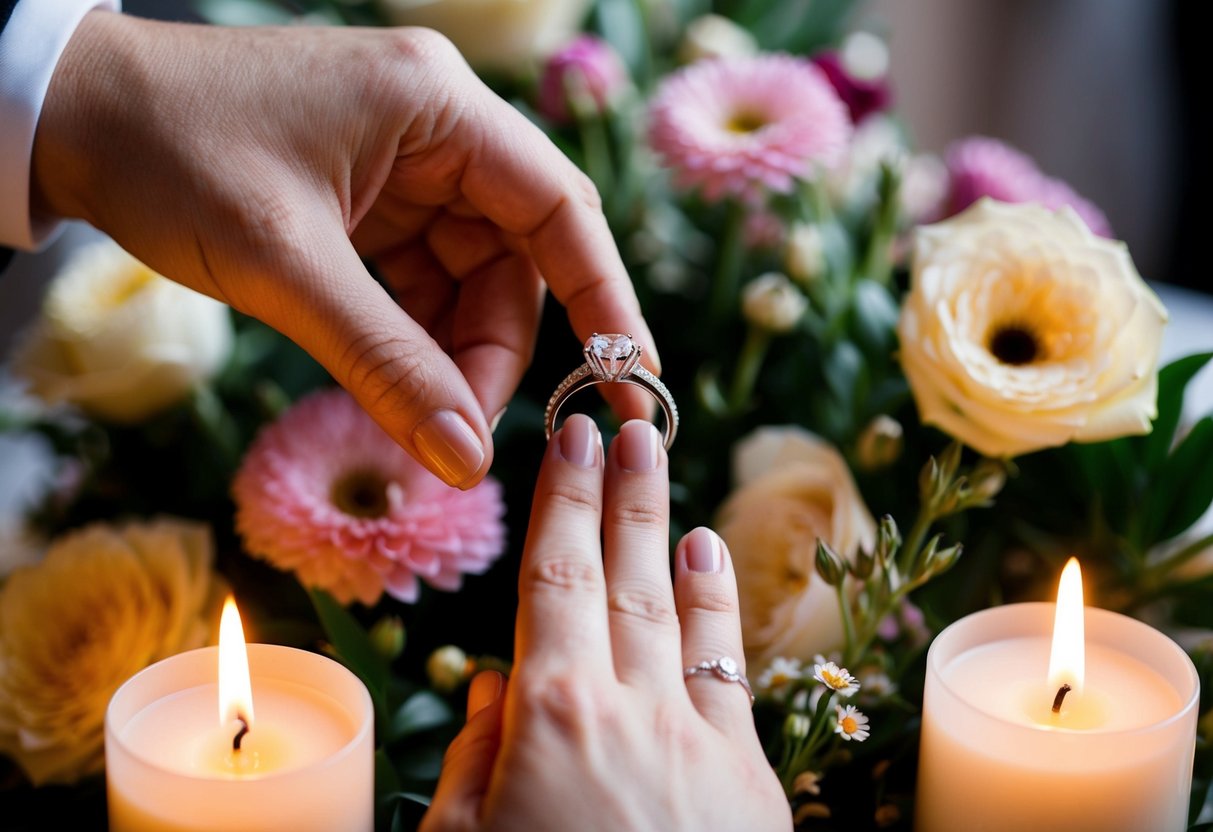
The phrase “I do” is a joyful moment in a wedding ceremony, signaling commitment. It often comes with important rituals that enhance the meaning of your vows.
The Exchange of Rings
During the wedding ceremony, the exchange of rings is a significant ritual. This moment usually follows when you say “I do.” Your wedding rings symbolize your love and commitment to each other.
As you place the rings on each other’s fingers, you may say something like, “With this ring, I thee wed.” This tradition emphasizes your promise to support and cherish each other.
The rings represent not just your union but also the unbroken circle of love. Many couples choose rings made from precious metals, often with personal engravings, making them even more special.
Private Versus Public Vow Exchange
When exchanging vows, you can choose between a private or public setting. A private vow exchange allows you to share intimate promises without an audience. This can be especially meaningful if you value privacy and want to focus solely on each other.
In contrast, a public vow exchange involves family and friends witnessing your commitment. This setting can create a more celebratory atmosphere and allow loved ones to share in the joy of your union. Your wedding officiant plays a key role in guiding this moment, whether it’s intimate or grand.
Both options have their charm, so think about what feels right for you. Choose the one that resonates most with your vision of your wedding day.