
Do Wedding Bands Bring Their Own Stage? Exploring Venue Setup Options for Your Big Day
When planning your wedding, you might wonder if the band you hire will bring their own stage. Most professional wedding bands do not provide a full stage setup, but they typically come with their own sound and lighting equipment. Understanding what the band provides can help you make the right choices for your venue.
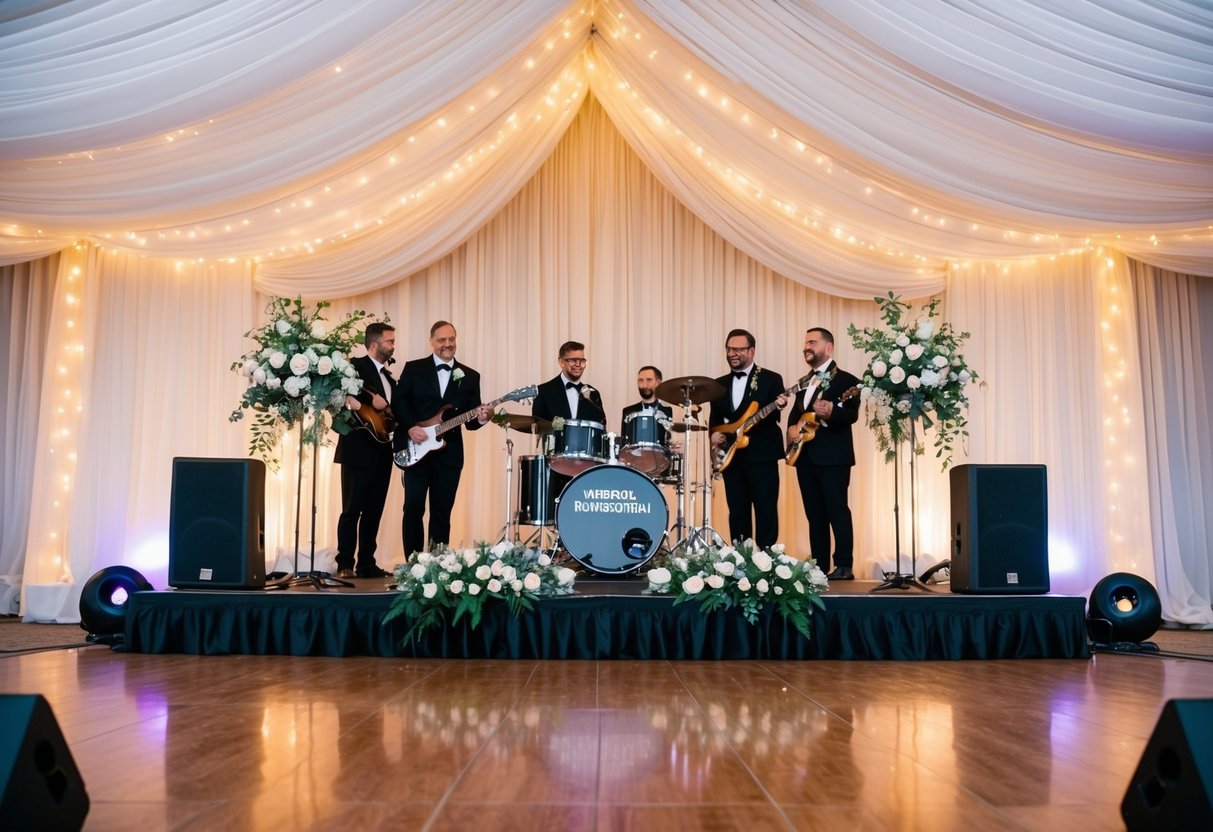
It’s also important to know that each band may have different requirements. While some might need specific setups, others could be more flexible. This can affect how you plan the layout of your reception space, so it’s worthwhile to communicate with your band about their needs.
By knowing what to expect from your wedding band, you can create the perfect atmosphere for your big day. This little detail can lead to a memorable celebration for you and your guests.
Understanding Wedding Bands
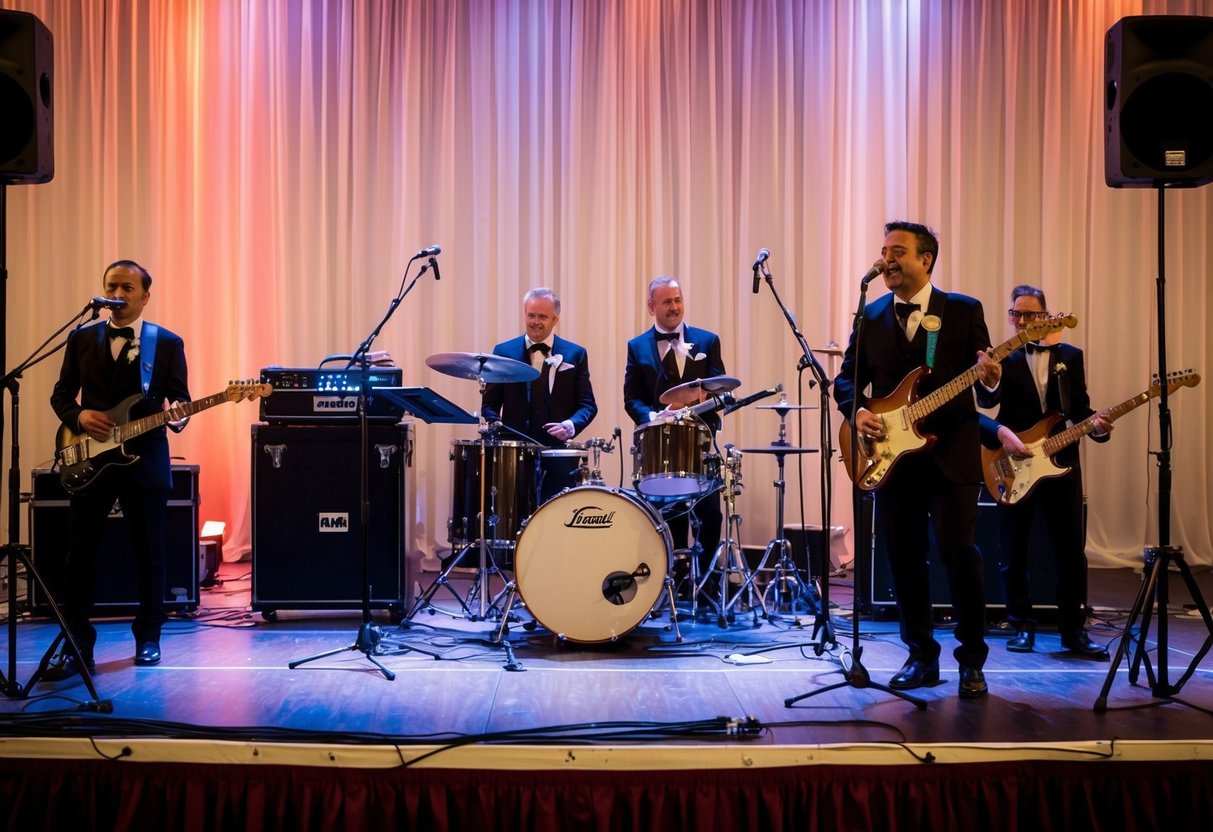
When planning your wedding, knowing about wedding bands is essential. This includes different types of bands and the roles of their members. Each band can bring a unique vibe to your special day.
Types of Wedding Bands
There are various types of wedding bands you can choose from. Consider what style of music you and your guests enjoy.
-
Jazz Bands: They offer a sophisticated atmosphere with their improvisational styles. Ideal for cocktail hours or elegant receptions.
-
Cover Bands: These bands play popular songs from various genres. They create excitement by getting guests to sing along and dance.
-
String Quartets: Perfect for a more romantic feel, string quartets play classical music and modern tunes. They work well for ceremonies and intimate gatherings.
-
DJ and Live Band Combos: A mix of live performances and recorded music can keep energy high throughout the event. This offers versatility in song choices.
Roles of Band Members
Understanding the roles of band members helps you appreciate their contributions to your wedding.
-
Lead Vocalist: The frontperson who engages with the crowd. They set the mood and keep guests entertained.
-
Instrumentalists: These musicians perform on various instruments like guitars, keyboards, or drums. They create the sound that fills the venue.
-
Sound Engineer: This behind-the-scenes person ensures the sound quality is perfect. They handle microphones and equipment to make sure everyone hears the music.
-
Emcee: Some bands have a member who acts as the host. They introduce songs and keep the event flowing smoothly.
Knowing the types of bands and the roles of their members can help you make the best choice for your wedding entertainment.
Logistics and Preparation for the Big Day

Planning for your wedding entertainment involves important details to ensure everything goes smoothly. From stage requirements to travel arrangements, preparing for a live wedding band means considering all aspects to create a fantastic atmosphere.
Stage Requirements for Live Performances
When hiring a wedding band, understanding stage requirements is key. Most live bands need a minimum space of 10×15 feet. This allows your performers to move freely and set up their equipment.
Check with the band about any special needs they might have. For example, some may require a soundcheck before the ceremony. Make sure to have a power source nearby, as well. This will help avoid any last-minute issues and ensure a great performance.
Equipment and Setup Process
Communicate with the band’s performing crew about what equipment they will bring. Some bands may have extra equipment, while others might require you to rent what they need. Be clear on what’s included in their package.
The setup process typically begins at least two hours before the performance. Ensure there is a clear pathway for loading in gear. Planning this in advance can save you stress on your wedding day. Consider creating a checklist for all necessary items to ensure nothing is forgotten.
Traveling and Accommodation Considerations
Don’t forget about traveling expenses for your wedding band. Many bands include travel costs in their pricing, but it’s wise to confirm. If they have to travel a long distance, consider covering hotel accommodation for the night of the event.
This is especially important if your venue is far from their base. Make sure you discuss all travel logistics well ahead of the big day. This will allow the band to focus fully on providing an amazing experience while you relax and enjoy your celebration.
Amenities Typically Provided by Wedding Bands
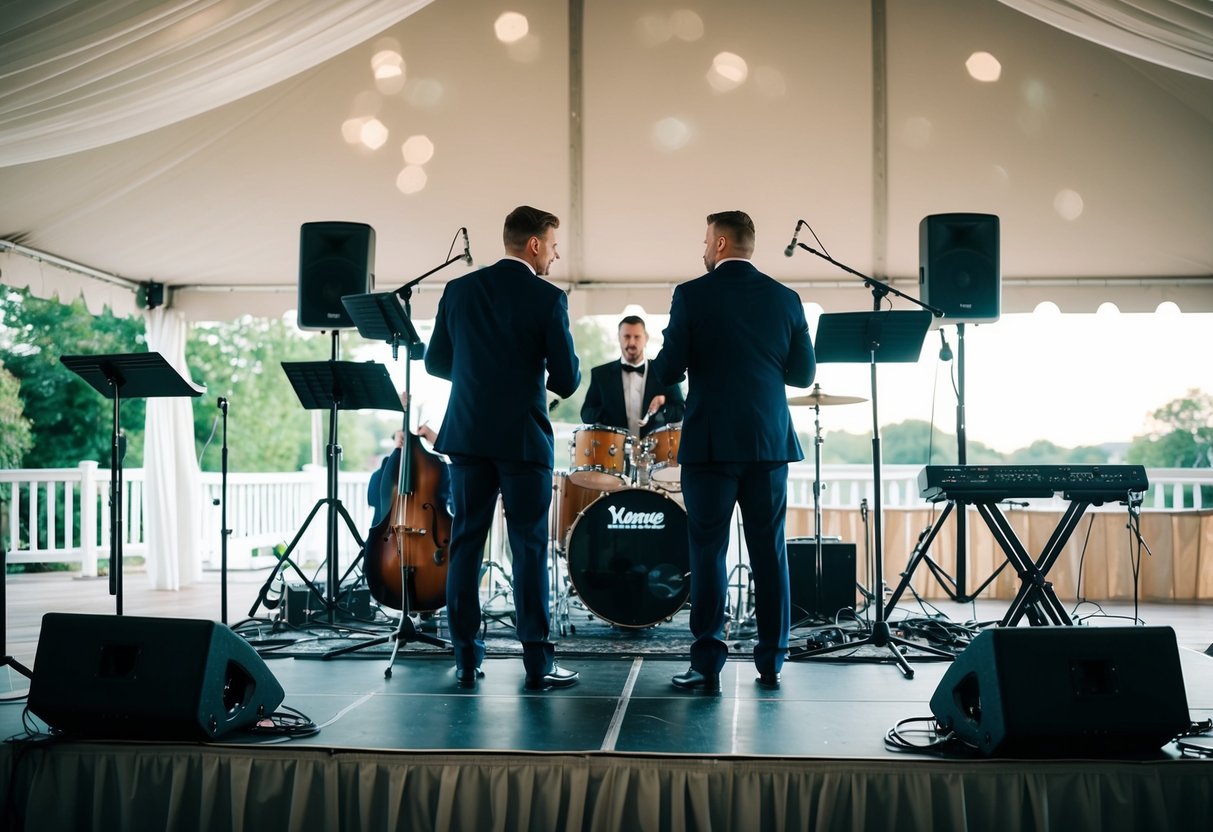
When hiring a wedding band, it’s important to know what amenities they typically offer. Many bands come equipped with essential sound systems and lighting to enhance your event.
Sound and PA Systems
Most wedding bands provide their own sound and PA systems. This ensures that you don’t have to worry about renting or setting up equipment yourself. The sound system includes microphones, speakers, and mixers to ensure clear sound across the venue.
You should confirm whether the band has equipment like wireless mics for speeches or if they will serve as the emcee for your event. Some bands can coordinate announcements during your wedding. Additionally, they often assess the venue beforehand to determine the best setup for sound coverage.
Check if they have back-up equipment as a precaution against any technical issues. Having this assurance can give you peace of mind for your big day.
Lighting and Visual Effects
In addition to sound, many wedding bands offer lighting and visual effects. This can include mood lighting or stage lights to create the right atmosphere. Good lighting enhances the overall look of your event and keeps guests engaged.
Ask if the band has specific lighting equipment to match the theme of your wedding. Some bands use spotlights or LED lights, which can change colors and patterns throughout the performance.
Make sure to discuss any special lighting needs for your first dance or other key moments. Creative use of lighting can add excitement and a professional touch to your celebration.
Music Planning and Requests
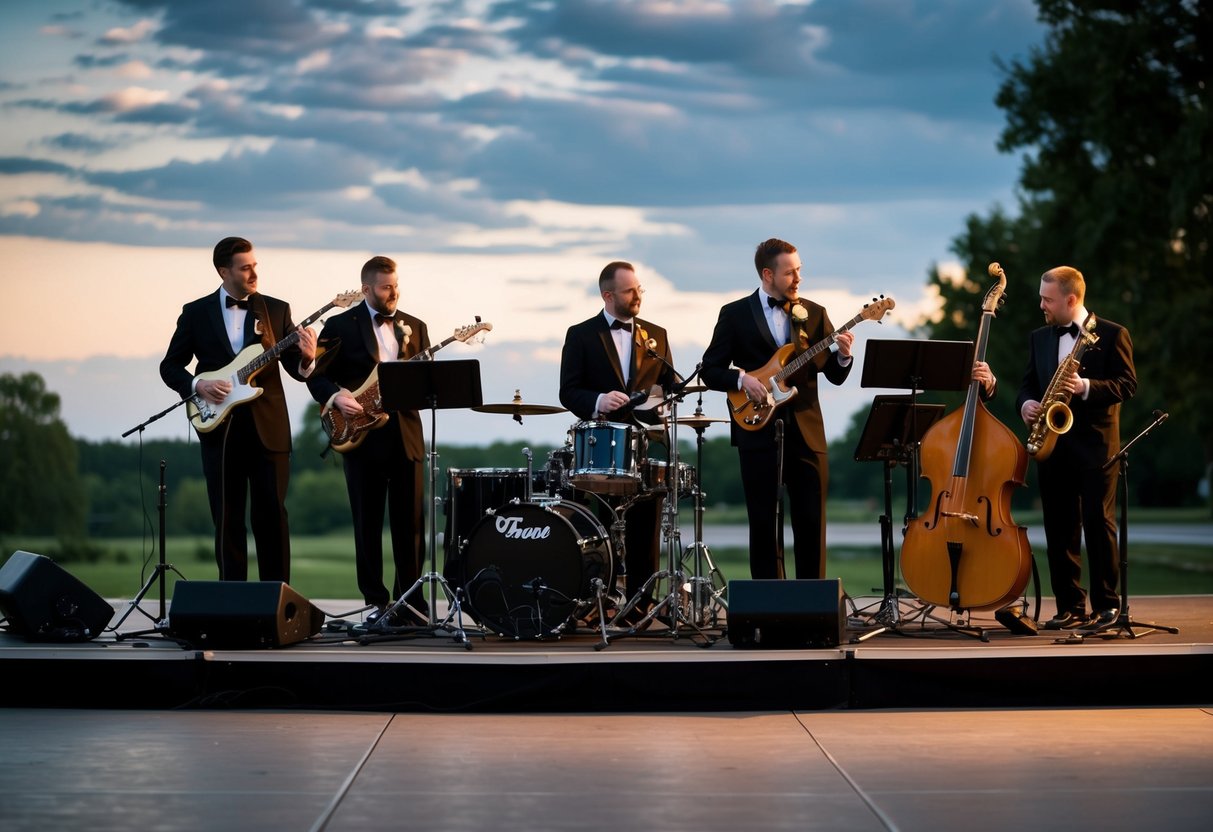
Effective music planning is key to making your wedding reception memorable. This involves curating a great setlist, managing special song requests, and coordinating with any deejays you may have. Each part plays a vital role in creating the perfect atmosphere for your big day.
Curating the Setlist
When hiring a wedding band, discussing the setlist is essential. You should provide a mix of songs that resonate with you and your guests. Consider including classics that appeal to all ages. A well-planned setlist should have upbeat songs to get people dancing and slower songs for quieter moments.
Bands often allow you to suggest particular songs that hold meaning for you. This could be your first dance song or tracks that remind you of special times together. Don’t hesitate to share your music preferences. The band will use these insights to create a lively and enjoyable environment.
Handling of Special Song Requests
It’s common for guests to have favorite songs they want to hear during the reception. Many bands welcome these song requests, so communicating these ahead of time is best. This allows the band to prepare and ensure they can perform the songs requested.
You might also have considerations for songs to avoid. Maybe there are tracks that don’t fit the vibe you want. Be clear with the band about these preferences. They will appreciate knowing what to include or exclude.
Coordination with Deejays
If you’re hiring both a band and a deejay, coordination is key. Make sure both parties are aware of the timeline for music. This prevents overlapping songs and ensures a smooth transition between live music and DJ sets.
Keep in mind that some bands offer a laptop DJ service. This means a member can mix songs, take requests, and make announcements for a seamless experience. If this is an option, it can simplify your planning. Just discuss this with the band to see how they can fit into your overall music plan.