
Do Wedding Dresses Have to Be Paid in Full? Understanding Your Payment Options
When choosing your perfect wedding dress, you might wonder whether you need to pay for it in full. The answer can vary depending on the bridal shop’s policies, but many stores do require you to pay in full at the time of purchase. This can be an important factor in your wedding planning and budget.
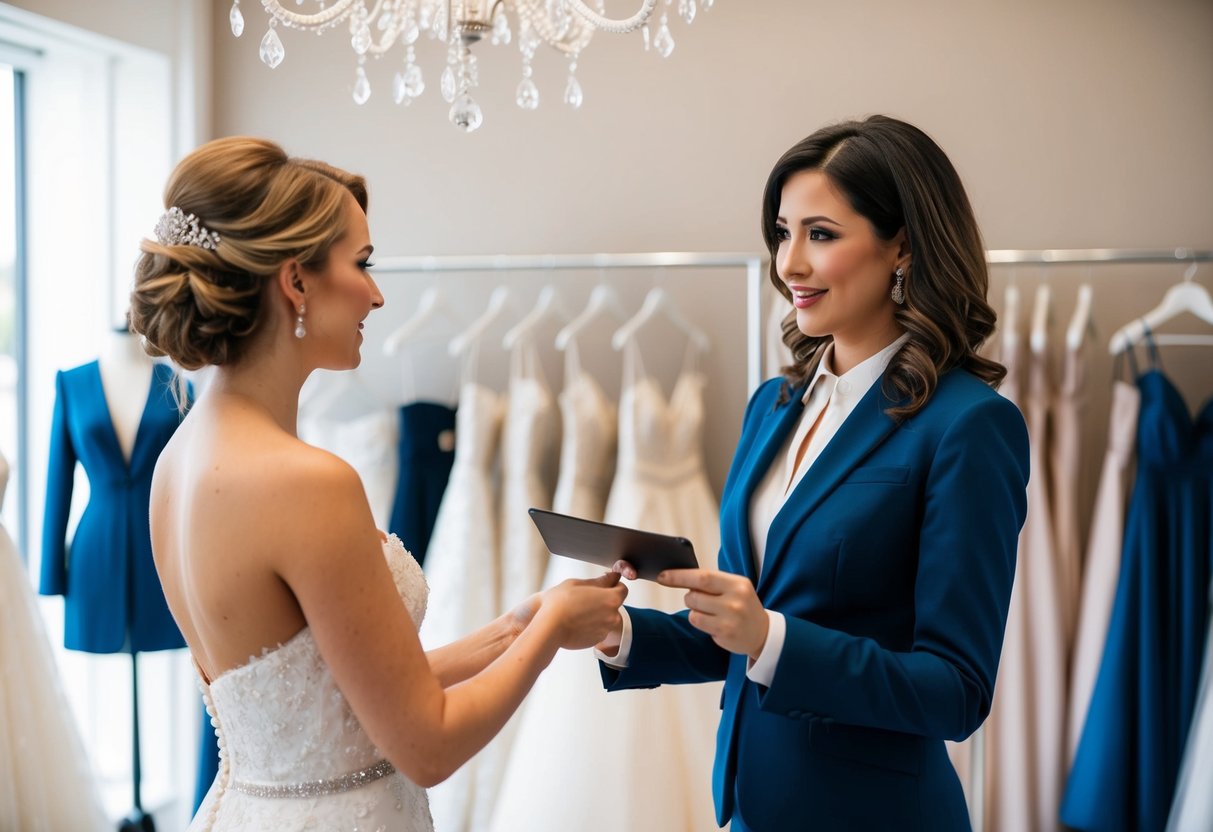
Understanding the payment options available to you is essential as you prepare for your big day. Some bridal shops may offer payment plans or layaway options, which can make managing costs easier. Knowing what to expect can help you make a confident choice that aligns with your wedding budget.
As you dive into the experience of selecting your dream dress, keep in mind the financial aspects. Being clear about payment methods will allow you to focus on what truly matters—finding a gown that makes you feel beautiful on your special day.
Exploring Payment Options for Wedding Dresses
When planning your wedding, understanding how to pay for your dress can help ease financial stress. There are several options available that allow you to manage costs effectively while finding the perfect gown.
Understanding Different Payment Plans
Many bridal shops offer a variety of payment plans to fit your budget. You may be able to pay for your wedding dress in full at the time of purchase, or break it down into smaller payments.
Some shops require a deposit, commonly around 50%, with the remaining balance due when the dress arrives. This way, you can secure your dress early while managing your budget. Always check the store’s policy, as terms may vary.
Advantages of Installment Plans
One popular choice is installment plans. These plans allow you to make payments over time, which can be convenient if you have a limited budget.
With this option, you can spread out the cost of your dress into manageable monthly payments. Plus, some shops offer flexible terms, meaning you can pay off your balance early without extra fees.
Using an installment plan gives you time to save up and ensures you don’t feel rushed into a purchase.
Putting Down Deposits and Personal Loans
Making a deposit is often necessary when you choose your wedding dress. This upfront payment typically secures the gown and ensures the store can order it specifically for you.
In some cases, you may consider a personal loan or using a credit card for your deposit. A personal loan can give you quick access to funds, but be sure to understand the interest rates and repayment terms.
Using a credit card can also be a fast option, but remember to manage your spending wisely. Always check how interest rates may affect your overall cost.
The Journey to Your Perfect Dress
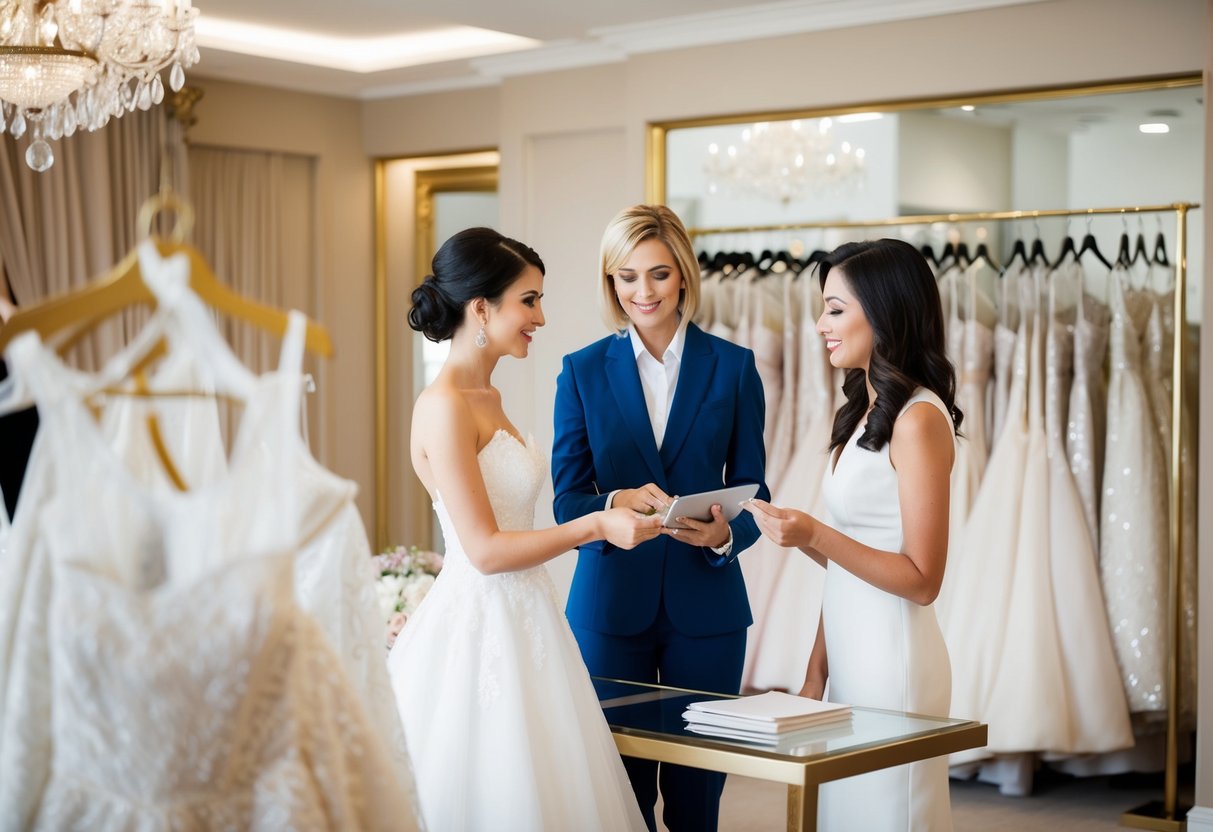
Finding your perfect wedding dress is an exciting adventure. It includes scheduling appointments, understanding dress fittings, and knowing how to try on sample dresses. Each step helps ensure you feel confident and beautiful on your big day.
Scheduling Bridal Appointments
When you begin your search, the first step is to schedule bridal appointments. It’s a good idea to call ahead and check for availability at bridal salons, boutiques, or shops. Some places may charge an appointment fee, which can include perks like personalized service or refreshments.
Be sure to communicate your style preferences and budget with the consultant. This helps them prepare a selection of dresses that fit your vision. Set aside a few hours for each appointment. This way, you can take your time trying on different styles without feeling rushed.
Dress Fitting and Alterations
Once you find a dress you love, it’s time for fittings and alterations. Bridal shops often recommend scheduling these as early as possible. This is important because alterations can take time, especially if you need multiple fittings.
Bring the undergarments you plan to wear on your wedding day to the fittings. This helps ensure the dress fits perfectly with your chosen undergarments. The seamstress will also discuss any specific adjustments needed to make the gown fit like a glove. Remember, the goal is to feel comfortable and confident.
Sample Dresses and Try-On Policies
Many bridal boutiques offer sample dresses for you to try on. These are often available in limited sizes, so it’s helpful to know your size before arriving. Some shops may have try-on policies in place, so be sure to ask if reservations are needed or if there are limits on how many dresses you can try.
When trying on sample dresses, keep in mind that each shop has different styles. Take your time to explore various designs and materials. Don’t be afraid to ask to see additional styles that might not be on display. This can help you discover a dress you didn’t initially consider!
Budgeting for Your Wedding Attire
When planning for your wedding attire, understanding the costs and budgeting effectively are crucial. This can help you make smart choices without overspending. Here are some key areas to consider as you prepare for your special day.
Breakdown of Wedding Dress Costs
The cost of a wedding dress varies widely. On average, brides may spend around $1,900 on their wedding attire, which includes not just the dress but also accessories and alterations. Here’s a simple breakdown of what to expect:
- Dress: $1,200 – $2,500
- Alterations: $200 – $600
- Accessories (veil, jewelry): $100 – $300
- Bridesmaid Dresses: $100 – $300 each
Keep in mind that these costs can change based on the designer, fabric, or whether you choose a custom dress. Always add a buffer to your budget for any unexpected expenses.
Who Pays for the Wedding Dress?
Traditionally, the bride’s family covers the cost of the wedding dress. However, modern arrangements vary widely. Sometimes, couples split the costs, or the groom’s family may contribute. Many brides also consider using funds from their savings.
Discussing who pays for the wedding dress can help set clear expectations. This prevents any misunderstandings and helps you plan your wedding budget effectively.
Tips for Staying Within Budget
Staying within your budget can be tricky, but there are several effective strategies. First, set a realistic budget based on your overall wedding costs.
-
Prioritize: Decide if you want to spend more on the dress or other items like the venue or reception.
-
Explore Options: Look for sample sales or pre-owned dresses to save money.
-
Payment Plans: Consider bridal shops that offer interest-free installment plans. This lets you pay over time without added stress.
Always keep track of your spending to avoid going over budget. You’ll be glad you did when it comes time to say “I do!”
Finalizing Your Wedding Dress Purchase

Finalizing your wedding dress purchase involves several important steps. You need to handle the pressure and excitement around buying your dress while ensuring you understand the terms and fees involved.
Navigating Pressure and Expectations
Many brides face pressure when selecting a wedding dress. Store staff may push for quick decisions, or friends may have strong opinions. Take your time and remind yourself that this purchase is personal.
You may find it helpful to bring a wedding dress handbook or list of your must-haves. This way, you can focus on what you truly want rather than what others think. If you feel rushed, don’t hesitate to ask for more time to think things over.
Reviewing the Wedding Dress Contract
Before completing your purchase, carefully review the wedding dress contract. This document outlines payment terms, delivery timelines, and any alteration policies. Look for clauses regarding full payment and the consequences if you need to change your order.
If you notice terms that seem unclear, ask the salesperson for clarification. Knowing your rights and responsibilities can prevent issues later. Some stores may offer a rush order, which can affect costs; so be sure to confirm all details about any added expenses.
Planning for Unexpected Expenses
When finalizing your dress purchase, consider unexpected expenses that might arise. Alterations, accessories, and shipping fees can quickly add up.
It’s wise to set aside extra funds in your budget for these potential costs.
Inquire if the store provides a breakdown of expected expenses. For example, if you choose a dress needing significant adjustments, you may need to adjust your budget accordingly.
Be prepared for surprises, and you’ll enjoy the buying experience much more.