
Do Wedding Guests Get Cake? Exploring Cake Traditions at Weddings
When you attend a wedding, one of the highlights is often the cake. Couples want to share this sweet treat with their loved ones to mark their special day.
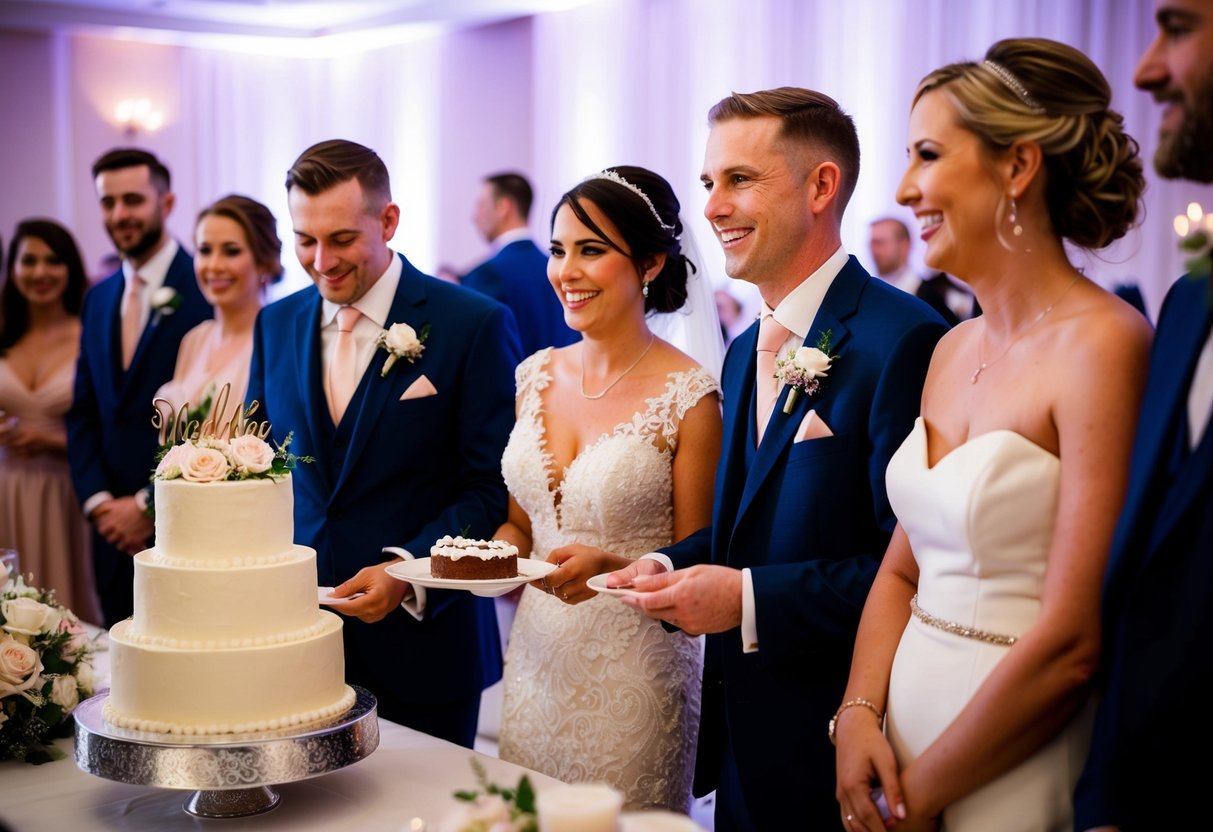
As you think about wedding planning, remember that the way cake is served can vary. Some couples opt for a slice served at each table, while others might set up a self-serve station. It’s also common for guests to enjoy other wedding desserts alongside the cake, adding even more sweetness to the event.
Whether you are a guest or involved in planning, knowing what to expect can make the day even more enjoyable. Cake is not just a treat; it represents joy and togetherness, making it a meaningful part of the celebration.
Understanding Wedding Cake Traditions
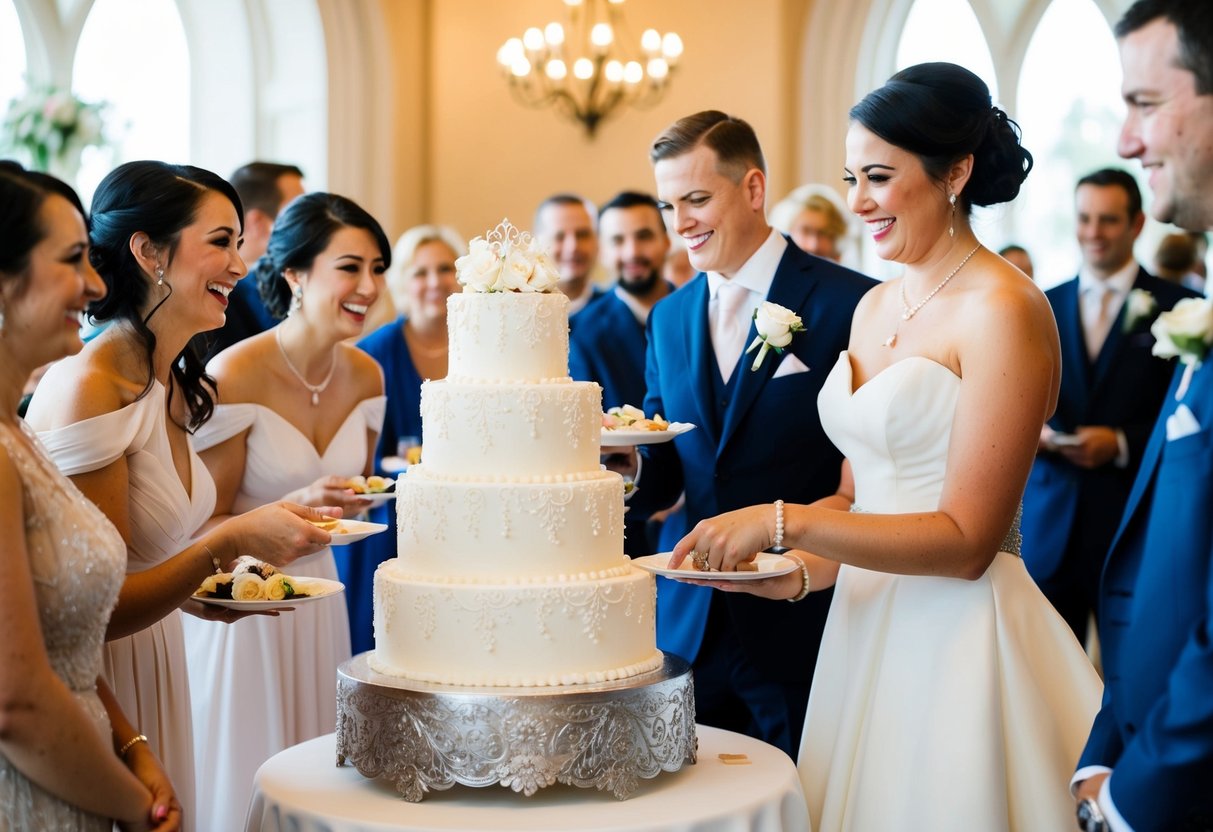
Wedding cake traditions are an important aspect of celebrating the union of two people. These customs, like cutting the cake and saving the top tier, hold special meaning and add to the joy of the occasion.
The History of Cake Cutting
Cutting the wedding cake is a beloved tradition that signifies the couple’s partnership and commitment. This custom dates back to ancient times when cakes were not always sweet.
Originally, cakes were often made of wheat and barley. The couple would break the cake over the bride’s head for good luck. Over time, cutting the cake evolved into a more elegant ceremony where the couple shares the first piece.
Today, you will find multi-tiered cakes at weddings. The bride usually holds the knife while the groom assists. This act symbolizes their unity and willingness to work together in their new life.
Significance of Saving the Top Tier
Another important tradition involves saving the top tier of the wedding cake. Many couples choose to preserve it for their first anniversary.
This practice stems from the belief that saving the cake will bring good fortune and happiness. In the past, cakes were made with rich ingredients, making them perfect for preservation.
You can also enjoy this special piece during your first celebration as a married couple. It adds sentiment and creates a sweet memory. To preserve it, wrap the cake tightly and store it in the freezer.
Planning Your Wedding Cake
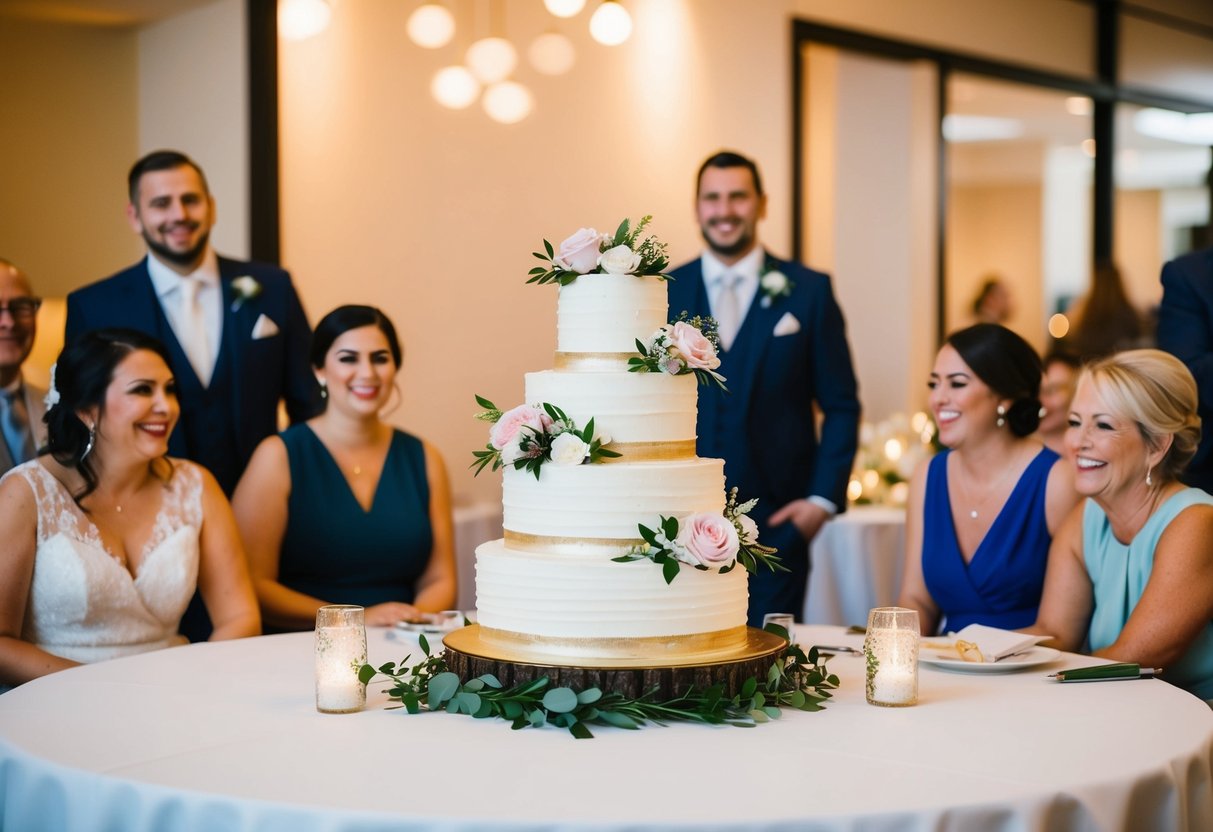
Choosing your wedding cake involves careful thought about size, design, and flavors. Several factors are essential, including your guest count, the bakery you choose, and the overall theme of your wedding. Here are some important tips to guide you through the planning process.
Determining the Right Cake Size
When deciding on the size of your wedding cake, consider your guest count first. A general rule is to have one slice of cake per guest, but it’s smart to have some extra servings for those who might want seconds.
Most bakeries can provide a cake size chart to help you. For example:
- 80 guests: about 3 tiers and 6-8 inches each
- 100 guests: about 4 tiers and 8-10 inches each
Discuss with your baker to find a size that allows for leftovers or options like cupcakes, too. Remember, extra servings can also make for a tasty take-home treat!
Selecting a Cake Design to Match Your Wedding Theme
Your cake design should reflect your wedding theme and style. Whether you’re going for rustic, elegant, or something playful, the design sets the tone.
Here are some elements to consider:
- Colors: Match the cake colors with your wedding palette.
- Decorations: Think about flowers, lace, or even personal touches like photos.
- Shape: Round cakes are classic, while square or hexagonal can add uniqueness.
Discuss your vision with your professional baker, as they can suggest designs that fit your theme perfectly. Custom designs can make your cake a stunning centerpiece of your reception.
Working with Cake Bakers for Specialty Ingredients
If you or your guests have dietary restrictions, working with your baker to incorporate specialty ingredients can add excitement to your cake. Many bakers offer gluten-free, vegan, or allergy-friendly options.
Consider asking about:
- Flavor Combinations: Mix traditional flavors like vanilla with exotic options like lemon or almond.
- Fillings: Explore fruit fillings, chocolate ganache, or even custard.
- Toppings: Fresh fruit, edible flowers, or elegant drips can enhance the look and taste.
Don’t hesitate to communicate your preferences. A good baker will work with you to ensure your cake is not only beautiful but also fits everyone’s needs.
Options Beyond Traditional Cakes
While wedding cakes are popular, you can consider alternatives too! Many couples opt for a mix of desserts or entirely different options that guests will love.
Here are a few fun ideas:
- Cupcakes: Easy to serve and come in many flavors.
- Pies: Perfect for a rustic wedding and they can be made in advance.
- Cookies or Doughnuts: Great for a casual vibe and can be displayed beautifully.
All these options allow you to customize your dessert table and encourage guests to mingle while enjoying sweet treats. Choose what appeals to you and fits your wedding’s spirit!
Serving the Cake to Guests
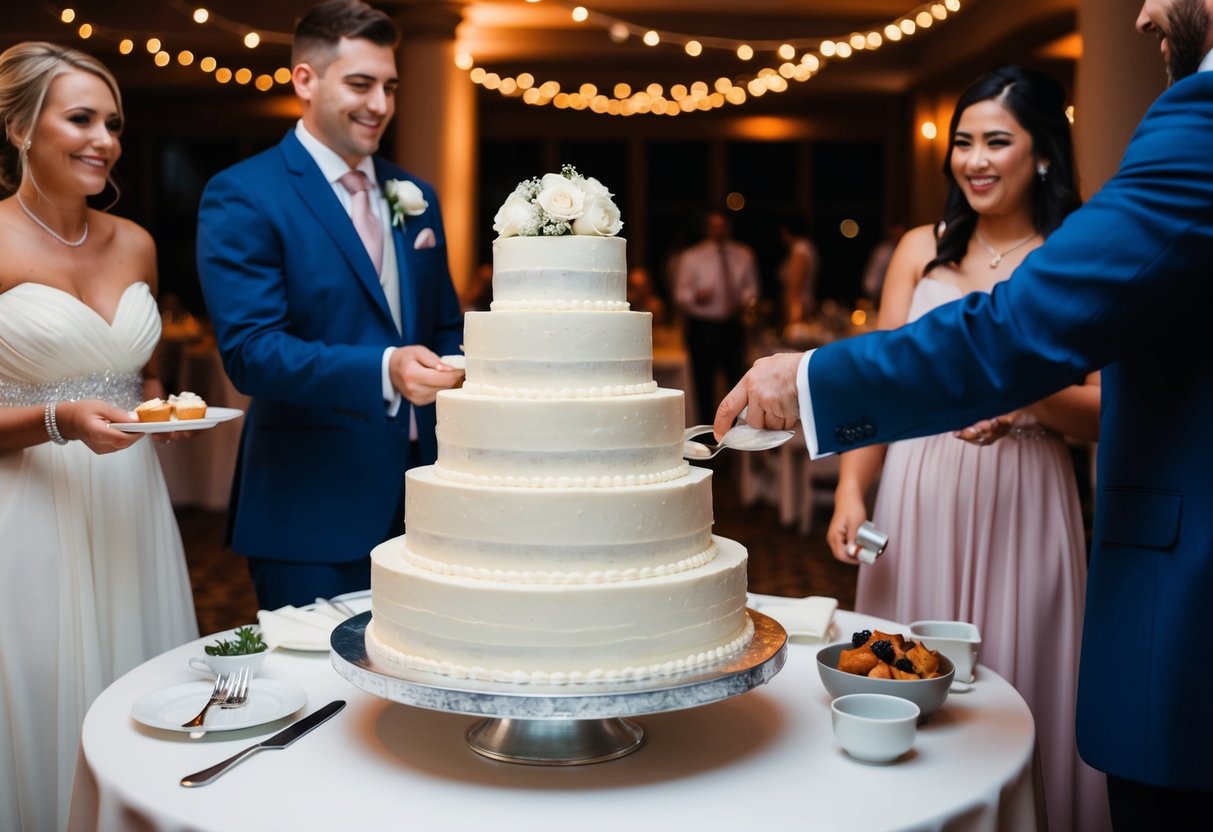
When it comes to serving cake at weddings, there are a few important methods to consider. These techniques can help ensure that your cake is enjoyed by all your guests, making the celebration even sweeter.
Adhering to the 80 Percent Rule
One key point in cake serving is the 80 Percent Rule. This rule suggests preparing enough cake to serve about 80% of your guests.
Why is this important? It helps avoid waste while ensuring most of your guests enjoy a slice.
For example, if you have 100 guests, plan for 80 servings. This can guide your decision on the size and number of cakes.
Remember, if you’re using sheet cakes, they are often more efficient for serving larger groups. They can be cut into smaller, consistent pieces, making it easier to stick to the 80 Percent Rule.
Setting Up a Self-Serve Cake Station
A self-serve cake station can be a fun and engaging way for guests to enjoy their treats.
Start by selecting a stylish table setup. This can become a focal point at your reception.
Make sure to provide a variety of cake options and some fun toppings, like sprinkles or whipped cream.
Label each cake clearly. Guests appreciate knowing what flavors they’re choosing.
Having plates, forks, and napkins readily available simplifies things. This setup encourages interaction, allowing guests to share their favorite flavors and combinations.
Choosing a Practical Cake Serving Approach
Choosing a practical approach to cake serving can make a difference in how smoothly things go.
You have a few options, such as cutting it yourself or hiring a professional cake cutter. If you decide to cut it yourself, make sure to practice proper cake serving techniques.
Keep in mind the serving sizes. A standard slice is typically 1 inch by 2 inches for weddings.
This size allows everyone to enjoy a slice without running out of cake too quickly. If you want to get creative, consider serving a combination of different cake styles, like a tiered cake along with sheet cakes. This can keep your guests happy and satisfied.
Cost and Alternatives for the Wedding Cake
When planning your wedding, understanding the cost of the cake and exploring creative alternatives can help you stay within budget while still delighting your guests. Here are some options to consider.
Evaluating Cost Per Slice and Budget Strategies
The average wedding cake costs around $540, which breaks down to about $2.50 to $4.00 per slice. This price can vary based on the cake size, flavors, and decorations like fondant designs or sugar flowers.
To save money, consider the number of guests you have and design your cake accordingly.
If you have 125 guests, you might only need a cake that serves around 80 to 100 people. This strategy allows for extra portions without significantly increasing costs. Also, explore local bakeries or consider making the cake yourself if you’re up for it.
Incorporating Fake Cakes for Display
Using a fake cake can be a fun and cost-effective choice. A fake cake looks just like a real one but is made from materials like foam or cardboard, making it much lighter and cheaper.
You can still have a small, real cake for cutting and serving, allowing you to enjoy the moment without spending a fortune. Decorate the fake cake with beautiful details like sugar flowers or intricate designs to impress your guests. This way, you can maintain the wedding aesthetic while keeping costs down.
Offering a Full Dessert Table Experience
Another lively alternative is to create a dessert table that offers a variety of treats. Instead of a traditional cake, you can include cupcakes, cookies, and even an ice cream sundae bar for a fun twist.
This approach caters to different tastes and ensures everyone finds something they enjoy. Plus, it can often be more affordable than a large wedding cake.
Guests will love the variety, and you can keep the decor cohesive by matching the treats to your wedding theme.