
Do Wedding Witnesses Need ID? Understanding Requirements for Your Big Day
As you plan your wedding, you might wonder about the role of witnesses and whether they need to show ID. In many states, wedding witnesses are required to have valid identification to sign the marriage certificate. This can include a driver’s license or passport, ensuring that the ceremony complies with legal requirements.
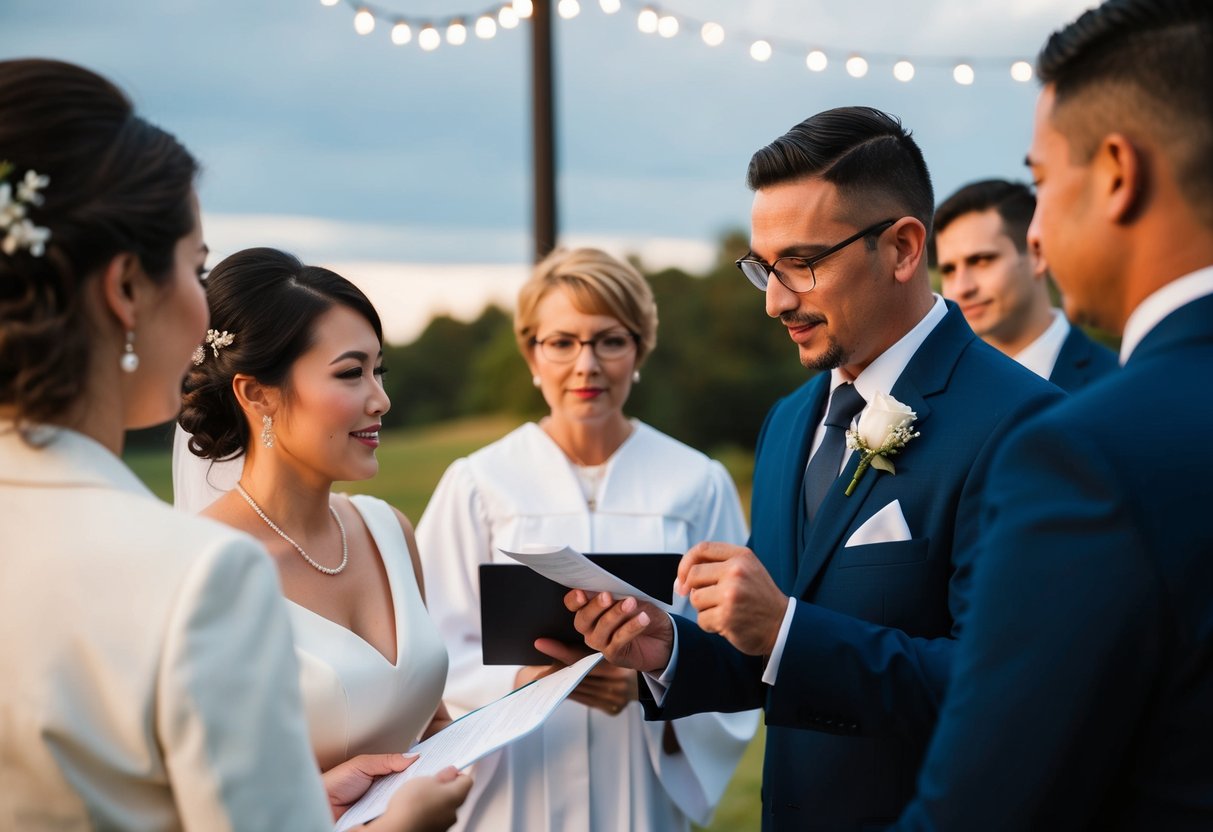
Understanding the rules for witnesses can help you avoid any last-minute stress on your special day. Some states don’t require ID at all, while others have specific age and identification criteria. Knowing these details ahead of time can make the process smoother and keep your focus on celebrating your big moment.
Whether you’re choosing family members, friends, or even noncitizens as your witnesses, it’s important to check your state’s laws. By being informed, you can ensure your ceremony meets all the necessary legal standards, allowing you to enjoy your day without worry.
Understanding the Role of Wedding Witnesses
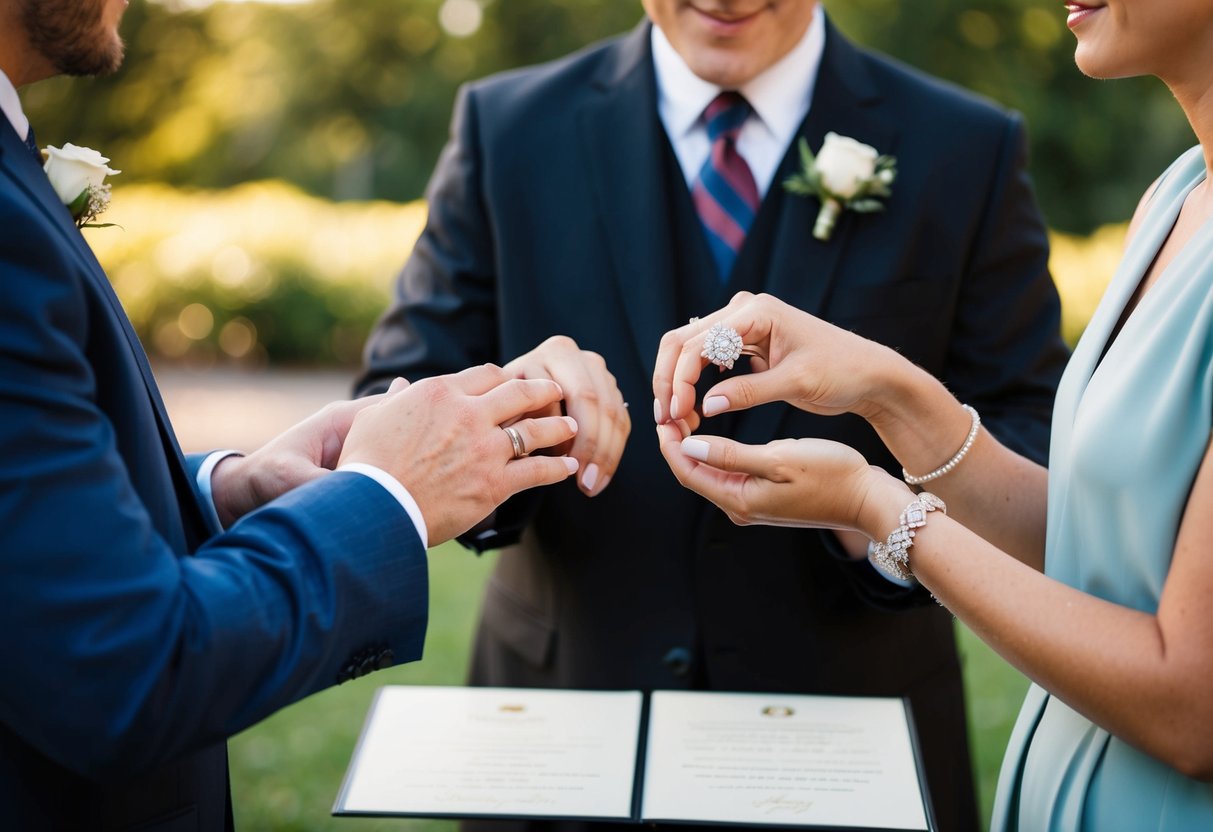
Wedding witnesses play an important part in the marriage ceremony. They are there to verify the event and support the couple as they start their new life together. Their role includes specific responsibilities and qualifications.
Who Can Be a Witness
You can choose almost anyone to be a witness at your wedding. Typically, they should be at least 18 years old. Some places allow witnesses as young as 16, but check your local laws first. Your witnesses don’t have to know you personally.
It’s also important that they understand the significance of the occasion. Witnesses do not need to provide identification in all states, but having someone who can communicate well during the ceremony is beneficial. This ensures they can effectively participate and understand what they are signing.
Witness Responsibilities
Witnesses have a key role during the wedding ceremony. They must be present when you and your partner exchange vows. After the ceremony, witnesses sign the marriage license, which is a legal document that finalizes your marriage.
Witness signatures serve as verification that the ceremony took place. It shows that the officiant, the couple, and the witnesses all participated. This step is crucial, as it helps to register the marriage officially. Without proper witnesses, there might be complications later on with your marriage’s legality.
Legal Requirements for Witness Identification
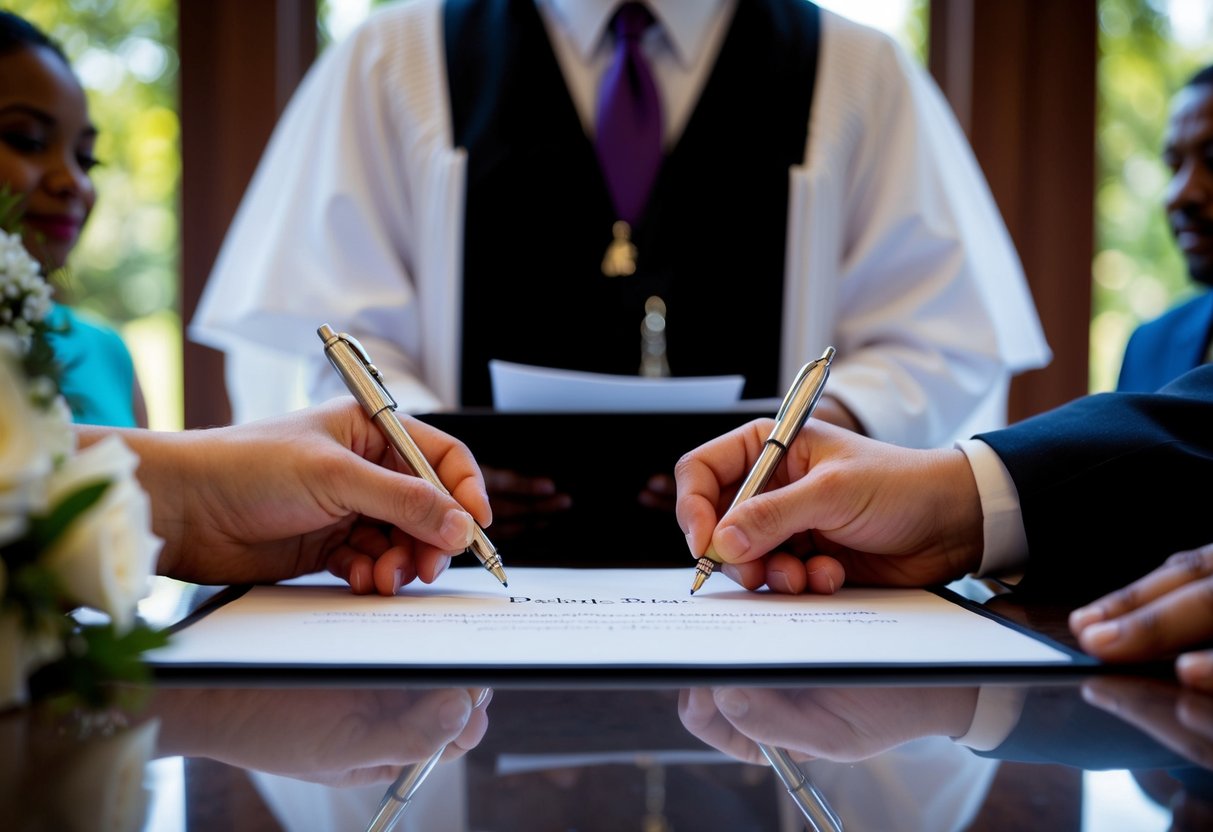
When it comes to wedding witnesses, understanding identification requirements is crucial. Different states have specific rules about who can witness your marriage and what identification they need to provide.
ID Requirements for Witnesses
Many states require witnesses to present valid identification to confirm their identity. Generally, witnesses must be at least 16 years old, but some states set the minimum age at 18.
Here are some common types of acceptable IDs:
- Driver’s License: This is often the easiest form of identification and is widely accepted.
- Passport: A passport serves as a strong form of ID, especially for non-citizen witnesses.
- State ID: A state-issued identification card can also prove eligibility.
Always check your state’s specific laws as requirements may vary. For instance, in states like Kansas and Kentucky, two witnesses must provide ID, while some states might require only one.
Verifying Witness Eligibility
To ensure your witnesses meet legal requirements, you should verify their eligibility before the ceremony. This involves checking their age and confirming they have the necessary identification.
In some cases, the marriage license will list specific fields to be filled out by your witnesses. These fields often include:
- Full Name: Witnesses must print their names correctly.
- Signature: Each witness should sign the marriage license.
- Contact Information: Some states request the witness’s contact details.
Taking time to verify these details ensures that your wedding ceremony goes smoothly and legally. Be sure to communicate with your witnesses about what they need to bring on the big day!
The Number and Importance of Witnesses
Choosing the right number of witnesses for your wedding is essential. Every state has different requirements, and having the right people there is key to a valid ceremony. Understanding who can serve as a witness and ensuring their availability can help you plan a smooth event.
Determining the Number of Required Witnesses
Marriage laws vary by state regarding the number of witnesses needed for your wedding. Some states require just one witness, while others ask for two.
Examples include:
- Georgia: Two witnesses, but only if the officiant does not complete the paperwork.
- Hawaii and Idaho: No witnesses required at all.
- Kansas: Two witnesses must be over 18.
Most states expect witnesses to be of legal age, with many requiring them to be at least 18 years old. It’s important for them to provide their signatures on the marriage license to validate your wedding.
Ensuring Witness Availability
Before finalizing your wedding plans, make sure your chosen witnesses are available on your big day. This can help avoid any last-minute hiccups.
Consider reaching out to family or close friends who understand the importance of your ceremony.
Key points to remember:
- Communication is vital: Let your witnesses know what the role involves, including signing the marriage license.
- Backup options: It can be smart to have a backup witness just in case.
By ensuring that your witnesses are available and understand their role, you can focus on enjoying your wedding day without worry.
Special Considerations for Wedding Witnesses
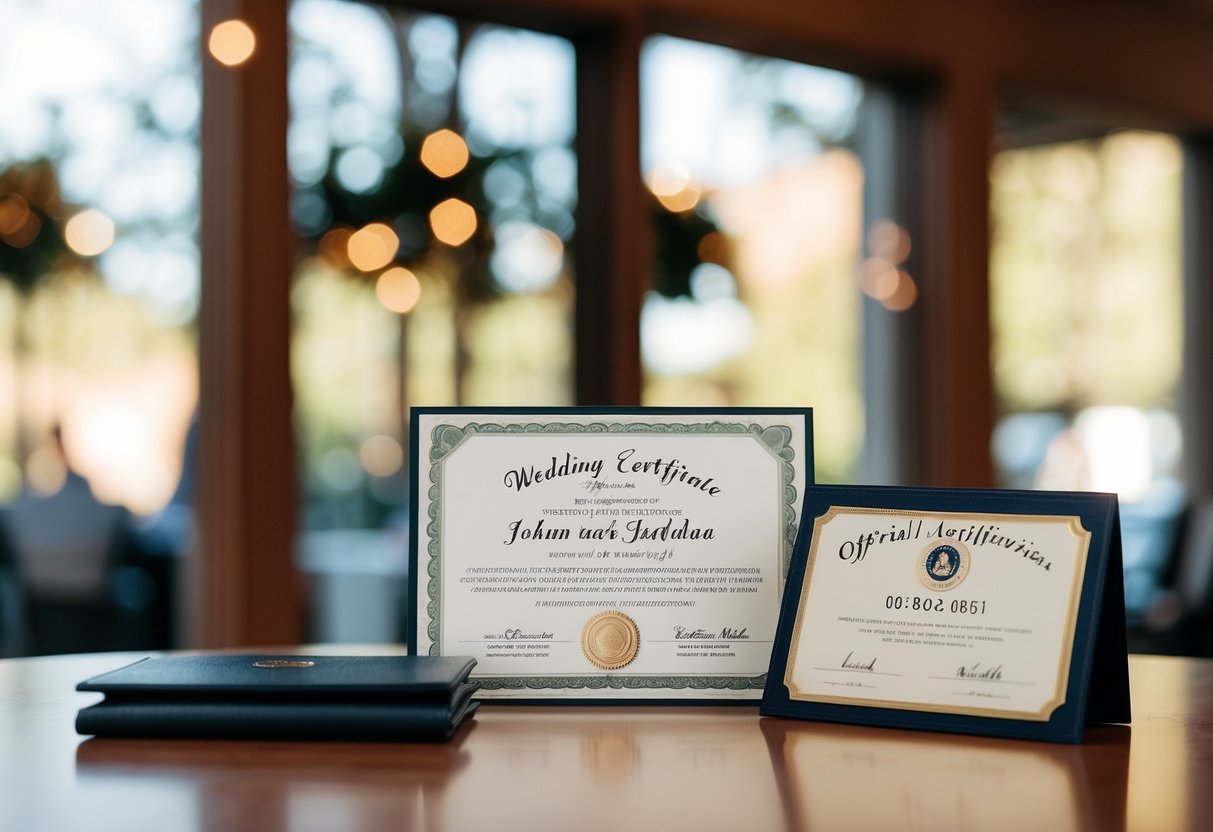
When choosing your wedding witnesses, there are some unique factors to keep in mind. The role of a witness can vary, especially if they are part of your wedding party or family. Understanding these considerations can help make your ceremony smooth and special.
Witnesses within the Wedding Party
Having members of your wedding party serve as witnesses can add a personal touch. Often, the best man and maid of honor are chosen for this role. They not only support you during the ceremony but also understand the importance of the occasion.
Remember, it’s crucial that they meet any local requirements, such as age or identification. Some states may not require them to show ID, but checking beforehand will save you from last-minute issues.
Family Members as Witnesses
Many couples prefer having family members as witnesses, which can strengthen emotional ties. Parents can often take on this role, but it’s vital to ensure they understand the ceremony’s significance. Their presence can make the day even more meaningful.
If you want to avoid any possible conflict of interest, choose family members who can support your decision. It can also be heartwarming to involve a relative who has experience with weddings, since they can guide you through the process.
Unconventional Ceremonies and Witness Rules
For those opting for self-solemnization or elopements, witness rules can differ significantly. In some cases, you might not need any witnesses at all, which allows for greater flexibility.
Couples choosing to elope should confirm the local laws, as some places allow unofficial witnesses or have special provisions for intimate ceremonies. This can be a great way to keep the day private while still having a legally recognized marriage.