
Do You Actually Need a Wedding Band? Exploring the Importance of This Timeless Symbol
When planning your wedding, you may wonder if a wedding band is truly necessary. While wedding bands are traditional symbols of love and commitment, they are not mandatory for a meaningful marriage. Many couples choose to exchange rings as a way to express their vows, but others opt for non-traditional choices or skip rings entirely.
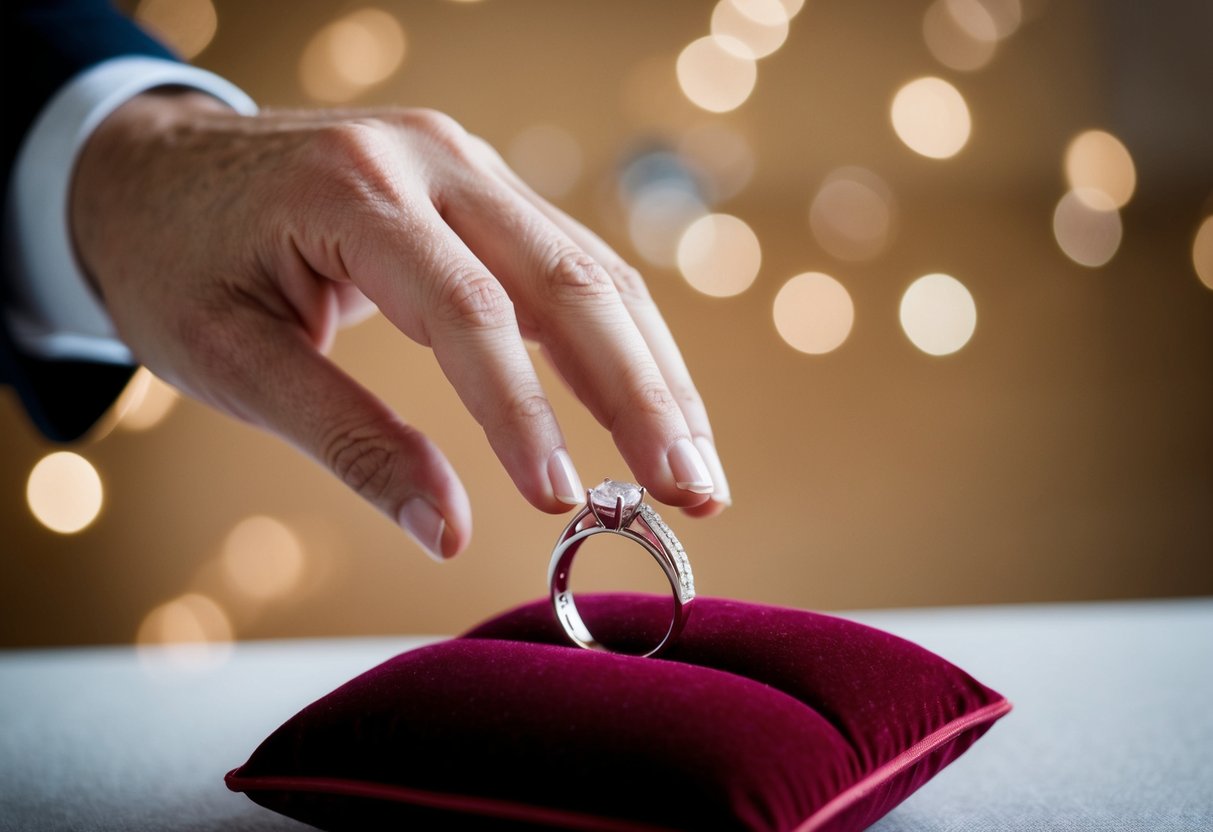
Think about what these symbols mean to you. For some, a wedding band represents a promise to cherish one another. For others, the gesture of commitment doesn’t rely on a physical item. You might find that a simple token or even no ring at all feels more right for your relationship.
The decision is personal. Whether you decide to wear a wedding band or not, focus on what feels authentic to your love story. After all, it’s the commitment that truly matters, not the jewelry.
The Significance of Wedding Bands
Wedding bands hold deep meaning for many couples. They symbolize commitment and love, serving as a constant reminder of the vows you take during your wedding ceremony. Understanding the symbolism and history of wedding rings can help you appreciate their importance in your relationship.
Symbolism of Wedding Rings
Wedding rings represent the bond between two individuals. They are often seen as symbols of eternal love and commitment, as a circle has no beginning or end. This endless shape reflects your ongoing journey together in marriage.
Many cultures believe that wearing a wedding band can protect and strengthen your relationship. It reminds you of your promises to each other. Wearing a wedding band also signals to others that you are in a committed relationship, which can foster respect and understanding.
History of Wedding Rings
The tradition of exchanging wedding rings dates back thousands of years. Ancient Egyptians are believed to be the first to use rings in marriage ceremonies, viewing them as symbols of eternity. They crafted rings from reeds and leather.
The Romans later adopted this practice, making rings from iron and gold. Over time, the materials and designs have evolved, but the significance remains strong. Today, couples often choose rings that reflect their personal style and story, marking a key moment in their commitment to each other.
Choosing Your Wedding Bands
Selecting the right wedding band is an important step in your engagement journey. Your choice reflects your style and commitment. Consider various factors, like design and materials, to find what truly resonates with you.
Factors to Consider
When choosing your wedding band, think about the following aspects:
-
Style: Will your band match your engagement ring? Some prefer a coordinated look, while others like a contrast. You can wear the band on your right hand or combine it with the engagement ring on your left.
-
Comfort: Make sure the ring feels good on your finger. Comfort is key, especially if you plan to wear it daily. Try different widths and shapes.
-
Material: Common choices include gold, silver, and platinum. Research the durability and maintenance of each option to find what fits your lifestyle. For example, white gold may need rhodium plating over time.
By keeping these factors in mind, you can find a band that complements your style and daily life.
Environmental Considerations
As you choose a wedding band, think about its environmental impact. Many people are concerned about the ethics of materials used in jewelry. Here are some points to think about:
-
Eco-friendly materials: Look for bands made from recycled metals or conflict-free diamonds. These options can reduce harm to the environment and support ethical practices.
-
Sourcing: Research where materials are sourced. Brands that prioritize sustainability often have certifications or transparent supply chains.
-
Longevity: Choose a timeless design that won’t go out of style. A classic wedding band lasts long and minimizes the need for replacements.
By considering these environmental factors, you can select a wedding band that aligns with your values while celebrating your love.
Alternatives to Traditional Wedding Bands
If you’re exploring options for wedding bands, you might be surprised to learn that there are many alternatives that express your love and commitment. From unique rings to personal gestures, these choices can reflect your style and relationship.
Different Types of Bands
Traditional wedding bands are not the only way to symbolize your commitment. You can choose from a variety of alternatives that align with your preferences.
-
Gemstone Bands: Instead of the classic gold or silver, consider a band adorned with gemstones. Stones like sapphires or emeralds bring color and personalized meaning to your ring.
-
Stackable Rings: You can also opt for stackable rings that allow you to mix and match styles over time. This trendy look lets you change up your rings to suit your mood or occasion.
-
Wooden Bands: For a rustic touch, wooden wedding bands can be a beautiful choice. They can represent your connection to nature and bring a warm, earthy feel to your commitment.
-
Silicone Rings: If you’re active or work with your hands, silicone rings can be practical. They’re durable, affordable, and come in various colors and styles.
Symbolic Gestures
Sometimes, a physical ring isn’t necessary to symbolize your love and commitment. Other gestures can be just as meaningful.
-
Personalized Gifts: Consider giving each other meaningful gifts that represent your relationship. This can be anything from custom jewelry to a shared experience, like a weekend getaway.
-
Tattoo Symbols: Some couples choose to get tattoos as a unique way to show their commitment. These may be initials, significant dates, or designs that represent your bond.
-
Memory Items: Creating a memory box filled with items significant to your relationship can be a lovely alternative. It allows you to celebrate your love in a different, but still heartfelt, way.
Exploring these alternatives allows you to find what truly resonates with you and your partner, making your commitment as unique as your love story.
Legal and Social Considerations

Choosing whether or not to wear a wedding band can involve various legal and social factors. These aspects can influence your decision in meaningful ways, especially when it comes to how your marital status is perceived and the cultural practices surrounding marriage.
Marital Status Indication
Wearing a wedding band is a common way to show your marital status. In many cultures, a ring signifies that you are committed to someone. This can impact how others view you in social situations.
When you wear a wedding band, it often communicates your relationship status without needing to explain. For example, people may assume you are married, leading to different interactions. On the other hand, not wearing one might raise questions or assumptions about your relationship.
Your choice might also relate to legal implications, especially in cases of divorce or separation. A wedding band can symbolize commitment, making it easier to navigate social settings and family dynamics.
Cultural Practices
Cultural practices play a significant role in the importance of wedding bands. In many traditions, the wedding band signifies a lifelong commitment. In some cultures, the ceremony includes exchanging rings.
Different cultures have unique customs surrounding the type of rings worn. For instance, some might choose gold or platinum, while others may prefer more personalized options. Understanding these norms can help you decide what feels right for you and your partner.
You should also consider your own cultural background and what it means for your relationship. Embracing these traditions can enhance the significance of your wedding ceremony, providing a deeper connection.