
Do You Cater for Everyone at a Wedding? Tips for Inclusive Menu Planning
Planning your wedding can feel overwhelming, especially when it comes to the diverse preferences of your guests. You might worry about whether your menu will appeal to everyone attending. While you can’t cater to everyone’s tastes, you can provide options that accommodate various dietary needs and preferences.
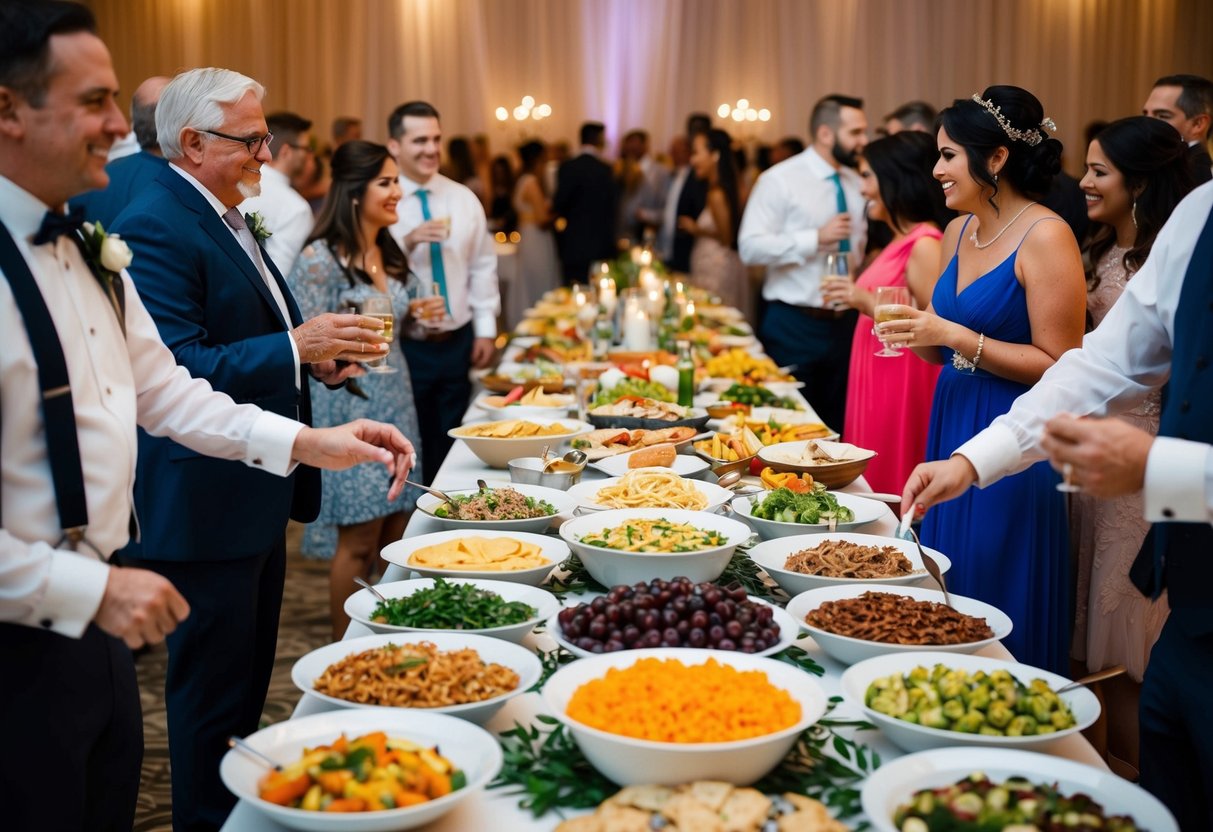
Embracing a mix of flavors and styles is a great way to make your reception memorable. Think about including vegetarian, vegan, and gluten-free dishes to ensure all guests have something delicious to enjoy. By adding a variety of options, you show your guests that you care about their experience at your celebration.
Remember, it’s all about balance. You can serve your favorite dishes while also being mindful of what your guests might want. Engaging your loved ones in this process can make it more fun and inclusive, setting the stage for an unforgettable day.
Understanding Wedding Catering Options
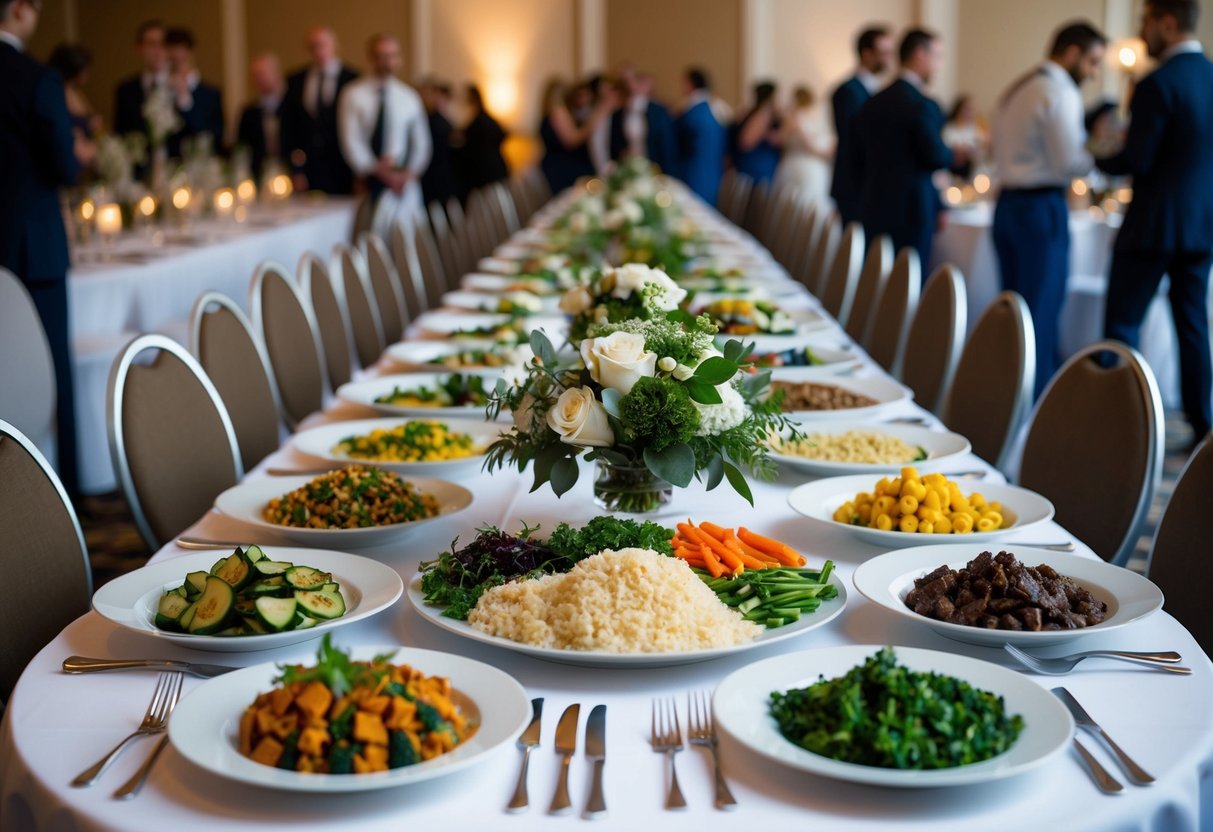
Choosing the right catering for your wedding is essential for a fantastic guest experience. You want to ensure everyone feels included, and that often means understanding different options available for both caterers and food serving styles.
Selecting a Wedding Caterer
Finding the right wedding caterer is a critical step in your planning process. Look for caterers who specialize in weddings and have good reviews.
Consider the following when selecting:
- Experience: Make sure your caterer has a history of successful weddings.
- Menu Options: Ask if they can create specific menus to cater to dietary needs, like vegetarian, vegan, or gluten-free.
- Tasting Sessions: Schedule tastings to sample their food. This helps ensure quality and flavor.
Don’t forget to discuss costs upfront. Knowing your budget helps you narrow down your options effectively.
Deciding on the Serving Style
Your serving style can create a unique dining experience for your guests. Here are some popular serving styles you might consider:
- Plated Meal: This formal option involves serving guests individually at their tables. It’s elegant and allows for easy portion control.
- Buffet: A buffet can be more relaxed and allows guests to choose what they want. This style can cater to diverse tastes.
- Food Trucks: For a fun twist, consider hiring food trucks to serve casual bites. This option can bring a unique flair and can be customizable.
Choosing a serving style can depend on the mood you want for your big day and how you want your guests to interact.
Exploring Food Service Styles
Different food service styles can greatly enhance your wedding experience. Here are three options to think about:
- Grazing Tables: These are visually appealing and encourage guests to mingle. A spread of cheeses, meats, and fruits can cater to various likes.
- Food Stations: Setting up different stations allows guests to explore their culinary preferences. You could have a taco bar, pasta station, or dessert table.
When deciding on service styles, think about how you want guests to enjoy the meal and interact with each other. This is about more than just food; it’s about creating memories.
Planning for Dietary Needs and Restrictions
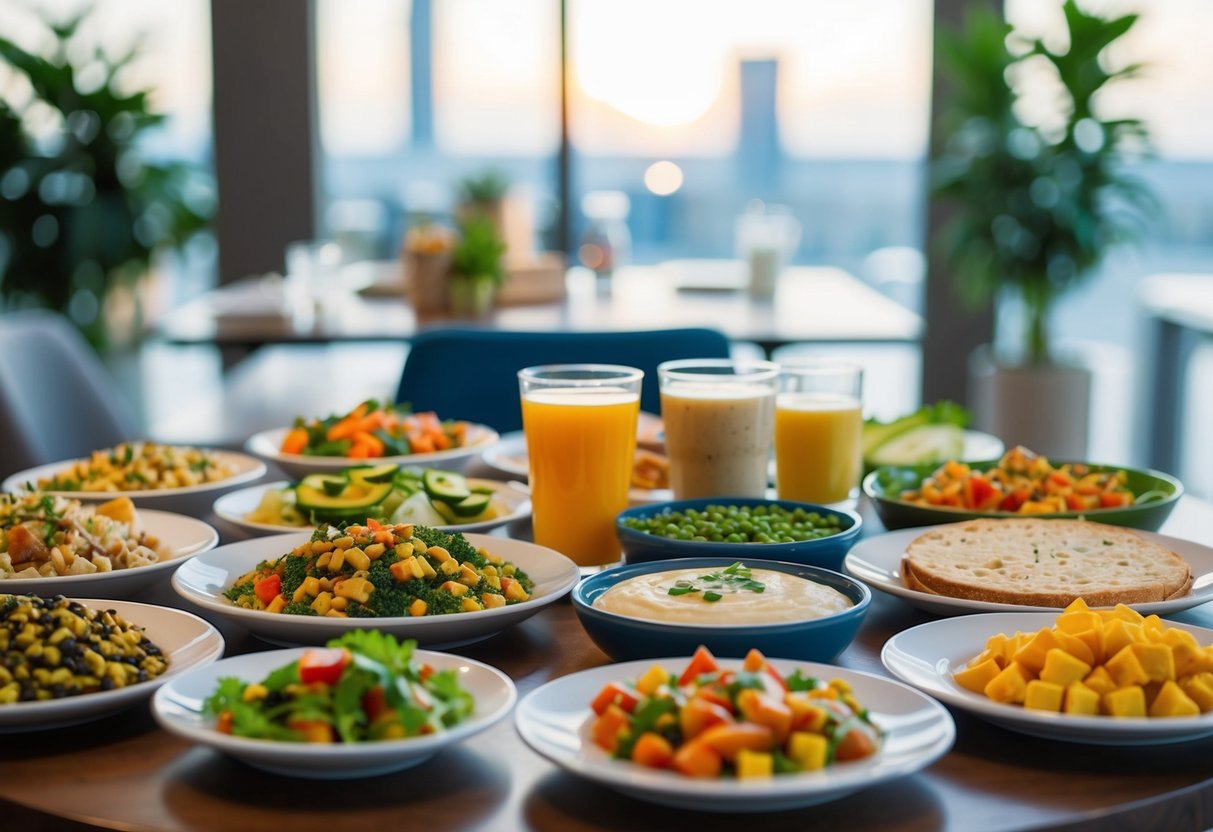
When planning your wedding, it’s important to consider the dietary needs and restrictions of your guests. This ensures that everyone has enjoyable meal options during the celebration.
Handling Dietary Restrictions
Start by gathering information about your guests’ dietary restrictions. Send out RSVPs that include a section for guests to indicate any food allergies or special diets. This can include gluten-free, vegan, vegetarian, or nut-free requests.
Once you have this information, share it with your caterer. They can help create a menu that accommodates these needs. Keep in mind that some guests may have severe food allergies. It’s crucial to avoid cross-contamination to ensure everyone is safe.
Communication is key. Make sure your servers are aware of the dietary restrictions so they can assist guests in choosing appropriate options. This shows that you care about your guests’ well-being.
Offering a Variety of Foods
Make your wedding menu diverse to cater to different tastes and preferences. A mix of protein sources, like chicken, fish, and plant-based options, can help satisfy everyone.
Consider including a variety of appetizers, main courses, and sides. For instance:
- Starters: Vegetable platters, stuffed mushrooms, and cheese boards.
- Main Courses: Grilled chicken, seared salmon, and a hearty vegetable lasagna.
- Sides: Quinoa salad, roasted vegetables, and garlic mashed potatoes.
Buffet style can also give guests more choices and empower them to select dishes that suit their diets. By offering multiple options, you ensure that each guest finds something they enjoy. This creates a warm and inclusive atmosphere at your wedding.
Creating a Memorable Dining Experience

A great dining experience is key to making your wedding unforgettable. Thoughtful planning can elevate your event and please your guests. Here’s how to focus on food tasting and ensure your catering timeline runs smoothly.
Incorporating Food Tasting into Your Plan
Food tasting is an essential step in planning your wedding menu. It allows you to sample dishes and make informed choices about what to serve. When organizing tastings, consider inviting close family or friends to gather opinions.
Plan to taste a range of options, including appetizers, entrees, and desserts. This will help you create a balanced menu that caters to various tastes. Pay attention to presentation, as beautiful dishes enhance the overall dining experience.
Consider special dietary needs, like vegetarian or gluten-free options, during tastings. This way, everyone can enjoy your wedding food. Engaging in this process ensures you choose dishes that reflect your style and delight your guests.
Ensuring a Smooth Catering Timeline
A well-organized catering timeline is crucial for a successful wedding. Start by coordinating with your caterer to establish key timings for food preparation and serving. Clear communication helps manage expectations and ensures everything flows perfectly.
Schedule times for food setup, service, and any necessary clean-up. This is especially important if you have multiple courses or a buffet. Make note of when each dish will be prepared and served to prevent any delays.
Be sure to coordinate with your venue regarding logistics. This includes kitchen access and any equipment needed. A smooth catering timeline will help create an enjoyable atmosphere, allowing your guests to focus on celebrating your special day.
Logistical Considerations for Wedding Catering
Planning wedding catering involves several crucial logistical elements. From food costs to coordinating with vendors, every detail matters to ensure a smooth experience for you and your guests.
Estimating Food Costs and Budgeting
Start by determining your budget for catering. This includes not just food, but also any additional costs like setup, service, and cleanup. The average cost per guest can vary widely based on the menu you choose.
Create a list of food options and their prices. Consider offering a mix of dishes that cater to various dietary needs, such as vegetarian or gluten-free options.
Keep in mind that certain seasons might lead to price changes, so check with your caterer about their cancellation policy in case you need to adjust your plans.
Understanding Vendor Meals and Bar Services
When planning your wedding, ensure you know how many vendor meals you need. Typically, this includes meals for the photographer, DJ, and other essential staff. Discuss these details with your caterer early on.
Think about your bar services too. Decide if you want an open bar, a cash bar, or a limited selection of drinks. Include the costs for bar services in your budget to avoid surprises.
Make sure your venue allows for the type of bar service you want. If you’re providing alcohol, you may need to hire a bartender with a proper license.
Navigating Venue and Caterer Coordination
Coordination between your venue and caterer is vital. Some venues have specific catering partners, so it’s essential to check who is permitted to serve food there.
Understanding the venue’s layout and how it impacts food setup and guest movement can help in planning timely meal service.
This can prevent last-minute issues on your big day.