
Do You Count as a Guest at Your Own Wedding? Understanding Your Role on Your Special Day
Planning your wedding can be both exciting and overwhelming. One question that often arises is whether you, as the couple, count as guests at your own wedding. The answer is yes—you should definitely include yourselves in the guest count. This ensures that your venue and caterer prepare enough food and drinks for everyone, including you and your spouse.
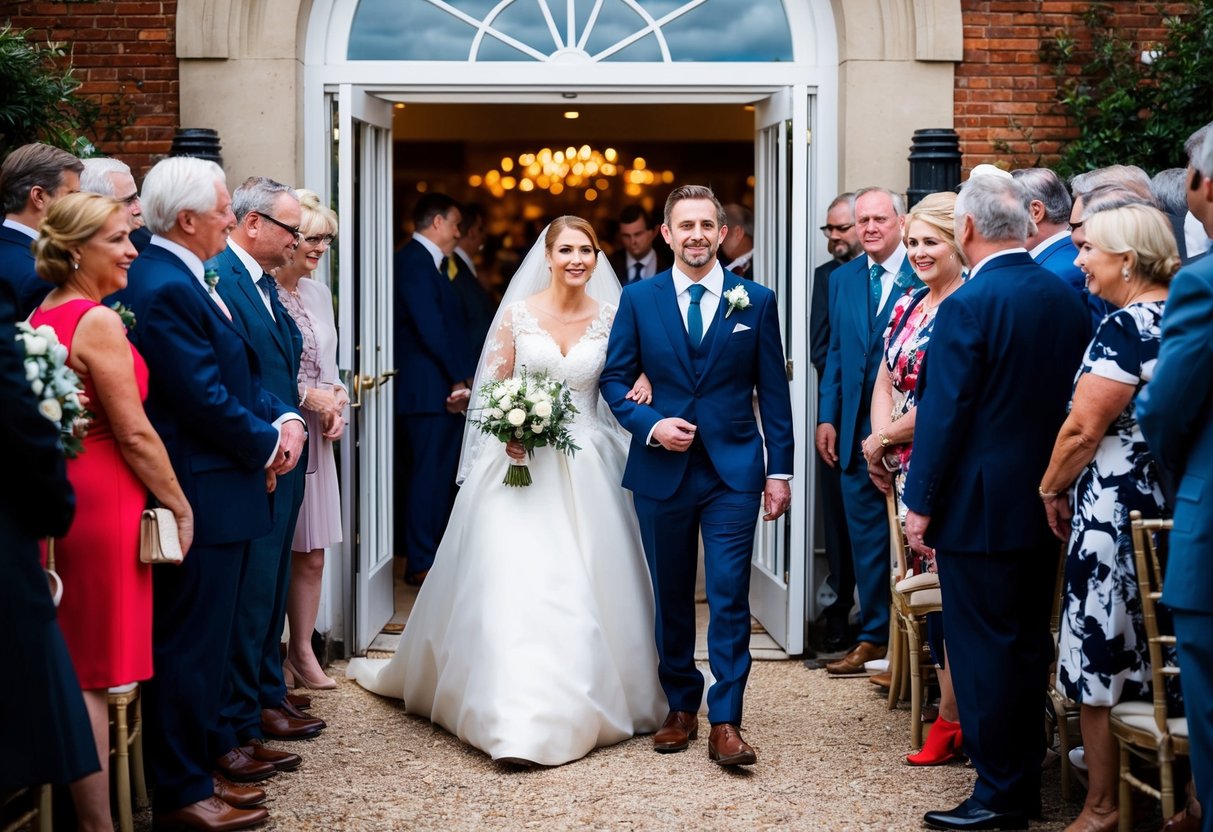
Addressing this aspect early on helps prevent issues down the line and keeps the planning process smooth. After all, you want to enjoy every moment of your big day without worrying about the numbers. Including yourselves in the count is a key part of making your wedding a success!
Understanding Guest Count at Your Wedding
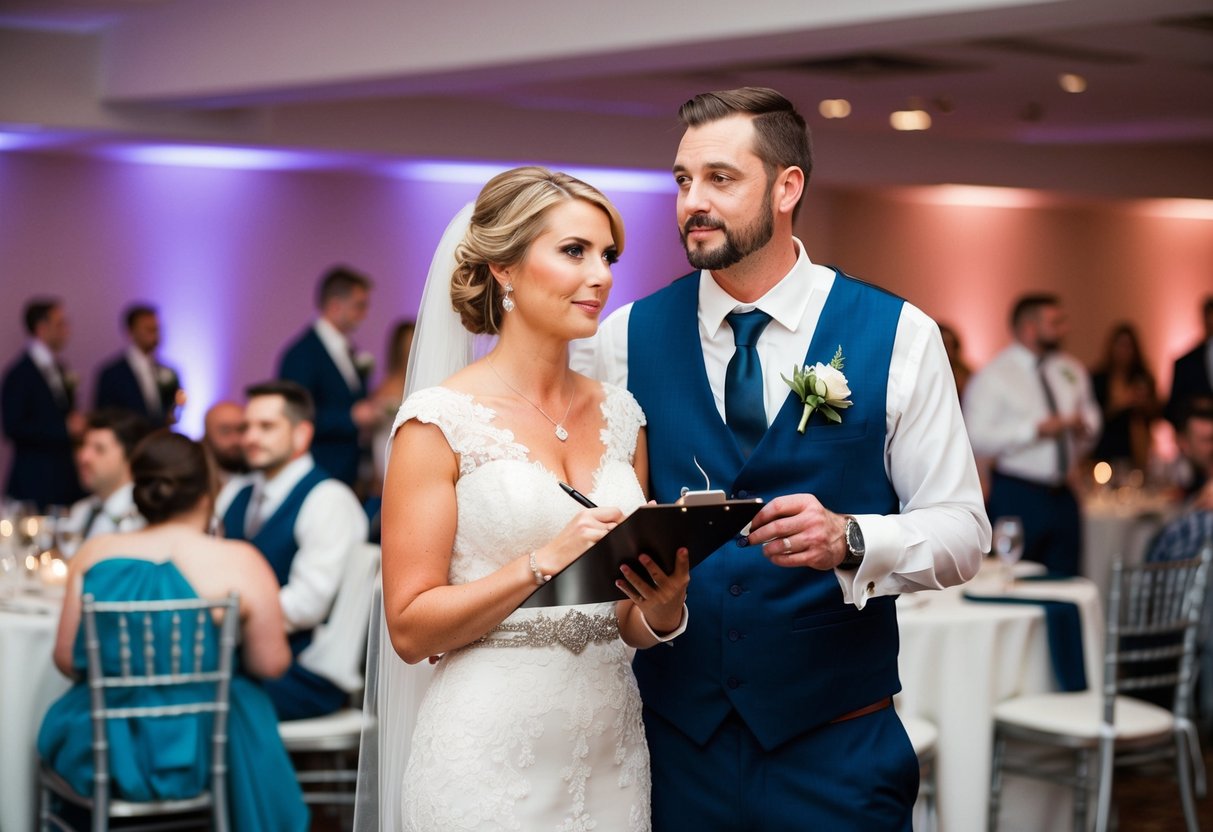
When planning your wedding, it’s essential to understand how guest count works. This includes who counts as a guest, the roles of the bride and groom, and the dynamics of the wedding party.
Defining the Wedding Party
The wedding party typically includes your closest friends and family. This group often consists of bridesmaids, groomsmen, and other ceremonial roles.
These individuals support you on your special day, helping with the planning and celebrations. They are usually included in your headcount, but you might ask if their plus-ones are accounted for as well.
Your wedding count helps determine the venue size, catering needs, and budget. Be mindful that including children or additional guests may also influence these numbers.
Roles of the Bride and Groom
You and your partner play unique roles at your wedding. While many may view you as the hosts, you might not count as guests according to the venue.
This distinction can impact planning and logistics. You should focus on your needs and those of your wedding party.
Additionally, you might want to consider how many guests you want to accommodate. This will guide your guest list and seating arrangements, ensuring everyone has a great time.
Remember, it’s your day, so make choices that feel right for you!
The Art of Crafting a Wedding Guest List
Creating the perfect wedding guest list is an essential part of your planning. It involves deciding who you want to share your special day with while being mindful of your budget and venue capacity. You’ll also need to manage RSVPs effectively and follow some etiquette to keep everything on track.
Creating Your Initial List
Start by making an initial list of everyone you’d like to invite. This can include family, friends, and colleagues. Consider using a simple spreadsheet to help keep track.
- A-List: Must-have guests you can’t imagine your day without.
- B-List: Guests you would love to invite if space and budget allow.
Organizing your list this way helps you prioritize and manage your expectations.
Managing RSVPs and Final Headcount
Once your guest list is set, it’s time to handle RSVPs. Send out invitations with a clear RSVP deadline. This gives your guests ample time to respond.
- Keep track of who has replied and who hasn’t.
- Regular reminders can help ensure you get those final responses.
By knowing your final headcount, you can make informed decisions about catering and seating arrangements.
Guest List Etiquette
Following guest list etiquette will make the process smoother. Always consider the following:
- Don’t assume plus-ones for every guest. Clarify who can bring a guest.
- Be mindful of family dynamics. Avoid inviting some guests if it may cause tension.
Sending save-the-dates early, especially for destination weddings, shows you value your guests’ time and effort. This can help ensure more of your guest list can attend.
Logistics and Considerations for Guests
When planning your wedding, several logistics are crucial for making your day enjoyable for everyone. This includes understanding your venue capacity, addressing the needs of child guests, and figuring out how to make intimate weddings special.
Venue Capacity and Per-Person Costs
Before finalizing your guest list, check the capacity of your chosen venue. Venue capacity affects not only how many guests can attend but also how much you will spend. Many venues charge on a per-person basis.
Consider the following costs:
- Venue rental fee
- Catering costs per head
- Seating arrangements
To avoid overstretching your budget, create a preliminary guest list and compare it to the venue’s capacity. This helps ensure you stay within limits while creating a comfortable atmosphere for your guests.
Child Guests and Babysitters
If you plan to invite children, consider how this may impact your day. Some couples choose to include kids, while others prefer an adults-only event. If you invite children, think about providing entertainment or hiring a babysitter.
Here are some ideas:
- Kids’ activity area
- Dedicated babysitters
Hiring a babysitter can relieve your guests of parenting duties, allowing them to enjoy the day fully. Weigh the pros and cons of including children and how it aligns with your vision for the event.
Planning for Intimate Weddings
Intimate weddings are a lovely way to celebrate your love with close friends and family. These smaller gatherings can create a cozy atmosphere and foster deeper connections among guests.
Your focus should be on quality over quantity. With fewer guests, you can allocate more resources per person. For example, you might:
- Upgrade to a nicer venue
- Enhance the catering options
An intimate wedding allows you to tailor the experience to your specific guests, ensuring everyone feels valued and remembered on your special day.
Executing Your Wedding Plans
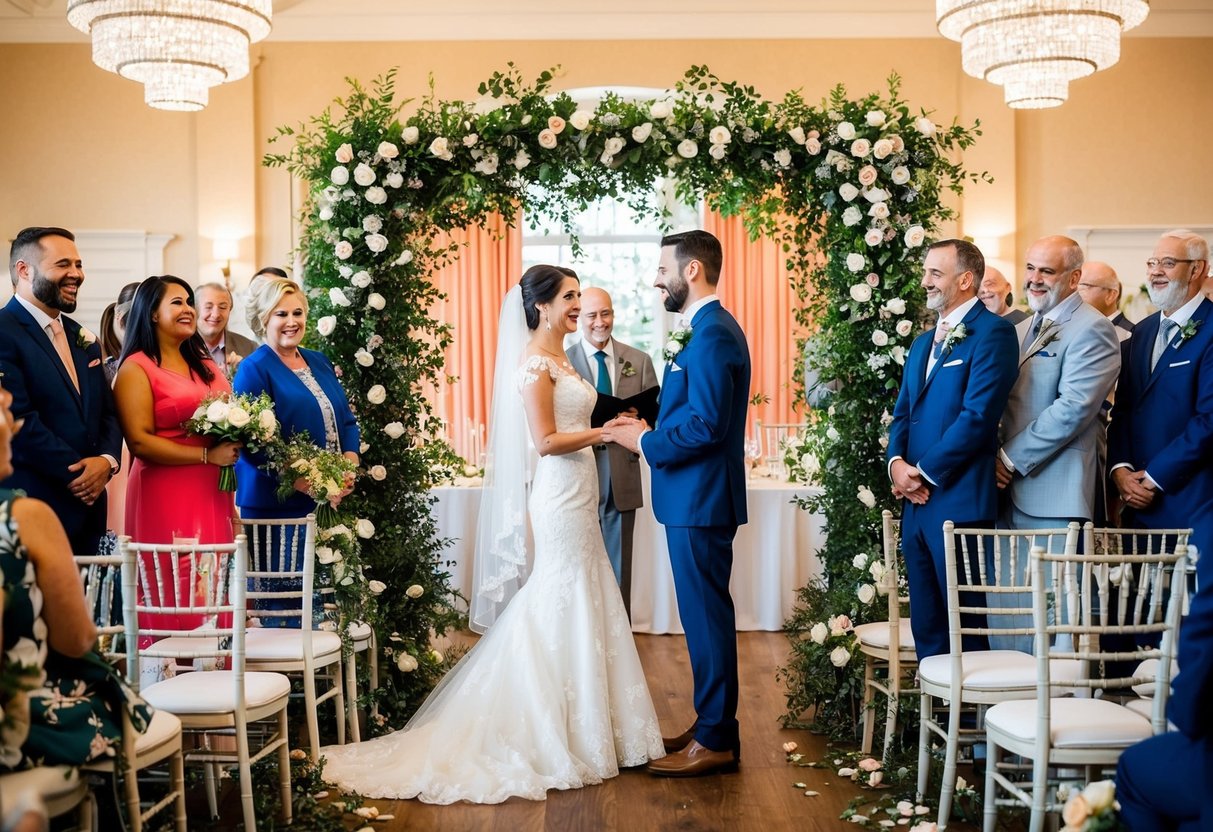
Executing your wedding plans involves key tasks that contribute to a successful celebration. Focusing on invitations and the reception will help ensure everything goes smoothly.
Sending Out Wedding Invitations
Sending out wedding invitations is one of the first steps in your planning. It’s important to create a guest list that reflects everyone you wish to invite.
Start by compiling names and addresses. Consider using an online tool to manage your list easily. This can help you keep track of RSVPs, which is essential for planning.
When designing your invitations, choose a style that matches your wedding theme. You can opt for traditional paper invites or digital ones for efficiency. Don’t forget to include the date, time, and venue details clearly.
A friendly reminder: send invitations at least 6-8 weeks before the wedding. This gives guests enough time to respond and helps you finalize your guest count.
Preparing for the Wedding Reception
The wedding reception is where you and your guests celebrate your big day. Planning it carefully is key to creating a fun atmosphere.
Start by choosing a venue that fits your vision and budget. Consider factors like capacity, location, and amenities.
Next, think about your menu. You could offer several options, including vegetarian or gluten-free dishes.
Desserts can add a sweet touch to your celebration. You might even want to include special treats like cookies, reflecting your personal tastes.
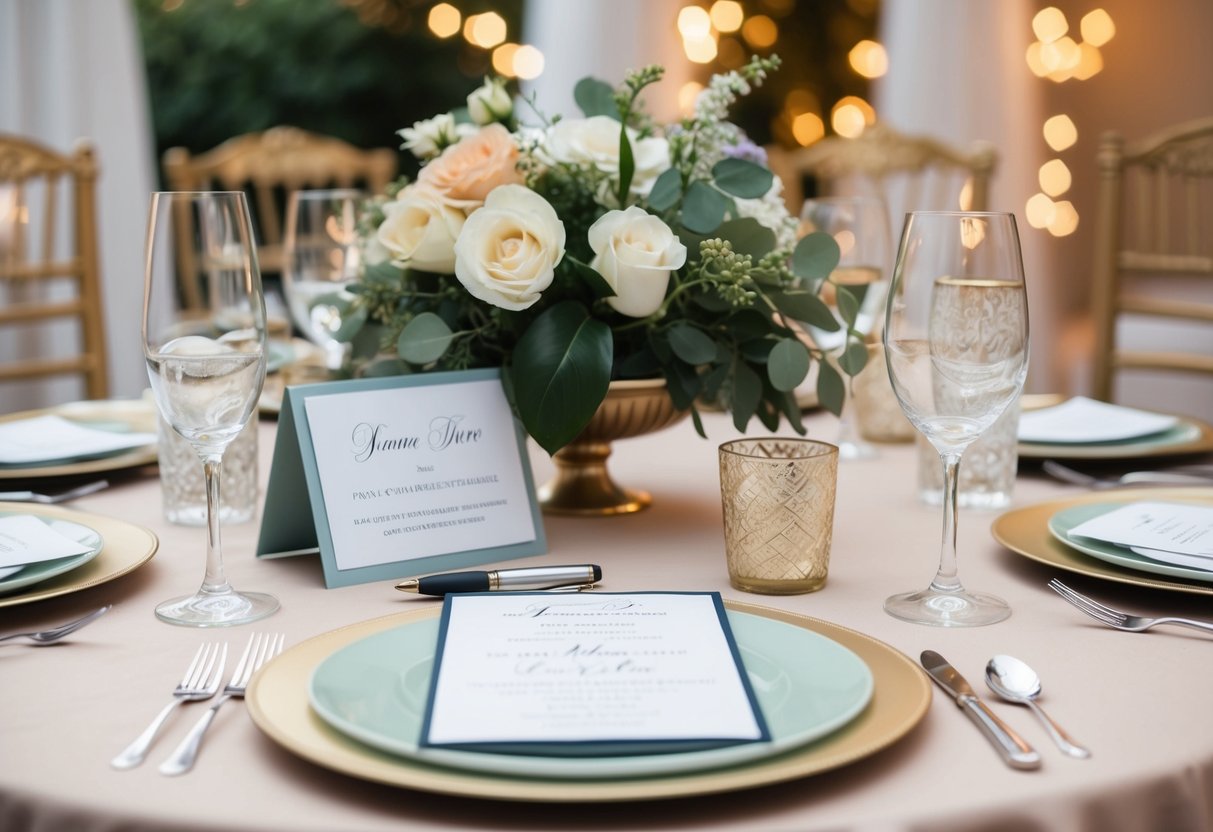
Don’t forget about seating arrangements. Creating a comfortable layout helps everyone enjoy the event. Use place cards to avoid confusion and make your guests feel special.
Having a detailed plan set for your reception will ensure a memorable experience for you and your guests.