
Do You Count Yourself in the Wedding Guest List? Tips for Inviting Those Who Matter Most
When you’re planning your wedding, creating the guest list can feel overwhelming. It’s best to include yourself and your spouse on the wedding guest list. Not only does this help with the accurate guest count, but it also ensures that everything runs smoothly on your big day.
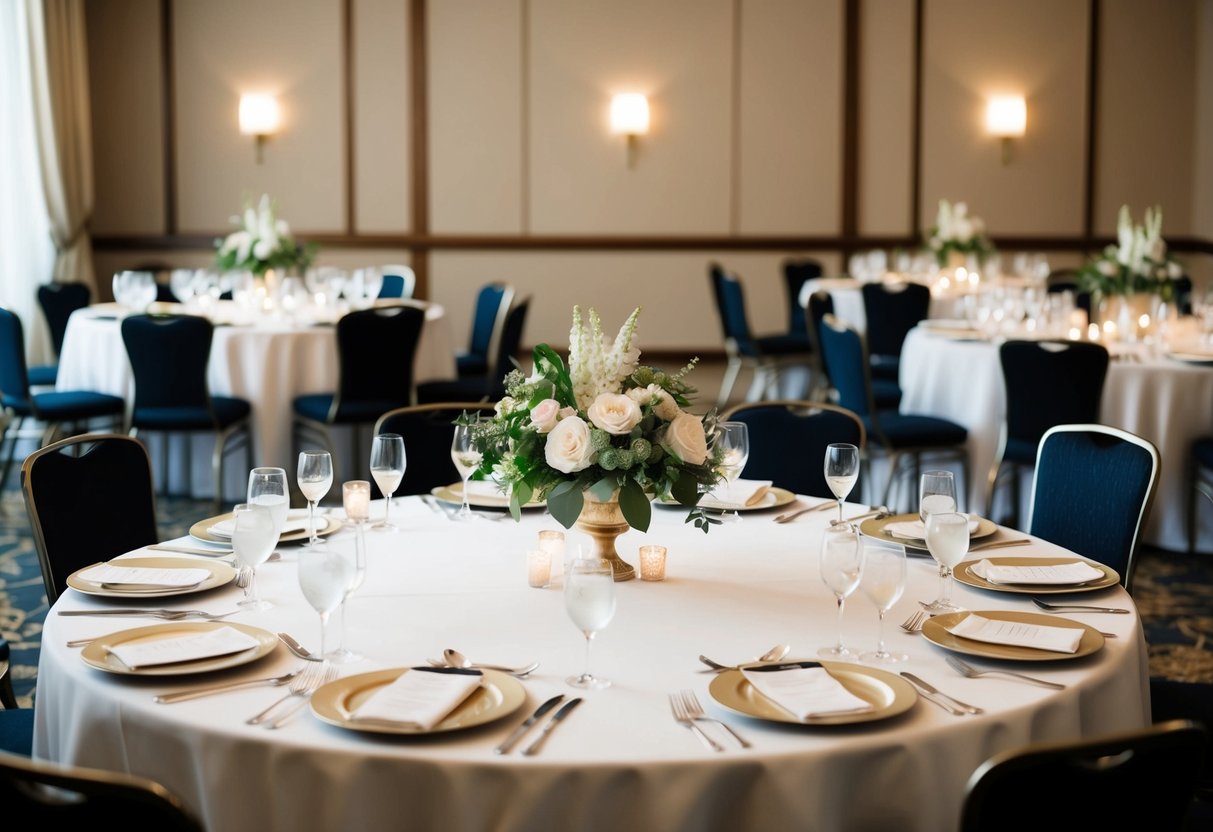
Thinking about who to invite can lead to many questions. You want to make sure every detail is perfect, and counting yourself among the guests might seem strange at first. Remember, each person counts, and having an accurate number helps your venue and caterer prepare properly.
As you navigate your wedding planning, keep this in mind: every guest, including you, contributes to the magical atmosphere. Counting yourself allows you to celebrate the special moments alongside your loved ones, making it a day to remember for everyone.
Creating Your Wedding Guest List
Planning your wedding guest list is a crucial step in your wedding preparation. It helps set your budget, chooses the right venue, and influences your seating chart. Here are some key points to consider.
Understanding the Guest List Etiquette
When creating your guest list, it’s important to follow some basic etiquette. First, consider the family dynamics. Always consult with your parents and future in-laws to understand their expectations.
You may also want to set some boundaries. Decide in advance if you will invite plus-ones or children.
Make a note of your privacy policy; do you want to keep it small and intimate, or are you open to a larger celebration? This will shape your list and ensure you’re comfortable on your special day.
Determining the Size of Your Wedding
The size of your wedding directly affects many plans. Start by establishing a realistic budget. This will guide how many guests you can invite without overspending.
Next, check your venue capacity. Choose a space that comfortably fits all your guests.
You can also create tiers of invited guests. Consider inviting “must-haves” first, then “nice-to-haves” if space allows. This helps when needing to cut down on your list later.
Utilizing a Guest List Template
A wedding guest list template can simplify the organization process. You can find many online, which allow you to input guest names, addresses, and meal choices.
Organize your list in sections for easy reference. For example, separate friends, family, and coworkers. This helps in case you need to adjust numbers later.
Don’t forget to include a space for RSVPs. Tracking who can attend is essential for the seating chart and catering.
A well-structured guest list will keep you organized and reduce stress as your wedding day approaches.
Invitation and RSVP Management

Managing your wedding invitations and RSVPs effectively is crucial for a smooth planning process. It helps you know who will attend and reduces stress as the big day approaches. Here’s how to handle invitations and RSVPs with ease.
Handling Invitations and RSVPs
When sending out your wedding invitations, make sure to do it early. This gives guests ample time to reply. Aim to send them at least 8-12 weeks before your wedding date. Be clear about RSVP deadlines, usually 4-6 weeks before the event. Include an RSVP card or link for easy responses.
Consider using tools or apps to track RSVPs. This makes it easy to see who is coming at a glance. Keep a list of those who haven’t responded. A polite follow-up can help clarify their plans. This organization will help you finalize the guest list smoothly.
Managing Plus-Ones and Children
Deciding who gets a plus-one is essential. Generally, consider inviting those who are in a serious relationship, friends, or family members. However, be clear on your invitation whether a plus-one is included. Plus-one etiquette typically means guests can bring someone, but it’s perfectly fine to restrict them if your venue has limits.
Regarding children, the choice is really yours. If your wedding is a more formal event, you may prefer an adult-only celebration. If so, kindly note this on your invitations to avoid any confusion. Clearly state your wishes so guests understand your vision for the day.
Deciding on B-List Guests
Creating a B-list of potential guests can help if your A-list is too large. These are people you want to invite but may be lower on the priority list. If an A-list guest declines, send invitations to B-list guests immediately.
When considering B-list guests, stick to your etiquette rules. Maintain sensitivity in your approach, and ensure invitations are sent as soon as you know your final count. This way, you remain respectful and organized, while still allowing important people in your life to celebrate with you.
Budget and Expectations

When planning your wedding, understanding your budget and what you expect from your guest list is crucial. Balancing these two factors will help you create a memorable day without overspending.
Setting a Realistic Budget
Start by determining how much you can comfortably spend on your wedding. It’s important to create a realistic budget that covers all aspects, including venue, food, and decor.
A good rule of thumb is to use the rule of thirds:
- One-third for the venue
- One-third for catering
- One-third for everything else (like attire and decorations)
This will help you see where your money goes and how it affects the guest count. Be honest about your finances, and ensure you can maintain your plan without stress.
Balancing Guest Count with Expectations
As you think about your guest list, consider how many people you want to invite compared to your budget. Each guest adds to your costs through catering and seating arrangements.
Make a list of must-invite guests, and then see how that aligns with your budget. If you’re aiming for a more intimate wedding, you may want to limit your guest count.
Additionally, think about how much space you need. A smaller venue saves money but limits guests. A larger venue might allow for more guests but comes with higher costs. Balancing these factors ensures you meet your expectations without breaking the bank.
Types of Weddings and Guest Considerations
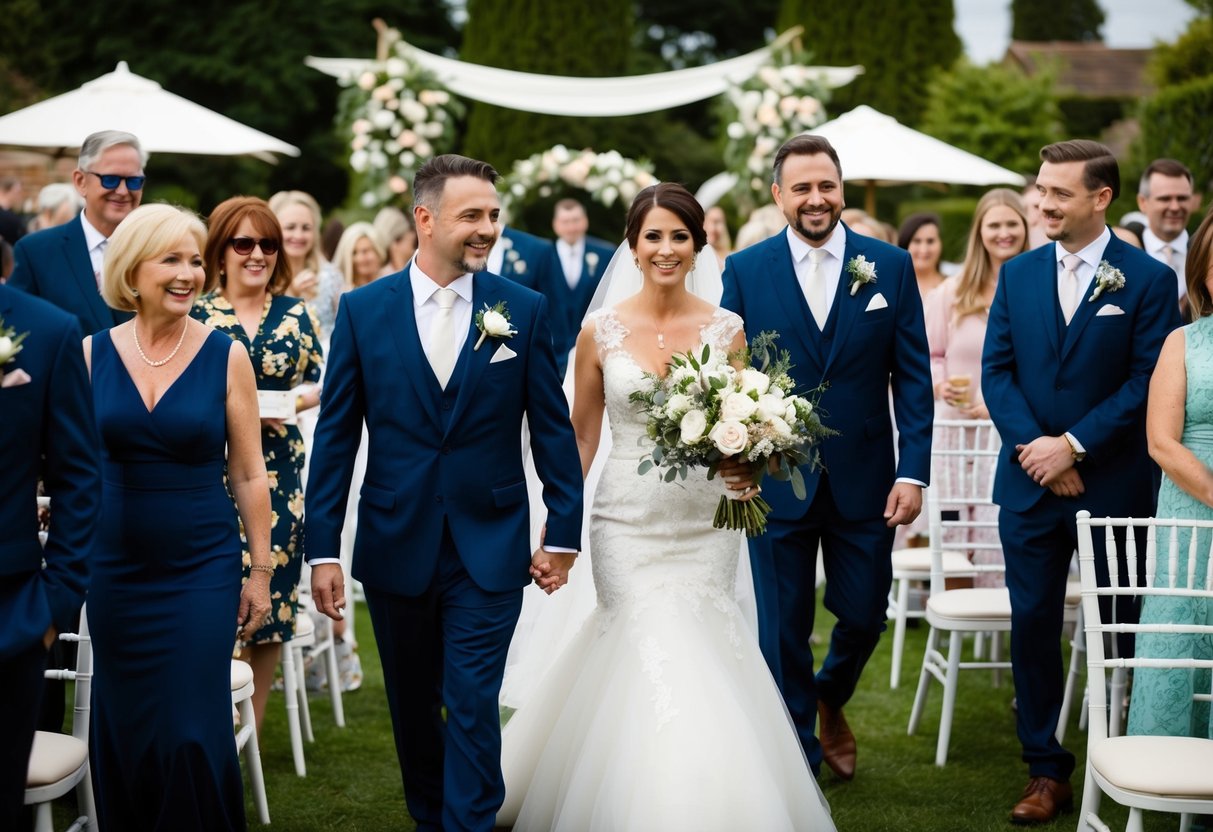
When planning your wedding, the type of ceremony you choose can greatly affect your guest list and budget. You’ll want to think about where you’ll hold the wedding and how many people you would like to invite.
Planning a Destination Wedding
Destination weddings can be exciting and unique. However, they come with special guest considerations.
First, think about travel costs for your guests. Many may need to arrange flights and accommodations. This can limit who can attend due to budget constraints.
You might also want to ensure your guests understand the details well in advance. Sending save-the-date cards early gives everyone time to plan their trip.
Consider the privacy factor, too. With fewer guests at a destination wedding, you might have a more intimate atmosphere. Think about how many of your guests will cherish this experience with you.
Choosing Between a Small or Large Wedding
Choosing between a small or large wedding will impact your guest list decisions.
A small wedding typically means a more personal vibe. You can include close family and friends, making the gathering feel special. This option often allows for better interactions and meaningful conversations.
On the other hand, large weddings can be grand and celebratory. You get to invite extended family and friends, making it a joyous occasion. Just be mindful that this may lead to a more hectic atmosphere.
Consider the venue. How many guests can comfortably fit in the space you choose? This aspect is crucial for planning. You want your guests to enjoy the day without feeling cramped.