
Do You Exchange Vows Before or After Rings? Understanding the Order of Your Wedding Ceremony
On your wedding day, the order of your ceremony can shape your experience. Many couples wonder what is traditional when it comes to the exchange of vows and rings. Typically, you exchange vows before the rings, allowing your heartfelt promises to take center stage. This sequence highlights the love and commitment you are making to each other.
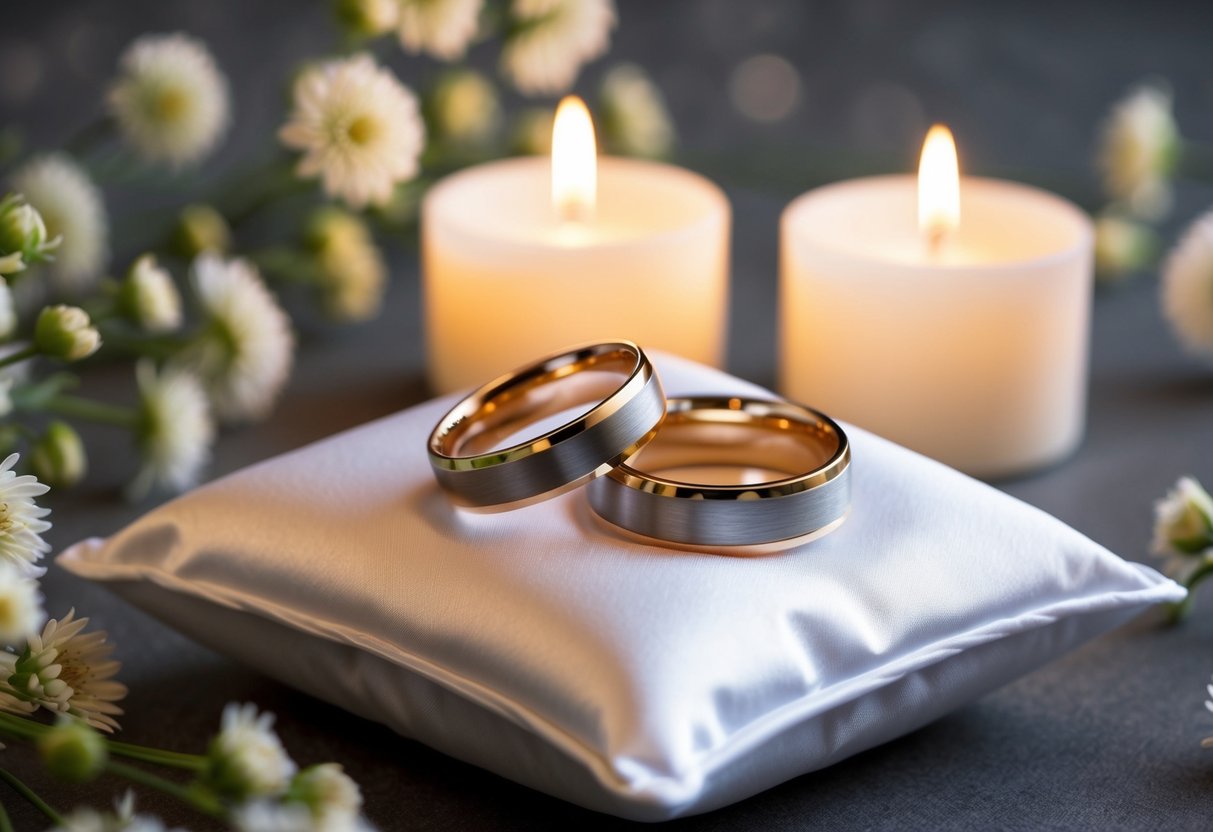
Understanding the flow of your wedding ceremony can help reduce stress on your special day. After you declare your love through your vows, the exchange of rings symbolizes your commitment. This moment marks the beginning of your journey together as a married couple, making it all the more meaningful.
As you plan your ceremony, consider how the order can reflect your relationship. Whether you choose to follow tradition or mix things up, what matters most is the love you share. The vows and rings both serve as important reminders of your promises and devotion to one another.
Understanding the Ceremony Structure
The structure of your wedding ceremony is important because it sets the tone for your big day. Knowing how the key elements fit together will help you plan a meaningful experience.
The Role of the Officiant
Your officiant is a vital part of the ceremony. They guide you through each step, making sure everything runs smoothly. The officiant opens the ceremony, welcomes guests, and introduces the couple.
They also lead you through the declaration of intent, where you affirm your commitment to each other. This is a significant moment. Afterward, the officiant invites you to exchange your vows, which are personal promises of love.
Finally, they pronounce you married, officially making you a couple. Throughout, the officiant ensures that the ceremony reflects your wishes and style, creating a special atmosphere for you and your guests.
Order of Events
The ceremony typically follows a specific order. First is the processional, where you and your bridal party walk down the aisle. Next, the officiant usually begins with an opening statement and welcomes everyone.
After this, you will share your vows. Whether you choose traditional promises or write your own, this moment is very personal. Following the vows, you exchange rings, which symbolize your commitment.
After the ring exchange, the officiant may include readings or special rituals. Finally, the recessional marks the end of your ceremony. You will walk back down the aisle together, celebrating your marriage with family and friends.
The Vows and Rings Sequence
The order of exchanging vows and rings in a wedding is important to many couples. Knowing how each part flows can help you prepare for your special day.
Exchange of Vows
During the exchange of vows, you and your partner share heartfelt promises. This moment is often the emotional highlight of the ceremony. You take turns expressing your love and commitment.
Traditionally, you speak vows that reflect your feelings and intentions. These promises set the tone for the rest of your marriage. You might vow to support each other, cherish one another, and face challenges together.
Make sure to practice your vows beforehand. This will help you feel more comfortable when it’s time to speak in front of your guests. Having clear vows can truly enhance this meaningful moment.
Ring Exchange
After the vows, it’s time for the wedding ring exchange. This part symbolizes your commitment and love. You’ll present each other with rings, often saying a few words.
Common phrases include, “With this ring, I thee wed.” These words emphasize the ring’s significance as a symbol of your union. Remember to place the ring on your partner’s left hand, which is closer to the heart.
Each ring holds a story and represents your journey together. Take this moment to appreciate its importance. Sharing a few meaningful words can add depth to the occasion.
The Kiss and Closing Remarks
Following the ring exchange, the officiant usually invites you to share a kiss. This is a joyful moment that marks your union. It’s a way to celebrate your promises made just moments before.
After the kiss, the officiant may give closing remarks. This could include a blessing or well wishes for your future. You might also be introduced to your guests as a married couple.
This part of the ceremony is often filled with applause and cheers. It sets a joyful tone for the rest of your celebration. Enjoy this time as it leads you into the next chapter of your lives together.
Personalizing Your Ceremony
Making your wedding ceremony unique reflects your love and devotion. Personalization can include writing your own vows and customizing ring exchange wording. You can also incorporate cultural traditions that are meaningful to you.
Writing Your Own Vows
Writing your own vows is a beautiful way to express your feelings. You can include personal memories and promises that showcase your unique love. Think about what makes your relationship special.
Start by jotting down key moments you’ve shared. You might write about your first date or a favorite trip. Aim for around one to two minutes of speaking time. This keeps it heartfelt but concise.
Tips for writing:
- Use simple language.
- Speak from the heart.
- Share your commitment clearly.
Practice reading them aloud to make sure they flow well and feel natural. Sharing your personalized vows can create a memorable moment during your ceremony.
Custom Ring Exchange Wording
When it comes to the ring exchange, consider customizing the wording. This part of the ceremony symbolizes your promises. You can choose words that resonate deeply with you both.
Instead of traditional phrases, create your own. For example, you might say, “With this ring, I give you my heart and promise to love you always.” This adds a special touch to the exchange.
Your wording could include:
- A mention of your journey together.
- A vow to always be each other’s support.
- A reminder of your shared dreams.
Personalizing the ring exchange can make this moment even more significant.
Incorporating Cultural Traditions
Incorporating cultural traditions into your ceremony can add depth and meaning. Many cultures have beautiful customs surrounding weddings. These can enhance your ceremony and connect you to your roots.
Think about traditions that resonate with you. This might include specific rituals, like a sand ceremony, or symbolic gestures. You can include elements like music, dance, or attire.
Examples of traditions:
- Lighting a unity candle.
- Jumping the broom.
- Sharing traditional foods.
Discuss with your partner and families to select traditions that honor your backgrounds. This not only personalizes your ceremony but also celebrates your heritage together.
Legal and Symbolic Considerations
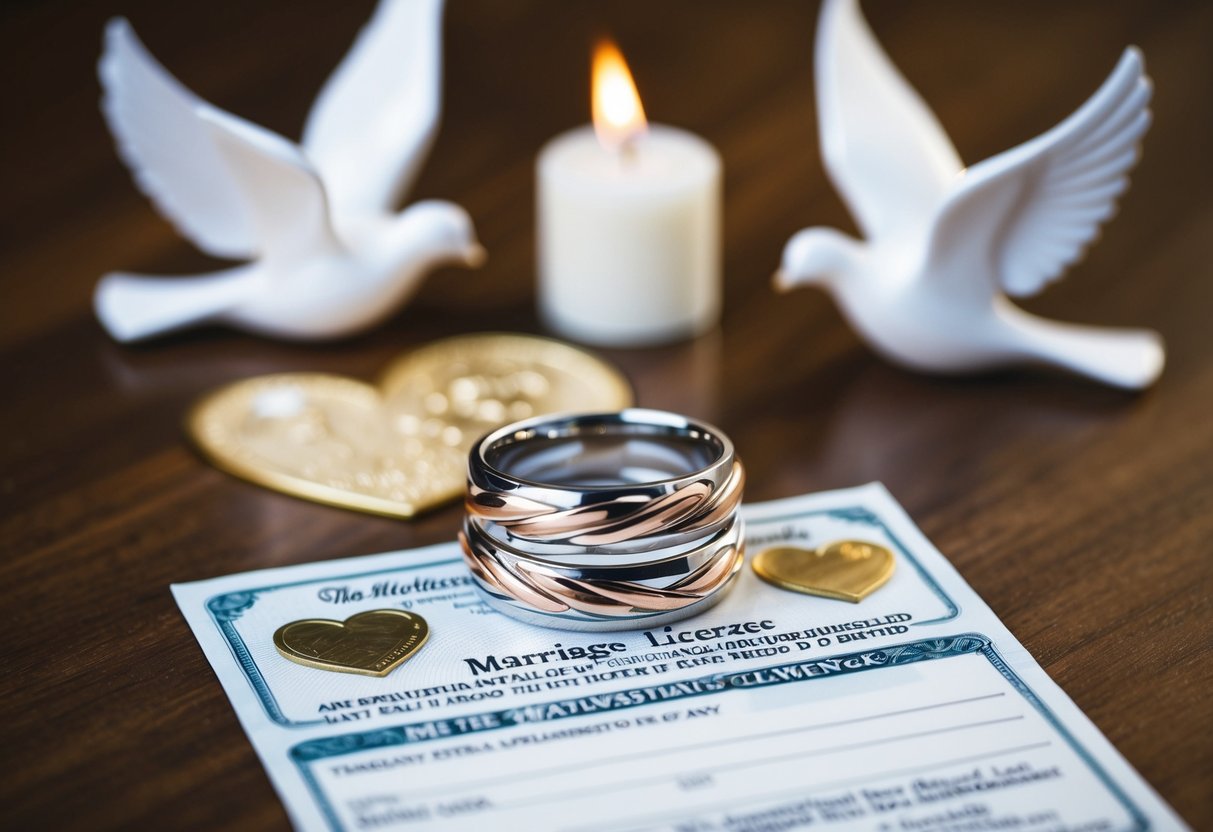
When planning your wedding, understanding the legal and symbolic aspects of exchanging vows and rings is essential. These elements not only signify your commitment but also have specific requirements that can affect your ceremony.
Marriage License Requirements
Before you can say your vows or exchange rings, you need a marriage license. This legal document is required in almost every jurisdiction.
Here are common marriage license requirements:
- Identification: Most places require valid IDs, such as a driver’s license or passport.
- Fees: There is usually a cost for obtaining the license.
- Waiting Period: Some states have a waiting period after you apply before you can marry.
- Witnesses: Many locations need one or two witnesses present for your ceremony.
Make sure to check with your local government to understand specific legal requirements in your area.
Rings as Symbols of Love
In marriage, rings hold deep symbolic meaning. After the vows, you traditionally exchange wedding rings.
These rings are often made from precious metals like gold or platinum. They represent eternal love and commitment. The engagement ring and wedding bands can feature diamonds or other gemstones to enhance their beauty.
Here’s what rings symbolize:
- Unity: The circle shape signifies never-ending love.
- Commitment: Wearing a ring shows dedication to your partner.
- Tradition: Exchanging rings is a time-honored custom in many cultures.
Choosing rings should reflect your personal style and the significance of your union.