
Do You Feed Vendors at a Wedding UK? Understanding Wedding Meal Etiquette
When planning your wedding in the UK, you might wonder if you should provide meals for your vendors. Feeding your vendors is generally a kind and appreciated gesture, especially for those working long hours during your big day. This includes photographers, videographers, musicians, and anyone else who contributes to making your celebration a success.
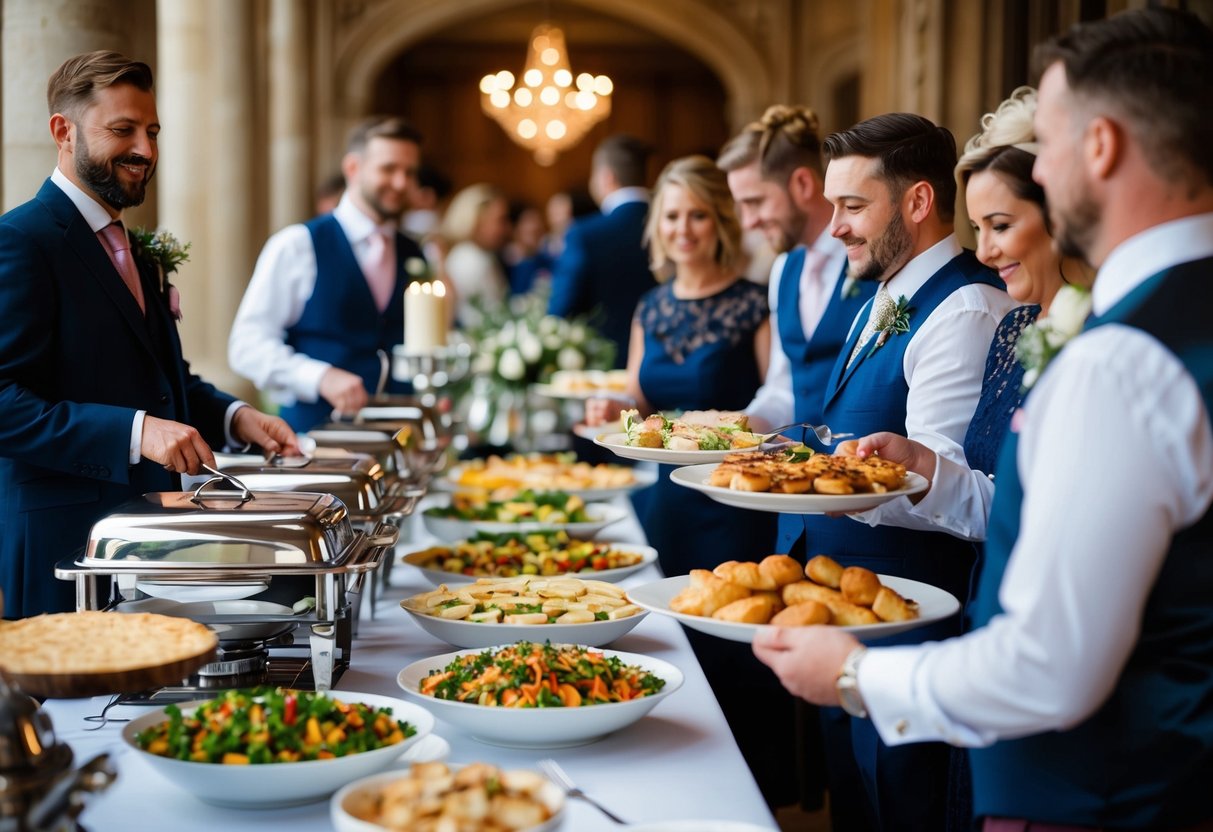
While it’s not a strict requirement to feed your vendors, many professionals expect it, especially if they will be with you for most of the day. Some vendors may even include meal provisions in their contracts. Taking the time to ask them about their needs can go a long way in ensuring a smooth event.
Ultimately, providing meals can enhance the working environment for your vendors and show appreciation for their hard work. You will find that a little thoughtfulness in this area can make a positive impact on the overall vibe of your wedding.
Understanding Vendor Meals at UK Weddings
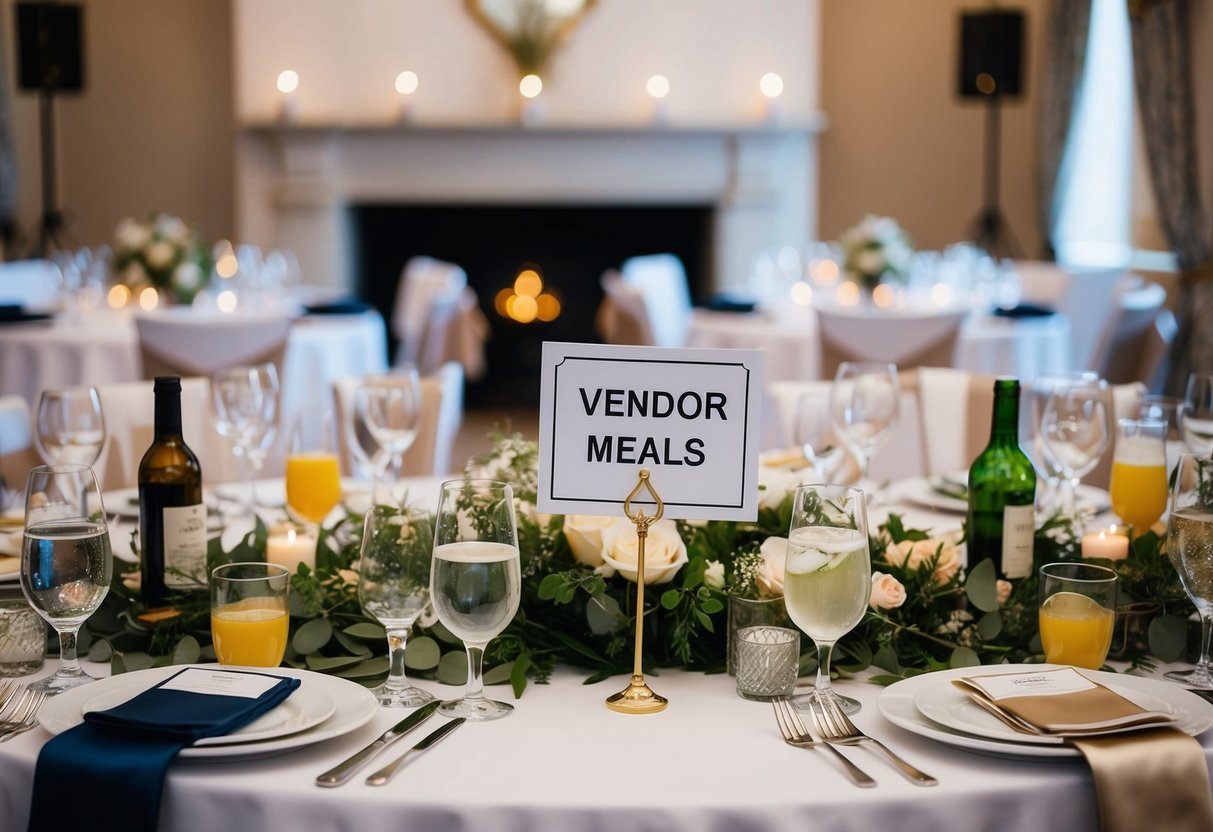
When planning your wedding, it’s important to think about the meals for those who help make your day special. Catering staff and other wedding vendors often work long hours, so providing them with proper meals is essential.
The Role of Caterers
Caterers play a key part in your wedding day. They handle not just the food for your guests, but also the meals for your vendors. This typically includes your photographer, videographer, DJ, musicians, and any other staff who are on-site for several hours.
Many caterers have specific packages that include vendor meals. These meals can be simpler than guests’ meals but still need to be satisfying. It’s a good idea to coordinate with your caterer to understand their policies on vendor meals. This ensures everyone is fed and ready to support you throughout your celebration.
Importance of Feeding Your Vendors
Feeding your vendors is not just a nice gesture; it’s also practical. Vendors like your photographer and DJ will be working hard, often for over five hours. If their shifts overlap with dinner service, it’s crucial that you provide them with a meal. Not only does this show appreciation, but it also keeps them energized.
Without proper meals, vendors might lose focus or energy, which can affect their performance. For example, a hungry photographer might miss important moments. Therefore, planning for vendor meals should be part of your overall catering budget. It keeps your wedding running smoothly and ensures that everyone can do their best work on your big day.
Planning and Coordination
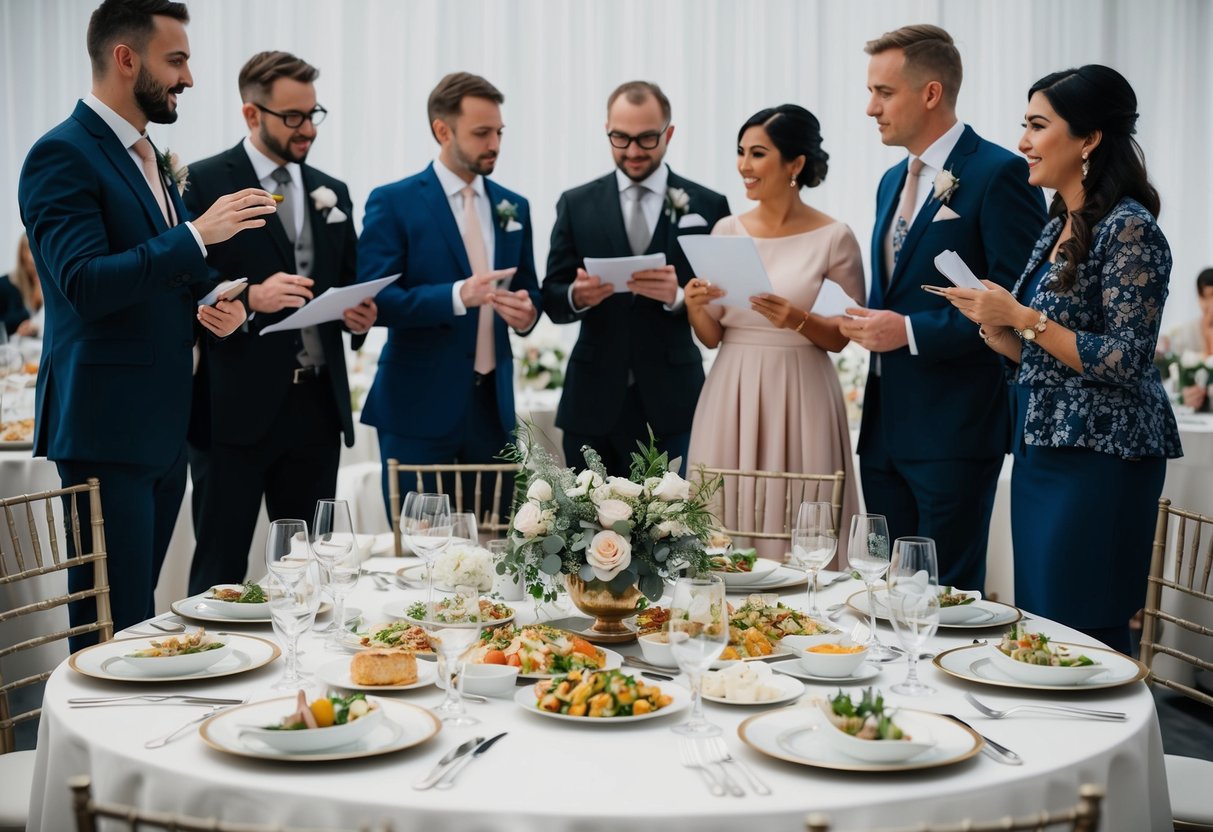
When planning your wedding, coordinating meals for your vendors is an important task. It involves making sure they are fed and that any dietary restrictions are considered.
Coordinating Vendor Meals
To coordinate vendor meals effectively, talk to each vendor about their meal preferences. Check your contracts, as many vendors include a clause about needing a meal if they work for more than five hours. For those you hire, like photographers and videographers, it’s considerate to offer a hot meal.
Consider creating a list of your vendors along with their meal selections. This will help you keep track of who needs what. Make sure to provide this list to your catering team. Good communication ensures everyone is fed and happy on your special day.
Incorporating Dietary Restrictions
It’s essential to consider dietary restrictions when planning vendor meals. Start by asking your vendors about any allergies or dietary needs. Common restrictions can include vegetarian, vegan, gluten-free, or nut allergies.
Once you have this information, share it with your catering team. They can create a diverse menu that caters to everyone’s needs. Offering a few options for meals is a great way to ensure all vendors feel valued and appreciated. Plus, a well-fed team can perform their best on your wedding day!
Budgeting for Vendor Meals
When planning your wedding, you need to factor in the cost of feeding your vendors. It’s essential to ensure they are well taken care of, as they play a critical role in making your day run smoothly. Here are two key areas to consider when budgeting for vendor meals.
Calculating the Cost
To get started on budgeting for vendor meals, you should first determine how many vendors you need to feed. Common vendors include photographers, videographers, musicians, and coordinators.
Typically, catering costs for vendors are less than those for guests. Expect to pay around 50-75% of the guest meal price. For instance, if your guest meals cost £50, budgeting £25-£37.50 per vendor meal is reasonable.
Create a list of your vendors and multiply the number of meals needed by your estimated cost. Add this total to your catering budget to avoid surprises later.
Catering Packages and Options
Many caterers offer special packages for vendor meals. It’s a good idea to ask about these when discussing your catering options.
Some venues provide discounted rates for vendor meals, especially if they are handling all of your catering. You might find options like buffet-style or simple boxed meals can save you money, too.
Make sure to communicate your needs with your caterer. They can help you choose the right meals that ensure your vendors are nourished without overspending. This thoughtful planning will ensure your vendors stay energized, helping them do their best work for your special day.
Logistics on the Day of the Wedding
Planning for vendor meals on your wedding day is crucial for keeping everything running smoothly. Knowing when vendors eat and where they can dine helps you manage their needs without disrupting your celebration.
Meal Timing and Breaks
You’ll want to plan meal timing carefully to keep vendors energized and focused. For instance, many vendors, like photographers and videographers, often work throughout the cocktail hour. This means they might not have a chance to grab a bite until after the guests have been served.
Consider scheduling vendor meals immediately following the guest meal. If your wedding breakfast begins at 6 PM, plan for vendors to eat around 7 PM. This allows them a break while keeping them on site for important moments like speeches and dancing. Always communicate the timing to your catering team, so they are ready.
Designated Areas for Vendor Dining
Creating a designated area for vendors to eat is important for a smooth operation. This space should be separate from guest dining areas to give everyone some privacy.
A quiet corner in the reception area can work well. Make sure it’s equipped with seating. Ideally, it should have access to food and beverages. You can also add a few decorations to make the area more inviting. Remember to inform your catering staff about this space so they can serve vendor meals promptly.