
Do You Get Paid to Be a Celebrant? Understanding Fees and Responsibilities
Becoming a celebrant can be a fulfilling and rewarding choice for many people. Yes, you do get paid to be a celebrant! Whether you conduct weddings, funerals, or other ceremonies, celebrants can earn a good income based on the number of events they perform.

As a celebrant, your earnings depend on how many ceremonies you take on and the fees you set. Many celebrants charge between $600 to $1,500 for each wedding or event. If you manage multiple events throughout the year, this can add up to a significant amount.
If you have a passion for helping others mark important moments in their lives, becoming a celebrant might be the right path for you. It’s a career that not only offers financial rewards but also allows you to make a meaningful impact in your community.
Understanding Celebrant Roles and Responsibilities
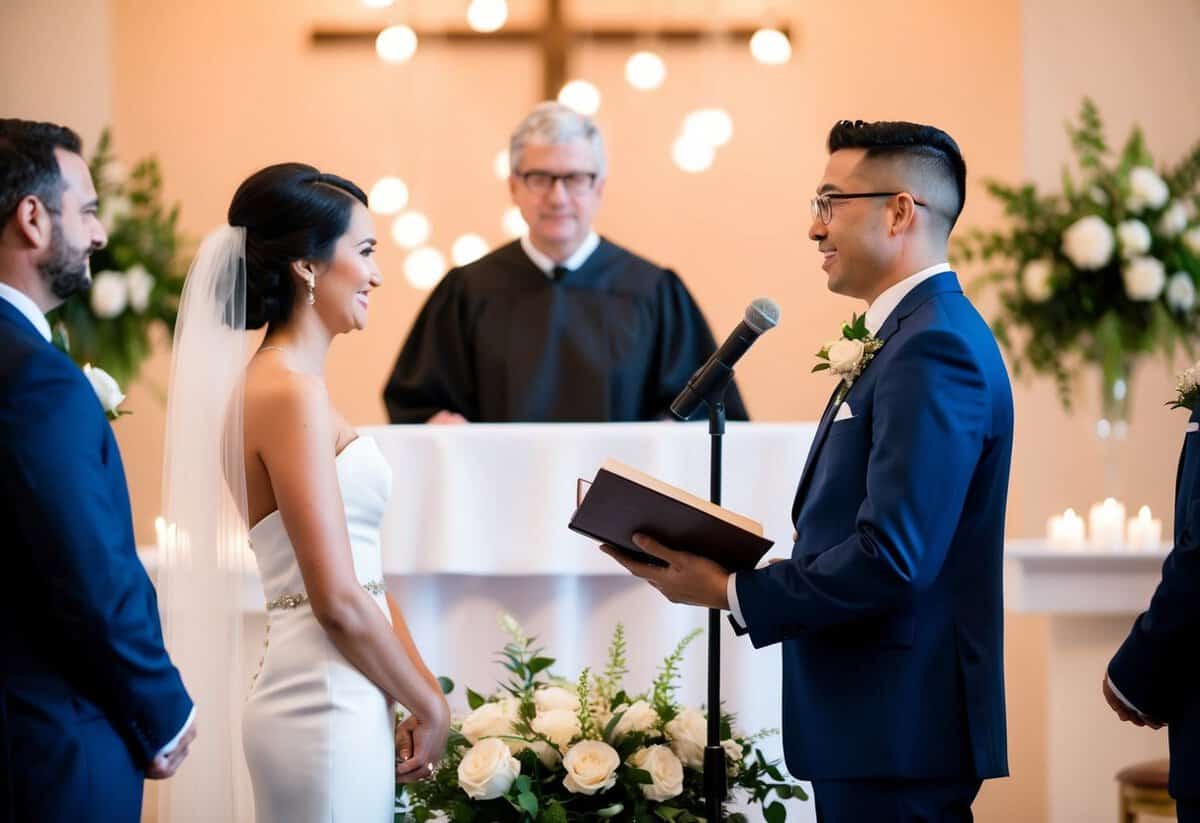
As a celebrant, you play a vital role in creating meaningful ceremonies for various life events. Your responsibilities can vary based on the type of celebrant you become and the specific ceremonies you officiate.
Becoming a Celebrant
To become a celebrant, you’ll need to decide which area of celebrancy you want to focus on, such as weddings, funerals, or family ceremonies. The first step is often to complete a training course that covers essential skills, including public speaking and writing personalized scripts.
Many celebrants also build their businesses through marketing and networking. Creating a website and using social media can help you reach potential clients. In addition, gaining experience through internships or volunteering can provide valuable skills and insights into different ceremonies.
Different Types of Celebrancy
There are several types of celebrants, each specializing in unique ceremonies:
-
Marriage Celebrants: They officiate weddings and vow renewals, creating customized scripts that capture the couple’s story.
-
Funeral Celebrants: These celebrants lead funeral services, helping families honor loved ones with heartfelt tributes and personalized ceremonies.
-
Civil Celebrants: They can perform various ceremonies, including baby naming ceremonies and coming of age celebrations.
Each type requires a deep understanding of the particular needs and customs related to the ceremonies you will conduct.
Necessary Qualifications
While specific qualifications may vary by location, most celebrants are expected to have certain skills and certifications. You will likely need to complete a training program that focuses on effective communication and the legal aspects of officiating ceremonies.
Additionally, registering as a celebrant may be required in your area, especially for marriage celebrants. Being empathetic, organized, and a good listener will also enhance your ability to connect with clients and provide them with the ceremony they desire.
These elements combined provide a solid foundation for a successful career in celebrancy.
Training and Certification
Becoming a celebrant is an exciting journey that requires proper training and certification. You’ll find that investing time in education will prepare you for a rewarding career. Here’s what you need to know about the essential aspects of training and certification.
Celebrant Training Courses
To start your career, you’ll want to enroll in a celebrant training course. These programs teach you the skills needed to conduct ceremonies, such as weddings and funerals.
Many training providers offer comprehensive courses, ranging from 2-day workshops to extended programs lasting several months. The courses often cover essential topics like legal requirements, writing ceremonies, and effective communication.
You may consider a Certificate IV in Celebrancy, which is a widely recognized qualification. This credential typically includes practical components, allowing you to practice what you learn in real-world situations.
Obtaining Certification
Once you complete a training course, obtaining certification is your next step. Most celebrants aim for official recognition by reputable organizations.
Certification often involves submitting an application and proving your competence through assessed work. Some applicants may need to provide references or samples of ceremonies they’ve conducted.
Certification enhances your integrity, helping you build trust with clients. Various celebrant associations and forums can provide guidance on obtaining credentials.
Ongoing Professional Development
After becoming certified, your learning journey doesn’t end there. Ongoing professional development is crucial to remain updated on best practices and industry changes.
You might consider attending workshops, webinars, or conferences. Many celebrate professional groups offer additional training opportunities and networking events.
Engaging in ongoing education helps you to expand your skills and knowledge, setting you apart in a competitive market. Plus, it allows you to connect with other celebrants and share experiences.
Investing in your development ensures that you continue to provide high-quality services while staying relevant in the dynamic world of celebrancy.
The Financial Aspects of Being a Celebrant
Becoming a celebrant can be rewarding, both personally and financially. Understanding how much you can earn and the factors that affect your income will help you make informed decisions in this role.
Earnings and Fees
As a celebrant, your earnings depend on the type of ceremonies you conduct. For weddings, celebrant fees typically range from $800 to $1,500. Costs can vary based on location and experience.
For funerals, you might charge between $200 and $650 per service. Offering both wedding and funeral services can help maximize your income. It’s essential to determine your fees based on your services and local market trends.
Earning Potential
Your earning potential as a celebrant can vary significantly. Many celebrants perform around 1 wedding per week, adding up to approximately $32,000 annually. However, if you also offer funeral services—which are in demand—you can increase your earnings substantially.
Some celebrants host civil ceremonies or other events, enhancing their income streams. The more ceremonies you perform, the higher your overall earnings.
Average Earnings Insights
The average earnings of a celebrant may vary. Wedding celebrants often report gross annual earnings around $40,000 to $60,000. In contrast, those focusing solely on funerals might make less, depending on the number of services performed.
Celebrants working full-time can earn more, nearing $75 per hour for their efforts. Understanding the market rates in your area and what similar celebrants charge can help you set competitive fees.
Additional Financial Considerations
When assessing your financial situation as a celebrant, consider costs beyond your fees. Insurance is crucial for protecting yourself against potential liabilities. Costs can vary but budgeting around $200 to $500 annually is common.
You might also incur expenses related to marketing, training, and equipment. Partnering with funeral directors can provide additional referral opportunities. Balancing your income and expenses will help you maintain a healthy financial outlook as a celebrant.
Marketing and Growing Your Celebrant Business
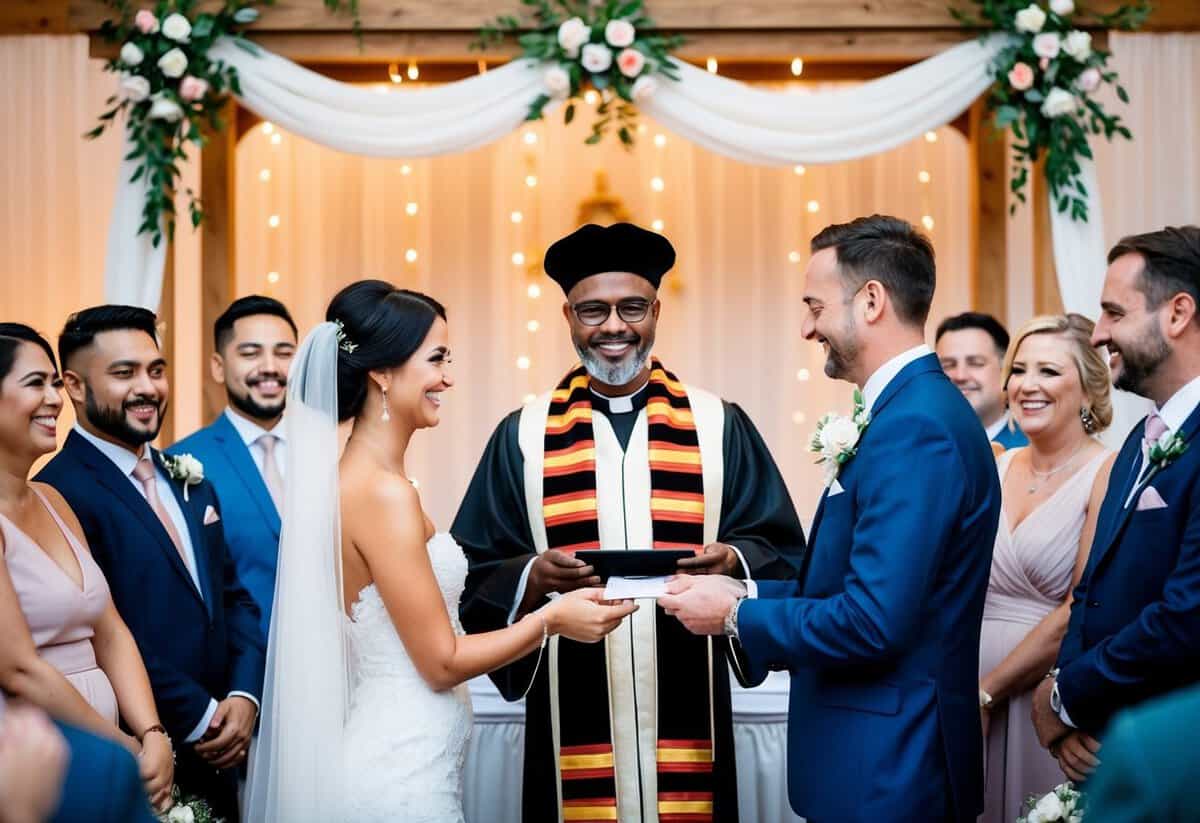
Building and promoting your celebrant business is critical to your success. You need effective methods to attract clients, connect with others in the industry, and understand how your location affects your business potential.
Building a Client Base
Your client base is the foundation of your celebrant business. Start by creating a user-friendly website that showcases your services, testimonials, and personal story. This way, potential clients can learn more about you and feel a connection.
Social media platforms, like Instagram and Facebook, are great for outreach. Share engaging content that highlights your personality and expertise. Post pictures from ceremonies you’ve officiated, and include client stories to attract attention.
Encourage satisfied clients to leave reviews and share their experiences. This word-of-mouth marketing can bring more clients your way!
Marketing Strategies
Effective marketing is essential for your celebrant business. You can explore various strategies to get your name out there. Online advertising, like Facebook ads or Google Ads, can help you reach a specific audience actively looking for celebrants.
Consider joining local wedding directories or platforms that specialize in the wedding industry. These sites can help you appear in searches from couples planning their ceremonies. Utilize SEO (search engine optimization) techniques for your website. This helps you rank higher in search results, making it easier for potential clients to find you.
Email marketing is another powerful tool. Create a newsletter to share tips, advice, and updates about your services, keeping your audience engaged.
Networking and Industry Events
Networking is vital in any business, especially in the wedding industry. Attend industry events like wedding expos, fairs, and local gatherings. These events are excellent opportunities to connect with other vendors, including photographers, florists, and venues.
Building relationships with these professionals can lead to referrals. Don’t hesitate to introduce yourself and share your services. Carry business cards to hand out when meeting new contacts.
Additionally, consider joining celebrant associations or local networking groups. These organizations often provide resources, support, and opportunities to collaborate with others in your field.
Geographical Influence on Business
Your geographical location can shape your celebrant business in various ways. Certain areas may have higher demand for celebrants, especially during peak wedding seasons.
Research local trends and preferences that can help you position your services effectively. Being aware of the local wedding culture can also be beneficial.
Knowing the popular venues, themes, and traditions can assist you in tailoring your services.
Make sure you understand the competition in your area. Recognize what they offer and find ways to stand out. This understanding can lead you to adjust your marketing strategies based on your specific location and target audience.