
Do You Get Permanent Residency If You Marry a British Citizen? Understanding the Pathway to Settled Status
If you’re considering marrying a British citizen, you might wonder what that means for your residency status in the UK. Marrying a British citizen may make you eligible to apply for permanent residency, but it isn’t automatic. You will need to follow specific immigration procedures to secure your status.
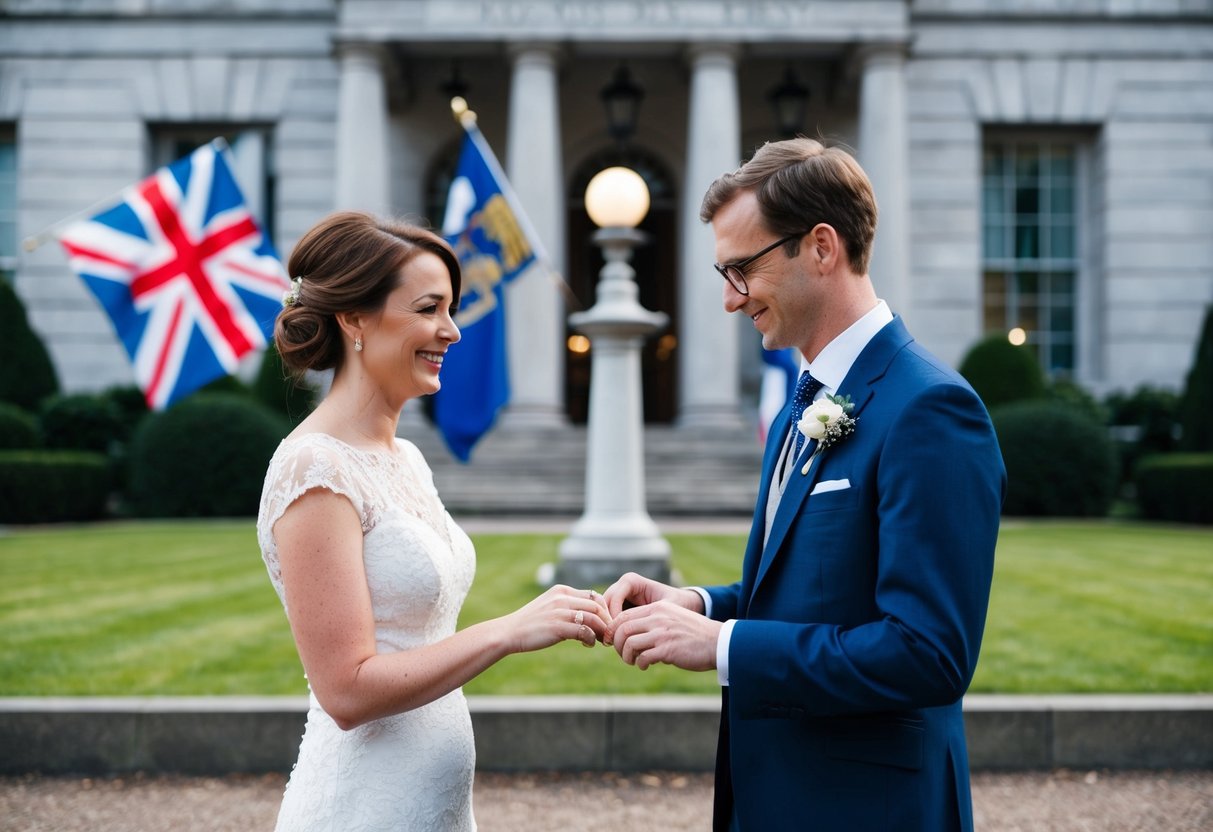
Understanding the requirements can be daunting, but knowing what to expect can make the process easier. From proving your genuine relationship to securing the right visa, each step is important for your future in the UK.
Exploring the ins and outs of residency after marriage can provide clarity on your path. With the right information, you’ll feel more prepared to navigate this journey together.
Marriage to a British Citizen and Residency
When you marry a British citizen, it opens doors to residency options in the UK. Understanding the steps to achieve permanent residency and the requirements for naturalization is essential for a smooth process.
The Path to British Citizenship Through Marriage
If you are married to a British citizen, you can apply for British citizenship through a process called naturalisation. First, you must meet the eligibility criteria, which include being 18 or over and having lived in the UK for a specific time.
When you marry, you often apply for a Spouse Visa, allowing you to stay in the UK. After you live together for a certain period and hold Indefinite Leave to Remain (ILR), you can progress to apply for citizenship by marriage. This process can take time, so patience is key.
Understanding Indefinite Leave to Remain (ILR)
Indefinite Leave to Remain (ILR) is an important step towards permanent residence. This status allows you to live and work in the UK without restrictions.
To qualify for ILR, you must have lived in the UK for at least five years on a Spouse Visa or have met the residency requirements.
You should also show proof of your relationship’s genuineness and meet the English language requirements. Once granted ILR, you can stay in the UK indefinitely. This status is typically a prerequisite for applying for British citizenship through marriage. Remember, keeping up with your paperwork and status is essential to avoid any delays in your residency journey.
Requirements and Eligibility Criteria
To apply for permanent residency after marrying a British citizen, you must meet several important criteria. These include having settled status, passing tests, and fulfilling character requirements.
Settled Status and Residency Requirements
To start, you need to have settled status, which allows you to live in the UK without restrictions. This usually means you must hold Indefinite Leave to Remain (ILR) or settled status under the EU Settlement Scheme.
To qualify, you should generally have lived in the UK for at least five years. However, if you are married to a British citizen, you can apply after just three years of residence. Keep in mind that you must also meet the financial requirement, showing you can support yourself and any dependents.
Life in the UK Test and English Language Proficiency
You will need to take the Life in the UK test, which assesses your knowledge of British customs, history, and culture. It consists of 24 questions and you need to score at least 75% to pass. This test is an important part of the citizenship application process.
In addition to the test, you must prove your English language proficiency. This can be done in several ways: by passing a Secure English Language Test (SELT) or by having a degree taught in English.
You’ll need to show your knowledge of English to ensure you can integrate well into the community.
Good Character and Sound Mind Criteria
The good character criterion is crucial for your application while the sound mind aspect ensures that you are capable of making your own decisions.
You need to demonstrate that you have no serious criminal record and have followed UK laws during your time here. Factors that may affect this include any immigration restrictions or fines.
It’s important to be honest about your history, as any misrepresentation can lead to rejection of your application. You should also be deemed to be of sound mind, showing that you are fit to make decisions regarding your residency in the UK.
Application Process for British Citizenship
Getting British citizenship involves a clear process, mostly centered on documenting your eligibility and interacting with the Home Office. Here’s what you need to know to navigate the application successfully.
Documenting Your Journey: Supporting Documents
To apply for British citizenship, you must gather several key documents. These include proof of your identity, marriage certificate, and evidence of your residency.
You must show that you have lived in the UK for at least three years if married to a British citizen. Additionally, you should document your English language ability, which can include taking a test or possessing certain qualifications.
Don’t forget to provide your biometric information, which includes fingerprints and a photo.
Collecting accurate and complete documentation is crucial as it supports your application and helps avoid delays.
The Role of the UK Home Office
The Home Office reviews your application, which you can submit online. They assess your documentation to determine your eligibility.
Once your application is received, you may be asked for additional information or documents. Be prepared to respond promptly to ensure your application proceeds smoothly.
After the review, the Home Office will inform you of their decision. If approved, you will be invited to a citizenship ceremony, marking your new status.
Fees and Costs Associated with Citizenship
Applying for British citizenship comes with specific fees. As of now, the application cost is £1,630. This fee must be paid when submitting your application and is subject to change, so check the latest information.
Additional costs may include biometrics, which are typically free, but you might have to pay for other supporting documents or language tests.
Finally, after approval, attending the citizenship ceremony may have its own costs, such as purchasing a British passport. Always estimate your total costs to avoid surprises during the application process.
Special Circumstances and Additional Pathways
If you’re considering marrying a British citizen, there are unique pathways and special circumstances that you should know about. These can help you achieve permanent residency or citizenship in the UK.
EU Settlement Scheme and Pre-Settled Status
If you are a citizen of the European Union, the EU Settlement Scheme is crucial for you. It allows you to apply for settled status if you’ve lived in the UK for at least five years. This gives you the right to stay indefinitely.
If you haven’t lived in the UK for five years yet, you can apply for pre-settled status. This allows you to stay for another five years while you work towards settled status.
You must show that you were living in the UK before the deadline and meet residency requirements.
British Citizenship by Descent
If you were born outside the UK to a British parent, you might qualify for British citizenship by descent. This option could allow you to become a British citizen without having to live in the UK for a set period.
It’s important to know that there are specific rules about how many generations can claim citizenship this way. You should gather documentation showing your parent’s British status and your birth details to start this process.
Spouse Visa and Partner Relationships
Many non-UK citizens marry British citizens and apply for a UK spouse visa. This visa allows you to live in the UK for up to 30 months. After that, you can apply to extend it or switch to indefinite leave to remain (ILR).
You need to prove your relationship is genuine and meet certain financial requirements. Language proficiency is also necessary, usually a minimum of B1 level English. After living together for a set time, you may be eligible for naturalisation as a British citizen.